Why NCERT Class 9 Revision Book is Perfect for Quick Exam Prep
Many students struggle to recall specific formulas, complex grammar rules, or intricate science concepts when time is running out. Relying solely on a bulky CBSE Class 9 textbook during the frantic final days before an exam often leads to cognitive fatigue, leaving you feeling unprepared despite hours of reading.
This article shows how a dedicated Class 9 revision book simplifies your study routine, turning chaotic cramming sessions into an organised, stress-free strategy for academic success.
What Is the CBSE Class 9 Textbook?
The standard CBSE Class 9 textbook acts as the definitive academic foundation for students across the country. It introduces core topics in mathematics, sciences, and languages that form the structural basis for higher secondary education.
These books contain the mandatory curriculum set by national boards, ensuring all students follow a standardised learning trajectory.
While these primary textbooks offer deeply detailed explanations, the sheer volume of text can sometimes make rapid review difficult. Students use them to build their initial understanding of chapters during regular school hours. However, relying solely on massive text paragraphs during the final days before an exam often leads to cognitive fatigue.
Features to Look for in a Class 9 Revision Book
When selecting ideal Class 9 NCERT revision textbooks, look for elements that translate raw textbook chapters into scannable data. It must bridge the gap between initial learning and quick recollection.
An effective revision resource should always include the following features:
-
Chapterwise Mind Maps: Visual breakdowns that connect major ideas instantly for better long-term retention.
-
Complete Textbook Solutions: Exhaustive answers for all intext questions and end-of-chapter exercises to verify your understanding.
-
Step-by-Step Explanations: Transparent, logical breakdowns of mathematical calculations and scientific formulas that build clear conceptual understanding.
-
Quick Revision Format: Highly concise layouts that focus purely on key summaries, definitions, and major literary themes without unnecessary fluff.
-
Exam-Focused Structure: Layouts specifically engineered to boost your confidence for Class tests, terminal exams, and final school assessments.
Check Out - CBSE Class 9 Question Bank
How do the CBSE Class 9 Textbook and Revision Book Improve Concept Retention?
True learning happens when you move information from short-term memory to long-term storage. Using a standard CBSE Class 9 textbook allows you to read through comprehensive theories, historical events, and complex scientific processes for the first time. It provides the initial mental framework required to understand why a specific rule or formula functions the way it does.
Complementing that primary reading with a dedicated companion book reinforces those pathways. When you view a visual mind map immediately after reading a long textbook chapter, your brain organises that knowledge into a tidy mental filing system.
This dual-layered approach ensures you do not just memorise words blindly but truly comprehend the underlying principles, leading to much higher accuracy during exams.
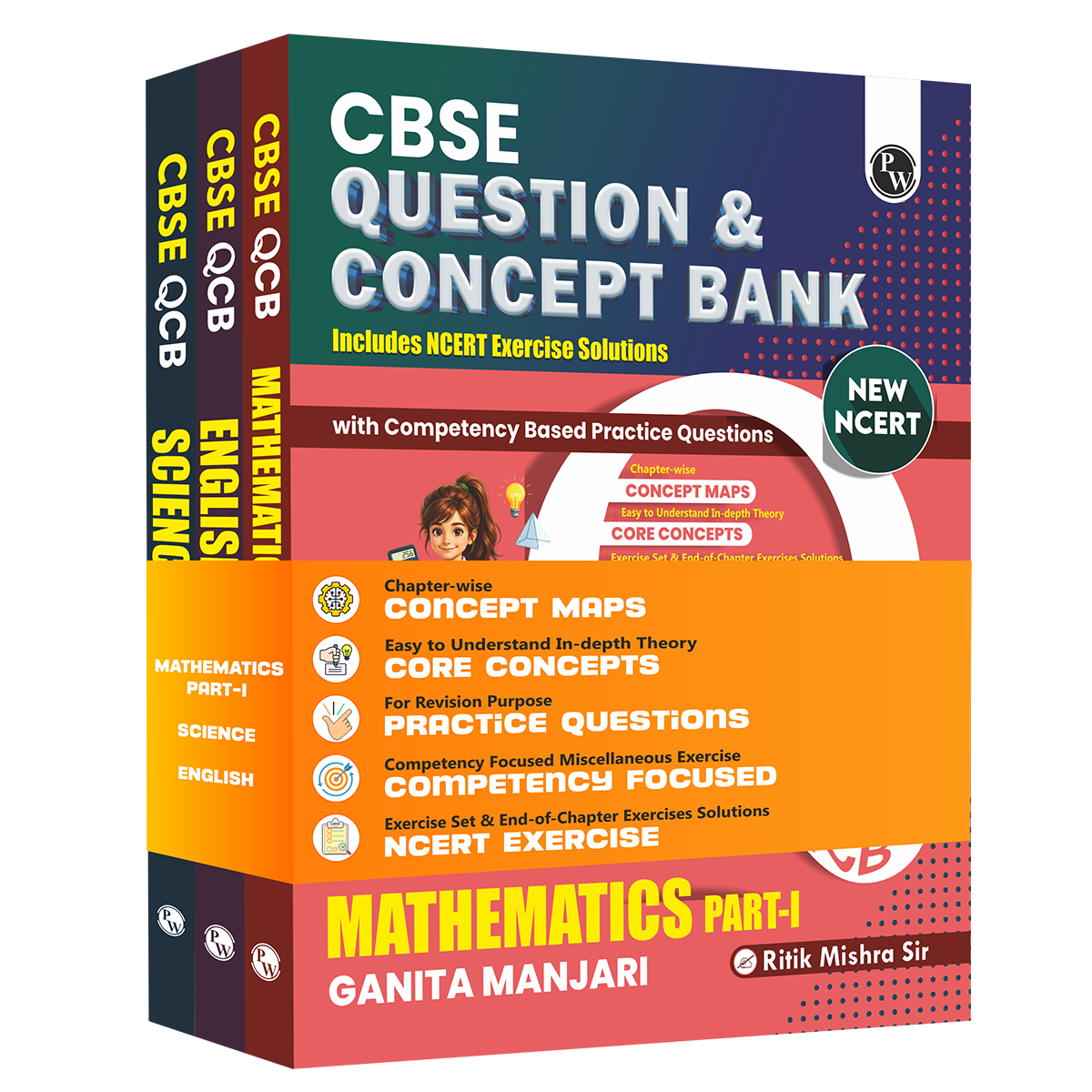
Check Out - CBSE Class 9 Revision Books
How the CBSE Class 9 Textbook Supports Last-Minute Exam Preparation?
When you only have a single evening left before a major school assessment, reading a dense CBSE Class 9 textbook from cover to cover is practically impossible. This is where a targeted ncert revision guide becomes an absolute lifesaver for students.
It filters out the secondary details and places the most vital definitions, equations, and chapter highlights directly in front of your eyes.
|
Study Phase |
Primary Textbook Focus |
Revision Guide Focus |
|
Initial Learning |
Deep conceptual analysis, long descriptive paragraphs, initial reading. |
Visual overviews, mapping connections, identifying core themes. |
|
Mid-Term Review |
Solving detailed exercise questions, building foundational accuracy. |
Checking step-by-step methods, identifying weak areas. |
|
Last-Minute Prep |
Cross-checking specific definitions or complex diagrams. |
Quick revision notes, scanning mind maps, memorising key formulas. |
When to Use the CBSE Class 9 Textbook and Revision Book Before Exams?
Timing your study resources correctly makes a massive difference in your final grades. Your primary CBSE Class 9 textbook should remain your closest companion throughout the academic term. Use it daily to follow school lectures, complete regular homework assignments, and build a sturdy foundation of knowledge.
As assessments draw closer, your strategy must pivot toward targeted consolidation. Introduce a specialised book designed for CBSE revision approximately two to three weeks before your exam dates. This period is ideal for shifting your focus away from passive reading and moving toward active practice, mock problem-solving, and visual mind-mapping sessions.
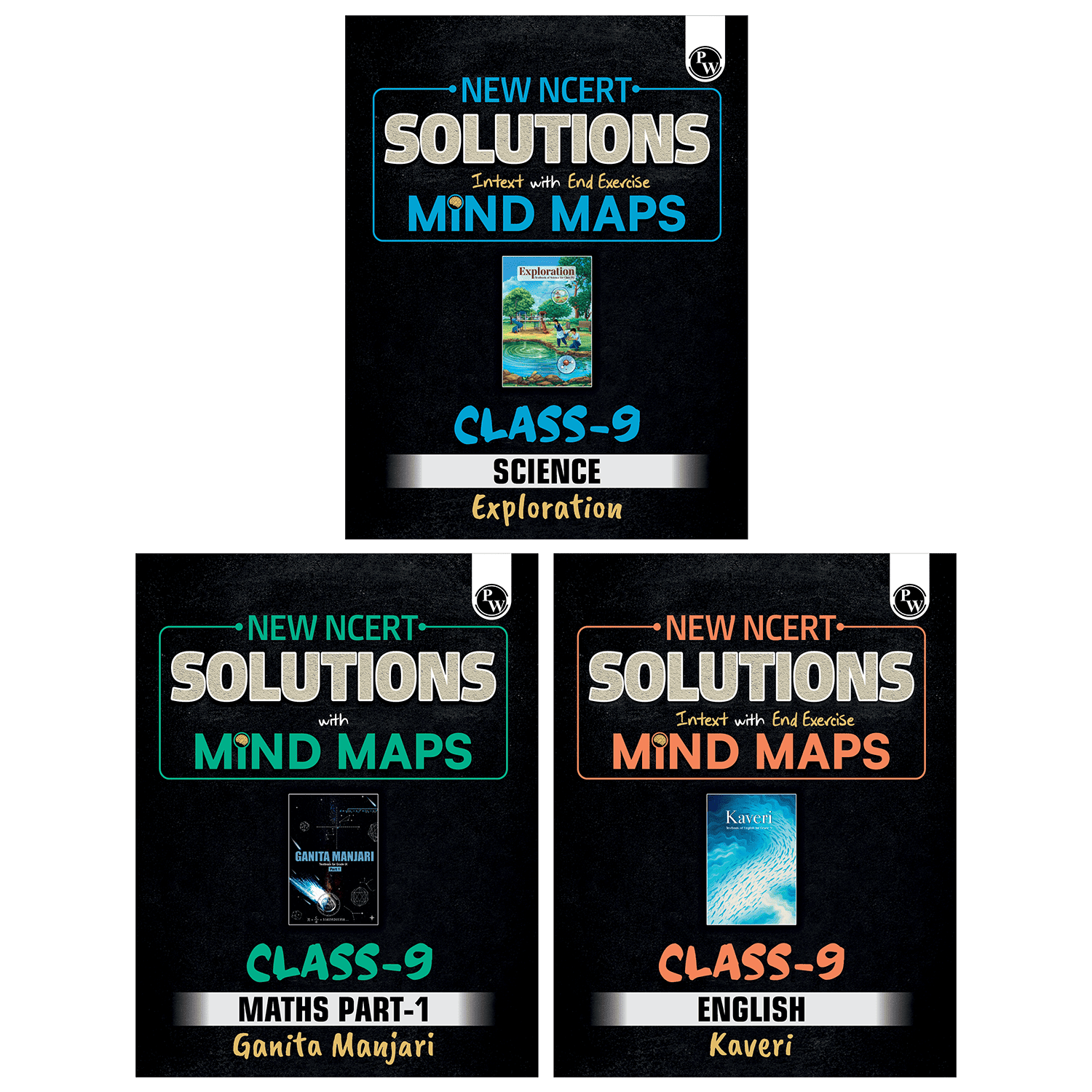
- Master the new NCERT Class 9 English Kaveri textbook with PW New NCERT Class 9 English Kaveri Textbook Solutions with Mind Maps 2026-27.
- Master the new NCERT Class 9 Mathematics curriculum with PW New NCERT Class 9 Maths Ganita Manjari Part 1 Textbook Solutions with Mind Maps 2026-27.
- Strengthen your understanding of the new NCERT Class 9 Science curriculum with PW New NCERT Class 9 Science Exploration Textbook Solutions with Mind Maps 2026-27.
How to Create a Quick Revision Plan with the CBSE Class 9 Textbook?
Building a highly efficient schedule does not require complicated systems. You can create a practical routine by combining your CBSE Class 9 textbook with a structured review companion.
Follow this simple, step-by-step routine to organise your final study sessions:
-
Identify the Scope: Look at your exam syllabus and list out all the chapters that will be tested in the upcoming assessment.
-
Scan the Mind Maps: Spend the first ten minutes of your study session looking over the visual summary of a chapter to refresh your memory.
-
Review the Solutions: Go through the complete intext and end-exercise textbook solutions to ensure you know how to structure your answers.
-
Practice Key Formulas: Write down crucial mathematical equations and science definitions using active recall techniques.
-
Test Your Knowledge: Attempt a few past questions or sample exercises without looking at the solutions to verify your exam readiness.
Common Mistakes to Avoid While Using the CBSE Class 9 Textbook
Many hardworking students miss out on top marks simply because they fall into common, easily avoidable preparation traps. Understanding these mistakes helps you adjust your study routine for much better results.
Be sure to avoid these frequent errors during your final prep:
-
Passive Re-reading: Simply moving your eyes over the pages of a Class 9 textbook without actively testing your brain's memory.
-
Ignoring Intext Exercises: Skipping the smaller questions hidden inside the chapters, which frequently appear in school exams.
-
Starting Too Late: Leaving your last minute revision until the literal night before the exam, causing panic and extreme exhaustion.
-
Studying Without Structure: Flipping randomly between different subjects and chapters without a clear, organised plan of action.
-
Neglecting Weak Areas: Spending all your time practicing chapters you already know well while completely avoiding the difficult topics.
CBSE Class 9 Revision Book FAQs
1. How does a Class 9 revision book save time during school exams?
A dedicated Class 9 revision book condenses massive chapters into highly scannable bullet points, visual summaries, and step-by-step solutions. This structured layout allows you to review an entire chapter's main points in minutes instead of spending hours flipping through long text paragraphs.
2. Can I rely entirely on quick revision notes to pass my final assessments?
While quick revision notes are incredibly effective for rapid recall, they work best when combined with your primary CBSE Class 9 textbook. Use the main textbook to understand concepts initially, then switch to your notes for faster, more effective review sessions before test days.
3. Why are mind maps included in an NCERT revision guide?
Mind maps are included in an NCERT revision guide to provide a clear visual overview of complex topics. They break down chapters into linked, logical fragments, making it much easier for your brain to process, categorise, and retain information over the long term.