How to Use SSC CGL PYQs When Your Syllabus Is Only Partially Complete?
Many aspirants pause practice completely, believing that past question papers belong strictly at the final stage of revision. This approach often leads to panic when exam dates approach, leaving little time to adapt to actual question formats.
You do not need to finish every chapter before opening past paper books. Solving authentic SSC CGL PYQ resources midway through your studies builds vital test-taking skills, highlights essential recurring concepts, and stops you from spending unnecessary hours on low-weightage topics.
Integrating authentic questions during study sessions turns raw knowledge into practical exam readiness.
Importance of SSC CGL PYQs in Exam Preparation
Solving past papers provides a direct view into the actual structure of the examination. Standard textbook exercises often focus on isolated formulas, whereas real papers test mixed concepts under time constraints.
Using authentic paper collections offers several distinct operational benefits:
-
Understanding Real Weightage: You quickly spot which chapters carry higher marks in Tier 1.
-
Building Speed and Accuracy: Solving real questions improves your overall speed and accuracy over time.
-
Exposing Trend Patterns: Trend analysis from papers spanning 2018 to 2025 reveals how question types evolve across shifts.
-
Validating Fundamental Concepts: Detailed solutions help verify whether your conceptual understanding holds up under exam-like conditions.
How Do SSC CGL PYQs Help You Practise Unfinished Topics
When dealing with an SSC CGL incomplete syllabus, attempting full-length timed tests often causes unnecessary frustration. However, past papers remain highly useful if you filter them by topic rather than solving whole sets sequentially.
-
Targeted Concept Mapping: Isolate questions belonging to topics you have already covered. This solidifies finished chapters while keeping momentum high.
-
Previewing Upcoming Chapters: Looking at past questions for unread chapters gives you a clear sense of what formulas or rules matter most before you even read the theory.
-
Reducing Exam Anxiety: Early exposure to authentic questions makes the overall exam format feel familiar rather than intimidating.
-
Identifying High-Yield Areas: You learn which specific sub-topics appear repeatedly, allowing you to prioritize them during upcoming study sessions.
What is the Best Way to Use SSC CGL PYQs for Partially Complete Syllabus
Solving SSC previous papers with an incomplete background requires a modified methodology. Jumping straight into full timed papers can lead to low scores that do not reflect your true potential.
Follow these practical steps to integrate past papers smoothly:
-
Filter Questions by Chapter: Separate questions into completed topics and unread topics. Focus your main evaluation only on the completed sections.
-
Use Untimed Topic-Wise Practice: Remove the timer initially. Focus entirely on understanding how formulas apply to real questions.
-
Analyze Solutions Thoroughly: Read step-by-step explanations for every question, including the ones you guessed correctly.
-
Maintain an Error Register: Record recurring calculation mistakes, forgotten grammar rules, or missed static facts in a dedicated notebook for quick review.
-
Gradually Transition to Mixed Practice: As your chapter completion grows beyond 60%, shift from single-topic practice to full paper practice.
When to Solve SSC CGL PYQs During Your Preparation
Timing your practice sessions properly ensures you do not burn through quality practice resources prematurely. Past papers serve different purposes depending on your current preparation phase.
|
Preparation Phase |
Primary Objective |
How to Use Past Papers |
|
Initial Phase (0% - 40% Syllabus) |
Trend Awareness |
Solve questions strictly by topic immediately after completing a chapter. |
|
Mid Phase (40% - 75% Syllabus) |
Concept Strengthening |
Attempt sectional sets and review detailed solutions for weak areas. |
|
Final Phase (75% - 100% Syllabus) |
cgl PYQ practice |
Take full 60-minute timed tests to simulate real exam conditions. |
Study Strategy Plan with SSC CGL PYQs Before Completing the Syllabus
A balanced weekly schedule prevents study burnout while keeping both syllabus coverage and question practice moving forward simultaneously.
-
Monday to Friday (Theory & Basic Exercises): Dedicate 70% of your daily study time to covering new chapters and basic textbook illustrations. Spend the remaining 30% solving 20 to 30 past questions from previously completed units.
-
Saturday (Sectional Review): Take one subject-wise past paper set (e.g., Reasoning or English) containing 25 questions. Analyze every error and review the corresponding textbook rules.
-
Sunday (Current Affairs & General Studies): Focus on static General Awareness questions from past years alongside regular monthly current affairs updates.
Consistent exposure across weeks builds real test readiness long before you complete your final textbook chapter.
Tips to Use SSC CGL PYQs Alongside Syllabus Completion
Combining daily learning with past paper evaluation requires clear organization. Using SSC books alongside a structured approach helps maintain a smooth balance during your overall SSC CGL preparation routine.
-
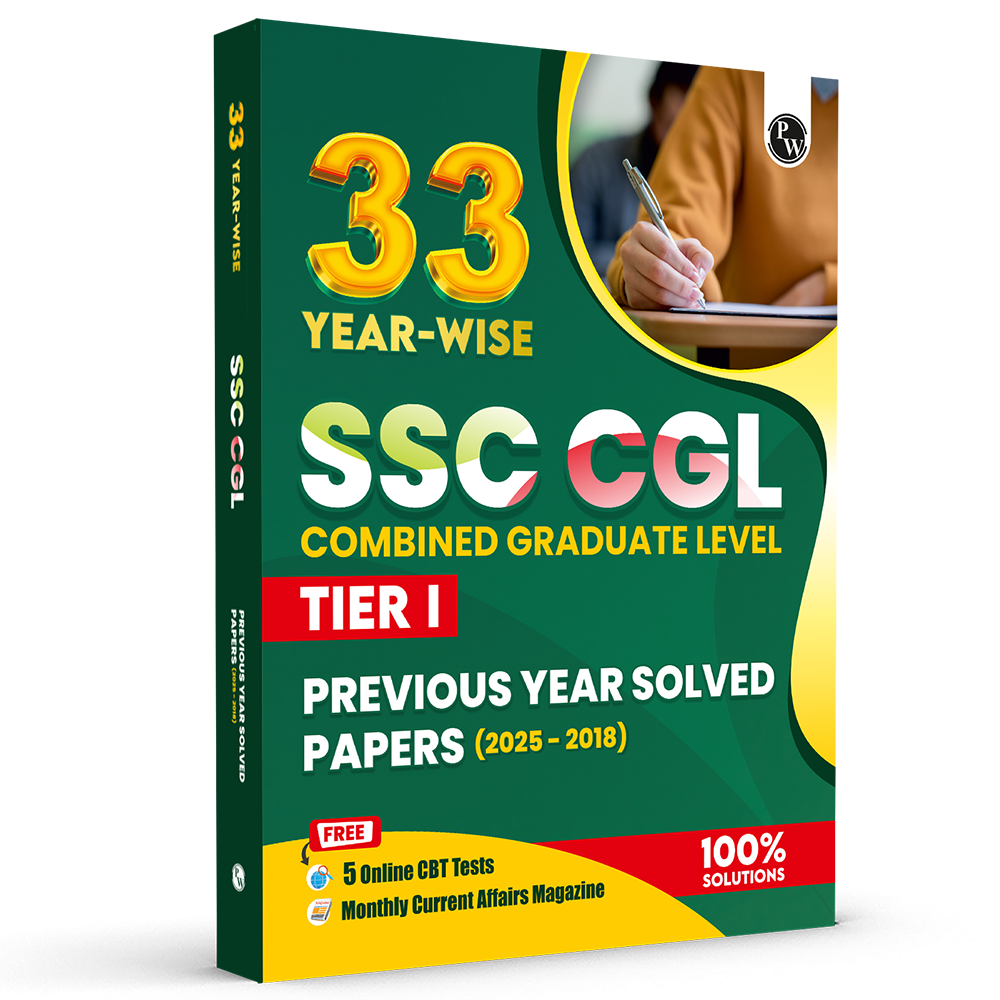
Select Reliable Resources: Use books containing 33 Year-Wise Tier 1 Solved Papers (2018 to 2025) featuring authentic questions, trend analysis, and step-by-step solutions.
-
Do Not Mind the Initial Marks: Ignore total test scores during the mid-preparation stage. Focus only on accuracy rates within completed topics.
-
Cross-Reference Explanations: When you hit a roadblock, read detailed explanations to learn alternative, faster solving techniques.
-
Integrate Mock Tests Gradually: Combine offline past paper books with 5 online practice tests to get comfortable with computer-based test formats.
Common Mistakes to Avoid While Solving SSC CGL PYQs Early
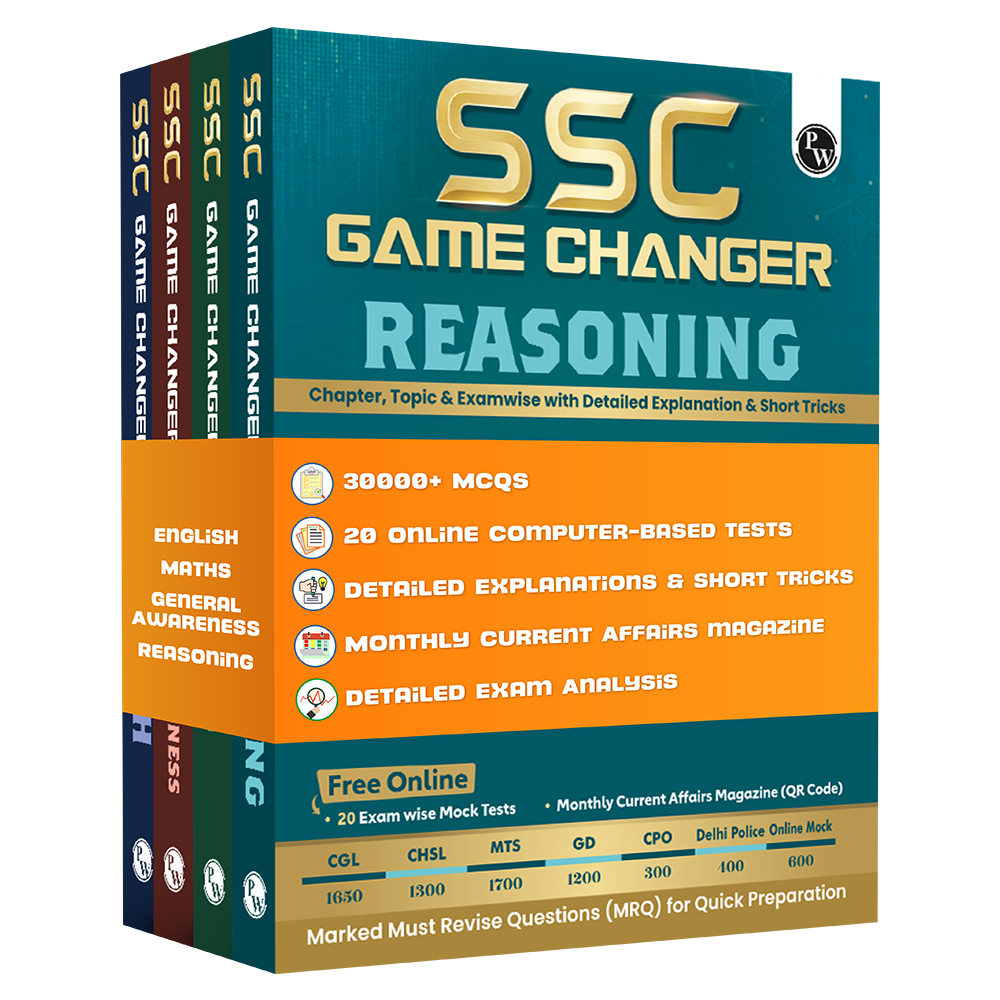
Many candidates misuse past papers during the mid-preparation phase, which harms their confidence and efficiency. Using the SSC Game Changer Combo of 4 Books effectively can help candidates avoid these frequent pitfalls:
-
Attempting Full Papers Too Early: Forcing yourself through a full 100-question timed test with only 30% syllabus coverage leads to low scores and unnecessary stress.
-
Skipping Solution Analysis: Simply checking whether an answer is correct without reading the step-by-step explanation misses valuable conceptual insights.
-
Ignoring SSC CGL previous year questions in General Awareness: Assuming static GS questions change completely every year is a mistake; core history, geography, and polity patterns repeat consistently.
-
Relying Solely on Memory: Memorizing specific question answers without understanding the underlying formula or rule prevents you from solving modified variations in the actual exam.
Practice Sheet for SSC CGL PYQs
Use this structured daily log to track your accuracy and progress across various sections while completing your syllabus:
|
Date |
Subject / Chapter |
Questions Attempted |
Correct Answers |
Accuracy Rate (%) |
Key Mistakes Identified |
|
Day 1 |
Quantitative Aptitude (Percentage) |
25 |
20 |
80% |
Calculation speed, missed shortcut formula. |
|
Day 2 |
Reasoning (Analogy) |
25 |
22 |
88% |
Overlooked pattern in letter series. |
|
Day 3 |
English (Error Spotting) |
25 |
18 |
72% |
Forgot subject-verb agreement exception rule. |
|
Day 4 |
General Awareness (Polity) |
25 |
19 |
76% |
Confused constitutional article numbers. |
|
Day 5 |
cgl revision (Mixed Weak Topics) |
30 |
24 |
80% |
Time management under timed conditions. |
Read more: SSC CGL Topic Wise Weightage
SSC CGL PYQs FAQs
Can I start solving past papers if my syllabus is only half finished?
Yes, you can start by solving questions topic-wise for completed chapters while using unread topic questions to preview key exam trends.
How many years of past papers should I solve for Tier 1?
Solving solved papers from 2018 to 2025 provides complete exposure to modern exam trends and question patterns.
Should I take timed mock tests with an incomplete syllabus?
It is better to focus on untimed topic-wise sets first. Shift to timed full-length tests once you cover at least 70% to 80% of the syllabus.
How do detailed solutions help in past paper practice?
Detailed step-by-step explanations clarify fundamental concepts, highlight faster solving methods, and correct reasoning errors.
Are online practice tests necessary alongside past paper books?
Yes, combining paper collections with online practice tests helps build stamina for computer-based testing while improving overall time management skills.