SSC Exams Question Practice Tracker for Exam Preparation

Preparing for competitive examinations conducted by the Staff Selection Commission requires regular practice and careful progress tracking. A structured ssc exams question practice routine can help candidates solve more questions, improve accuracy, manage time, and understand their weak areas.
Many candidates spend several hours studying but do not keep a record of what they actually complete. A simple tracker can solve this problem. It can show how many questions were attempted, how many were correct, which topics caused problems, and how much time was used. Along with regular tracking, SSC Books can help candidates practise important topics, strengthen their concepts, and monitor their preparation progress for SSC exams.
Why Is SSC Exams Question Practice Important for Exam Preparation?
Success in Staff Selection Commission exams requires regular question practice. Reading concepts is important, but candidates also need to solve questions and check their performance.
A tracker gives a clear record of this daily work. Many aspirants study extensively but do not know whether their speed and accuracy are actually improving. An ssc question practice tracker can help solve this problem. It allows candidates to record their daily practice and compare their results over time.
When you engage in regular ssc daily question practice without recording your results, it can be difficult to find repeated mistakes. A tracker can show which topics need more attention and which subjects are already improving.
A tracker can also help candidates avoid spending all their study time on one subject. Balanced practice is important because SSC exams include different sections.
-
Measures daily accuracy: Shows whether your correct answers are increasing and your mistakes are reducing.
-
Manages section-wise progress: Helps you divide practice time between Maths, Reasoning, English, and General Awareness.
-
Reduces exam anxiety: Regular timed practice can make the exam process feel more familiar.
-
Finds weak topics: Shows which chapters have a high number of wrong answers.
-
Tracks speed: Helps you compare the time taken for similar sets.
-
Supports revision: Makes it easier to find questions and topics that need another review.
-
Builds regular habits: A daily record can encourage you to continue practising instead of skipping sessions.
How to Set Up an SSC Exams Question Practice Tracker?
Creating an effective tracking system does not require complicated software. A simple spreadsheet, notebook, or table can work well. The most important thing is to update it regularly. The main purpose of an ssc exam question practice tracker is to collect useful information. This information should help you make better study decisions.
You can also add a column for the reason behind each mistake. For example, write “formula mistake,” “calculation error,” “forgot fact,” “did not understand question,” or “took too much time.” This makes the tracker more useful during revision.
A basic tracker can include:
-
Date and Subject: Write the date and the subject you practised.
-
Topic: Mention the exact chapter or topic.
-
Attempt Metrics: Record correct, incorrect, and skipped questions.
-
Time Taken: Note how long you needed to complete the set.
-
Accuracy: Calculate how many questions you answered correctly.
-
Review Notes: Write a short reason for important mistakes.
-
Revision Status: Mark whether the topic needs another revision.
-
Test Score: Add the score when you complete a sectional or full mock test.
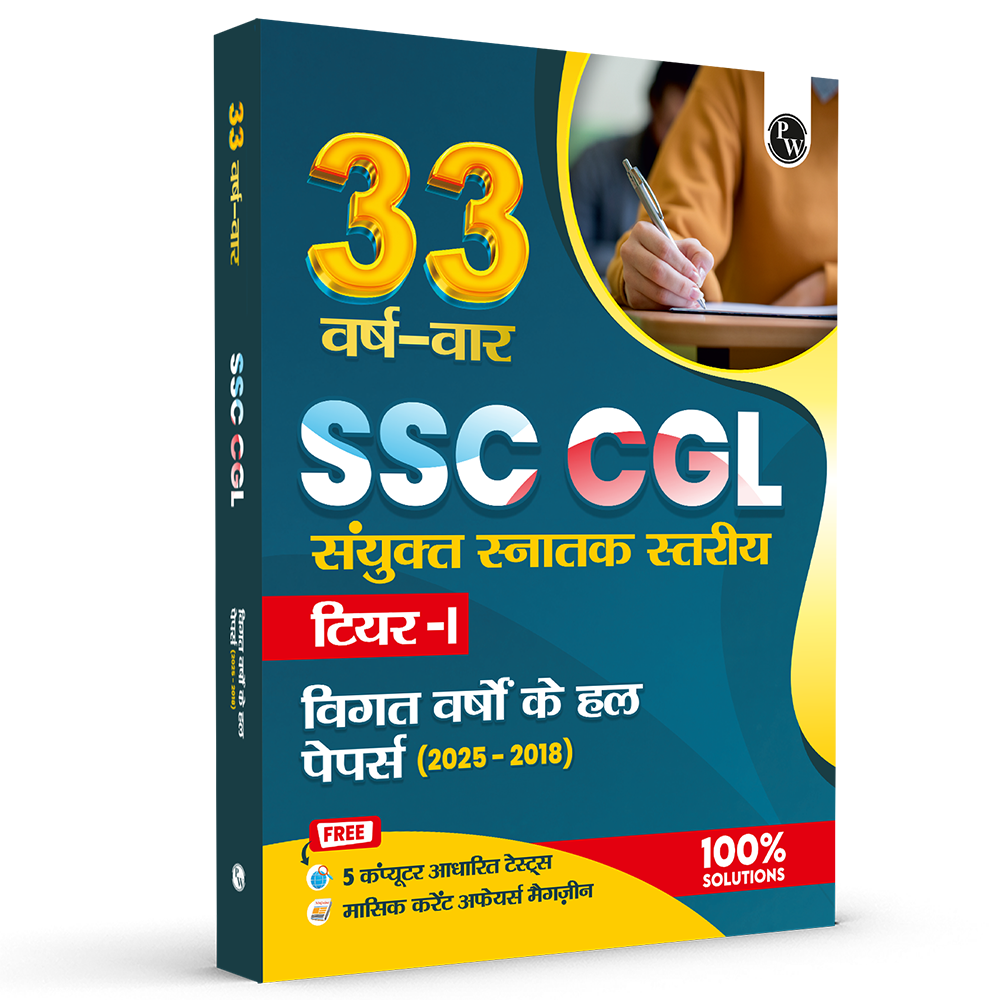
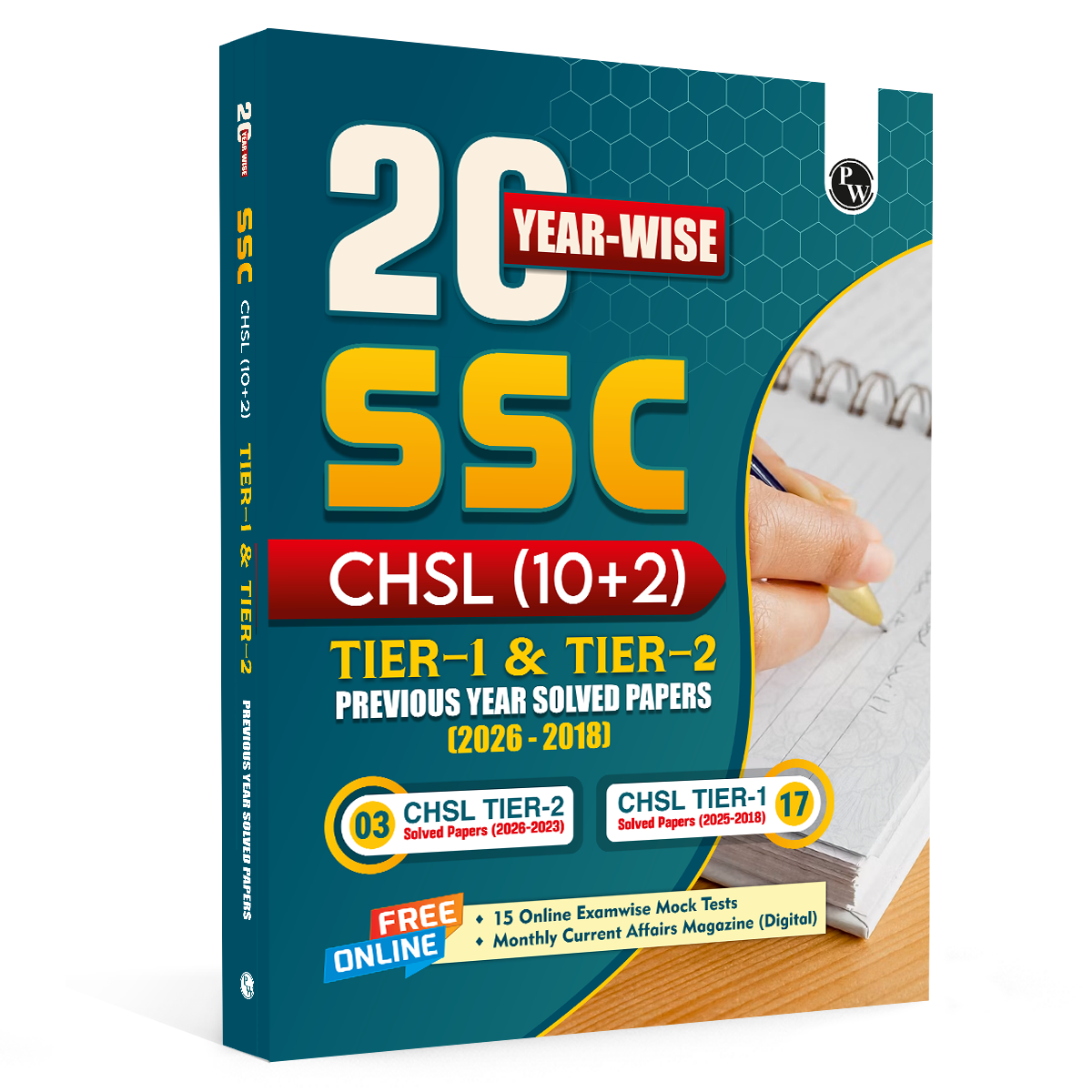
Do not record too much information if it takes away from your study time. A few useful details are enough. Practising SSC Previous Year Papers can help candidates identify important topics, understand exam patterns, and track their accuracy and progress without spending too much time on analysis.
How to do SSC Exams Question Practice With SSC Preparation Books?
A strong SSC study routine needs regular question practice, revision, previous year questions, and tests. A good preparation book can bring these resources together and make daily practice easier. The SSC preparation book described here provides questions and revision material for the main SSC subjects. It can be used along with an ssc question practice tracker to record progress.
-
6800+ SSC PYQs for Practice: Solve questions from General Awareness, Quantitative Aptitude (Maths), English, and Reasoning to practise the main SSC sections.
-
Revise Key Points Quickly: Use short notes with formulas, grammar rules, reasoning methods, shortcuts, and other useful concepts for quick revision.
-
20 Online CBT Practice Sets: Practise the SSC Computer-Based Test (CBT) format and work on speed, accuracy, and time management.
-
QR-Based Monthly Current Affairs: Access monthly Current Affairs through the QR code and keep General Awareness preparation updated.
-
Understand SSC Exam Trends: Study topic-wise question patterns, question distribution, and weightage from major SSC exams to decide where more practice may be useful.
Candidates can use these features at different stages of preparation. For example, PYQs can be used to understand past questions, short notes can be used for revision, and online CBT sets can be used for timed practice.
How to Integrate SSC Exams Question Practice in Your Daily Study Routine?
Consistency is an important part of competitive exam preparation. A fixed ssc daily question practice routine can help candidates practise regularly instead of waiting until the exam is close. Set aside a specific part of the day for solving questions. The exact time can be different for every candidate. Students may have more time during the day, while working candidates may need to practise before or after work. The main goal is to create a routine that you can follow for many weeks.
For example, one session can focus on Maths and Reasoning, while another can focus on English and General Awareness. You can also include a short review session for mistakes made during the day.
-
Fixed time slots: Set aside regular time for question-solving every day.
-
Targeted sets: Start with sectional sets and slowly move towards mixed sets and full papers.
-
Immediate analysis: Review important wrong answers on the same day.
-
Topic rotation: Change subjects during the week so that all sections receive attention.
-
Timed practice: Use a timer while solving selected sets.
-
Mistake review: Revisit common mistakes before starting a new set.
-
Weekly check: Review your tracker at the end of every week.
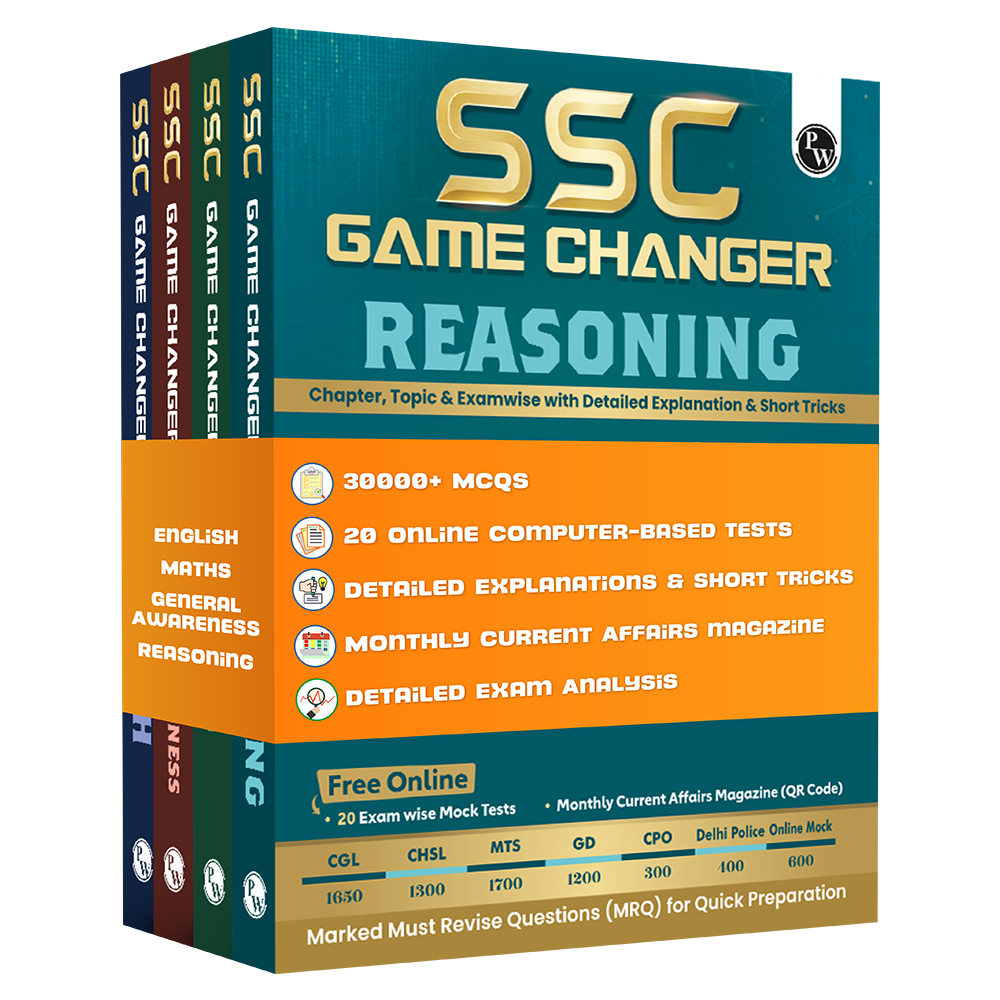
Do not try to solve a very large number of questions just to make your tracker look full. The quality of practice matters more than the number of questions. The SSC Game Changer Combo of 4 Books can help candidates practise important questions, strengthen their concepts, and focus on accuracy rather than simply increasing their question count.
How to Make a Preparation Plan for SSC Exams Question Practice?
An ssc exam preparation plan should include learning, question practice, revision, and testing. Your tracker can connect all these activities and show whether the plan is working. Resources such as the SSC Game Changer 2026 GA Maths Reasoning English Combo provide structured practice material designed around SSC exam preparation. By matching your daily tracker entries with your practice sets, you can get a better idea of your progress.
For example, if your tracker shows that your Maths accuracy is improving but your English score remains low, you can give more practice time to English. If your accuracy is good but your test takes too much time, you can focus on timed practice.
-
Align with syllabus: Match your tracked topics with the official Staff Selection Commission syllabus.
-
Simulate exam conditions: Practise timed sets without distractions.
-
Periodic re-evaluation: Check your tracker every Sunday and set targets for the next week.
-
Focus on weak areas: Give more time to topics where your accuracy is low.
-
Balance all sections: Do not ignore one subject for several weeks.
-
Review test performance: Check both your score and the reasons behind your mistakes.
-
Set realistic targets: Increase your practice slowly as your accuracy improves.
A good plan should be flexible. If a topic takes longer than expected, change your schedule instead of rushing through it.
How to do SSC Exams Question Practice With Previous Year Questions?
Previous year questions can be especially useful because they show the type of questions asked in earlier SSC exams. Add PYQ practice to your tracker just like any other practice set. Write down the year, subject, topic, number of questions, score, and time taken. This can help you see which topics you understand and which ones still need work.
Do not simply mark a question as wrong and move on. Try to find the reason for the mistake.
A wrong answer may happen because:
-
You did not know the concept.
-
You forgot a formula or rule.
-
You made a calculation mistake.
-
You misunderstood the question.
-
You spent too much time on one question.
-
You selected an answer too quickly.
-
You made a guess without enough information.
Knowing the reason is important because each type of mistake needs a different solution.
For example, a formula mistake requires revision, while a time-management problem needs more timed practice. A calculation mistake may require daily calculation exercises.
Check Out: SSC Current affairs Books
How to Review SSC Exams Question Practice Tracker Every Week?
Weekly review is one of the most useful parts of a tracker. Choose one day every week to check your results.
First, look at the total number of questions you solved. Then check your accuracy in each subject. After that, look at the topics where you made the most mistakes.
You can ask yourself simple questions:
-
Which subject improved this week?
-
Which subject needs more practice?
-
Which topic caused the most mistakes?
-
Did my solving speed improve?
-
Did I repeat the same mistake?
-
Did I complete my planned targets?
-
Which topics should I revise next week?
This review can help you make a better plan for the coming week. It also gives you a clear idea of whether your preparation is moving in the right direction.
Do not feel discouraged by a low score in one test. Use the result to find what needs improvement. Progress can take time, especially when you are starting from a basic level.
Read More: English Vocabulary Words for SSC Exam
SSC Exams Question Practice FAQs
What is the benefit of maintaining an SSC exam question practice tracker?
Maintaining an SSC exam question practice tracker helps you record your daily practice and understand your progress. It can show your accuracy, speed, weak topics, and repeated mistakes across different subjects.
It also makes your preparation more organised. Instead of guessing whether you are improving, you can use your practice records to decide what to study next.
How often should I update my ssc question practice tracker?
You should update your ssc question practice tracker after every daily practice session, sectional test, or mock test. Updating it soon after practice makes it easier to remember your mistakes and record the correct time and score.
A weekly review is also useful. It helps you compare your performance and set new targets.
Can an ssc exam question practice log help reduce negative marking?
Yes, an ssc exam question practice log can help you notice repeated mistakes, careless answers, and unnecessary guesses. When you review these errors, you can work on accuracy and make better decisions during tests.
It cannot completely prevent negative marking, but regular review can help reduce avoidable mistakes.
What should be included in an ssc daily question practice routine?
An effective ssc daily question practice routine can include topic-wise questions, sectional sets, timed quizzes, previous year questions, and a short review session.
The routine should also include time for checking wrong answers. Solving questions without reviewing mistakes may not give you a clear idea of what needs improvement.
How does an ssc preparation tracker improve my overall ssc exam preparation plan?
An ssc preparation tracker gives you a simple record of your performance. It can show which subjects and topics need more attention and help you change your ssc exam preparation plan when needed.
For example, if your Reasoning accuracy is high but your Maths accuracy is low, you can give more practice time to Maths. If your scores are good but you take too long to finish tests, you can add more timed practice.
How many questions should I solve every day for SSC exams?
There is no single number that works for every candidate. Beginners should focus on understanding questions and reviewing mistakes rather than trying to reach a very high daily number.
You can start with smaller topic-wise sets and increase the number as your speed and accuracy improve. The most important part is regular practice and proper review.
Should I track mock tests separately from daily question practice?
Yes. Keeping a separate record for mock tests can make your progress easier to understand. Record the total score, section-wise score, time management, wrong answers, and questions that took too much time.