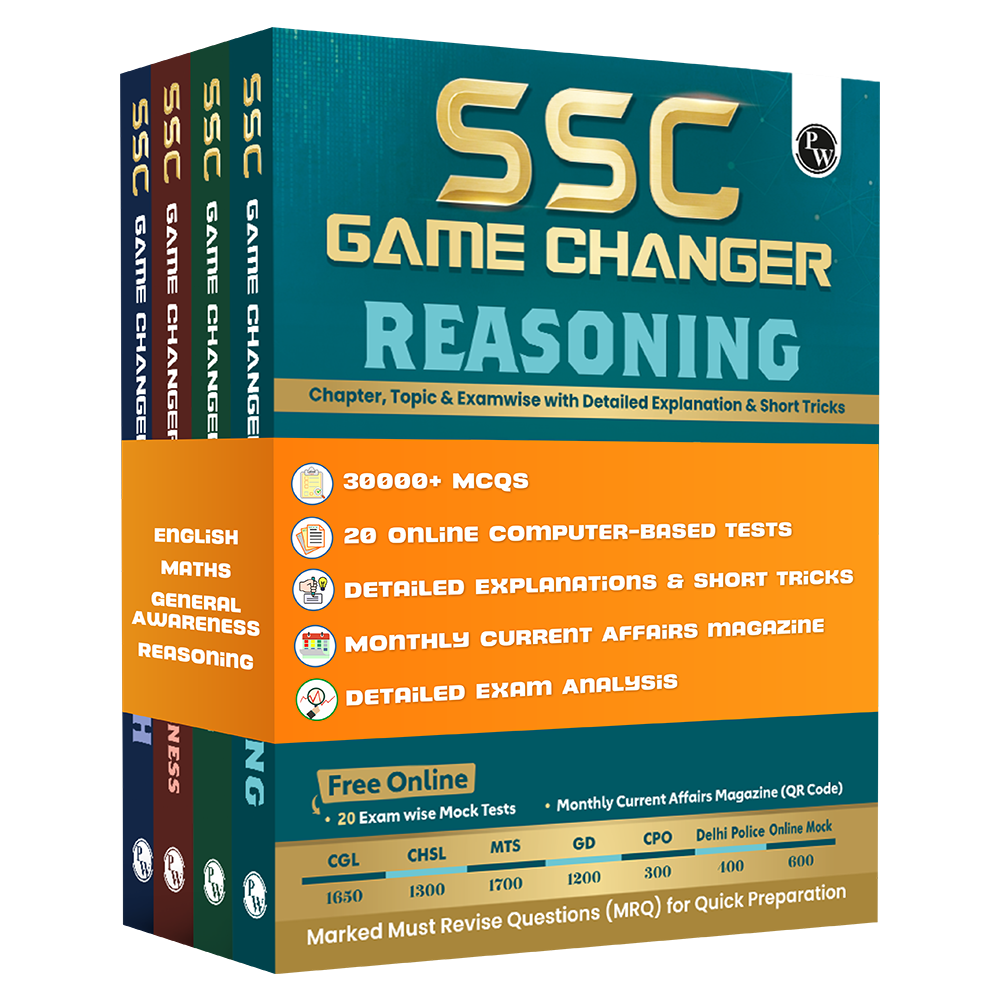
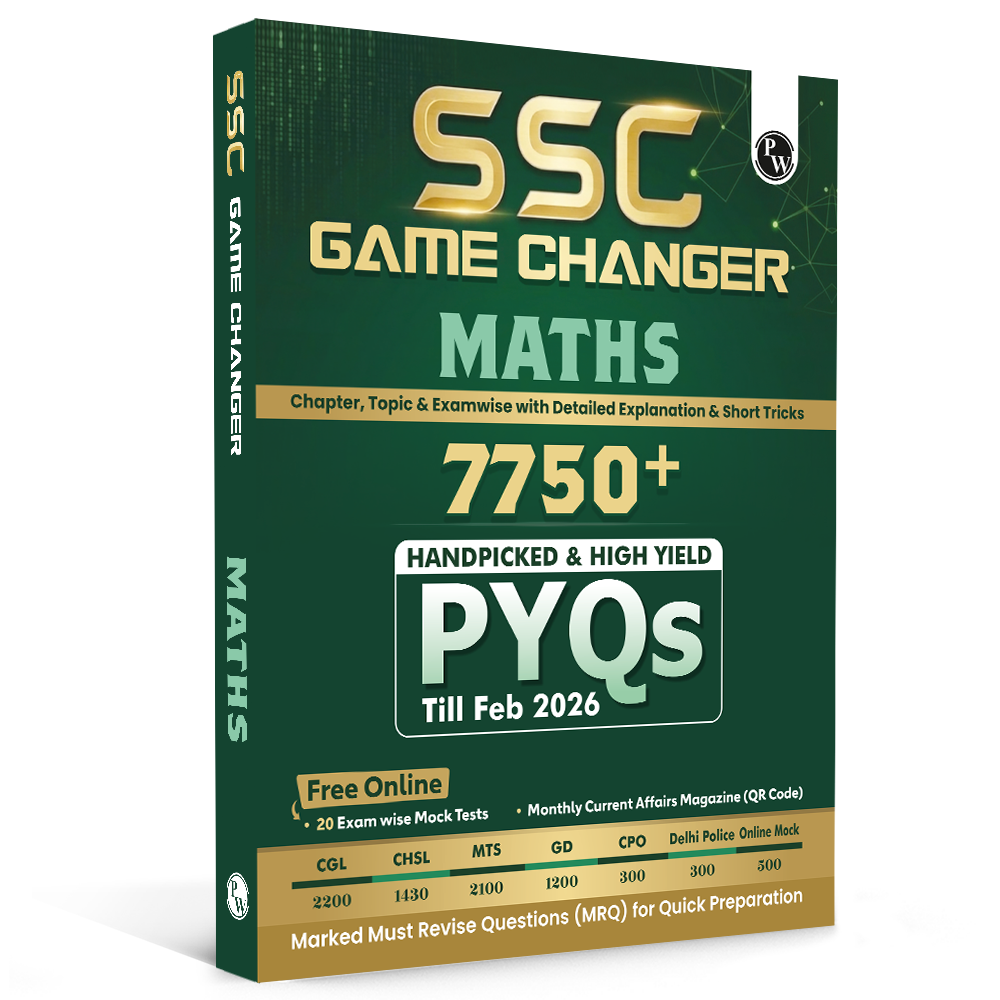
Why Chapter-wise SSC PYQ Books Save Revision Time
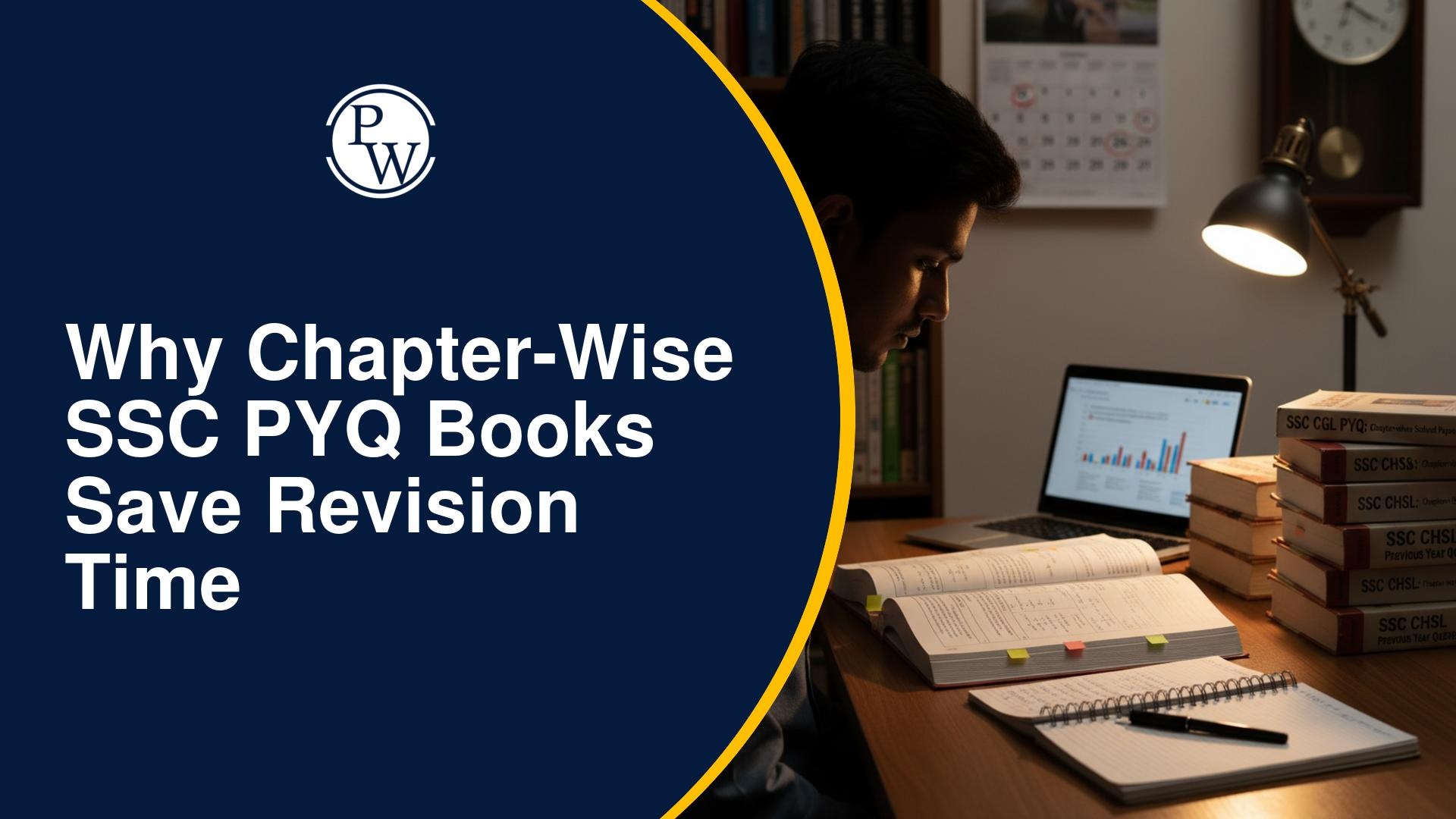
Many aspirants spend hundreds of hours repeatedly reading theory, only to struggle with speed and accuracy during the actual test. The real challenge during the final months of preparation is managing revision time efficiently without missing crucial topics.
Solved SSC previous year papers offer a proven shortcut to understanding exam trends, but unorganized paper sets often lead to chaotic revision. Using a dedicated SSC PYQ collection arranged systematically by chapter allows students to target specific weaknesses, eliminate redundant practice, and drastically shorten their overall study hours.
What is the SSC PYQ?
SSC PYQ refers to the collection of previous year questions asked in SSC exams such as CGL, CHSL, MTS, CPO, GD, Stenographer, and Selection Posts. These questions help candidates understand the latest exam pattern, frequently asked topics, question difficulty, and marking trends.
Practicing PYQ improves conceptual clarity, speed, accuracy, and time management while helping aspirants identify their strengths and weak areas. A chapter-wise PYQ book further simplifies preparation by organizing questions topic-wise, making revision faster, more focused, and aligned with the actual SSC examination pattern.
Key Features of SSC PYQ Book
Not all previous year question resources offer the same value. To maximize efficiency during revision, an ideal ssc revision book must incorporate specific structural elements that simplify learning.
SSC PYQ Book Features
│
┌─────────────────────────┬────────┴────────┬─────────────────────────┐
▼ ▼ ▼ ▼
Chapter-wise & Detailed & Step- Updated Exam Trend Analysis &
Topic-wise Layout by-Step Solutions Coverage Weightage Charts
The table below highlights the essential features every aspirant should look for in a reliable ssc previous year questions resource:
|
Feature |
Importance in Revision |
Impact on Study Efficiency |
|
Topic-wise Segregation |
Groups questions by difficulty and sub-topic within each chapter. |
Prevents repetitive practice of already mastered concepts. |
|
Detailed Step-by-Step Solutions |
Explains the 'why' behind answers, including short methods. |
Saves time spent searching for explanations online or in textbooks. |
|
Trend Analysis & Weightage Charts |
Shows the frequency of questions from each chapter over recent years. |
Helps prioritize high-weightage topics over low-yield ones. |
|
Updated Exam Coverage |
Includes questions from recent CGL, CHSL, CPO, and MTS exams. |
Ensures familiarity with current exam difficulty and question styles. |
A resource that combines these features helps students transition smoothly from basic concept learning to high-speed problem-solving.
Why Use Chapter-wise SSC PYQ?
Traditional mock tests and set-wise previous year papers force students to jump between unrelated topics constantly. One question might cover trigonometry, while the next tests percentage or geometry. This random shifting breaks focus and makes it difficult to assess mastery over a specific concept.
A structured SSC PYQ book solves this problem by grouping questions by subject and topic. When students practice topic by topic, they gain several distinct advantages:
-
Targeted Weakness Identification: If a student struggles with syllogisms or algebra, they can solve fifty consecutive questions on that topic rather than waiting for them to appear randomly across multiple mock tests.
-
Faster Pattern Recognition: SSC frequently repeats core question formats and concepts. Solving similar questions back-to-back helps aspirants spot recurring patterns, underlying formulas, and common tricks much faster.
-
Reduced Context Switching: Focusing on one topic at a time reduces cognitive fatigue, allowing students to complete more questions in a single study session.
-
Efficient Error Tracking: Students can easily mark difficult questions within a specific chapter and revisit only those flagged items during final revision passes.
By eliminating time spent searching for specific question types across various test papers, a chapter-wise approach optimizes study hours and ensures balanced coverage of the entire syllabus.
Chapter-wise vs Set-wise SSC PYQ
Choosing between chapter-wise compilations and full-length year-wise paper sets depends heavily on the stage of preparation. While full sets are useful for final exam-style testing, chapter-wise books are far superior during the primary revision phase.
Preparation Timeline & Tool Selection
│
┌─────────────────────┴─────────────────────┐
▼ ▼
Concept & Revision Phase Final Exam Phase
│ │
▼ ▼
Chapter-wise SSC PYQ Full-Length Mock Sets
(Builds Speed & Accuracy) (Builds Stamina & Time)
Here is how the two approaches compare across critical revision parameters:
-
Chapter-wise SSC PYQs: Focuses deeply on one subject area at a time, reinforcing formulas, grammar rules, and shortcut techniques through repetition.
-
Set-wise Past Papers: Mixes multiple subjects and topics together, making it difficult to build momentum on a single weak concept.
-
Chapter-wise SSC PYQs: Enables rapid identification of strong and weak chapters, allowing students to skip mastered sections and spend time only where needed.
-
Set-wise Past Papers: Requires solving entire papers, which often wastes time on easy questions that do not require further practice.
-
Chapter-wise SSC PYQs: Provides clear visual feedback on topic accuracy. A student knows instantly if they scored 80% in Profit & Loss versus 40% in Time & Work.
-
Set-wise Past Papers: Offers an overall score but masks specific topic weaknesses, making targeted improvement harder.
For overall SSC exam preparation, starting with chapter-wise sets builds foundational accuracy and speed, leaving full-length mock papers for the final time-management phase.
How to Use SSC PYQ Effectively?
Simply owning a compilation of past papers is not enough; using it strategically determines the final score. Following a disciplined, step-by-step revision routine ensures maximum retention and minimal wasted effort.
1. Analyze Chapter Weightage Before Starting: Focus on high-yield topics first.
Review the trend analysis chart at the beginning of the SSC books to identify which chapters carry the highest marks in recent exams. Prioritize these chapters during your primary revision cycle to secure easy marks early.
2. Solve Questions Without Looking at Solutions: Test true recall under timed conditions.
Attempt a batch of 20 to 30 questions from a single chapter using a timer. Avoid checking answer keys immediately after each question, as this interrupts focus and builds false confidence.
3. Categorize Errors into Three Clear Buckets: Identify the root cause of mistakes.
After checking your answers, mark every wrong attempt as either a conceptual mistake, a calculation error, or a reading mistake. This breakdown reveals whether you need to re-read theory or simply slow down during calculations.
4. Bookmark Difficult Questions for Final Review: Build a personalized short list for exam week.
Highlight or circle questions that took longer than 90 seconds or required checking the solution. During the final week before the exam, review only these bookmarked questions instead of re-solving the entire book.
Read More: How to Start Preparation for SSC Exam?
SSC PYQ FAQs
Why is practicing PYQ essential for success?
Practicing past papers helps aspirants understand recurring exam patterns, question difficulty levels, and time constraints. It builds familiarity with standard question formats and highlights high-weightage topics.
How does a chapter-wise PYQ book differ from full mock tests?
A chapter-wise compilation organizes questions by subject and topic, allowing targeted practice on specific concepts. Full mock tests combine all topics randomly to simulate real exam conditions and test overall time management.
Should beginners start directly with SSC previous year questions?
Beginners should first cover basic concepts and theory for a topic before solving past questions. Once fundamental concepts are clear, practicing past questions solidifies learning and improves problem-solving speed.
How many years of past papers are sufficient for SSC exam preparation?
Solving past questions from the last 4 to 5 years is generally sufficient, as exam patterns and conducting agencies occasionally update question styles and difficulty levels.
How many times should a student revise an SSC revision book before the exam?
Students should ideally complete at least two full passes of the book. The first pass covers all questions, while subsequent passes focus strictly on bookmarked, difficult, or incorrectly answered items.