What Makes Topic-Wise SSC Maths PYQ Practice Useful for Revision
Middle-of-the-term revision often brings unexpected pressure. Facing hundreds of formulas across geometry, algebra, and arithmetic can leave anyone feeling stuck and unsure where to start. When you are balancing daily study hours with endless practice tests, jumping randomly between topics usually leads to confusion rather than clarity.
Working through SSC Maths PYQ sets divided by individual topics brings order back to your routine. Instead of guessing which areas need work, focusing on one subject area at a time helps you measure your understanding, fix recurring errors, and build steady speed.
This article breaks down how topic-focused revision works and how to use it for maximum impact.
What Is SSC Maths PYQ?
Topic-focused SSC Maths PYQ practice is the process of solving authentic past examination questions that have been sorted into distinct chapters and sub-topics. Instead of attempting full-length mixed papers right away, aspirants work through dedicated question banks targeting one specific module at a time.
-
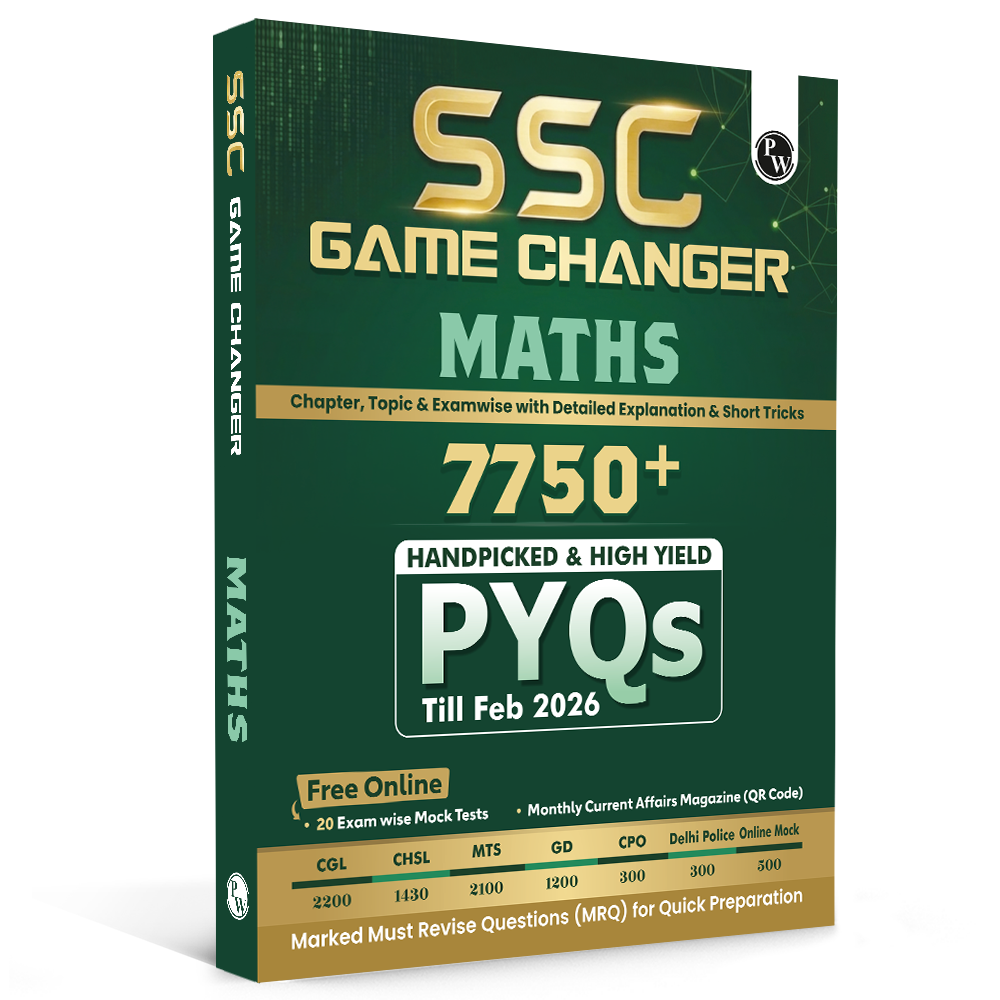
Extensive MCQ Collections: Large repositories containing 7750+ MCQs strictly aligned with the latest exam pattern cover the complete syllabus without missing key concepts.
-
Quick Revision Notes: Short tricks, core formulas, and key concepts summarized before each chapter ensure fast, effective pre-practice reviews.
-
Online CBT Practice Sets: Real computer-based SSC exam simulation tests build confidence and familiarise candidates with the online interface.
-
Detailed Exam Analysis: Insights showing topic-wise trends and weightage mapping help candidates focus on high-yield sections.
-
Explanations and Topper Guidance: Step-by-step solutions paired with topper tips and tricks teach efficient problem-solving methods.
How to Use SSC Maths PYQ Practice in Daily Revision?
Using SSC Maths PYQ practice effectively requires a deliberate, step-by-step methodology rather than solving problems randomly without analysis.
Step 1: Review Chapter Formulas First
Before opening any question set, read the quick revision notes provided at the start of the chapter. Brush up on essential identity rules, shortcut tricks, and core concepts.
Step 2: Attempt Chapter Questions in Timed Blocks
Select a set of SSC maths previous year questions and set a strict timer. Solve them without looking at solution keys to mirror actual exam pressure.
Step 3: Analyze Step-by-Step Solutions
Review every attempted question, especially those marked wrong or skipped. Read detailed explanations to understand alternative, shorter approaches used by top scorers.
Step 4: Take Computer-Based Tests
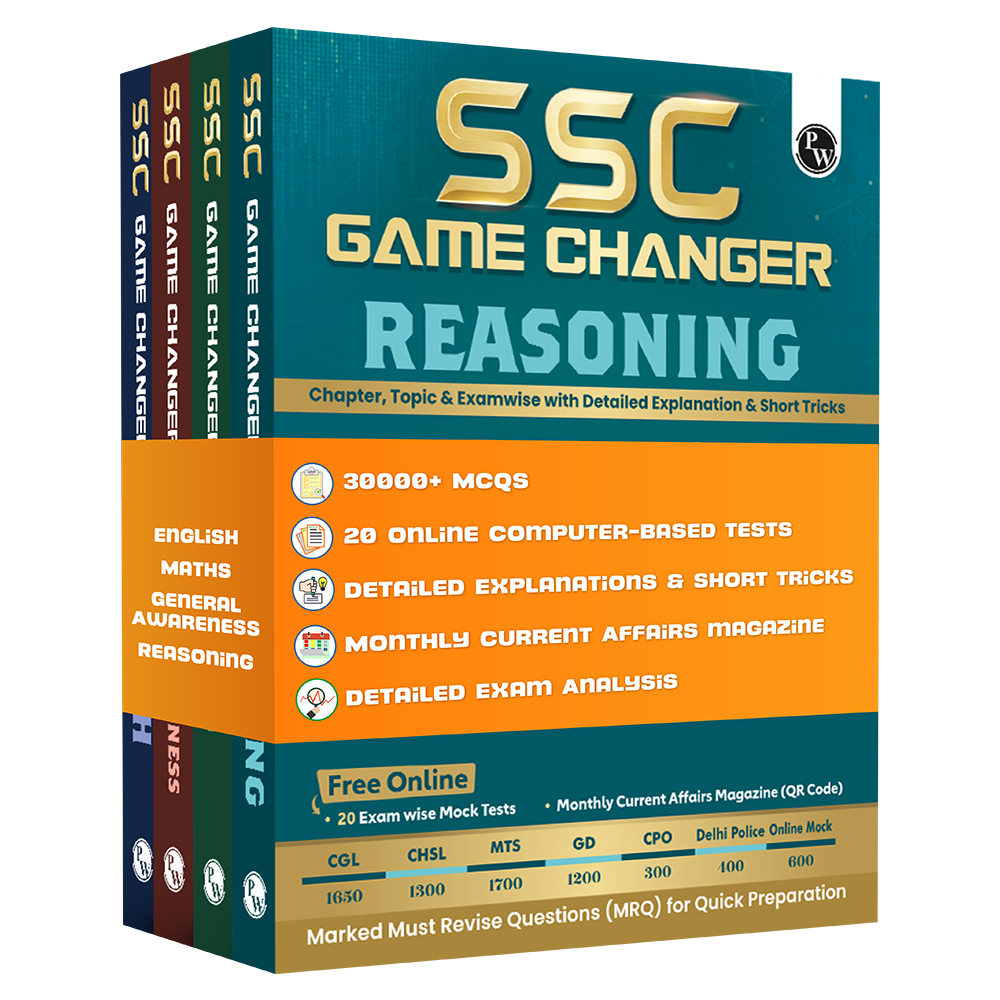
Transfer your offline learning to digital screens by taking 20 online CBT practice sets. This builds screen stamina and sharpens navigation habits under real test conditions.
Strategic Timing for SSC Maths PYQ Practice
Knowing when to apply topic-wise maths practice with SSC Previous Year Papers determines how well you retain complex mathematical strategies through the mid-term phase.
|
Mid-Term Revision Stage |
Primary Learning Goal |
Practical Action Step |
|
Immediate Post-Concept Review |
Initial Application |
Solve 40–50 topic questions right after finishing a chapter. |
|
Mid-Term Progress Check |
Retention Testing |
Use dedicated ssc maths revision sets to test multi-chapter recall. |
|
Pre-Mock Phase |
Speed Calibration |
Work on timed topic batches before starting full-length mock tests. |
|
Final Review Week |
Error Elimination |
Re-attempt high-weightage topics using trend analysis insights. |
Benefits of Topic-Wise SSC Maths PYQ Practice in Revision
When mid-term exams approach, continuing with traditional textbook reading yields diminishing returns. Switching your strategy to SSC Maths topic-wise questions changes passive studying into active retrieval practice.
-
Immediate Focus on Specific Weaknesses
Working through random mixed questions makes it difficult to trace why an answer went wrong. By sticking to one chapter, you immediately see whether errors come from calculation mistakes or missing fundamental concepts.
-
Clear Understanding of Weightage Trends
Not all chapters carry equal weight in competitive tests. Examining past paper sets reveals exact topic-wise trends across major SSC exams like CGL, CHSL, and GD, helping you allocate study time wisely.
-
Building Speed and Accuracy
Solving repetitive question structures sharpens your calculation techniques. Over time, working through authentic SSC Maths PYQs reduces solving time per question while keeping error rates low.
Study Strategy Plan Using SSC Maths PYQ Resources
A clear weekly plan using SSC Books keeps your daily preparation balanced and prevents mid-term burnout.
Week 1: Arithmetic Core Focus
-
Day 1 to Day 3: Read quick revision notes for Percentage and Ratio topics. Solve 100 chapter-specific MCQs.
-
Day 4 to Day 6: Practice Profit and Loss and Interest questions. Analyze all incorrect attempts using step-by-step solutions.
-
Day 7: Take the first online CBT practice test to evaluate your weekly progress.
Week 2: Advanced Mathematics Focus
-
Day 8 to Day 10: Cover Algebra identities and short tricks. Work through past year sets while tracking calculation speed.
-
Day 11 to Day 13: Focus on Geometry and Mensuration formulas. Use topic-wise weightage analysis to prioritize high-frequency problem types.
-
Day 14: Complete your second online CBT practice set under timed conditions.
Week 3: Mixed Chapter Practice and Analysis
-
Day 15 to Day 18: Solve multi-topic batches combining Arithmetic and Advanced topics.
-
Day 19 to Day 20: Attempt 3 online CBT tests to build familiarity with digital exam interfaces.
-
Day 21: Review your overall error notebook and re-solve flagged questions.
Week 4: Final Speed and Accuracy Tuning
-
Day 22 to Day 25: Solve remaining CBT practice sets from the collection of 20 online tests.
-
Day 26 to Day 28: Focus exclusively on topper guidance tips, shortcut reviews, and high-weightage chapter summaries.
Common Mistakes to Avoid in SSC Maths PYQ Practice
Steer clear of these common preparation mistakes during mid-term revision to keep your progress on track.
-
Ignoring Detailed Solutions: Merely checking answer keys without studying the step-by-step explanations prevents you from discovering faster calculation methods.
-
Studying Paper Books Exclusively: Relying only on physical pages without attempting online CBT sets leaves you unprepared for real computer-based exam conditions.
-
Avoiding Hard Chapters: Focusing solely on comfortable topics gives a false sense of security while leaving major scoring gaps in your preparation.
-
Overlooking Formula Summaries: Skipping initial quick notes often leads to using long-winded manual calculations instead of efficient short tricks.
Read More: SSC Maths Syllabus and Important Topics
SSC Maths PYQ FAQs
How many daily questions should I solve during SSC Maths PYQ practice?
Attempting 50 to 80 past paper questions daily ensures consistent progress, steady speed improvements, and strong conceptual clarity.
Why is topic-wise revision recommended before full-length mocks?
Topic-focused practice isolates individual chapter weaknesses, enabling targeted fixes before full mixed mocks evaluate overall exam stamina.
What features make a past question bank complete for SSC exams?
A complete resource includes 7750+ MCQs, formula revision notes, online CBT sets, topic weightage mapping, and detailed solutions.
How do online CBT practice sets improve performance?
Online CBT sets replicate actual computer-based test interfaces, helping aspirants manage time constraints and screen navigation smoothly.
How do quick revision notes help in mid-term preparation?
Quick revision notes summarize core formulas, short tricks, and key identities into concise reference sheets for fast pre-session reviews.