How to Use SSC CHSL PYQs to Decide Which Topics Need More Revision

Midway through the syllabus, many candidates hit a plateau where standard reading no longer yields higher mock scores. Staring at lengthy section summaries often creates a false sense of security, leaving test-takers unsure of where their real conceptual gaps lie.
When time is limited, guessing which chapters need another pass leads to wasted hours on comfortable topics while critical weaknesses remain untouched. Solving authentic past papers offers clear evidence of where speed and accuracy lag.
By learning how to systematically analyze performance on past items, you can transform past SSC CHSL PYQs into a diagnostic tool that clearly signals which subjects require immediate focus.
Overview of SSC CHSL PYQs
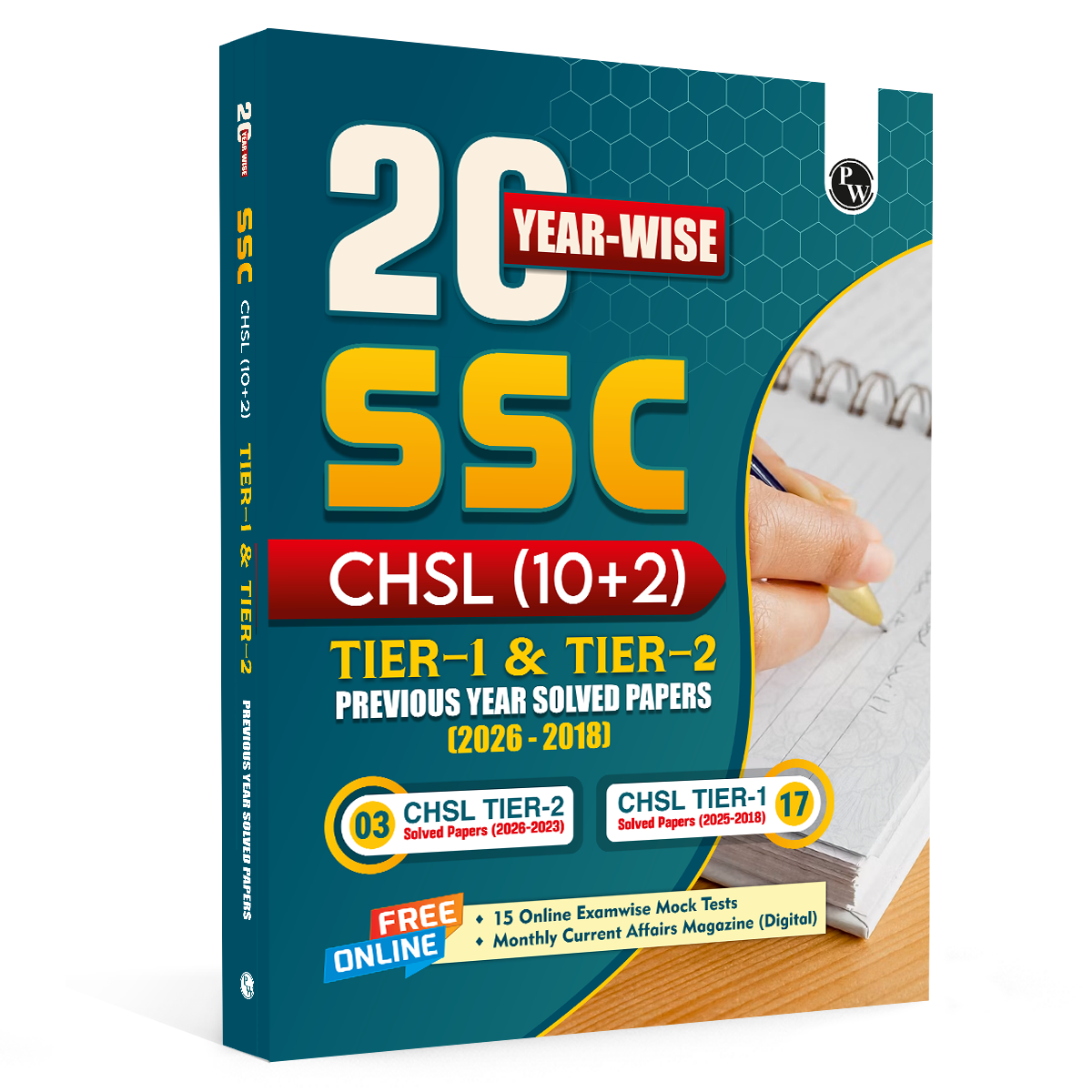
Previous years' papers serve as a primary benchmark for understanding test design, question formats, and difficulty levels across Tier 1 and Tier 2 exams. Working through authentic questions exposes students to the exact balance of General Awareness, Quantitative Aptitude, General Intelligence & Reasoning, and English Language & Comprehension.
-
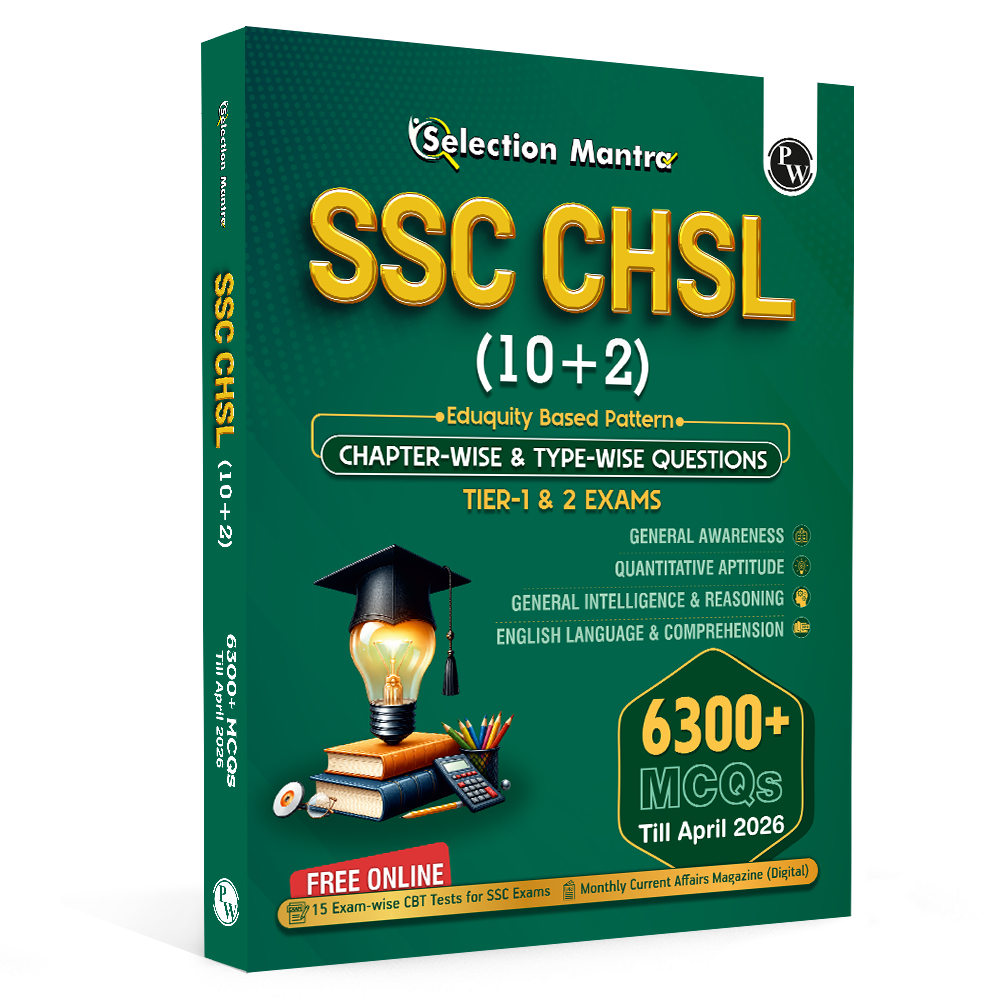
Authentic Exposure: Practicing with over 6300+ authentic previous years' questions up to recent cycles gives a realistic view of how concepts are framed.
-
Structured Solutions: Reviewing step-by-step explanations helps clarify why a specific option is correct and where logic typically breaks down.
-
Concept Refinement: Combining concept-focused theory with authentic past items ensures that study sessions target actual testing patterns rather than general reading.
How Do SSC CHSL PYQs Help You Find Weak Topics?
Solving questions without checking performance leaves candidates blind to recurring patterns of error. A structured Selection Mantra SSC CHSL PYQ analysis highlights recurring mistake patterns, enabling students to address structural weaknesses early.
|
Error Category |
Indicators in Past Papers |
Action Required |
|
Conceptual Gaps |
Repeatedly picking wrong options in fundamental theory items |
Review concept-focused theory and step-by-step solutions |
|
Speed & Accuracy |
Spending excessive time per item or rushing into avoidable slips |
Engage in targeted ssc chsl practice using timed sets |
|
Trend Blindness |
Struggling with newly introduced or shifted question variations |
Study updated paper trends covering Tier 1 and Tier 2 |
Analyzing responses across multiple shifts reveals whether mistakes stem from poor memory, slow calculations, or flawed logic.
How to Use SSC CHSL PYQs to Decide Which Topics Need More Revision?
Identifying weak areas requires a systematic breakdown of past performance. Using an authentic SSC CHSL PYQs set as a diagnostic gauge ensures that subsequent review remains objective and data-driven.
-
Attempt Full-Length or Chapter Sets Under Timed Conditions: Work through a set of past items without checking answers mid-way to maintain realistic exam pressure.
-
Log Every Incorrect and Unattempted Item: Record the specific topic, question type, and reason for failure (e.g., forgotten formula, misread option, or lack of time).
-
Calculate Accuracy Percentages Per Chapter: Categorize performance by topic. Any chapter with accuracy below 70% requires immediate SSC CHSL PYQs revision.
-
Cross-Check with Step-by-Step Solutions: Compare your solving method against detailed explanations to identify inefficient steps or conceptual shortcuts missed during the attempt.
When to Use SSC CHSL PYQs for Topic-Wise Revision?
Timing is critical when integrating past papers into your study routine. Attempting full papers too early can feel overwhelming, while leaving them for the final days limits time to correct identified errors.
-
Mid-Syllabus Phase: Use chapter-wise questions to test understanding immediately after finishing a topic.
-
Post-Syllabus Completion: Solve full-length previous papers to spot overarching trends and flag chapters needing structured SSC CHSL revision.
-
Pre-Exam Phase: Focus on high-yield past items to maintain speed and refine test-taking strategies.
Using past papers consistently throughout these phases ensures that SSC CHSL weak topics are identified and remediated long before exam day.
Study Strategy Plan with SSC CHSL PYQs for Weak Topics
A structured routine helps bridge the gap between identifying a weak chapter and improving performance. Integrating guided practice with SSC Books and targeted reviews creates a reliable loop for steady progress.
-
Day 1–2: Diagnostic Testing: Attempt a block of past items across Quantitative Aptitude and Reasoning to establish baseline accuracy.
-
Day 3: Deep Review: Analyze wrong answers using detailed explanations and note fundamental formulas or grammar rules.
-
Day 4–5: Focused Study: Revisit core notes and concept-focused theory for identified weak chapters.
-
Day 6: Re-Testing: Solve a fresh set of previous items for those specific chapters to measure improvement.
-
Day 7: Full Integration: Take online practice tests to evaluate how newly revised topics hold up in a complete section.
Tips to Use SSC CHSL PYQs for Better Revision
To gain maximum value from past paper practice, move beyond simple answer-checking. Focus on understanding the logic behind every question type.
-
Group Questions by Type: Organize past items by sub-topic rather than solving them randomly to notice subtle variations in phrasing.
-
Review Explanations for Correct Items: Check if the provided step-by-step solutions offer faster or simpler solving methods than the one used.
-
Track Time Per Question: Identify chapters that take too long to solve, even if the final answers are correct.
-
Use Topper's Guidance: Apply recommended shortcuts and structured methodologies to reduce solving time on complex items.
Practice Tips for SSC CHSL PYQs and Weak Topics
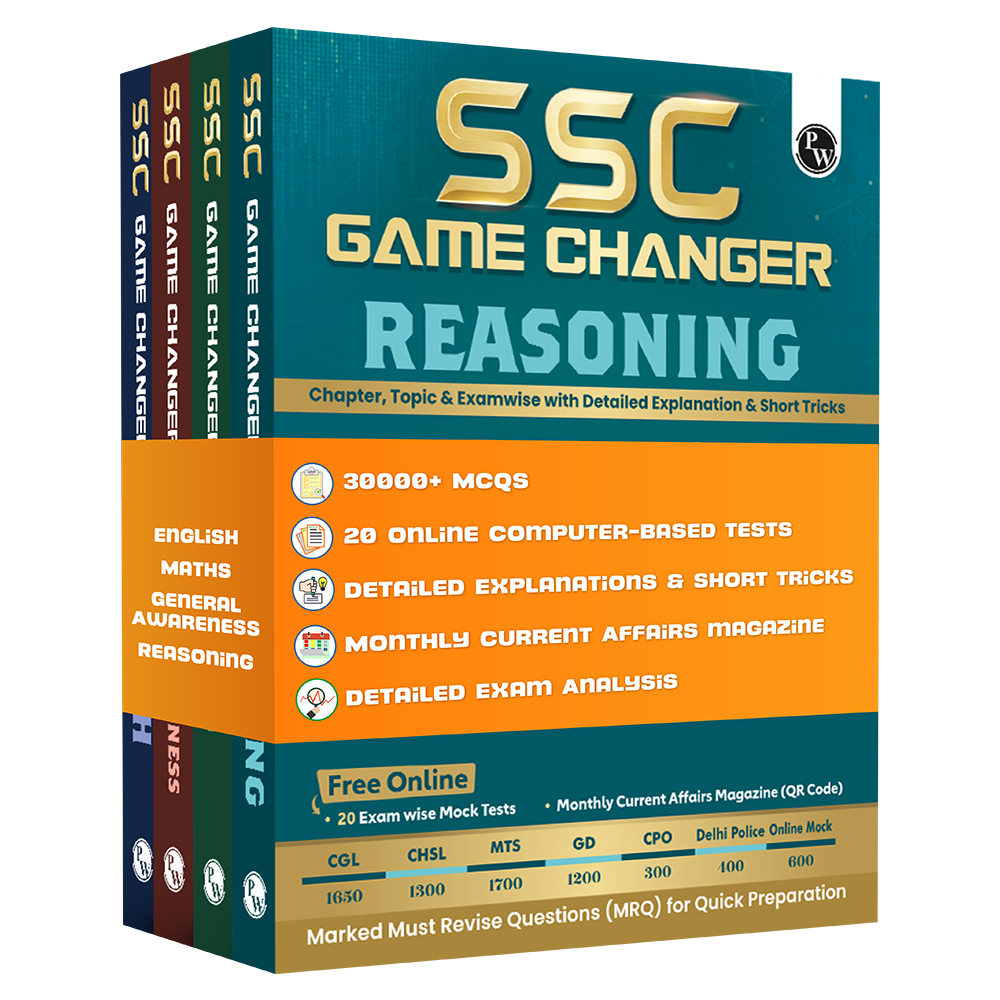
Use the SSC Game Changer Combo of 4 Books with this daily checklist to maintain structured, diagnostic revision sessions:
-
Attempt 25–30 chapter-wise previous year questions under timed conditions.
-
Highlight every item that took longer than 60 seconds to complete.
-
Categorize all incorrect attempts into conceptual, calculation, or reading errors.
-
Study step-by-step solutions for every missed item.
-
Update your central error notebook with forgotten formulas or concepts.
-
Schedule a re-test for identified weak chapters within 7 days.
Common Mistakes to Avoid While Using SSC CHSL PYQs
Many candidates waste effort on past papers by treating them merely as casual practice worksheets rather than diagnostic tools. Avoid these common traps:
-
Ignoring the Solutions: Skipping detailed explanations for correctly answered questions misses opportunities to learn faster techniques.
-
Failing to Re-Attempt Missed Items: Moving on to new sets without re-solving incorrect questions prevents real progress.
-
Focusing Solely on Strengths: Repeatedly practicing comfortable topics while avoiding challenging chapters leads to stagnant overall scores.
-
Neglecting Timed Conditions: Solving questions without time constraints builds a false sense of confidence that fails under exam pressure.
Read More: SSC CHSL Posts, Job Profile, Salary Structure
SSC CHSL PYQs FAQs
How many previous year questions should I solve daily for Tier 1?
Solving 50 to 100 past items daily across different subjects helps build speed and identifies weak topics effectively.
Can past papers help improve accuracy in quantitative aptitude?
Yes, analyzing step-by-step solutions for past quantitative items highlights calculation shortcuts and reduces recurring errors.
When should I transition from chapter-wise past items to full mock tests?
Shift to full mock tests once you achieve consistent accuracy on individual chapter sets and complete the core syllabus.
Are tier 2 exam questions different in structure from tier 1 items?
Tier 2 items often test deeper concept application, making it essential to review updated past paper patterns for both tiers.
How do I know if a topic requires thorough re-studying?
If your accuracy on past questions for a specific chapter falls below 70%, dedicate time to revising fundamental theory.