Why Consistent Monthly Reading Beats Last-Minute Current Affairs Revision

Many civil services aspirants make the mistake of keeping the massive dynamic syllabus for the last weeks before the exam. This strategy often results in panic and poor memory retention. Knowing the benefits of reading regular UPSC monthly current affairs rather than last minute preparation will change your daily study routine and help you get better marks in the exam.
Why You Should Avoid Last Minute UPSC Monthly Current Affairs Revision
Trying to memorise a whole year of news in a few days creates massive cognitive overload. Your brain cannot process thousands of complex socio-economic and political events effectively under extreme time pressure.
-
Information Overload: Attempting to digest twelve months of data at once reduces your conceptual clarity.
-
Poor Analytical Skill: The civil services exam requires deep analysis, which you cannot develop through rushed reading.
-
High Stress Levels: Rushing through topics right before the exam causes unnecessary anxiety, affecting your performance on the big day.
How UPSC Monthly Current Affairs Improve Your Preparation
Adopting a steady strategy ensures that you break down the massive syllabus into manageable pieces. Focusing on regular updates helps you connect daily events with the core static subjects.
Better Memory Retention
Human memory works best when information is processed in smaller batches. By studying current affairs consistently, you give your brain the time to store information in its long-term memory. Regular weekly updates prevent the need for stressful cramming later on.
Deeper Conceptual Understanding
Major national and international issues develop over several weeks. Reading current affairs allows you to track these changes step by step, giving you a complete view of the background, current status, and future implications of every major news story.
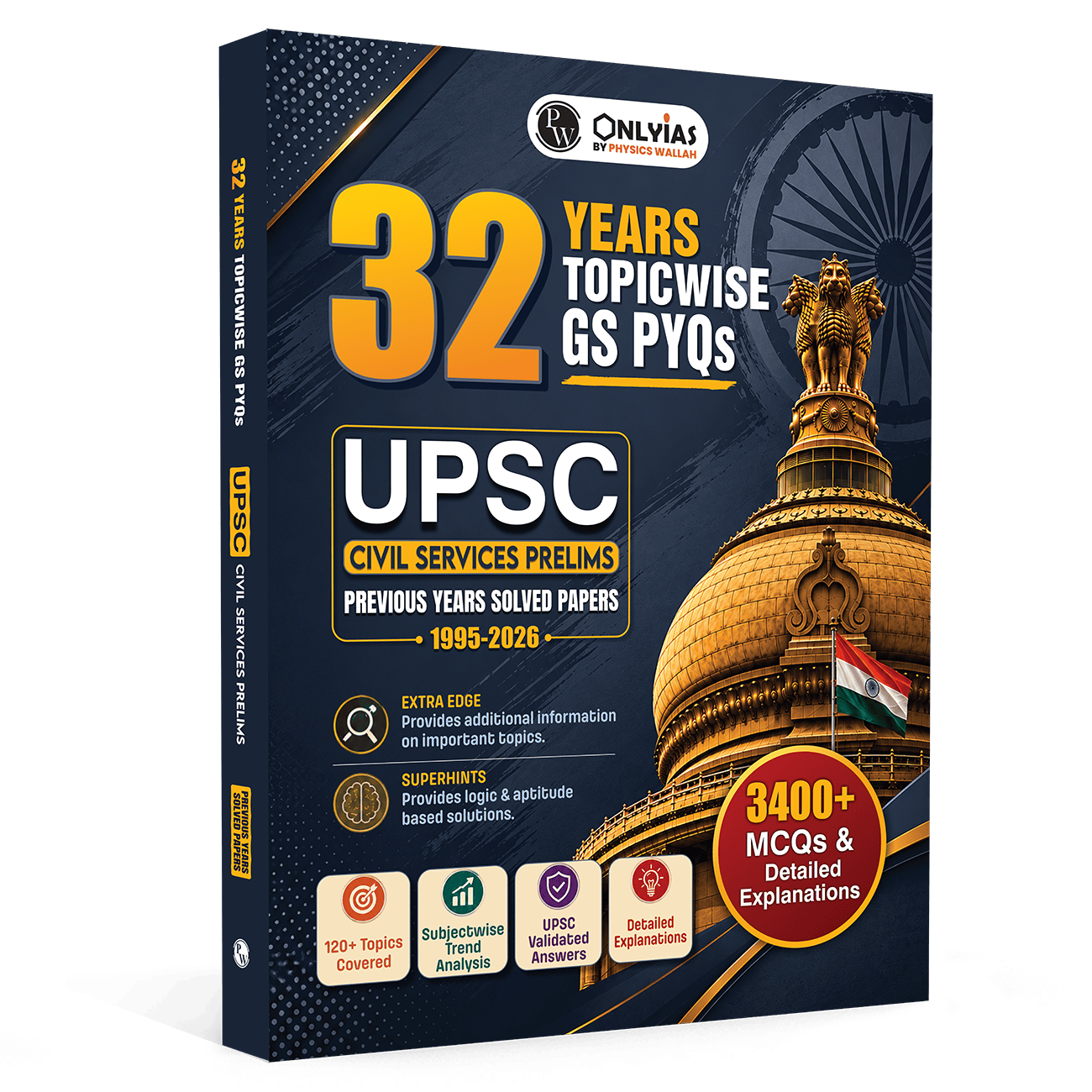
For even better exam readiness, complement your revision with an UPSC PYQ Book. Previous year questions show how UPSC frames current affairs-based questions, highlight recurring themes, and help you apply your knowledge in an exam-oriented manner. Practising PYQs regularly improves accuracy, strengthens conceptual clarity, and builds confidence for both stages of the Civil Services Examination.
How to Use UPSC Monthly Current Affairs with Static Subjects
A massive mistake many civil services candidates make is treating dynamic news and static subjects as separate entities. In reality, the preliminary and mains papers test your ability to look at static concepts through a modern lens. Using a consistent UPSC current affairs strategy allows you to see these hidden connections clearly.
When you study current affairs systematically, you can easily map daily events to the core parts of your syllabus:
-
Polity and Governance: A Supreme Court judgment on a fundamental right immediately gives you practical context for constitutional articles you read in standard textbooks.
-
Economy and Infrastructure: Tracking monthly inflation figures or banking reforms helps you understand theoretical monetary policy and reserve bank measures much faster.
-
Environment and Ecology: Associating international climate summits or wildlife conservation policies with your basic geography notes makes your learning highly exam-oriented.
By anchoring your regular daily news preparation to core static pillars, you stop looking at individual news stories in isolation. This interlinked method ensures that your knowledge base grows stronger every month, completely eliminating the confusion caused by last-minute revision.
UPSC Monthly Current Affairs Daily vs Monthly vs Last-Minute Preparation
Different students choose different paths for their news preparation. The table below shows how a consistent monthly approach compares with last-minute cramming across vital parameters.
|
Preparation Feature |
Monthly Reading Strategy |
Last-Minute Cramming |
|
Syllabus Coverage |
Deep and highly organised |
Superficial and incomplete |
|
Memory Retention |
High due to spaced learning |
Low due to information overload |
|
Answer Writing Quality |
Analytical and well-structured |
Basic and lacking deep context |
|
Stress Levels |
Low and manageable |
Extremely high |
UPSC Monthly Current Affairs Revision Tips
Shifting to a structured study routine requires a systematic approach. You need to balance daily reading with regular consolidation to get the right results.
-
Spend Productive Daily Time: Dedicate around sixty minutes every single morning to reading a reliable national newspaper.
-
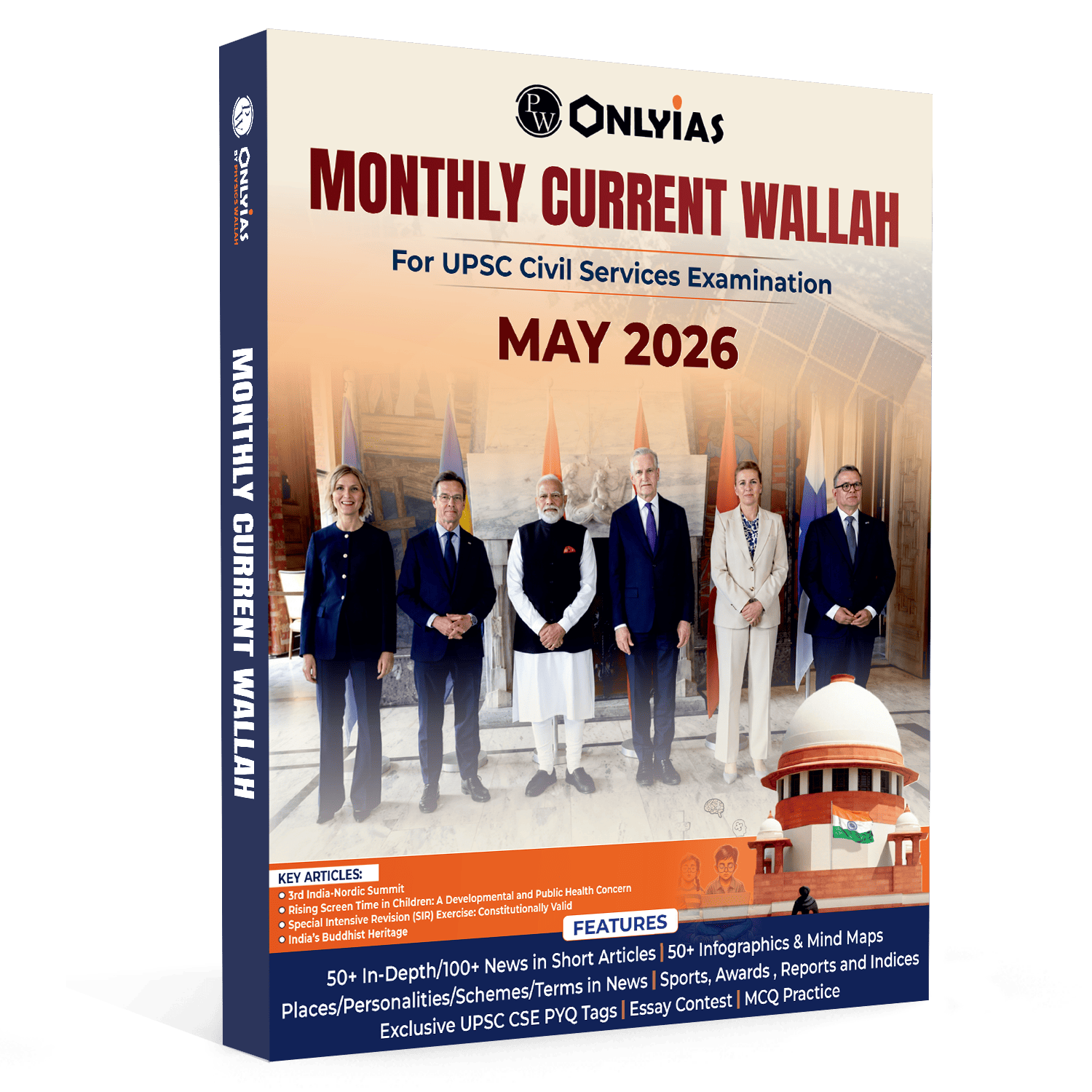
Use Quality Compilations: At the end of every four weeks, use a curated UPSC books to review and fill any gaps in your knowledge.
-
Write Short Summaries: Create brief pointers in your own words to make your final current affairs review much faster.
-
Take Regular Mock Tests: Test your knowledge every month to check your progress and fix your weak areas early.
The 3-2-1 Revision Formula for Current Affairs
Consistency does not just mean reading regularly; it requires structured repetition to fight the human forgetting curve. Relying on a rushed exam strategy in the final days fails because the brain needs spaced intervals to store information permanently. The 3-2-1 Monthly Revision Formula provides an easy, snippet-friendly roadmap to achieve excellent recall.
Follow this systematic breakdown to master your monthly content:
-
The 3-Day Initial Overview: Within the first three days of receiving your consolidated monthly magazine, scan the major headlines, infographics, and analytical case studies to understand the core themes.
-
The 2-Day Deep Consolidation: Two weeks later, spend two dedicated study sessions highlighting crucial facts, committee recommendations, and key statistics that are essential for prelims current affairs.
-
The 1-Day Active Recall Test: Before the month ends, spend one final day solving previous year questions and topic-wise mock tests to evaluate your actual retention levels.
Applying these structured UPSC revision tips ensures you review the exact same information multiple times in small doses. This completely removes the stress of handling huge volumes of unrevised study material when the final test draws near.
How UPSC Monthly Current Affairs Improve Prelims Preparation
The preliminary test checks your ability to eliminate wrong options based on precise facts. Rushed revision makes you vulnerable to confusing traps set in the question paper.
A reliable strategy involves reading your chosen UPSC current affairs books at least three to four times before stepping into the exam hall. This repetitive reading builds the visual memory needed to recall tricky facts, international treaties, and geographical maps easily under pressure.
How UPSC Monthly Current Affairs Improve Mains Answer Writing
The mains paper demands mature, balanced, and multi-dimensional answers. Last-minute revision only provides isolated facts, whereas consistent reading offers the analytical depth needed to score high marks.
-
Logical Flow: Regular reading helps you express opinions clearly and present arguments logically.
-
Case Studies: You collect relevant examples naturally over time, which makes your answers stand out.
-
Data Integration: You learn to use statistics and committee reports smoothly within your regular explanations.
How to Use UPSC Monthly Current Affairs in Your Final Exam Strategy
When you choose a steady approach, your final preparation becomes smooth. Instead of panic-reading new booklets, your final months are spent refining what you already know.
Integrating current affairs into your daily calendar ensures that you are never caught off guard. You save hundreds of hours in the final phase, which you can use to revise core static subjects like history, polity, and geography.
Read More: How to Study Current Affairs for UPSC Exam
UPSC Monthly Current Affairs FAQs
How many hours should I give to daily news preparation?
You should ideally spend around sixty to ninety minutes every day on newspapers. This keeps you updated without consuming the time needed for your static subjects.
Is reading current affairs enough for the entire exam?
Yes, combining a standard daily newspaper with high-quality current affairs magazines ensures comprehensive coverage of all relevant topics for both stages.
How many times should I revise my current affairs before the test?
You should aim to revise your consolidated current affairs notes approximately three to four times to ensure strong recall during the examination.
When should I start my dedicated prelims current affairs revision?
While regular reading must happen throughout the year, you should start your focused current affairs revision around three months before the test date.
Can I skip daily newspapers if I follow a current affairs strategy?
Skipping the newspaper is not recommended. Daily reading builds your comprehension skills, while the monthly strategy acts as an essential tool to consolidate and organise that knowledge.