Current Affairs Preparation Strategy: Newspaper, Videos, and Books

Current affairs is one of the most important sections in almost every competitive exam. Whether you are preparing for government exams, entrance tests, or any competitive assessment, having strong command over current affairs can significantly boost your score. However, one common confusion among students is choosing the right source—newspapers, videos, or books.
While all three sources have their own importance, books clearly stand out as the most effective current affairs preparation strategy. We will understand here why books are better than videos and newspapers, and how you can use them smartly for maximum results.
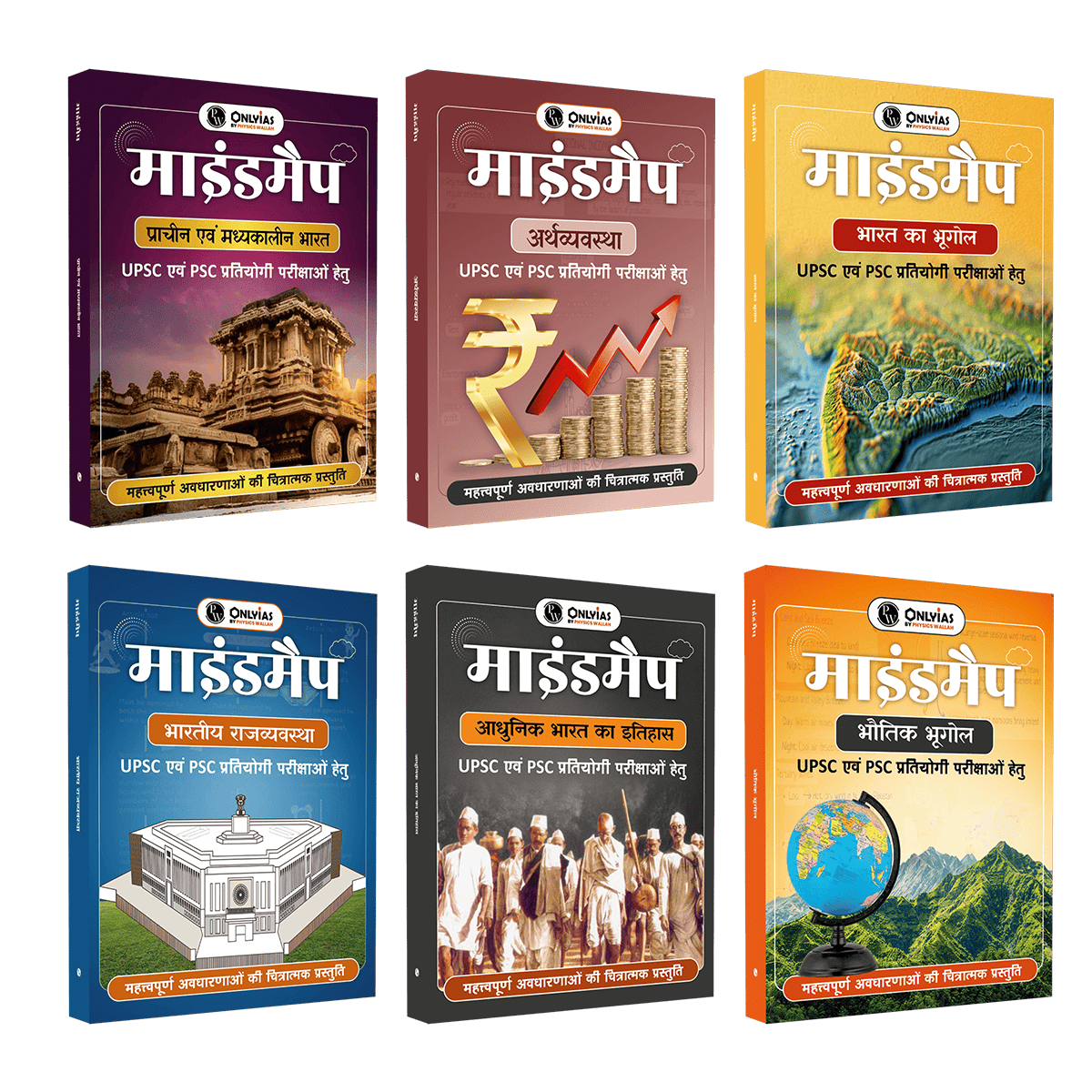
Check Out: UPSC CSE Books
Role of Different Current Affair Sources
Before deciding which source is best, it is important to understand how each one works.
Newspapers
Newspapers provide daily updates about what is happening around the world. They include current affairs related to politics, economy, international relations, and social issues.
However, newspapers are not designed specifically for exams. They contain a lot of information, but not all of it is useful for students. This makes it difficult to identify what to study and what to skip.
Videos
Videos are popular because they explain current affairs in a simple and engaging way. Many students prefer videos because they feel easier to understand.
But videos often lead to passive learning. You may understand the topic while watching, but remembering it later becomes difficult. Also, revising video content is not convenient, especially when exams are near.
Books
Books are created with a clear purpose—to help students prepare effectively for exams. They provide structured, filtered, and exam-oriented content.
This is why books are considered the best source for current affairs preparation.When students study from newspapers and videos, they tend to forget quickly. But when studying from books and creating short notes, students remember for a longer time.
Check Out: UPSC Current Affairs
Why Are Books Better Newspapers and Videos for Current Affairs?
1. Focused and Exam-Oriented Content
Books provide only the most important current affairs required for exams. They remove unnecessary details and focus on key points such as:
-
Important events
-
Government schemes
-
Reports and indices
-
Awards and appointments
In contrast, newspapers contain a lot of extra information, which can confuse students and waste time.
2. Saves Time and Energy
Time is very important during preparation. Reading a newspaper daily can take 1–2 hours, and even then, you may not get all the relevant information.
Videos can also consume time due to long explanations and distractions.
Books save time because:
-
Content is already filtered
-
Topics are well-organized
-
No need to search for important points
This allows students to focus more on revision and practice.
3. Better Retention and Understanding
One of the biggest advantages of books for current affairs preparation is better memory retention.
When you read a book:
-
Your brain actively processes information
-
You understand concepts more clearly
-
You remember facts for a longer time
Videos, on the other hand, involve passive learning. You may enjoy watching them, but retention is usually low.
4. Easy Current Affairs Revision Before Exams
Revision is the key to success in current affairs.
Books make revision easy because:
-
Information is structured
-
Important points are highlighted
-
Content is concise
You can quickly revise multiple times before exams.
In comparison:
-
Revising newspapers is difficult
-
Re-watching videos takes too much time
5. Helps in Making Short Current Affairs Notes
Books are ideal for making notes. While studying, you can:
-
Highlight important points
-
Write short summaries
-
Create quick revision notes
This makes your preparation more effective.
With videos, note-making becomes difficult, and newspapers often make notes unorganized.
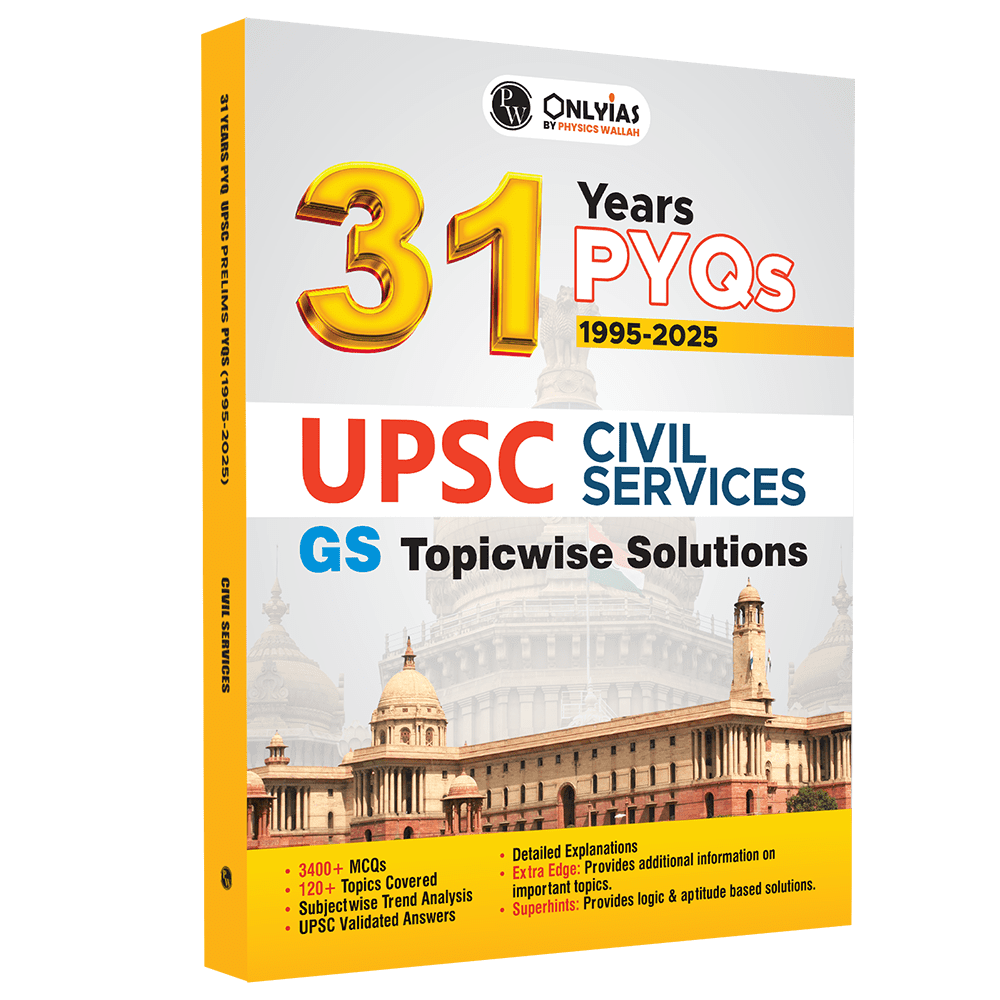
Check Out: UPSC Previous Year Papers
How to Use Current Affairs Book Effectively
Simply reading books is not enough. You need a proper strategy.
Step 1: Choose Right Current Affairs Book
Avoid using multiple books. Stick to one reliable source to avoid confusion.
Step 2: Read Current Affairs Actively
While reading:
-
Focus on understanding
-
Highlight key points
-
Avoid memorizing everything at once
Step 3: Make Short Current Affairs Notes
Prepare your own notes in simple language. This will help during revision.
Step 4: Revise Current Affairs Regularly
Follow a revision cycle:
-
Daily quick revision
-
Weekly revision
-
Monthly revision
Step 5: Use Videos and Newspapers as Support
-
Use videos only for difficult topics
-
Read newspapers selectively
Do not depend completely on them.
Read More: Last 6 Months Current Affairs Key Topics to Know
Current Affairs Preparation Strategy FAQs
1. Why are books better than newspapers for current affairs?
Books provide filtered and exam-oriented content, while newspapers contain a lot of unnecessary information that can waste time.
2. Can I prepare current affairs only from books?
Yes, books are sufficient for most exams. You can use newspapers and videos only for additional understanding if needed.
3. How many books should I follow?
It is best to follow one good book to avoid confusion and maintain consistency.
4. Is note-making necessary if I study from books?
Yes, making notes is very important. It helps in quick revision and strengthens your understanding.