Folk Dances of India UPSC Questions with PW Question Bank
Many aspirants find themselves confused while trying to recall regional traditions, state associations, and performance features during the exam. Tackling folk dances of India UPSC questions early in your preparation bridges the gap between reading textbook theory and solving actual exam papers.
By solving curated practice sets, you convert passive reading into active memory retention. Using a structured UPSC question bank allows you to test your knowledge, spot subtle option traps, and build strong confidence while tackling diverse topics from Indian performing arts.
Importance of Folk Dances of India UPSC Questions
Working through targeted folk dances of India UPSC questions plays a vital role in building exam readiness, accuracy, and speed for preliminary papers.
-
Strengthens Conceptual Accuracy: Regular practice helps clear doubts surrounding subtle regional differences, historical origins, and traditional performing methods.
-
Sharpen Option Elimination: Practising high-quality UPSC art and culture questions trains your mind to spot incorrect statements and subtle distractors quickly.
-
Simulates Exam Speed and Confidence: Solving MCQs under practice conditions builds time management skills and reduces real exam anxiety.
-
Highlights Knowledge Gaps: Topic-wise practice quickly shows which state art forms or community traditions need extra reading.
-
Boosts Retentive Memory: Solving questions forces active recall, which locks factual data into long-term memory far better than plain reading.
Which Folk Dances of India UPSC Questions Should You Practise from a Question Bank
A reliable folk dances question bank offers structured practice across multiple themes to ensure thorough topic coverage.
-
State-Specific Performance Arts: Solve questions focusing on regional variations such as Chhau, Kalbelia, Rouf, Garba, Bihu, and Yakshagana.
-
Tribal and Ritualistic Dances: Work through indian folk dances UPSC questions covering community heritage, harvest celebrations, and masked ritual traditions across various states.
-
Instruments and Traditional Costumes: Practice MCQs linking performance forms with traditional musical instruments, rhythmic props, and specific regional attire.
-
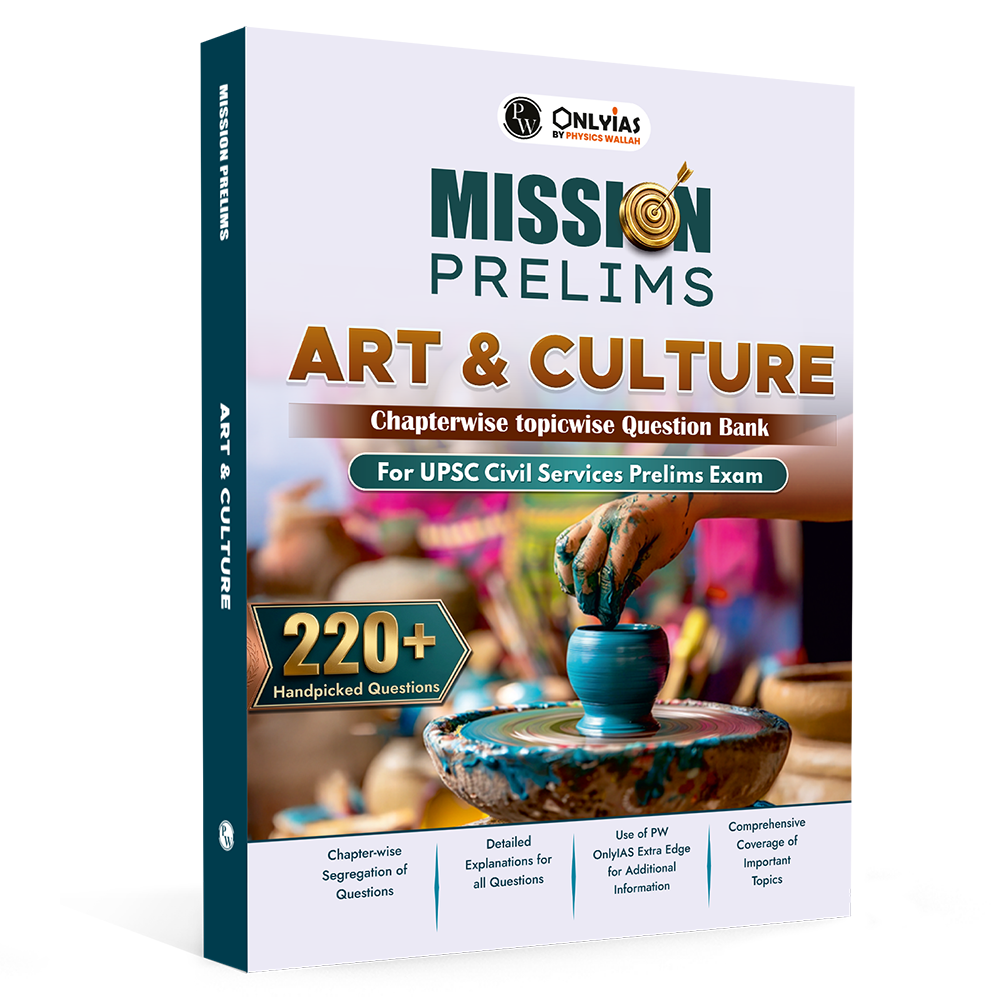
Handpicked Question Sets: Focus on 220+ handpicked questions arranged by chapter and topic to ensure every sub-theme aligns with current preliminary trends.
-
Multi-Statement Matching Sets: Attempt complex matching pairs and combination-based questions to match the rising difficulty of actual prelims papers.
How to Use Folk Dances of India UPSC Questions
To get the maximum benefit from your Indian folk dance practice questions, use the UPSC Art and Culture Question Bank and follow a disciplined step-by-step approach.
-
Study the Core Chapter: Complete your basic reading of Indian performing arts using standard revision notes before opening practice sets.
-
Attempt Topic-Wise Sets: Tackle structured question blocks immediately after finishing a topic to test immediate recall.
-
Analyse Explanations Deeply: Read the detailed explanations for every attempt—whether correct or incorrect—to consolidate facts and refine problem-solving techniques.
-
Use Extra Edge Support: Extract value-added details and notes provided in the answer keys to supplement your base preparation.
-
Mark Difficult Items: Highlight tricky questions during your first attempt so you can revisit them easily during final revision cycles.
How Can Folk Dances of India UPSC Questions Help You Revise Indian Culture
Solving folk dances of India UPSC questions acts as a powerful revision tool that streamlines how you cover the broader art and culture syllabus.
-
Replaces Passive Reading: Answering questions forces your brain to retrieve stored facts actively, speeding up overall revision.
-
Provides Compact Topic Summaries: Comprehensive answer keys offer concise explanations that double up as quick revision notes.
-
Targets High-Yield Themes: Systematically organized practice sets ensure you spend time on topics that appear frequently in preliminary exams.
-
Tracks Individual Progress: Chapter-wise segregation lets you evaluate your strengths and weaknesses across different cultural sub-topics.
-
Consolidates Factual Details: Regular exposure to questions keeps complex facts like instruments, state origins, and festive contexts fresh in your mind.
Study Strategy Plan for Folk Dances of India UPSC Questions
Following a structured timetable helps you systematically cover the performing arts syllabus while integrating regular MCQ practice.
-
Phase 1 - Basic Reading and Direct MCQs: Read primary study notes on performing arts. Attempt basic single-statement questions to check initial factual retention.
-
Phase 2 - Chapter-Wise Practice: Work through topic-wise sets in your question bank. Focus on multi-statement items, state mappings, and community details.
-
Phase 3 - Error Log and Explanations: Review all incorrect answers. Log missed facts regarding musical instruments, costumes, or UNESCO recognition into a short notebook.
-
Phase 4 - Revision and Self-Testing: Re-solve flagged questions alongside full-length art and culture section tests to sharpen speed and build test-day confidence.
Tips to Remember Folk Dances of India for UPSC
Memorising diverse regional art forms becomes much easier when you combine UPSC Books, question-solving, and smart visual tools.
-
Use State Maps: Map out regional performances visually on an outline map of Indiato associate each art form with its geographical origin.
-
Build Short Mnemonics: Group dance forms from the same region or state using catchy words or short phrases for quick retrieval.
-
Create Comparison Charts: Summarise details in simple tables comparing dance names, states, key instruments, and primary themes like harvest or martial arts.
-
Revise Through Explanations: Read explanatory answers regularly, as they provide curated facts that tie isolated details into clear contexts.
-
Schedule Weekly Quizzes: Re-attempt short practice sets every week to keep factual memory strong over longer periods.
Also Check - UPSC Prelims PYQ
Common Mistakes to Avoid While Solving Folk Dances of India UPSC Questions
Avoiding routine preparation traps helps you maintain accuracy and prevent negative marking during preliminary exams.
-
Skipping Explanatory Solutions: Moving to the next question without reading the answer key deprives you of essential value-added details.
-
Confusing Classical and Regional Forms: Failing to distinguish between classical dance traditions and localized community forms leads to avoidable errors.
-
Misreading Question Stems: Rushing through questions often causes students to miss crucial words like "not", "incorrect", or "only".
-
Delaying Practice Until the End: Postponing question solving until right before the exam leaves little time to build elimination skills or correct knowledge gaps.
-
Ignoring Option Elimination: Relying solely on direct memory instead of using process-of-elimination logic reduces your efficiency on complex multi-statement items.
Read More: List of National Symbols of India with Names
Folk Dances of India UPSC Questions FAQs
1. How does solving folk dances of India UPSC questions improve Prelims accuracy?
Practising targeted questions helps you move beyond basic reading to master active recall, spot subtle distractor statements, and refine option elimination logic.
2. How many questions are included in a standard art and culture question bank?
Standard dedicated question banks feature over 220+ handpicked practice questions organised chapter-wise and topic-wise for complete coverage.
3. Why should I read the detailed explanations after solving questions?
Detailed explanations clarify underlying concepts, improve your problem-solving skills, and offer value-added insights for quick revision.
4. When is the best time to practice UPSC art and culture questions?
You should attempt topic-wise practice sets immediately after reading a chapter to evaluate immediate recall and pinpoint weak areas right away.
5. Can I prepare performing arts using only practice questions?
Practice question banks complement your core reading material by offering structured application, extra edge notes, and exam-oriented revision.