How Handwritten Notes for UPSC Ancient History help during Mains Answer Writing

Preparing for the Civil Services Examination requires a balance between memory and analysis. Many aspirants find the massive syllabus of General Studies Paper 1 overwhelming. Trying to recall vast historical details during the actual exam creates a stressful bottleneck.
Structured resources help streamline this process, allowing you to recall complex details quickly and write answers effectively under tight time constraints. To build a strong edge in the written exam, integrating specialized UPSC ancient medieval history notes into your routine keeps your factual memory and conceptual analysis completely aligned.
What Are UPSC Ancient Medieval History Notes?
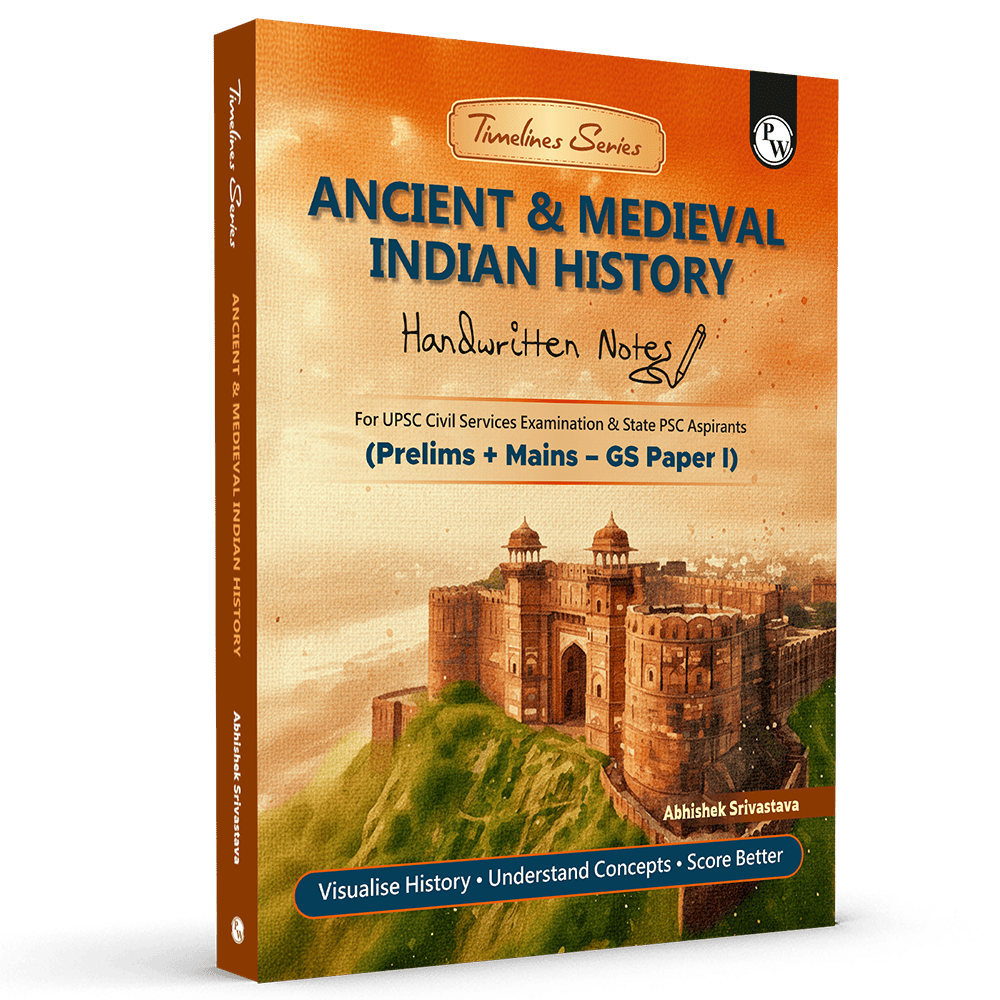
These resources are specialized collections that simplify dense textbook chapters into clean, readable layouts, which show how structured headings organize complex historical periods. Instead of forcing you to read hundreds of pages of raw text, they present facts in a student-friendly style.
The primary objective of using UPSC ancient medieval history notes is to build clear conceptual links between different eras. They cover several essential areas:
-
Political structures and administrative changes across major empires.
-
Social hierarchies and the evolutionary shifts in community structures.
-
Economic trends, including trade routes, agrarian setups, and taxation systems.
-
Religious developments and cultural milestones from ancient to medieval eras.
Features of UPSC Ancient Medieval History Notes
An effective study resource must provide more than just standard text paragraphs. It should use distinct structural tools to make revision simple. Combining direct subject analysis with practical exam tools creates a balanced study guide.
The core features included in these structured materials include:
-
Timelines, Maps & Mind Maps: Visual layouts of historical events, dynasties, and kingdoms that support fast tracking, quick understanding, and stronger memory retention.
-
Current Affairs Integration: Links static historical themes with modern developments, helping you build multi-dimensional responses for the civil services exam.
-
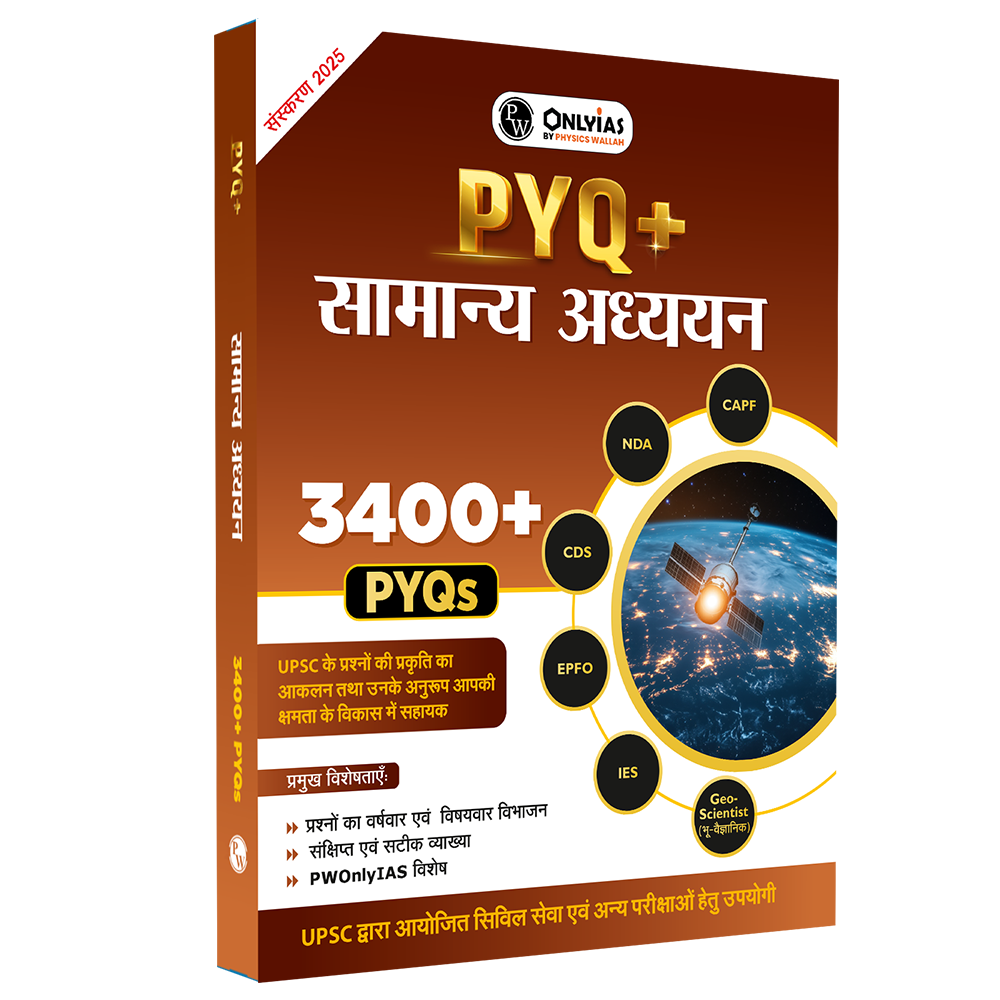
UPSC PYQs & Revision Sheets: Contains previous years' questions for both Prelims and Mains alongside focused revision aids to keep your study plan strictly exam-oriented.
-
Comprehensive History Coverage: Clear focus on the political, social, economic, religious, and cultural aspects needed for GS Paper 1 preparation.
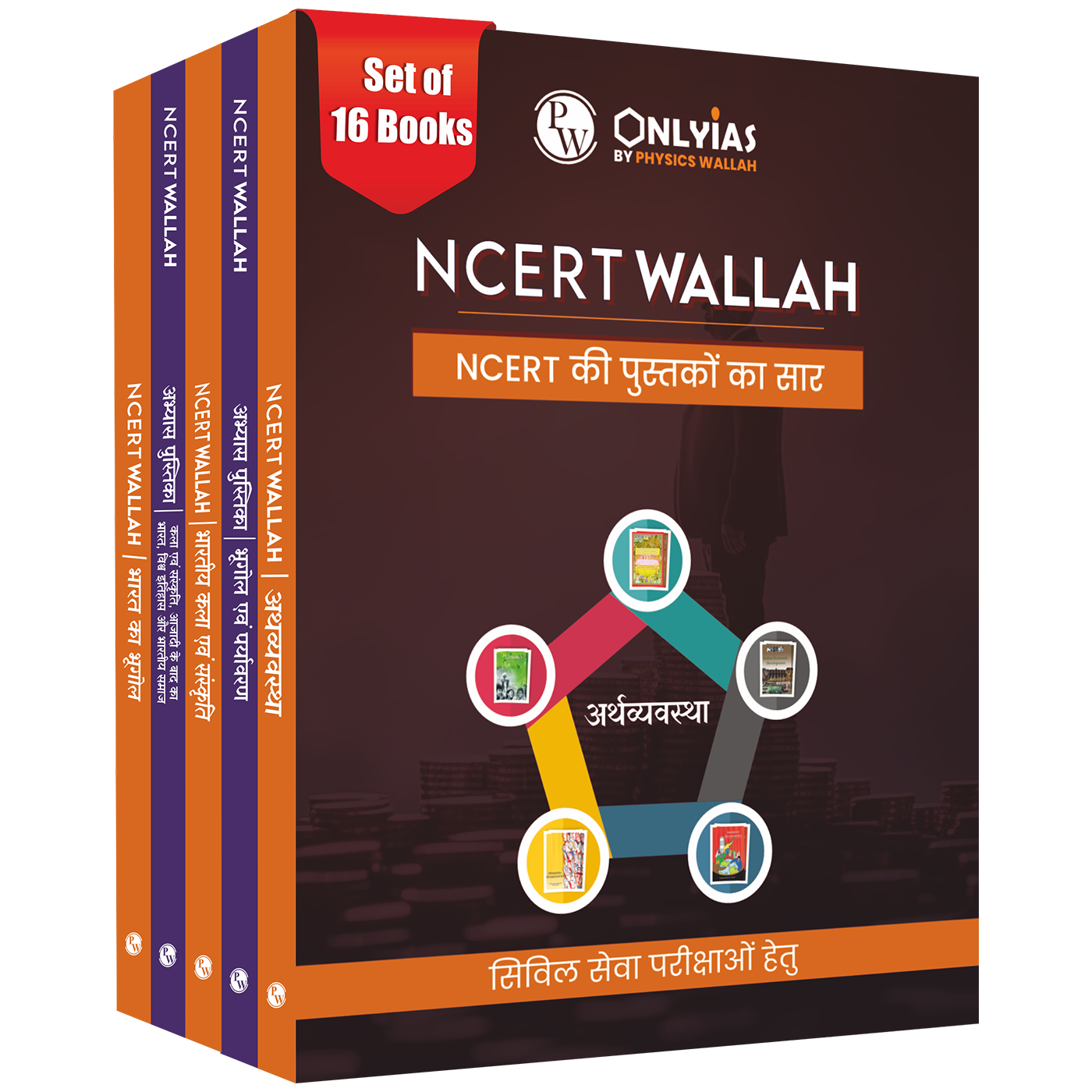
To strengthen these notes further, aspirants can complement preparation with detailed UPSC Textbooks for deeper conceptual understanding and long-term retention.
Why UPSC Ancient Medieval History Notes Help in Mains Preparation
Mains answer writing demands analytical clarity rather than basic rote learning. Examiners look for well-structured arguments that connect static historical facts with their broader historical impacts. Having a pre-summarized view of the syllabus gives you a major advantage in structuring your thoughts.
When you use comprehensive UPSC ancient medieval history notes, you avoid wasting time sorting through unorganized materials. They directly support your answer writing in several ways:
-
Faster Information Retrieval: Having key facts neatly categorized helps you plan your answers in the brief planning window allowed during the exam.
-
Better Retention: The layout mimics how a student thinks, using clear visual cues that make it easier to recall specific details during high-pressure situations.
-
Analytical Depth: They help you link separate historical events, allowing you to write multi-dimensional answers that cover social, economic, and cultural angles.
Benefits of UPSC Ancient Medieval History Notes
Using specialized UPSC ancient medieval history notes fundamentally changes how you handle your study sessions. It shifts your approach from passive reading to active exam preparation, saving you valuable time before the main exam.
Using structured UPSC history study material offers several clear benefits:
-
Saves Planning Time: You save hours that would otherwise be spent highlighting textbooks and making your own summaries from scratch.
-
Clear Conceptual Foundation: Simplifies complex historical changes so both beginners and experienced aspirants can build a strong knowledge base.
-
Strong Exam Relevance: Keeps your preparation aligned with current exam trends by focusing heavily on high-yield topics and themes.
How to Use UPSC Ancient Medieval History Notes
Simply owning good material will not guarantee high scores; you need a methodical approach to get the most value out of your resources. Integrating these tools into your daily study routine makes your preparation much more organized.
To maximize your results, incorporate ancient and medieval history notes for UPSC using this step-by-step method:
-
Read the Topic First: Read through a chosen historical era to understand the general narrative and major milestones.
-
Analyze the Visual Aids: Review the maps and timelines to understand the geographic spread and chronological order of the dynasty.
-
Attempt Previous Year Questions: Check the UPSC PYQ section to see how those specific topics were tested in past exams.
-
Practice Answer Writing: Draft answers using the structured points, tables, and frameworks provided in the material.
When to Revise UPSC Ancient Medieval History Notes Before Mains
Timing your revision cycles dictates how well you recall information on exam day. Because history contains so many facts, names, and dates, you need regular review sessions to keep the information fresh in your mind.
Plan your revision schedule around these specific windows:
-
Immediate Review: Read through the summarized notes within 24 hours of completing a major topic to reinforce your understanding.
-
Weekly Check-ins: Dedicate a block of time each weekend to review the timelines and mind maps of topics covered earlier in the week.
-
Post-Prelims Phase: Use UPSC history short notes for revision extensively between the Prelims and Mains exams to keep key points fresh without having to re-read large textbooks.
-
Final Mock Test Window: Review the quick-reference sheets right before your final full-length practice exams to test your instant recall speed.
Study Strategy with UPSC Ancient Medieval History Notes
A smart study plan combines history with other parts of the General Studies syllabus. History often shapes geography, society, and political thought, meaning it shouldn't be studied in isolation.
Follow this integrated approach when building your strategy:
-
Theme-Based Consolidation: Group your studies by themes—like temple architecture or agrarian reforms—rather than just following a strict chronological order.
-
Cross-Paper Mapping: Connect historical developments with your GS Paper 1 society topics or essay preparation to add depth to your writing.
-
Regular Answer Drills: Set a timer and write two history answers daily using the frameworks found in your UPSC history handwritten notes.
To make revision faster and more structured, aspirants can also integrate UPSC Revision Books into their schedule for quick recap, concept reinforcement, and final-stage preparation.
Common Mistakes to Avoid While Using UPSC Ancient Medieval History Notes
Many candidates fail to get the full value out of high-quality materials because they fall into common study traps. Being aware of these pitfalls helps you keep your preparation on track.
Avoid these common mistakes during your preparation:
-
Passive Reading: Reading through the summaries like a storybook without actively practicing answer writing or testing your recall.
-
Ignoring the Visual Tools: Skipping over the maps, timelines, and mind maps, which actually provide the easiest ways to score points in Mains answers.
-
Overloading Resources: Combining too many different books and sources, which creates confusion and dilutes the clarity provided by your primary notes.
Read More: UPSC Prelims History Questions for 2026 Preparation
UPSC Ancient Medieval History Notes FAQs
Q1: How do UPSC ancient medieval history notes help in solving previous years' questions?
A1: These resources group relevant past questions directly alongside the content, showing you exactly how static history topics are turned into analytical Mains questions.
Q2: Can I rely on UPSC history handwritten notes for both Prelims and Mains?
A2: Yes, they balance deep conceptual insights for Mains answer writing with specific factual data points required for the Prelims exam.
Q3: How do timelines in ancient and medieval history notes for UPSC improve answers?
A3: Timelines help you avoid chronological errors in your writing, allowing you to display historical events in their correct sequence.
Q4: Why should I use UPSC history short notes for revision instead of standard textbooks?
A4: Textbooks are often too dense for quick reviews, whereas short notes offer clean layouts, maps, and bullet points that speed up your revision before the exam.
Q5: Do these UPSC history study material collections cover art and architecture?
A5: Yes, they offer thorough coverage of the cultural, social, and architectural trends needed for a complete GS Paper 1 preparation strategy.