How PW 32 Years UPSC PYQ Book Helps You Master High-Weightage Topics

The primary hurdle is not a lack of study material, but the challenge of shifting from passive reading to active application. Standard textbooks present facts chronologically or conceptually, but they do not show you how questions are framed.
To clear this hurdle, you need to understand the exact patterns, traps, and recurring themes that the exam panel sets. Integrating an authentic UPSC PYQ book into your daily routine transforms your study method, turning theoretical knowledge into a precise, exam-oriented toolkit.
What is the UPSC PYQ Book?
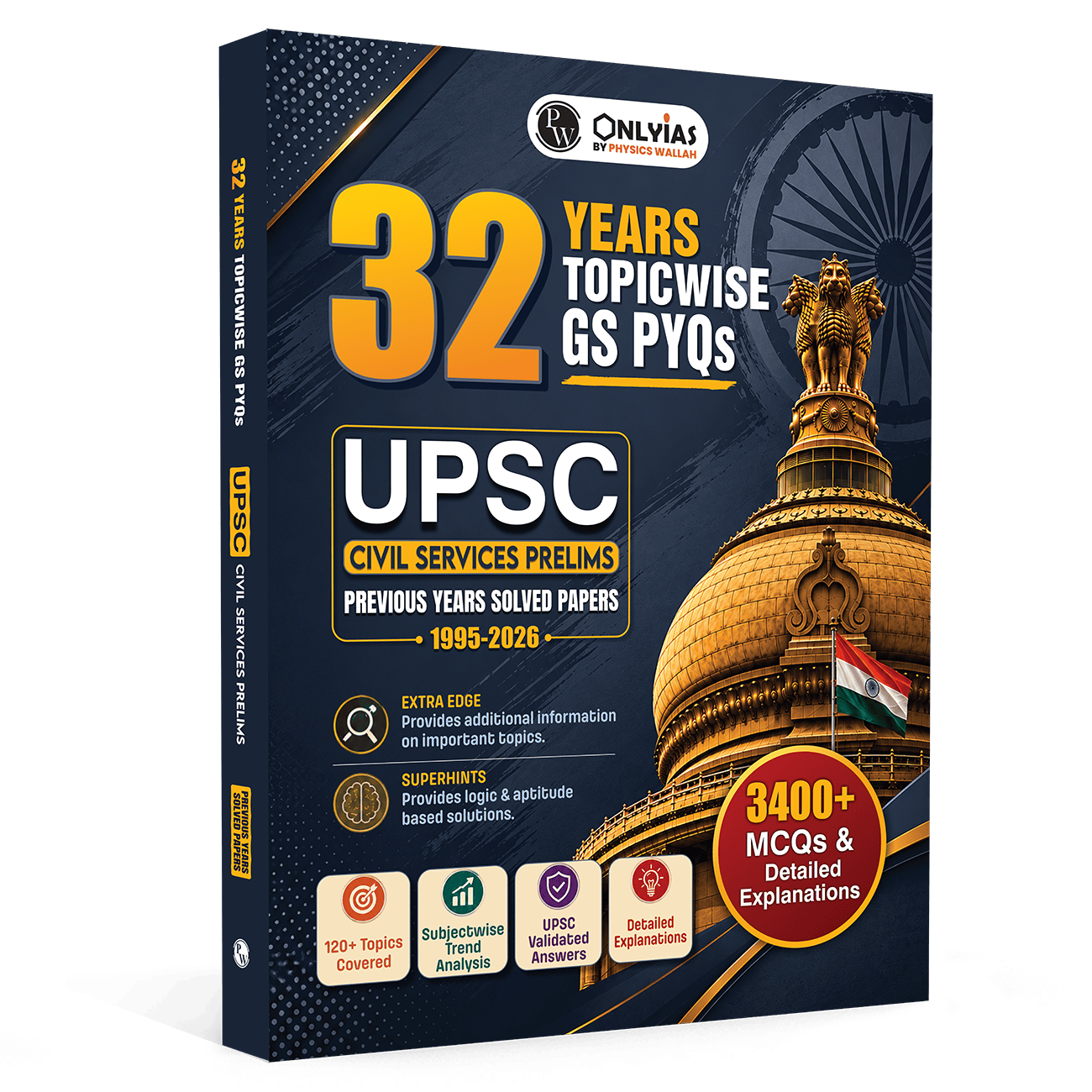
An authentic UPSC PYQ book serves as a complete archive of the Civil Services Preliminary Examination papers spanning more than three decades, from 1995 to 2026. Rather than presenting these papers as simple, chronological test sets, it curates over 3400 high-quality multiple-choice questions into structured, accessible segments.
This resource covers both General Studies Paper 1 and the Civil Services Aptitude Test (CSAT) Paper 2, making it a comprehensive companion for the preliminary stage.
|
Feature |
Detailed Specification |
|
Timeline Covered |
32 Years of authentic papers (1995–2026) |
|
Total Question Pool |
3400+ Solved Multiple Choice Questions |
|
Paper Coverage |
General Studies Paper 1 & CSAT Paper 2 |
|
Segmentation |
Organized across 120+ distinct topics |
|
Explanatory Depth |
Detailed, option-wise analysis for every question |
Why the UPSC PYQ Book Is Essential for Identifying High-Weightage Topics?
Succeeding in this competitive exam requires finding a balance between studying a vast syllabus and managing limited time. Trying to read everything with the same level of intensity is rarely practical. A structured UPSC PYQ book acts as an analytical tool, highlighting the specific prelims important topics that appear year after year.
By reviewing papers across 32 years, you can see clear patterns in how questions are distributed. For example, in Indian Polity, the exam regularly emphasizes Fundamental Rights, Directive Principles, and Parliament over historical underpinnings. In economics, the focus consistently leans toward banking, inflation, and monetary policy rather than theoretical microeconomics.
Using this data-driven method helps you spot UPSC high weightage topics with confidence. Instead of guessing which areas matter most, you can rely on historical trends to guide your study schedule. This ensures your daily efforts match the actual weightage of the exam.
How the UPSC PYQ Book Organizes Questions Topic-Wise?
The standout feature of this volume is its organization. Instead of presenting simple past papers, the UPSC PYQ book divides 32 years of questions into more than 120 distinct subtopics. This clear structure makes it easy to complete a thorough chapter-wise revision right after studying a specific subject.
1. Systematic Subject Segmentation
The book divides the vast syllabus into distinct subject domains, which are further divided into targeted themes:
-
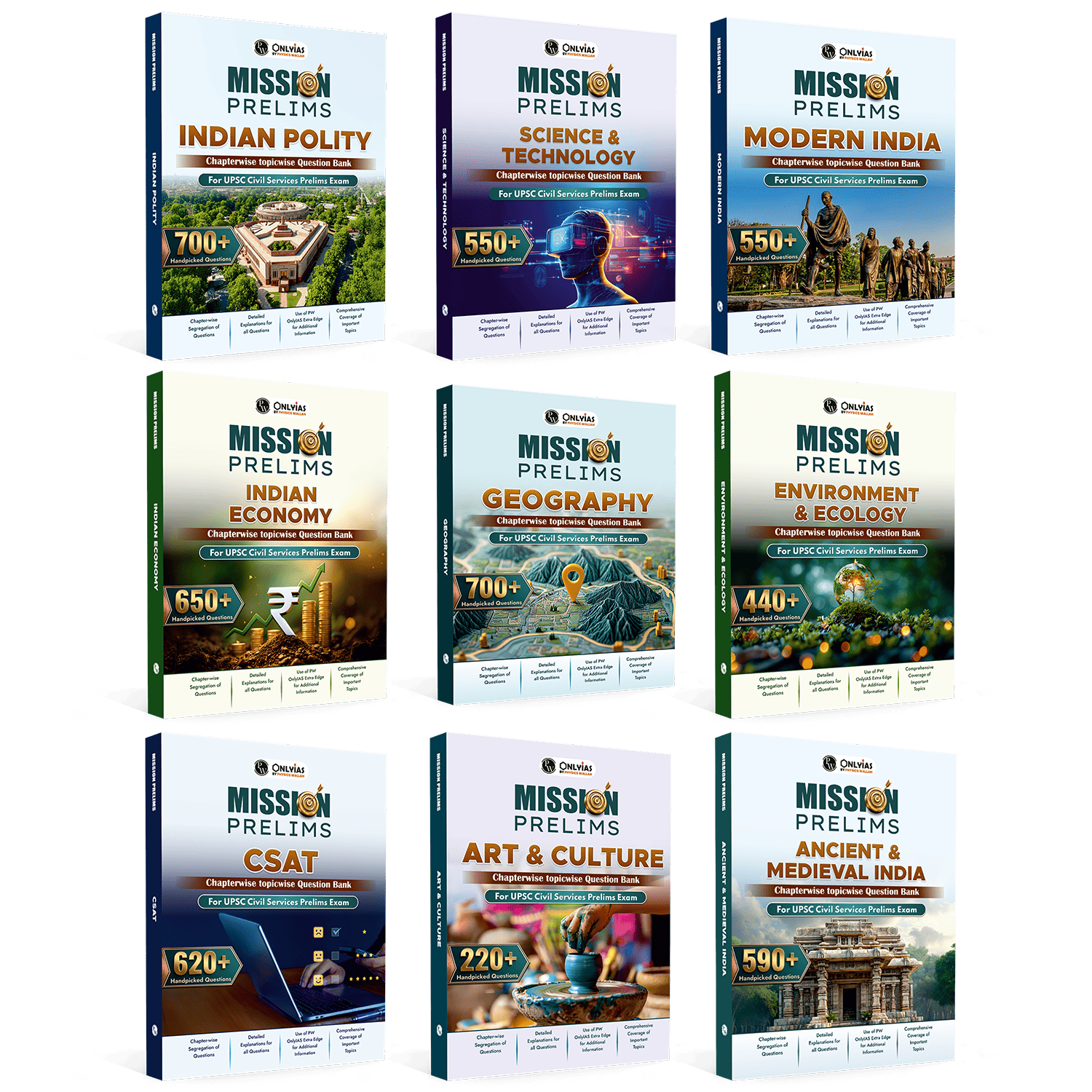
Indian Polity: Constitutional framework, judiciary, local government, and statutory bodies.
-
Economy: Macroeconomic trends, fiscal policy, international trade, and sustainable development.
-
History & Culture: Ancient, medieval, modern national movement, and art forms.
-
Geography: Physical geography, Indian geographical systems, and global maps.
-
Environment & Ecology: Biodiversity, climate change protocols, and national parks.
-
Science & Technology: Space developments, biotechnology, and everyday physics.
2. In-Depth Explanations for Deep Learning
Every question comes with a detailed, option-wise breakdown. Understanding why three options are incorrect is just as valuable as knowing why one is right. This approach clarifies common points of confusion, helping you build strong conceptual understanding and improve your elimination strategies for exam day.
How to Use the UPSC PYQ Book?
Simply owning a collection of UPSC previous year questions will not automatically improve your score. To get the most value from your UPSC PYQ book, you need a deliberate, step-by-step strategy that integrates it directly into your daily study routine.
Step 1: Pre-Read Filtering
Before opening a new chapter in your standard reference textbooks, spend ten minutes looking over the relevant section in your question bank. Do not worry about answering them just yet. Instead, focus on how the questions are written, the vocabulary used, and what details are emphasized. This prepares your mind to spot the most important points when you read your textbook.
Step 2: Interactive Practice Sessions
Once you finish studying a topic, open the book to test what you have learned. Treat these sessions as a tool for active discovery rather than a formal test.
-
Solve 15 to 20 questions in one sitting.
-
Avoid checking the answers immediately after each question.
-
Highlight the keywords in the questions that alter the meaning, such as "not," "incorrect," or "only."
Step 3: Comprehensive Review of Explanations
After completing a set, review the provided solutions carefully. Read the option-wise analysis even for the questions you answered correctly.
This habit helps confirm whether your reasoning was correct or if you simply made a lucky guess, while also introducing you to related facts that could appear in future exams.
Study Plan for Using the UPSC PYQ Book
To balance your schedule during the mid-term phase, you need a structured plan that combines reading theory with practical UPSC PYQ practice. Below is a practical six-week study plan designed to systematically reinforce high-weightage topics.
Weeks 1–2: Foundations of Polity and Economy
-
Theory Focus: Read standard resources on the Executive, Parliament, Federal Structure, National Income, and Banking.
-
Application: Solve at least 40 past questions daily from these specific sections using your UPSC PYQ book.
-
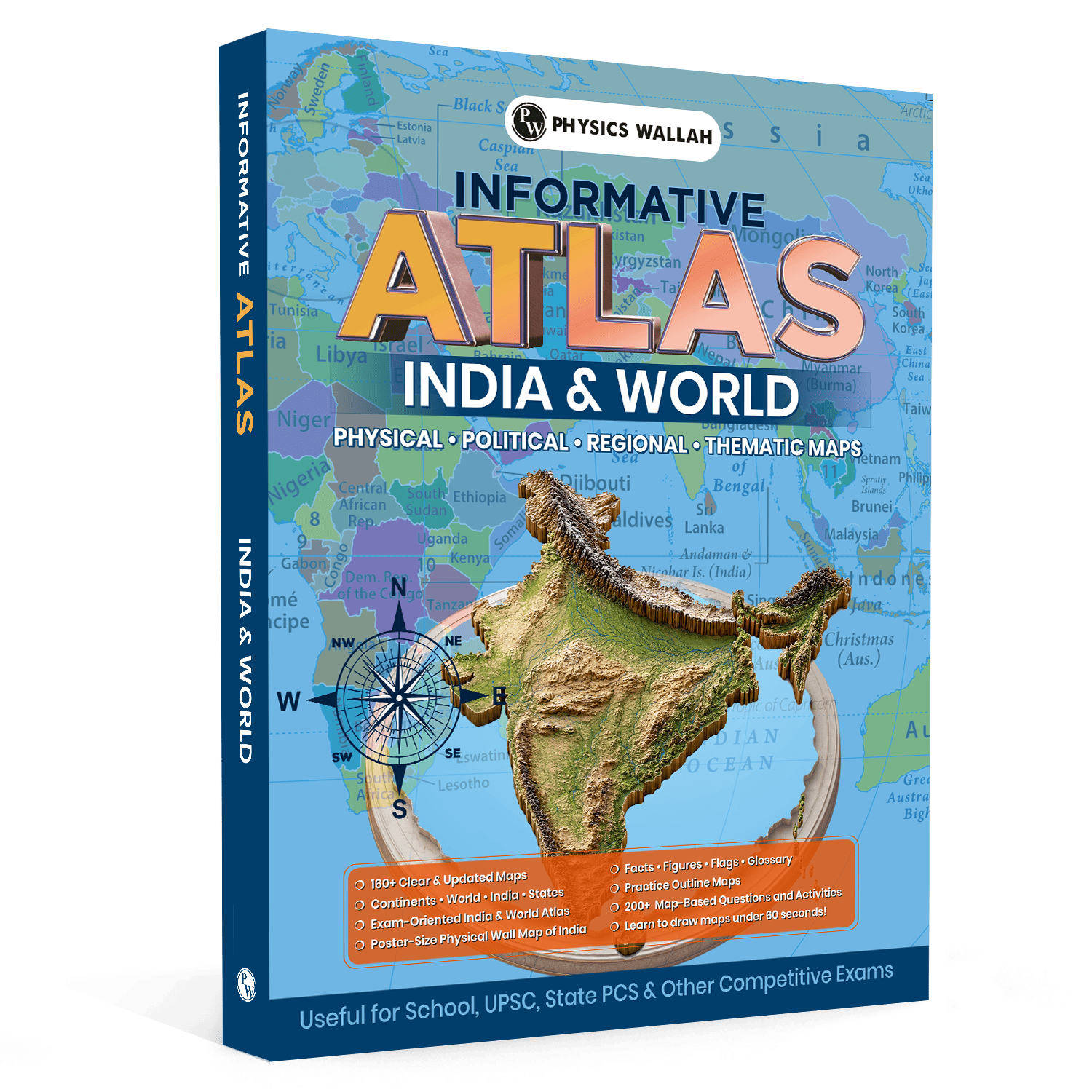
Review Goal: Analyze the detailed explanations to see how options are structured, and use the book's maps and diagrams to reinforce key economic and political links.
Weeks 3–4: Environmental Systems and Modern History
-
Theory Focus: Study climate change, environmental laws, ecosystems, and the Indian National Movement from 1857 to 1947.
-
Application: Use the book's topic-wise organization to focus directly on questions about international environmental treaties and revolutionary movements.
-
Review Goal: Pay close attention to recurring terms and use the visual aids to build a clear timeline of historical events.
Weeks 5–6: Geography, Science, and CSAT Aptitude
-
Theory Focus: Review Indian river systems, major landforms, breakthroughs in science, and basic math and reasoning concepts.
-
Application: Work through Paper 1 geography questions alongside CSAT Paper 2 analytical puzzles.
-
Review Goal: Use the expert hints and elimination methods to improve your speed and accuracy when handling complex questions.
Common Mistakes to Avoid While Using the UPSC PYQ Book
Even dedicated students can lose momentum if they use past papers incorrectly. Being aware of these common pitfalls helps keep your preparation on track.
-
Memorizing Answers Instead of Concepts: The exact questions from past years are rarely repeated word-for-word. Memorizing the final answer without understanding the underlying concept makes the exercise much less useful. Focus on learning the core principles behind the solutions.
-
Ignoring Option Analysis: Many students simply check if their answer is right or wrong and then move on. This misses a major benefit of the UPSC books. The detailed option-wise explanations are designed to build broader knowledge and clarify related concepts.
-
Delaying Practice Until the End: Waiting until you have finished the entire syllabus to open your UPSC PYQ book is a counterproductive approach. Delayed practice often leads to information overload and leaves little time to adjust your strategy based on exam trends.
-
Neglecting CSAT Paper 2: Overconfidence in General Studies Paper 1 can lead to ignoring the qualifying paper. Regular, structured practice with past CSAT questions is essential to avoid unexpected setbacks on exam day.
UPSC PYQ Book FAQs
How many years of questions should I cover using the UPSC PYQ book?
Covering 32 years of solved papers gives you a complete view of how the exam has evolved, revealing long-term patterns and changing trends that shorter collections miss.
Does this volume include both General Studies and CSAT papers?
Yes, it includes comprehensive coverage and detailed solutions for General Studies Paper 1 as well as CSAT Paper 2 aptitude questions.
How do option-wise explanations assist in chapter-wise revision?
They break down every option to clarify common points of confusion, helping you verify your reasoning and strengthen your understanding of related topics during revision.
Can beginners effectively utilize this book during early UPSC preparation?
Absolutely. Beginners can use the book's topic-wise layout to check their progress right after studying a chapter, helping them stay aligned with actual exam standards from the start.