How to Revise Art & Culture Through UPSC Question Bank
The extensive syllabus, intricate factual details and unpredictable question trends pose one of the major challenges for hopefuls in the examination. When you rely on static texts alone, it’s hard to gage exam preparedness or how questions are asked. By include a well-organized UPSC art and culture question bank in your everyday routine, you may turn passive reading into active remembering, which helps you remember complicated details well.
Why Use a UPSC Art and Culture Question Bank?
Revision without testing leads to low retention in the real exam. Standard textbooks are good at teaching topics, but they don’t prepare your brain to examine four different possibilities under time pressure. Targeted bank of questions bridges the gap between learning theory and applying knowledge efficiently.
Using high-quality art and culture practice questions offers several distinct advantages:
-
Promotes Active Recall: Answering questions forces your brain to retrieve stored facts, which strengthens long-term memory far better than re-reading notes.
-
Identifies Knowledge Gaps: Attempting fresh UPSC culture question bank sets quickly reveals weak areas, such as medieval architecture or classical music schools, so you can focus your efforts where needed.
-
Improves Option Elimination: UPSC Prelims items often feature close options. Practicing high-level UPSC art culture MCQs helps you learnt elimination techniques and avoid common pitfalls.
-
Enhances Time Management: Timing your practice sessions builds the speed and composure required to solve paper items without stress.
Key Features of the UPSC Art and Culture Question Bank
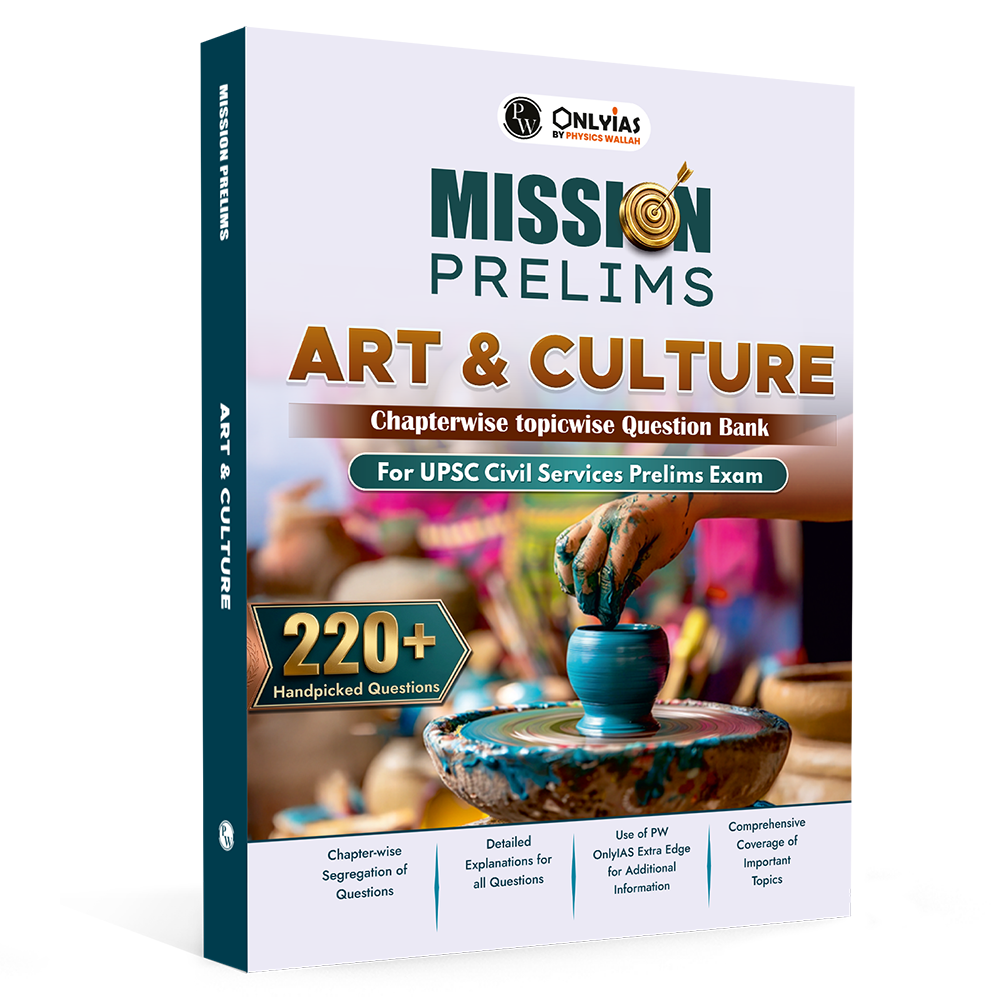
To maximize your revision efficiency, you need a resource aligned directly with the evolving pattern of Civil Services tests. The PW UPSC Mission Prelims Art and Culture Chapterwise Topicwise Question Bank offers a targeted methodology to help you prepare systematically.
Chapter-wise and Topic-wise Segregation
Instead of solving mixed questions randomly, working through organized sections lets you finish a specific topic in your textbook and test it immediately. This structured organization keeps your study sessions focused and measurable.
220+ Handpicked Questions
The resource includes over 220 carefully selected items reflecting current exam standards. These Indian art and culture questions train you to handle conceptual, statement-based, and factual questions effectively.
Detailed Explanations for All Questions
Solving an item is only half the process; understanding why an option is right or wrong completes your learning. Comprehensive solutions explain underlying concepts so you learn beyond the basic prompt.
Extra Edge Support
This value-added feature offers context, historical linkages, and additional facts. These extra insights help you tackle tricky, indirect questions that appear in the exam.
How to Use a UPSC Art and Culture Question Bank
To get the best results from your UPSC Art and Culture Question Bank, adopt a systematic practice routine rather than attempting questions haphazardly. Using UPSC Books alongside question-bank practice can help strengthen concepts, support structured revision, and improve exam-oriented preparation.
-
Complete a Specific Syllabus Topic: Read a distinct section—such as Maurya Architecture or Bhakti Movement—from your primary study material before opening the question sets.
-
Solve Questions Without Checking Answers: Attempt UPSC questions for that chapter in one sitting without looking at the solutions early.
-
Analyze Correct and Incorrect Answers: Review every explanation carefully. For incorrect responses, identify whether the mistake came from a conceptual gap, misreading the prompt, or a simple memory slip.
-
Integrate Explanations into Notes: Extract extra facts from the PW OnlyIAS Extra Edge sections and add them to your revision notes.
-
Re-attempt Missed Items Later: Revisit incorrect UPSC art and culture PYQs and practice sets after two weeks to confirm you have learnt those topics.
What to Study With a UPSC Art and Culture Question Bank
Focusing on core, high-yield topics ensures your preparation matches actual examiner preferences. A comprehensive UPSC question bank covers all primary themes essential for Prelims success.
-
Indian Architecture: Harappan town planning, Rock-cut caves (Ajanta, Ellora, Karle), Temple architecture styles (Nagara, Dravida, Vesara), and Indo-Islamic structures.
-
Visual and Performing Arts: Indian miniature painting schools, Classical dance forms, Folk dances, Classical music traditions (Hindustani and Carnatic), and traditional theater formats.
-
Religion and Philosophy: Vedic literature, Core tenets of Buddhism and Jainism, Orthodox and Heterodox philosophical schools, and the Bhakti-Sufi movements.
-
Literature and Handicrafts: Ancient and medieval literary works, Sanskrit drama, GI-tagged crafts, textiles, and traditional pottery types.
-
Heritage and Institutions: UNESCO World Heritage sites, Intangible Cultural Heritage items, and national cultural promotion schemes.
How to Improve Retention With a UPSC Art and Culture Question Bank
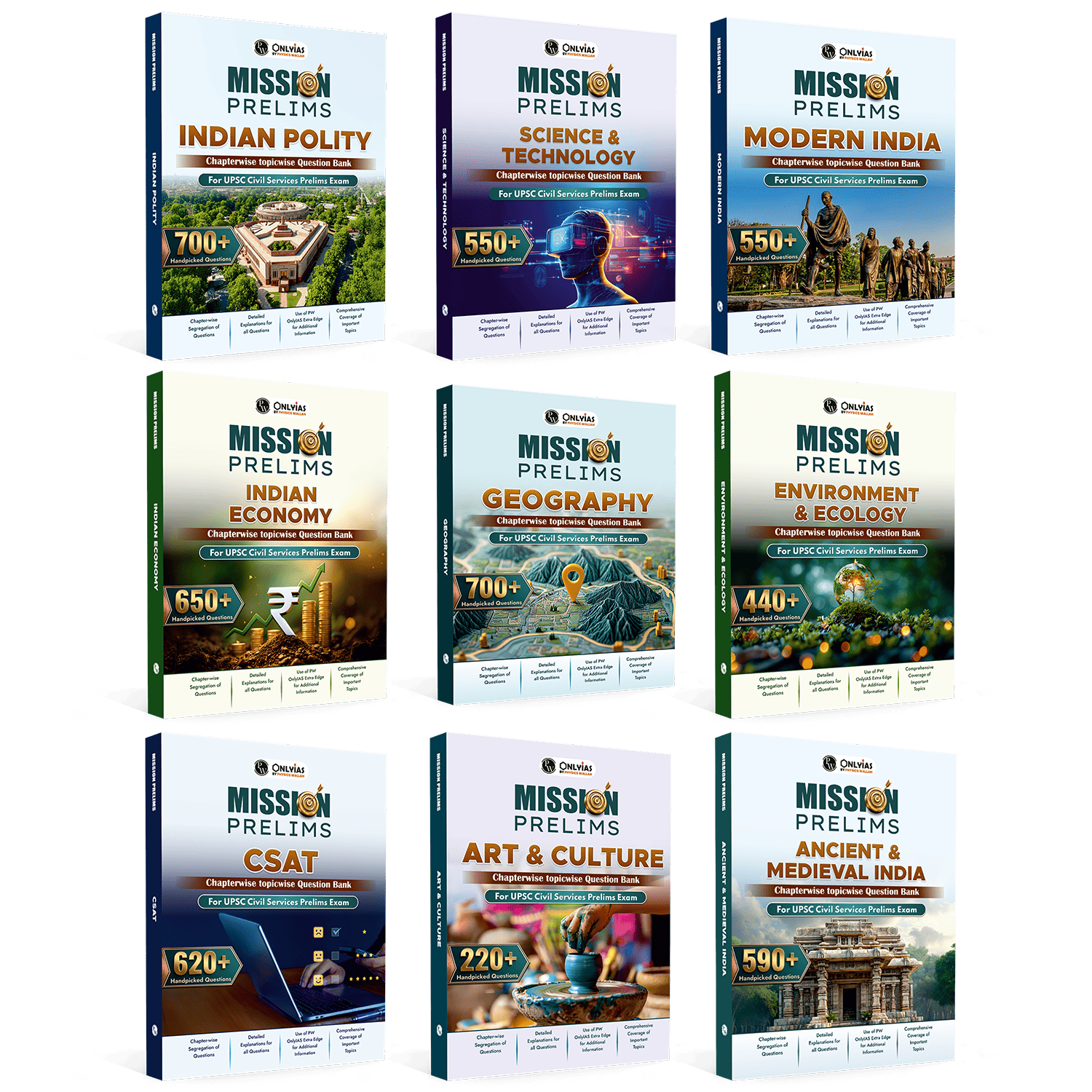
Art and Culture requires memorizing many names, dates, dynasties, and locations. Relying on rote learning alone can lead to confusion during the exam. Practicing art and culture questions regularly keeps factual details clear and distinct, while resources such as the UPSC Prelims Mission Prelims Combo Set 9 can support structured revision and comprehensive preparation.
-
Use Visual Association: When working through items on architecture or paintings, visualize the structures, layouts, or motifs mentioned in the solutions.
-
Create Comparative Tables: Group similar concepts—like Nagara versus Dravida temples, or Gandhara versus Mathura art styles—to review key distinctions quickly.
-
Focus on Keywords: Pay close attention to technical terms, historical titles, and regional art names highlighted in detailed explanations.
-
Simulate Test Conditions: Practice solving 20 to 30 UPSC art culture MCQs in a single timed block to build concentration and speed.
How to Track Progress With a UPSC Art and Culture Question Bank
Practicing regularly is more useful to keep track of your performance across numerous Art and Culture topics. Maintain a record of your scores in your question bank after every chapter/ topic-wise test. This enables you to realize if your preparation is improving or specific areas still need more attention.
Make a simple record of performance including architecture, art, dancing, music, literature, religion, handicrafts, etc. Track your accuracy, number of questions attempted and number of errors committed in each section.
-
Weak Topic Identification: Mark portions where you are scoring below your target score and focus on them during revision.
-
Accuracy on Track: Measure your progress by comparing your scores from week to week practice sessions.
-
Review Repeated Mistakes: Maintain an error log for questions involving similar facts, terminology, or historical periods.
-
Increase Difficulty Gradually: Start with chapter-wise UPSC art and culture questions, then move to mixed sets and timed practice.
-
Use PYQs as Benchmarks: Solve PYQs periodically to check whether your preparation matches actual UPSC question patterns.
This converts your question practice into a measurable preparation system. You can work on accuracy, frequent mistakes and topic wise progress instead of just counting the number of questions you solve.
Read More: UPSC Previous Year Question Papers PYQ PDF with Downloaded Solutions
UPSC Art and Culture Question Bank FAQs
Why is a UPSC question bank necessary for Prelims?
A targeted question bank that helps you go from reading the textbook to solving problems. It helps you to remember more, to be better at eliminating wrong answers and to identify your weak spots in tough subjects like architecture, literature and philosophy.
How many questions are included in the PW UPSC Mission Prelims Art and Culture book?
This book has more than 220 chosen questions chapter-wise and topic-wise. Comprehensive explanations and Extra Edge help will get you fully prepared.
How do UPSC art and culture PYQs help in current exam preparation?
Solving prior year problems can aid you in understanding the choices of examiners, frequently asked questions and statement patterns. Practicing PYQs together with current subject wise questions keeps your revision in sync with real test trends.
Can I rely solely on UPSC art and culture questions for revision?
Question sets are most effective supplemented with fundamental core reading. Use your main study resources to construct fundamental concepts, then test your understanding with practice questions, review explanations, and reinforce long-term memory.
How should I use the explanations provided in the question bank?
Read solutions for every item, whether you answered correctly or not. Use the detailed notes and PW OnlyIAS Extra Edge sections to capture extra historical context and update your primary revision notes.