How UPSC Ancient History Question Bank Simplifies a Vast Syllabus
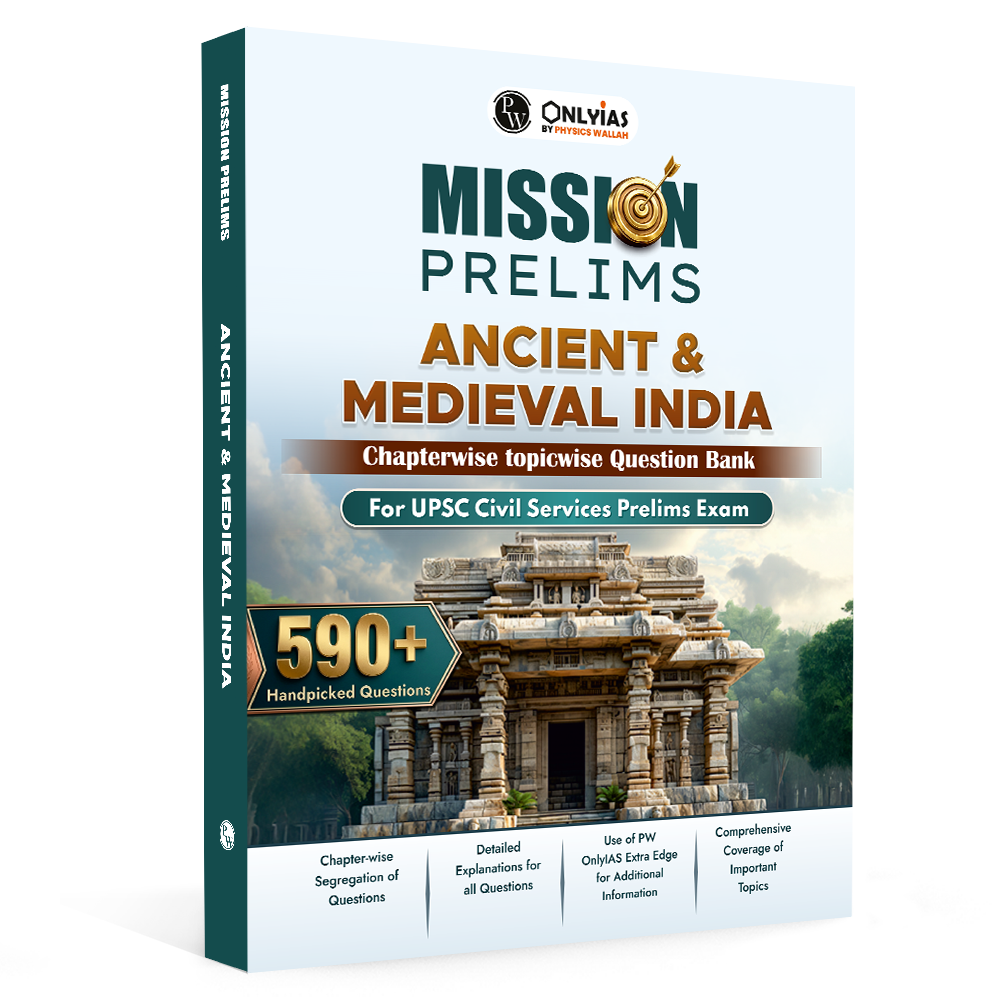
Preparing for the civil services exam requires handling an immense amount of study material. The vast timelines and overlapping dynasties make studying the past quite overwhelming. Using a structured UPSC ancient history question bank allows you to break down this massive portion into clear, manageable topics for better retention.
Why an UPSC Ancient History Question Bank Makes Preparation Easier
The syllabus for UPSC prep covers millions of years, stretching from the Stone Age to the early medieval period. Candidates often get lost in endless names of rulers, structural details of monuments, and changing socio-economic patterns. Reading thick textbooks repeatedly without checking how questions are framed makes it difficult to filter out irrelevant information.
The paper’s unpredictability is the main problem in history preparation. The questions are often about small details of trade routes or the terms used in administration or philosophies of religion. It’s no use spending days learning about king lineages if you haven’t looked at past papers and you miss out on the cultural developments that examiners want to see.
Benefits of UPSC Ancient History Question Bank
A good UPSC question bank, transforms your attitude to text books. So you don’t read blindly rather you look for relevant data which matches the current exam trends. This method of active learning helps save time and retain memories.
Shifting from Rote Learning to Active Retrieval
-
Identifies Important Themes: It highlights recurring areas like Indus Valley sites, Vedic rituals, Buddhism, Jainism, and Maurya administration.
-
Clarifies Question Formats: It exposes you to match-the-following choices, chronological ordering, and conceptual statements.
-
Reveals Core Focus Areas: You quickly learn whether a topic requires memorizing specific terms or understanding broad trends.
Chapterwise History Approach
Organizing your revision through a chapterwise structure ensures that you do not leave any critical gaps. Studying a specific era and immediately solving its matching prelims questions helps lock that information in your mind. This sequence builds your confidence before you move on to the next historical period.
Topics Covered in an UPSC Ancient History Question Bank
To clear the UPSC Preliminary Examination, you must focus on specific recurring themes. A standard UPSC Ancient History book generally divides the ancient timeline into distinct sections, allowing you to study and practise topics systematically.
To strengthen your preparation further, use an UPSC PYQ Book, which compiles authentic previous year questions with detailed explanations and topic-wise analysis. Solving PYQs alongside your Ancient History preparation helps you understand question trends, identify high-weightage areas, and improve conceptual clarity for the UPSC Prelims.
1. Prehistoric Period and Indus Valley Civilization
This part needs a good understanding of the sites and the special archaeological discoveries. Questions often test the trade links, technological advances and urban planning features of the Bronze Age.
2. Vedic Age and Religious Movements
Examiners love to ask questions on the transition from the Vedic period to the establishment of Buddhism and Jainism. You will know the basic ideas, the architectural patterns of the stupas and the royal sponsors who patronised these movements.
3. Mauryan and Gupta Empires
These ages are central to understanding the development of art and literature, land revenue systems and centralised government. Questions are often about Ashokan edicts, administrative terminology and changes in temple architecture.
|
Ancient History Era |
Primary Focus Area for Prelims |
Expected Question Type |
|
Indus Valley Civilization |
Town planning, major trade ports, and unique artifacts |
Location matching, conceptual statements |
|
Vedic Period |
Evolution of social structures and administrative terms |
Definitions of ancient terminology |
|
Buddhism & Jainism |
Core philosophies, literature, and monastic orders |
Conceptual and analytical options |
|
Mauryan Empire |
Dhamma policies, rock edicts, and taxation rules |
Direct factual and statement-based |
|
Gupta & Post-Gupta |
Land grants, feudal growth, and cultural developments |
Literature pairings, art evolution |
How to Prepare with an UPSC Ancient History Question Bank
Simply ticking answers in a UPSC book will not yield the best results. To get the maximum benefit from your UPSC ancient history question bank, you need a highly methodical revision strategy.
Analyze Incorrect Answers Deeply
When you get a question wrong, do not just read the correct option and move on. Investigate why the other three options are incorrect. This practice helps you cover four different sub-topics through a single question, expanding your knowledge base quickly.
Decode the Examiner's Traps
Modern prelims history questions frequently use close options to confuse candidates. Practicing regularly teaches you to spot extreme words, incorrect chronological orderings, and mismatched terms. Developing this elimination skill is essential for scoring well under exam pressure.
Quick Tips for High-Yield Revision:
-
Create a dedicated single-page chart for ancient administrative terms and their modern equivalents.
-
Solve at least around twenty to thirty targeted practice questions immediately after finishing any major topic.
-
Focus heavily on the economic and cultural aspects of dynasties rather than just political wars.
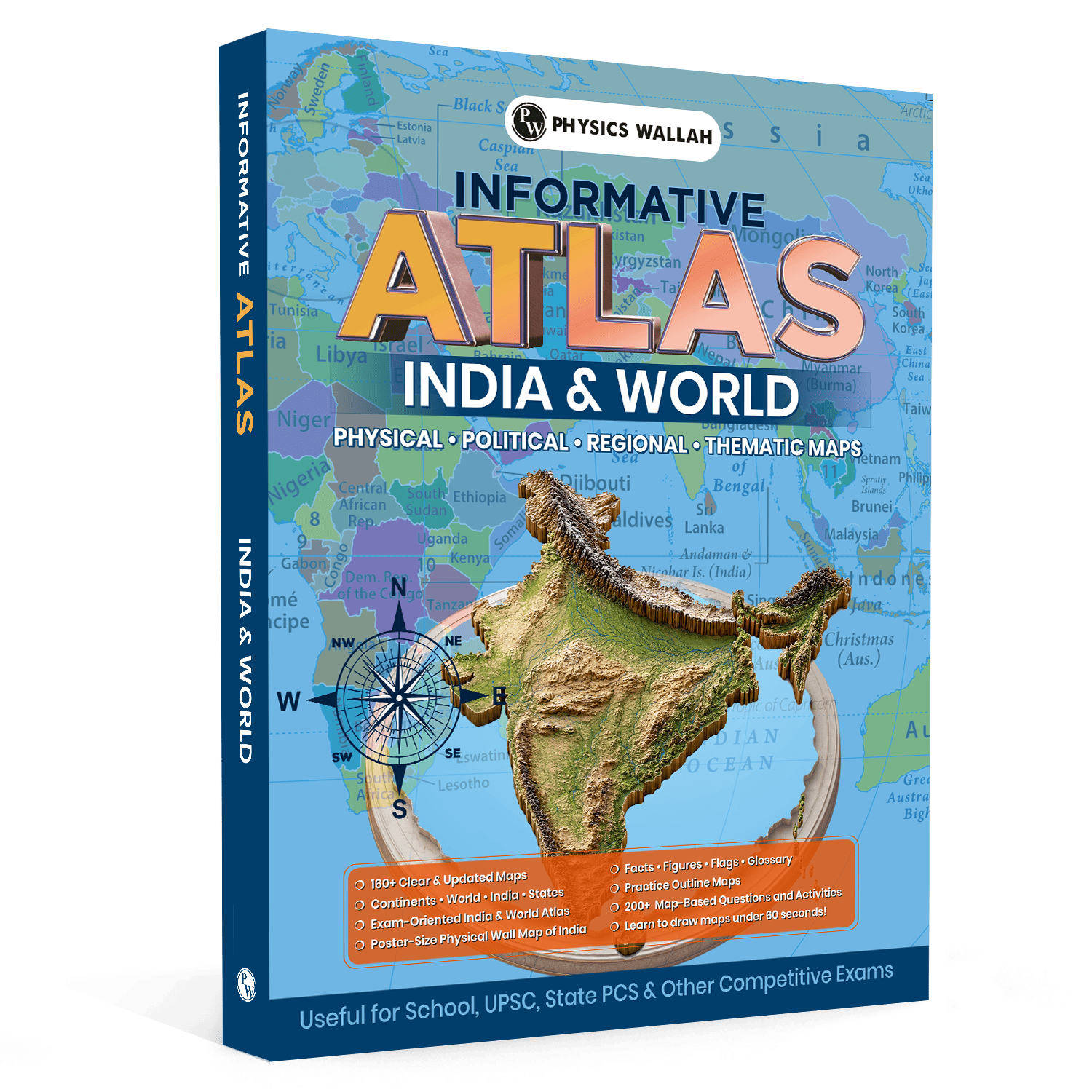
UPSC Informative Atlas – India & World for detailed physical, political, regional, and thematic maps designed for school students, UPSC, State PSC, and other competitive exam aspirants. With updated maps, clear visuals, and exam-focused content, this atlas helps strengthen geographical understanding, improve map-based learning, and support effective revision for competitive examinations.
How to Choose the UPSC Ancient History Question Bank
Selecting the right resources determines the speed and accuracy of your preparation. A reliable book or dedicated digital portal should provide well-segregated questions accompanied by clear explanations. Using a dedicated source helps streamline your efforts, ensuring you spend your valuable energy on highly relevant practice material.
UPSC Ancient History Question Bank FAQs
How does a UPSC ancient history question bank help in clearing the exam?
It helps by breaking down a massive syllabus into specific, high-yield topics. This allows you to practice targeted questions, recognize examiner patterns, and understand crucial ancient terminology.
Why is a chapterwise history layout preferred for ancient history UPSC preparation?
A chapterwise layout ensures you understand one historical era completely before moving forward. It stops you from getting confused between different dynasties and clarifies chronological events.
What are the most important areas to focus on for prelims history questions?
The most critical areas include Indus Valley sites, the philosophies of Buddhism and Jainism, Ashokan edicts, and the socio-economic terms used during the Maurya and Gupta periods.
Can I rely only on a UPSC history book without practicing questions?
No, reading textbooks passively often leads to poor retention. Practicing questions forces active recall, tests your conceptual clarity, and trains you to eliminate incorrect options under real exam conditions.
How should I revise ancient history UPSC topics effectively during the final months?
You should combine brief note reviews with regular practice from your question bank. Focus heavily on solving previous years' trends and revising tables containing ancient administrative terms, art forms, and literature.