How NCERT Summary Books Improve UPSC Concept Clarity
Many aspirants spend months lost in a maze of bulky textbooks, struggling to separate vital concepts from background noise. The sheer volume of NCERTs, spanning from Class 6 to 12, can quickly lead to burnout, leaving you with piles of notes but very little actual "concept clarity."
This is where UPSC NCERT summary books become a game-changer. Instead of drowning in thousands of pages, these curated resources help you pin down the fundamental logic behind every topic.
By focusing on the core essence of the syllabus, they bridge the gap between basic reading and the deep, analytical understanding required to clear one of the toughest exams in the world.
Check Out: UPSC Books for 2026 Preparation
Overview of UPSC NCERT Summary Books
When you begin your civil services journey, everyone tells you to "read the NCERTs first." However, reading and mastering are two different things. Standard textbooks are written for school children, meaning the information is spread out across various grades.
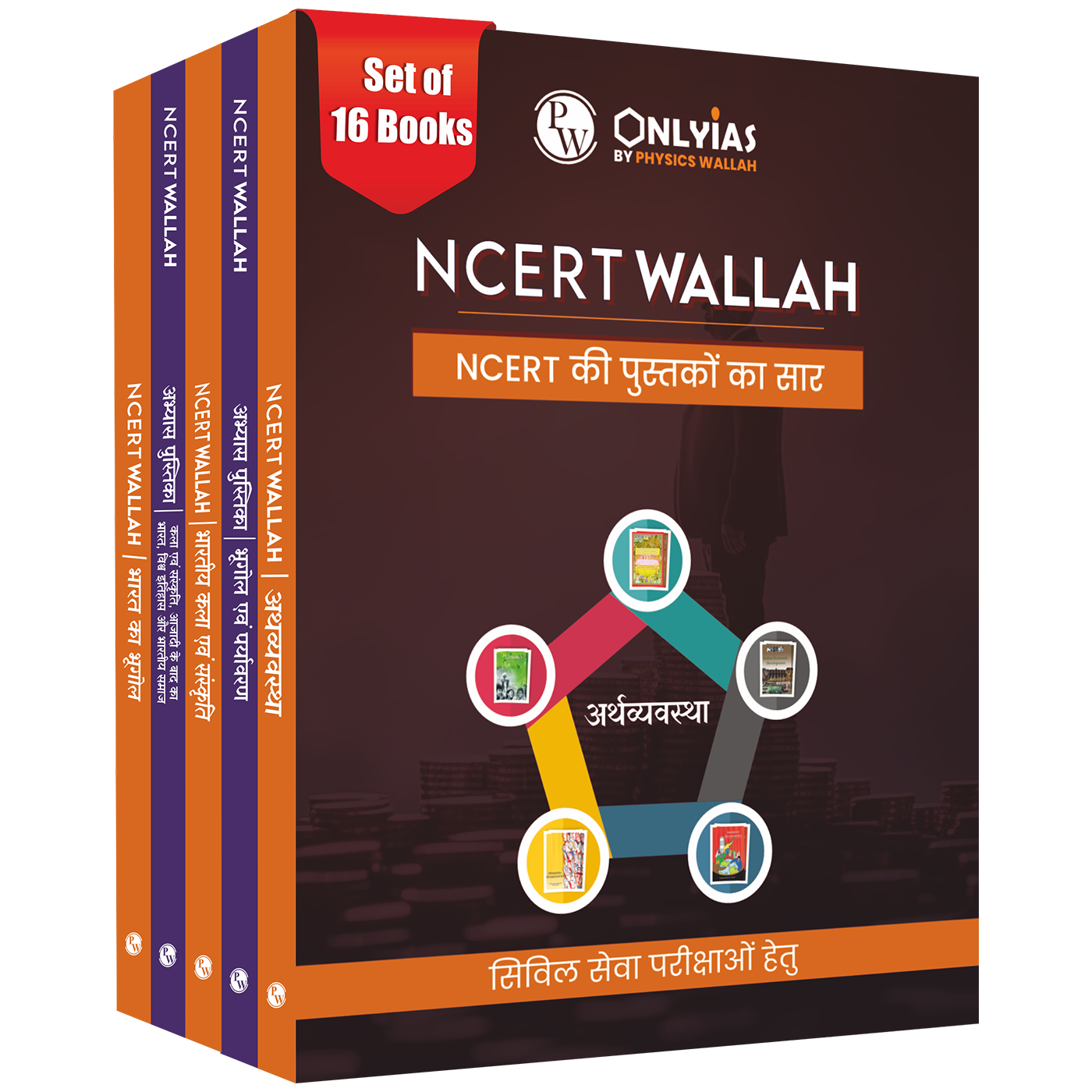
The summary books solve this by consolidating the most relevant data from over 50 NCERT volumes into a compact, manageable format. This ensures that a student doesn't have to jump between a Class 7 History book and a Class 12 History book to understand a single timeline.
These books align perfectly with the UPSC requirement, stripping away the academic fluff and leaving behind the pure concepts that form the bedrock of both Prelims and Mains.
Features of UPSC NCERT Summary Books
Choosing the right study material can make or break your preparation. Quality UPSC NCERT Summary books are designed with specific pedagogical tools to make learning faster and more intuitive.
-
Comprehensive Coverage: These books offer a holistic view of 50+ NCERTs, ensuring you don't miss out on any crucial chapter across subjects like Geography, History, Polity, and Economy.
-
Visual Learning Tools: Complex theories are often easier to grasp when you see them. These summaries use intensive maps, detailed diagrams, and structured flowcharts to simplify difficult topics.
-
Critical Thinking Prompts: Features like 'Points to Ponder' or 'Thinking Points' encourage you to look beyond the facts and understand the 'why' and 'how' of a concept.
-
Structured Organization: The content is organized subject-wise rather than grade-wise, allowing for a seamless flow of information from basic to advanced levels.
-
UPSC Alignment: Every page is written with the current exam pattern in mind, ensuring the language and depth match what the commission expects from candidates.
How to Use UPSC NCERT summary books to Improve Scores
Simply owning the books isn't enough; you must use them strategically to see a jump in your mock test scores. Here is a step-by-step approach to maximizing the utility of summary books.
-
First Read for Context: Read a chapter without trying to memorize anything. Just focus on understanding the flow of the story or the logic of the theory.
-
Active Recall with Workbooks: After finishing a summary chapter, immediately move to the corresponding NCERT workbook. Practice the chapter-wise Prelims and Mains questions to see if you can apply what you just read.
-
Note Enrichment: Use the margins of your UPSC NCERT summary books to add current affairs updates. For example, if you are reading about the Finance Commission in the summary, jot down a note about the latest commission’s recommendations.
-
Analyze Trends: Look at the 'Points to Ponder' and try to frame a 150-word answer. This builds the muscle memory needed for the Mains exam.
When to Use UPSC NCERT summary books in Your Preparation
Timing is everything in UPSC. While these books are versatile, they serve different purposes at different stages of your timeline.
-
The Foundation Phase: Use them right at the start. If you are a beginner, jump-starting with a UPSC NCERT summary helps you build a "mental map" of the entire syllabus within the first 60 days.
-
The Revision Phase: During the last three months before the Prelims, you cannot afford to go back to the original NCERTs. This is when the summary books become your good friend, allowing you to revise an entire subject in just a few hours.
-
Post-Mock Analysis: If you find yourself consistently getting questions wrong in a specific area (like Indian Climate or Medieval India), go back to that specific chapter in the summary book to clear the confusion.
Check Out: UPSC Textbooks
Benefits of Using UPSC NCERT summary books for Students
The primary struggle for any aspirant is time management. Using summary books provides a direct route to efficiency. Instead of spending six months reading original textbooks, a student can cover the foundational syllabus in half the time.
-
Simplified Learning
These books break down jargon-heavy paragraphs into simple, digestible bullet points. This is particularly helpful for students coming from non-humanities backgrounds who might find subjects like Sociology or Fine Arts intimidating.
-
Better Retention
Because the books use visual aids and summary tables, the brain retains the information longer. When you see a flowchart of the Himalayan mountain system, it sticks better than a three-page descriptive text.
-
One-Stop Resource
You no longer need to keep a library of school books on your desk. A single set of UPSC NCERT summary books acts as your primary reference guide for both the initial learning phase and the final revision rounds before the exam.
Check out: UPSC Previous Year Papers
Study Plan with UPSC NCERT summary books
To finish the basic syllabus effectively, you can follow a 12-week structured plan using these summaries.
|
Week |
Subject Focus |
Goal |
|
Week 1-3 |
History & Art and Culture |
Cover Ancient, Medieval, and Modern summaries along with the workbook. |
|
Week 4-6 |
Geography & Environment |
Focus on maps and diagrams in the summary books to understand physical and human geography. |
|
Week 7-9 |
Indian Polity & Constitution |
Use the summaries to learn articles, schedules, and fundamental concepts. |
|
Week 10-11 |
Economy & General Science |
Simplify complex economic cycles and basic scientific principles through flowcharts. |
|
Week 12 |
Full Revision |
Rapidly scan all "Points to Ponder" and summary tables across all 11-16 books. |
Read More: UPSC Mains Exams - Highest Scoring Optional Subjects
UPSC NCERT Summary Books FAQs
1. Are UPSC NCERT summary books enough for the entire preparation?
While these books provide a rock-solid foundation and cover the basics extensively, you should supplement them with standard reference books and current affairs to handle the dynamic nature of the exam.
2. Can I skip the original NCERTs if I use a UPSC NCERT summary?
Yes, these summaries are specifically designed to include all the relevant points from the original books, saving you the time of reading 50+ different textbooks.
3. How do these summaries help in the Mains exam?
These books help develop an analytical mindset, while the structured format of the books teaches you how to present answers in a clear, point-wise manner.
4. Do these books cover the latest UPSC pattern?
Yes, the questions and content in a quality UPSC NCERT summary are aligned with the recent shifts in the UPSC Prelims and Mains patterns, ensuring your practice is always relevant.