How to Read Monthly Current Affairs April 2026 for UPSC Prelims Relevance
Cracking the Civil Services Examination demands an intelligent balance between stable, static textbook theory and rapidly evolving dynamic events. When facing a massive volume of news, countless civil services candidates find themselves overwhelmed by information overload while analyzing updates from april 2026. The primary challenge lies in separating generic daily news headlines from the conceptual, high-yielding topics that are actually relevant to the preliminary examination.
Trying to read every news source from scratch consumes excessive time and reduces your revision efficiency. To clear the highly competitive preliminary threshold, you must transition away from simple, passive reading toward a highly targeted, syllabus-mapped revision strategy. This detailed masterclass guide breaks down exactly how to navigate your upsc current affairs april materials, organize your weekly preparation timelines, and pick the best monthly summaries to maximize your retention.
This detailed masterclass guide explains exactly how to navigate your UPSC current affairs for April 2026, organise weekly preparation timelines, identify Prelims-relevant themes, and select concise monthly summaries that improve retention and revision speed. Using structured monthly current affairs resources can help transform scattered information into a focused preparation framework aligned with the UPSC syllabus.
The Strategic Importance of April 2026 Current Affairs for UPSC Prelims
The Civil Services Preliminary Examination relies heavily on tracking dynamic, real-world events and linking them back to core academic subjects. Mastering your upsc current affairs april notes is essential because late-spring developments often establish the foundational themes for upcoming policy discussions, global summits, and environmental regulatory updates.
Instead of trying to memorize every minor daily event from april 2026, your primary focus must remain on broad systemic understanding. The civil services exam evaluates an applicant's capacity to comprehend the root causes, institutional frameworks, and long-term socioeconomic outcomes of major national and international developments.
Why a Structured Monthly Compilation Beats Daily Notes
While daily newspaper reading builds your initial analytical perspective, it consumes far too much time if you try to build individual notes every single morning. A premium upsc monthly magazine for current affairs eliminates this daily administrative burden by sorting hundreds of complex reports into clear, structured folders mapped directly to General Studies syllabus pillars. This systematic compilation allows you to dedicate your core energy to memorization and active question-solving rather than manual information aggregation.
Key High-Yield Sections to Extract from April 2026
To read your april 2026 current affairs magazine efficiently, you must apply a strict filter to every page. Do not read the compilation cover-to-cover like a standard fiction novel; instead, look for specific, high-yield preliminary triggers.
-
Polity and Governance: Focus your attention on major bills, landmark judicial observations, constitutional amendments, and alternative dispute resolution advancements like the precise operational differences between formal mediation and conciliation frameworks.
-
Economic Developments: Track core structural metrics released by international institutions, shifting banking regulations, macro-level trade policies, and critical infrastructure projects.
-
Environment and Ecology: Highlight newly designated wildlife habitats, international environmental treaties, national park boundaries, conservation initiatives, and global climate change frameworks.
-
Science and Technological Innovations: Monitor space exploration launches, defense developments, cybersecurity concerns such as evolving digital information warfare techniques, and medical breakthroughs.
This selective reading method helps aspirants convert large volumes of information into focused UPSC Current Affairs preparation while improving retention and revision efficiency for Prelims.
Mapping International Relations and Places in the News
Geographical mapping questions have become a consistent feature of modern preliminary papers. Whenever you spot an international summit, a border dispute, or a humanitarian crisis in your upsc current affairs pdf april 2026, open your physical atlas immediately. Mark the surrounding oceans, mountain passes, maritime choke points, and neighboring countries to ensure you are fully prepared for map-based question formats.
Step-by-Step Guide: How to Study Your UPSC Current Affairs PDF April 2026
To maximize your memory retention and build functional connections between static textbooks and recent developments, integrate your digital upsc current affairs pdf april 2026 into your weekly study schedule using this highly systematic, four-step approach:
1.Execute a Rapid First Reading of the Document:Step 1: The Initial Fast Scan.
Open your digital file and spend roughly 45 to 60 minutes scanning through the main index and primary section headers. Read the crisp summaries and 'News in Short' callout boxes to build a basic mental map of the month's primary events before diving into dense, multi-page analytical articles.
2.Analyze Core Articles Alongside Your Textbooks:Step 2: Core Syllabus Alignment.
Deep-dive into the main subject categories. When reading about a specific economic policy or an environmental bill, place your primary static textbooks right next to your screen. Map the recent update directly back to its foundational theory to understand both the background context and current impact.
3.Extract High-Yield Pointers and Marginal Facts:Step 3: Marginal Note Consolidation.
Avoid highlighting entire paragraphs. Use your PDF editing tools to extract only critical historical details, institutional names, regulatory authorities, or geographic locations. Convert these complex sections into brief, custom marginal notes that can be revised at a single glance later on.
4.Complete Integrated Practice Quizzes and Self-Mocks:Step 4: Active Testing and Evaluation.
Conclude your study cycle by navigating to the self-assessment section of your file. Attempt every included daily prelims pointer quiz, multiple-choice question, and factual self-evaluation exercise to test your actual retention levels and catch lingering knowledge gaps.
Comparing Leading Current Affairs Resources for Prelims
To help you choose the right UPSC books for your preparation style, here is an objective structural comparison of the top educational publications designed for the upcoming exam cycle:
|
Publication Material |
Primary Formatting Style |
Key Structural Specialization |
Best Suited For |
|
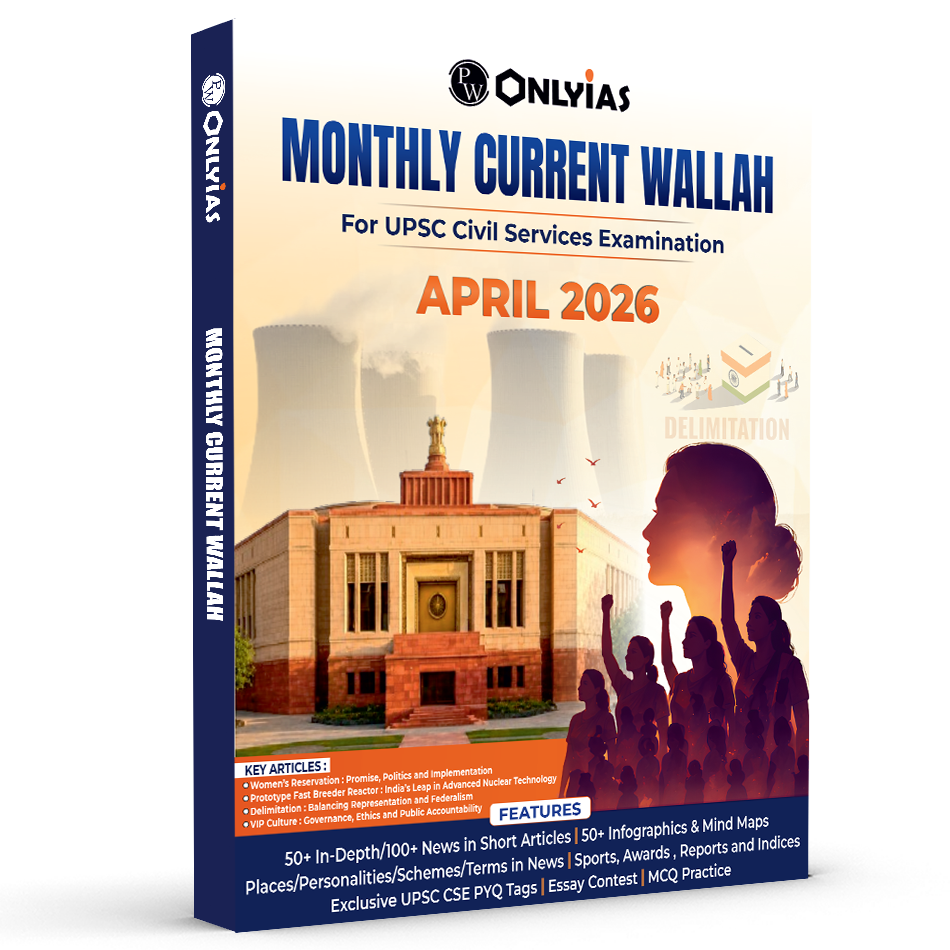
PW Monthly Current Wallah (April 2026 Edition) |
Highly structured, exam-oriented layout with simplified text. |
Integrates infographics, flowcharts, visual aids, and 'News in Short' summaries. |
Rapid revisions, visual learners, and active static-to-dynamic mapping. |
|
Insights Current Affairs Magazine (April 2026) |
Extensive, compilation-style text organized cleanly by General Studies pillars. |
Comprehensive mapping of daily editorial columns and national events. |
In-depth context building and long-term academic tracking. |
|
Vajiram & Ravi 'The Recitals' (April 2026) |
Thorough, professional review compiled by subject-matter experts. |
Features focused daily prelims pointers and systematic newspaper analyses. |
Advanced conceptual tracking and multi-dimensional theme building. |
Practical Tips to Retain Current Affairs Updates Till Exam Day
The ultimate test of your monthly current affairs for upsc prelims strategy is your ability to recall precise facts in the examination hall months down the line. Use these practical, proven retention techniques to protect your hard work from natural memory decay:
-
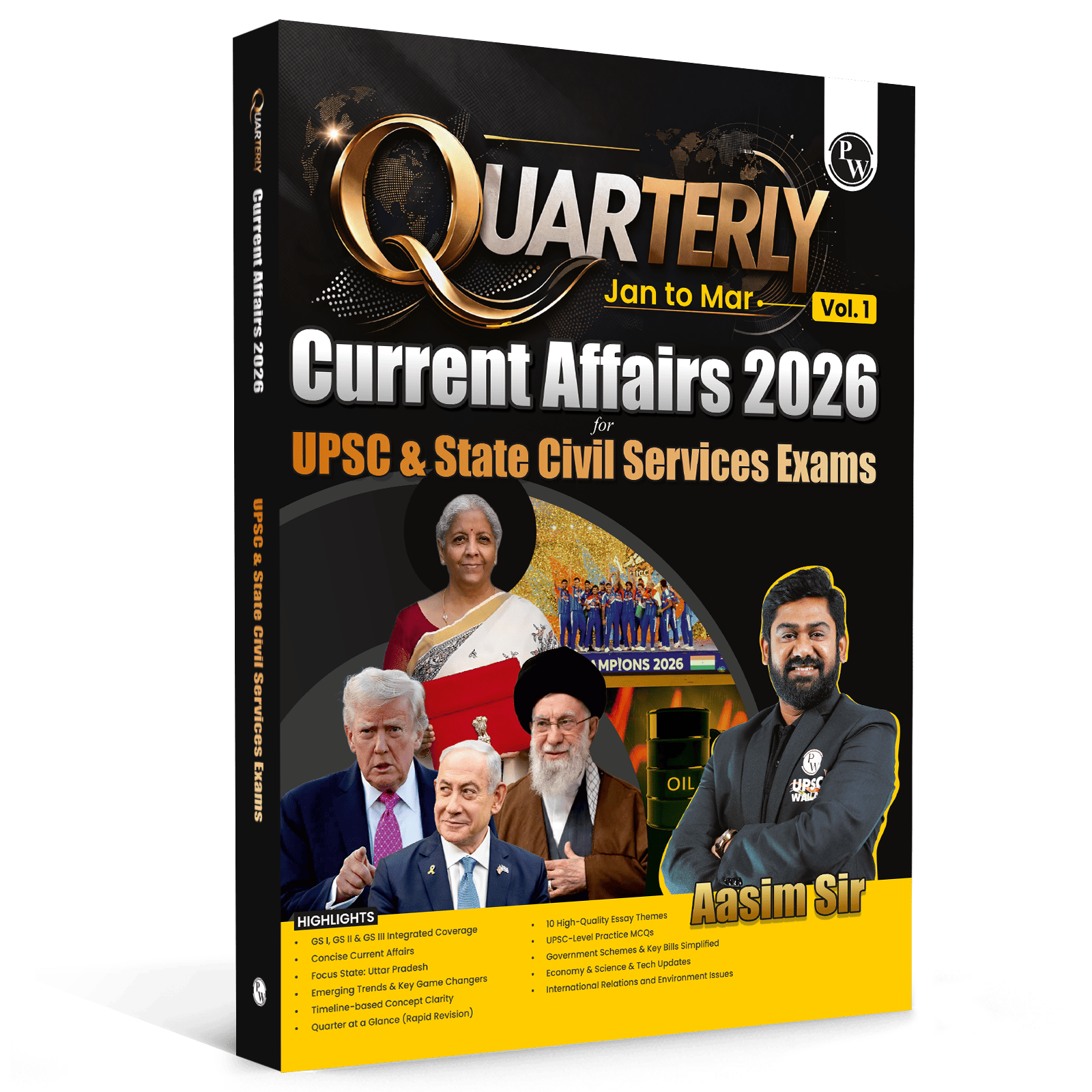
IImplement a Strict 3-Cycle Revision Schedule: Do not read a monthly summary once and leave it behind. Review your marked pointers exactly 7 days after the first reading, revisit them at the end of the month, and complete a final full revision after 90 days. To strengthen continuity across months, combine monthly compilations with resources such as Quarterly Current Affair UPSC Jan 2026, which help consolidate recurring themes and reduce fragmented revision.
-
Focus Heavily on Institutional Backgrounds: When a regulatory body or an international organization makes the news, the exam rarely asks about the specific headline event. Instead, questions target the institution's statutory status, voting powers, funding mechanisms, and administrative head offices.
-
Solve Subject-Wise Sectional Mock Tests: Once you finish processing your monthly updates, attempt dedicated sectional current affairs tests. Forcing your brain to retrieve stored facts under a strict countdown timer is the single most effective way to solidify your long-term memory.
UPSC Current Affairs FAQs
1. How many months of updates should I cover along with upsc current affairs april?
For comprehensive preliminary coverage, you must thoroughly study at least 15 to 18 months of continuous monthly updates leading up to your examination date. This timeline ensures you grasp both the immediate background causes and the subsequent policy implementations of major national developments.
2. Can I pass the exam by only using a upsc current affairs magazine 2026?
No, a monthly compilation cannot substitute for standard foundational textbooks. An effective upsc current affairs magazine 2026 is designed to complement your static reading by illustrating how core theoretical concepts apply to modern, real-world events.
3. What makes the upsc current affairs pdf april 2026 great for quick revisions?
A premium digital upsc current affairs pdf april 2026 contains specialized, highly compressed 'News in Short' sections, visual infographics, and structured data tables. These features allow you to review a massive amount of monthly information within a fraction of the time required to read raw newspapers.
4. How should beginners approach a upsc monthly magazine for current affairs?
Beginners should start by reviewing the basic index and reading the simplified summary sections first. Do not get bogged down by highly advanced analytical essays on day one; instead, focus on building a broad familiarity with the core vocabulary and main themes before moving on to deeper policy critiques.
5. Why should I choose a dedicated april 2026 current affairs magazine over daily tracking?
A professional april 2026 current affairs magazine filters out repetitive daily updates, non-essential political noise, and duplicate reports. It delivers a highly curated, exam-focused archive of the month's most vital events, helping you save valuable time and maintain a structured revision schedule.