Top Mistakes Aspirants Make While Solving UPSC PYQs

You might feel you are doing everything right by finishing the syllabus, yet mock test scores remain stagnant. The missing link often lies in how you handle past exam papers. Merely ticking off options without understanding the underlying patterns will not yield results.
This UPSC PYQs uncovers the critical traps students fall into and provides actionable techniques to transform your revision approach.
What Are UPSC PYQs?
UPSC PYQs are the official previous-year questions provided by the Union Public Service Commission for the Civil Services Examination. These papers serve as the ultimate diagnostic tool for the exam.
Rather than relying on secondary mock tests, these documents offer firsthand insights into how the commission frames questions, tests conceptual clarity, and sets the difficulty level across General Studies and CSAT papers.
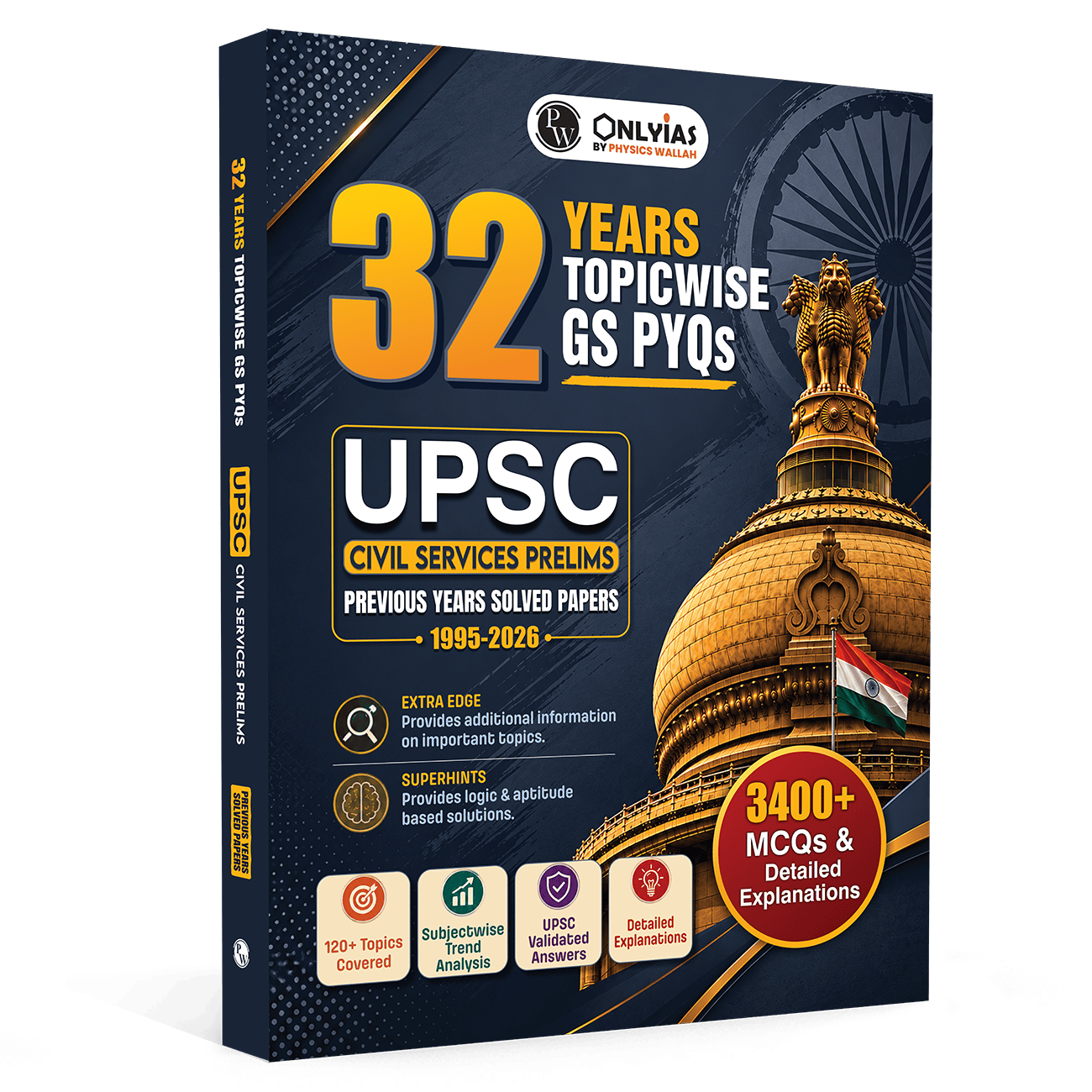
A standard compilation typically spans multiple decades, such as 32 years of papers from 1995 to 2026, encompassing more than 3400 MCQs. They cover various subjects, including:
-
Indian Polity and Governance
-
Economy and Development
-
History (Ancient, Medieval, Modern) and Art & Culture
-
Geography (Indian and World)
-
Environment, Ecology, and Biodiversity
-
Science & Technology
-
Current Affairs
Why Does Solving UPSC PYQs Correctly Matter?
Using UPSC PYQ book correctly bridges the gap between raw theoretical knowledge and actual exam-day execution. It alters your perspective from a passive reader to an active problem solver who understands the specific demands of the syllabus.
-
Deciphering Question Trends: Regular practice helps you identify recurring themes and high-weightage areas, making your dynamic preparation highly targeted.
-
Mastering Elimination Techniques: You learn the logic behind why certain choices are incorrect, which develops intelligent guessing and analytical skills.
-
Building Exam-Day Readiness: Working with authentic papers provides deep conceptual clarity and improves time management for both GS Paper 1 and CSAT Paper 2.
What are the Most Common Mistakes Aspirants Make While Solving UPSC PYQs?
Many students struggle with their UPSC PYQ mistakes without realizing where their technique fails. Recognizing these specific errors is the first step toward correcting them.
-
Treating Past Papers as a Simple Quiz
A frequent mistake is solving past papers merely to check how many answers you get right. If you use them only to calculate a score, you miss their entire analytical value. The goal is not testing your memory, but studying the structure of the question.
-
Ignoring the Incorrect Options
Aspirants often find the correct option, mark it, and move on. This leaves half the work undone. The commission frequently turns an incorrect option from a previous year's question into a central theme for a future question.
-
Relying on Outdated Current Affairs
Attempting decade-old current affairs questions without context wastes time. Static subjects like history or polity remain relevant, but vintage analytical questions based on contemporary events from 2005 or 2012 need to be filtered out.
Why Many Aspirants Fail to Track Mistakes While Solving UPSC PYQs?
Failing to log errors leaves systemic gaps in your preparation. Understanding why mistakes occur helps you build a more disciplined tracking routine and avoid repeating the same errors. Maintaining an error log alongside reliable UPSC books, such as standard textbooks, current affairs resources, revision notes, and previous year papers—enables you to strengthen weak areas, reinforce concepts, and develop a more focused and effective preparation strategy for both the UPSC Prelims and Mains examinations.
|
Reason for Failure |
Impact on Preparation |
Correction Strategy |
|
Lack of Error Logs |
Repeating the exact same conceptual errors in subsequent tests. |
Maintain a dedicated notebook categorized by subject. |
|
Overconfidence after Guessing |
Mistaking a lucky guess for genuine conceptual clarity. |
Review every guessed answer, even if it turned out correct. |
|
Syllabus Overwhelm |
Rushing through papers to finish the syllabus quickly. |
Allocate specific weekly hours solely for deep question analysis. |
Benefits of Following the Right Approach to Use UPSC PYQs
Adopting a systematic approach yields measurable improvements in your performance. It replaces anxiety with strategic confidence.
-
Topicwise Segregation: Dividing questions across more than 120 specific topics helps you pinpoint precise weaknesses in chapters like fundamental rights or balance of payments.
-
Integrated Skill Development: A proper method supports both prelims preparation and mains understanding simultaneously by building a strong baseline of conceptual clarity.
-
Enhanced Accuracy: Using detailed option-wise solutions helps you understand the examiner’s mindset, reducing silly mistakes on exam day.
Study Plan for Solving UPSC PYQs in the Right Way
To streamline your efforts, integrate this structured previous year questions strategy into your daily routine.
-
Phase 1: Topicwise Insertion
As soon as you finish reading a specific topic from your standard textbooks, solve the corresponding questions from the last 32 years immediately. This solidifies your understanding of that specific area. -
Phase 2: Option Deconstruction
For every question, write down a single line explaining why the other three options are incorrect. Use maps, diagrams, or infographics to visually organize this information. -
Phase 3: Trend Tracking
Group questions from the past few years to see if the commission is shifting focus from factual details to more analytical or applied concepts in areas like Science & Technology or Environment.
Common Habits That Improve Performance with UPSC PYQs
Successful students display specific behavioral traits when handling past papers. Incorporating these UPSC preparation tips will elevate your overall study plan.
-
Consistent CSAT Practice: Do not leave CSAT Paper 2 for the final month. Integrate past math, reasoning, and reading comprehension questions into your weekly schedule early on.
-
Using Structured Analysis Frameworks: Rely on expert-reviewed insights and organized question banks that offer comprehensive coverage without errors.
-
Regular Self-Correction: Dedicate your weekend sessions exclusively to reviewing your error logs, turning a weak UPSC exam strategy into a highly resilient routine.
UPSC PYQs FAQs
How many years of past papers should I cover for prelims preparation?
You should ideally cover 32 years of papers ranging from 1995 to 2026. This comprehensive timeframe gives you an extensive collection of over 3400 MCQs to practice, ensuring you understand evolving trends.
Why is an option-wise analysis crucial for a previous year's questions strategy?
An option-wise analysis is vital because the choices provided often become major themes for future exam questions. Understanding why options are incorrect builds deeper conceptual clarity and sharper elimination skills.
What are the most common UPSC PYQ mistakes to avoid?
The most common UPSC mistakes include treating past papers as a simple memory test, failing to maintain an error log, and wasting time on outdated current affairs questions from past decades.
Can solving past papers help with both GS and CSAT?
Yes, a structured review helps you master General Studies Paper 1 topics across 120+ areas while simultaneously refining the analytical and logical skills needed to clear CSAT Paper 2.