UPSC 2027 Study Material: What Do You Actually Need?

UPSC preparation includes many books, notes, newspapers, websites, and practice papers. Because there are so many options, choosing the right UPSC 2027 study material can be confusing, especially for beginners.
You do not need to collect every book or PDF available online. A small set of reliable resources, regular revision, current affairs, and previous year questions can make preparation more organised. The aim should be to choose useful material for both Prelims and Mains and revise it properly instead of collecting too many sources.
Importance of UPSC 2027 Study Material
The importance of UPSC study material is that it helps aspirants cover the syllabus in an organised way and build a strong base for both Prelims and Mains. Good study material can provide clear concepts, current affairs, previous year questions, revision notes, and practice tests. Using limited and reliable resources can also save time and make regular revision easier.
What Should UPSC 2027 Study Material Include?
The basic part of the UPSC study material should help you understand the concepts covered in the UPSC syllabus. NCERT textbooks can help build basic understanding, while standard reference books can provide more detailed coverage of important subjects.
-
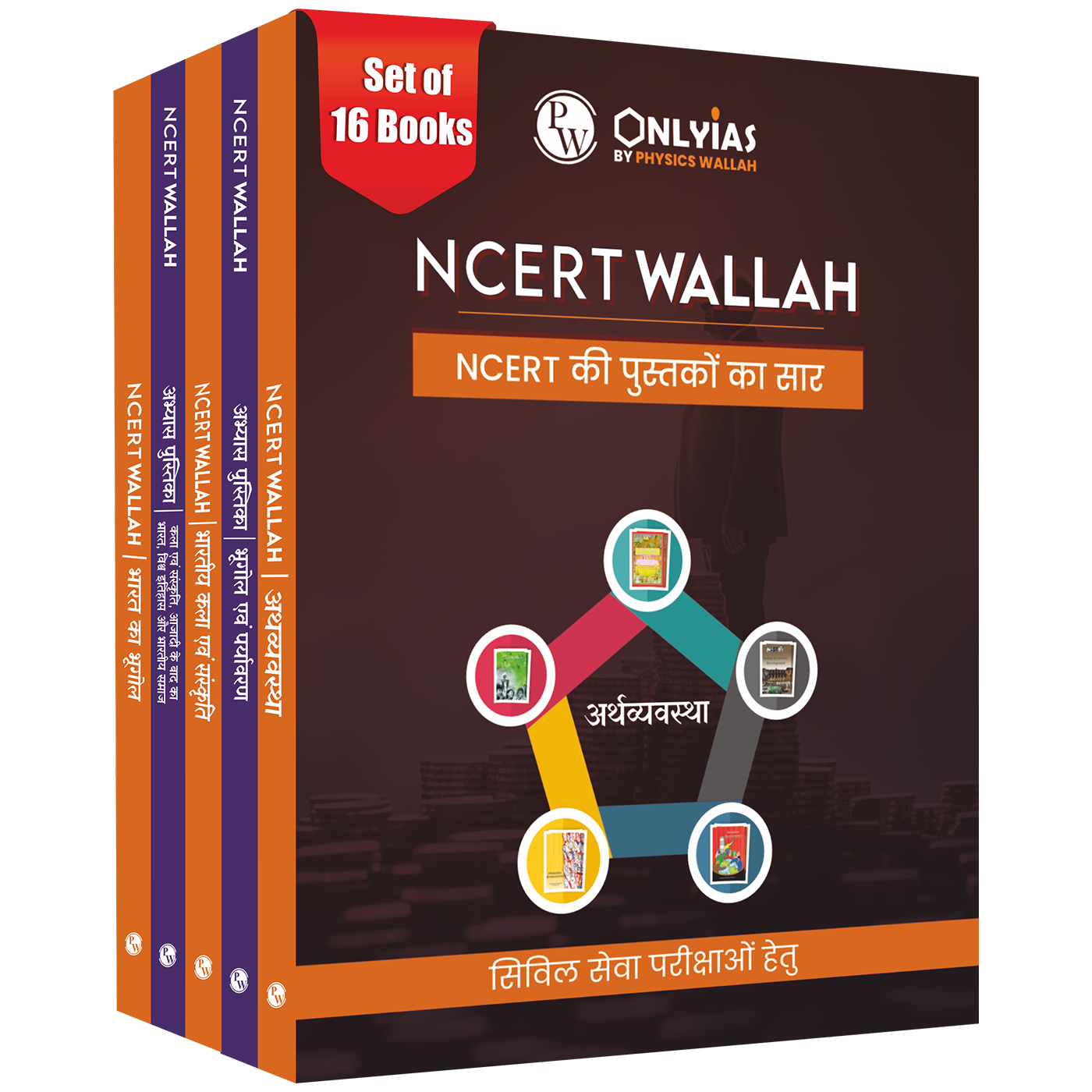
NCERT Textbooks: NCERTs from different classes can help build basic understanding of subjects such as history, geography, economics, and other areas. You do not need to read every NCERT from Class 6 to 12 if it is not relevant to your preparation.
-
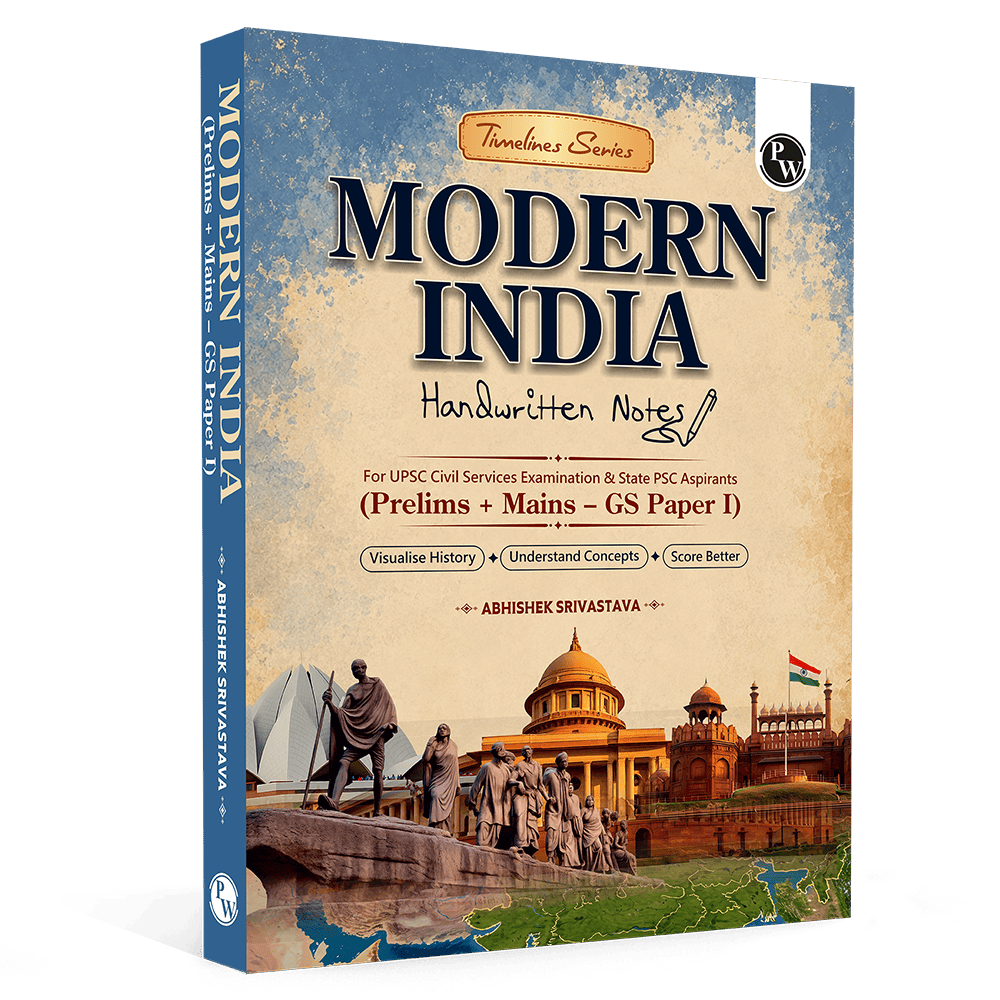
Standard Subject Books: Use selected standard books for areas such as Indian polity, modern Indian history, geography, economy, and other subjects based on your study plan.
-
Syllabus Mapping: Keep the official UPSC syllabus with you and connect your study material to its topics.
-
Previous Year Questions: Include PYQs while studying so that you can understand how UPSC asks questions from different subjects.
-
Revision Notes: Make short notes only for information that you need to remember or revise later.
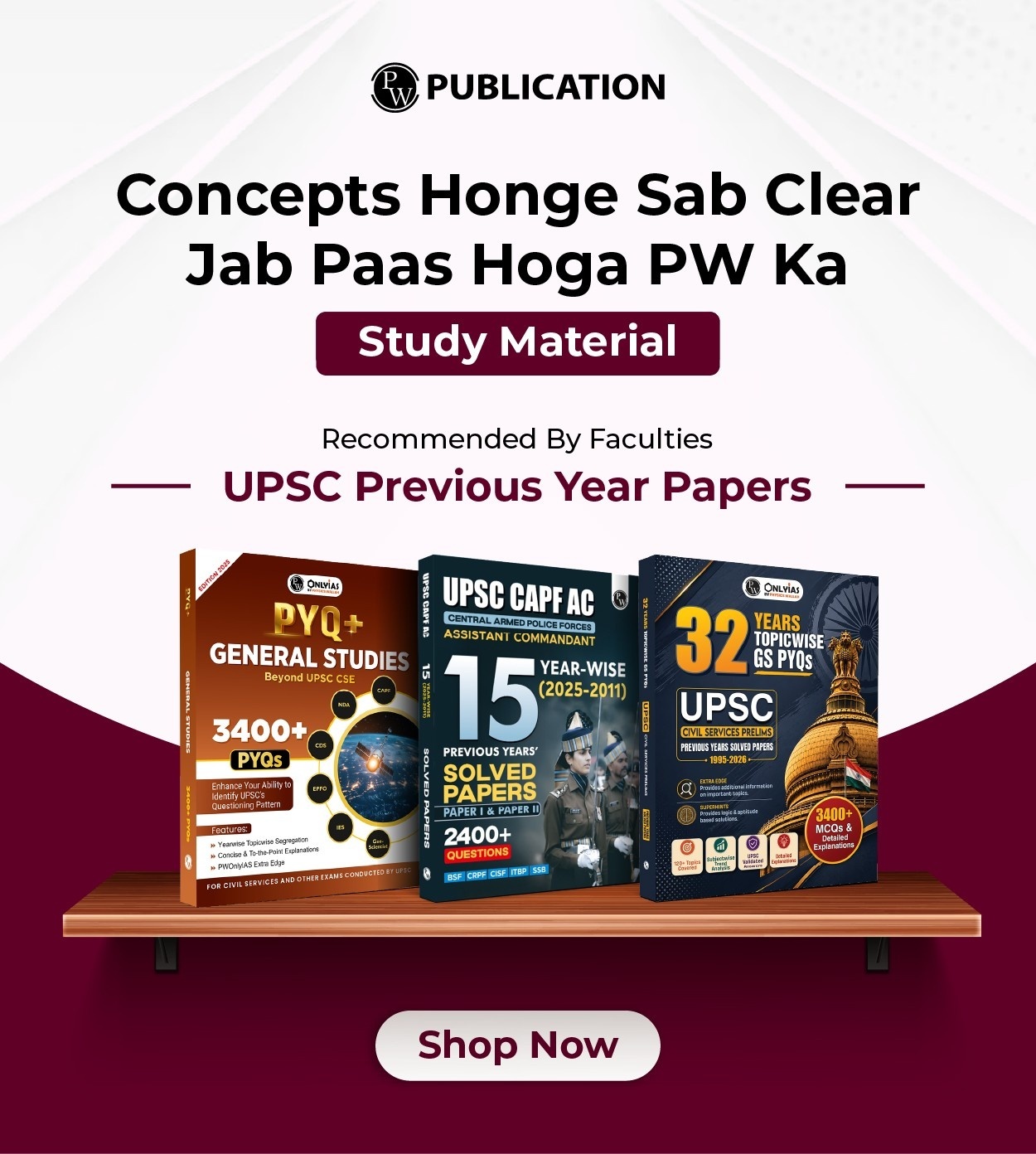
A limited resource list is easier to revise than a large collection of books. Including UPSC Previous Year Papers in your preparation can help you practise relevant questions without adding unnecessary study material. Before adding a new source, check whether it provides useful information that is missing from your existing material.
How to Use UPSC 2027 Study Material for Current Affairs?
Current affairs are an important part of UPSC preparation because recent events can be linked with topics in both Prelims and Mains. Good UPSC study material for current affairs should help you understand an issue instead of simply giving you a long list of news events.
A newspaper can be used to follow important developments, while monthly compilations can help with revision. Government websites and official reports can also be useful when you need reliable information.
-
Monthly Compilations: Use a good monthly current affairs source to revise important national and international developments.
-
Editorial Analysis: Read selected editorials to understand different sides of an issue and improve your ability to form balanced arguments.
-
Government Portals: Official sources such as government websites and PIB can help you check schemes, policies, reports, and other important information.
-
Current-Static Link: Connect important news with subjects already present in the UPSC syllabus.
-
Short Notes: Keep only important facts, examples, data, and explanations that can help during revision or answer writing.
You do not need to make detailed notes from every newspaper article. Focus on issues that have a clear connection with the syllabus.
How to Choose UPSC 2027 Study Material for Prelims?
The right study material for UPSC prelims should provide both conceptual understanding and enough practice. Prelims preparation is not only about reading books. You also need to solve questions and review your mistakes.
A useful Prelims resource should help you revise facts while also testing whether you can apply what you have studied.
-
Prelims Pointers: Use short revision material for important facts, concepts, schemes, places, organisations, and other areas that need regular recall.
-
Previous Year Questions: Solve UPSC PYQs to understand the type and level of questions asked in the examination.
-
Mock Test Papers: Use mock tests to practise under time limits and identify topics that need more revision.
-
Revision Material: Keep important facts and difficult concepts in short notes for quick revision.
-
CSAT Practice: Include suitable CSAT practice material and regular question-solving as part of your Prelims plan.
While solving questions, do not focus only on your score. Check why an option was correct or incorrect and use mistakes to guide your revision.
How to Use UPSC 2027 Study Material for Mains?
Mains requires you to explain ideas clearly and support your answers with relevant examples and arguments. Therefore, UPSC preparation material for Mains should include more than textbooks.
Your resources should help you understand issues from different angles and practise writing within the given word and time limits.
-
Mains Specific Notes: Prepare organised notes for areas such as governance, social issues, economy, internal security, environment, and ethics according to the syllabus.
-
Case Studies: For Ethics, practise case studies and learn how to identify the issue, stakeholders, options, and possible solutions.
-
Data and Reports: Keep useful statistics, government reports, committee recommendations, and examples that can support your answers.
-
Answer-Writing Practice: Write answers regularly so that you can improve structure, clarity, and time management.
-
Diagrams and Examples: Use simple diagrams, examples, and frameworks when they help explain your answer more clearly.
The purpose of Mains notes is not to memorise long paragraphs. They should give you useful points that can be developed into a complete answer. Practising with a UPSC Question Bank can also help you understand how to use these points while answering different types of questions.
Tips for Using UPSC 2027 Study Material Effectively
Having good UPSC books and study material is only one part of preparation. You also need a clear system for reading, practising, revising, and updating your resources.
Using too many books at the same time can make revision difficult. Instead, complete your main source first and then add only useful information from additional sources.
-
Concise Notes: Make short notes from your main sources instead of copying complete paragraphs.
-
Revision Cycles: Revise important topics regularly rather than waiting until the last few weeks.
-
Digital vs Print: Choose printed or digital material based on what is easier for you to read, mark, and revise.
-
PYQ Practice: Use previous year questions to check whether your study material is helping you understand the type of questions UPSC asks.
-
Resource Review: Remove duplicate or less useful material when your collection becomes too large.
-
Study Schedule: Give fixed time to reading, revision, current affairs, PYQs, and answer writing.
A good resource becomes useful only when you study it properly and revise it more than once. The focus should be on learning and recall rather than collecting more material.
Read More: UPSC Geography Previous Year Papers with Downloaded PDF
UPSC 2027 Study Material FAQs
What constitutes the core UPSC 2027 study material for beginners?
The core UPSC study material can include selected NCERT textbooks, standard reference books, the official UPSC syllabus, previous year questions, current affairs sources, and practice material. Beginners do not need to buy every available book. A limited and reliable set of resources is easier to complete and revise.
How many months of current affairs are needed using UPSC study material?
There is no single fixed number of months that works for every aspirant. Many students cover current affairs from several months before the examination and revise important developments more than once. The exact period should depend on your preparation stage and the exam calendar. Use reliable monthly sources and focus on issues connected to the UPSC syllabus.
Can free online resources replace paid UPSC preparation material?
Free resources can be useful for UPSC preparation material, especially when they come from official government websites, educational institutions, or other reliable sources. However, depending on too many scattered websites can make preparation difficult. It is better to select a few trustworthy sources and use standard books where detailed subject coverage is needed.
Why are previous year papers essential alongside UPSC prelims study material?
Previous year papers show how UPSC has tested concepts in actual examinations. They can help you understand question wording, the level of detail required, and the way familiar topics can be presented in different forms. Solving PYQs alongside UPSC prelims study material also helps you find gaps in your preparation.
How should one manage UPSC books and study material without getting overwhelmed?
Start with a limited number of reliable resources and avoid buying several books for the same subject. Finish and revise your main source before adding another one. Keep short notes, organise current affairs properly, and use PYQs and mock tests to decide what needs more study. A simple resource list makes it easier to revise.