UPSC Art & Culture Question Bank: How to Practise Static Topics for Prelims?
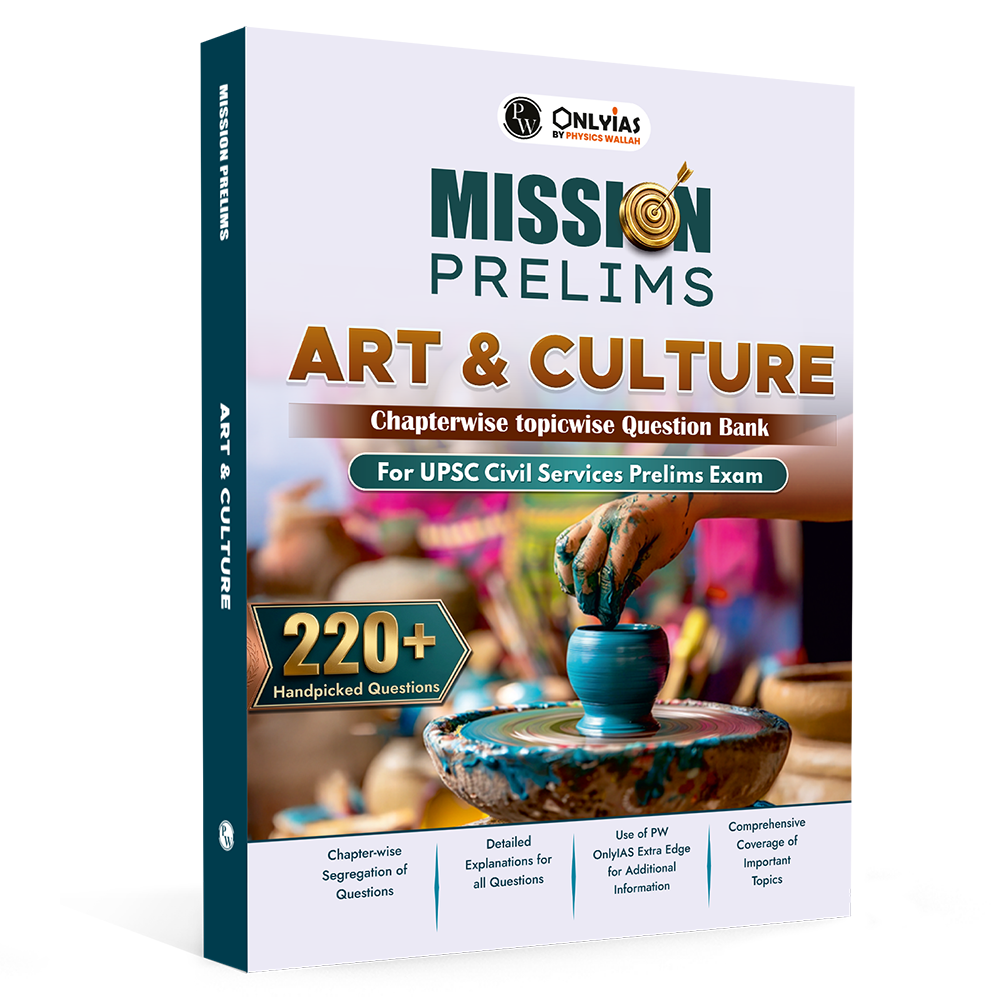
Many applicants find heritage, architecture and fine arts difficult since the syllabus seems huge and unpredictable. It is quite hard to remember the tiny nuances of temple styles, schools of painting, schools of philosophy etc if you only read textbooks. Aspirants become confused in objective papers since they don’t have an organized testing regimen. This gap is bridged by making the reading process active retrieval instead of passive reading, by using a dedicated UPSC art and culture question bank.
UPSC Art and Culture Syllabus and Question Pattern
Prelims paper assesses your understanding of rich legacy of India with application based and factual questions. Examiners seldom pose short, direct questions, instead making claims that need for multi-layered reasoning.
Why Static Portions Demand Rigorous Practice
Static topics do not change, yet the method of questioning evolves yearly. You must examine UPSC art culture questions through the lens of evolution, regional variations, and patron dynasties.
-
Architecture questions often mix terminology with spatial orientation.
-
Literature and philosophy segments demand clarity on schools of thought.
-
Craft traditions require mapping geographical indicators accurately.
Another key part of preparing is learning how different cultural issues relate with each other. For example, a question about a temple may need knowledge of its architectural style, the ruling dynasty, location and religious heritage. Likewise, a school of painting may be associated with a specific geographical place, period, patron, or creative trait. Such combinations are good for getting past simple memorization.
Make a basic list of recurring areas before beginning intensive practice. This can include architecture, sculpture, paintings, music, dance, literature, religion, philosophy, handicrafts, and cultural institutions. Using relevant UPSC Books can help you cover these areas systematically and build a strong foundation. Once these areas are divided into smaller topics, it becomes easier to identify what you have studied and what still needs attention. Regular practice also helps you notice which topics you repeatedly forget.
UPSC Art and Culture Question Bank for Topic Wise Practice
Structured problem sets give you a distinct edge over random mock tests. When you solve chapterwise modules, your brain begins to recognise recurring patterns in how options are structured.
Breaking Down Complex Themes
Breaking down vast heritage ideas into tiny pieces reduces cognitive overload. Going through a dependable UPSC art and culture MCQs booklet can help you cover specific subjects like coin systems, theater forms, and tribal music.
|
Heritage Theme |
Core Focus Areas |
Recommended Practice Strategy |
|
Temple Architecture |
Nagara, Dravida, Vesara styles |
Map floor plans and regional dynasties |
|
Ancient Sculptures |
Mauryan, Gandhara, Mathura schools |
Compare facial features and stone types |
|
Miniature Paintings |
Pahari, Mughal, Deccani schools |
Trace patron rulers and colour palettes |
|
Philosophical Schools |
Shad-Darshana, Buddhism, Jainism |
Analyse core texts and founding thinkers |
-
Focus on temple architecture styles like Nagara, Dravida, and Vesara.
-
Differentiate between various schools of ancient sculpture.
-
Track the historical progression of Indian miniature paintings.
A organized resource also makes revision easier as you may return to one topic without having to go through an entire book. For example, after completing temple architecture you can tackle a special set, check your flaws and then go to sculpting or painting. This gives a definite order of study, making it less likely that little topics will be skipped.
While solving these sets, avoid focusing only on the number of questions completed. Accuracy and understanding are more useful indicators of progress. If you solve 30 questions but make repeated mistakes in the same concept, record that topic for another revision. Over time, your UPSC question bank can become a personal revision tool containing the areas that require the most attention before the examination.
UPSC Art and Culture Questions for Elimination Practice
Clearing the preliminary stage depends heavily on your ability to eliminate incorrect options under pressure. Solving targeted art culture practice questions trains your mind to spot extreme statements or contradictory facts hidden within exam prompts. Detailed solutions accompanying a comprehensive upsc prelims resource teach you why a specific statement stands out as incorrect. This analytical habit prevents negative marking and sharpens your intuitive reasoning during high-stakes testing moments.
Elimination becomes particularly useful when you are unsure about the exact answer. Instead of making a random guess, compare every statement with the facts you already remember. Look for words such as “only”, “always”, “all”, or “exclusively”, as such terms can change the meaning of a statement. However, these words should not automatically be treated as incorrect. Always check whether the statement fits the historical context.
You can improve this skill by maintaining an elimination log. Whenever you get a question wrong, write down why you selected the incorrect option and what information could have helped you eliminate it. After a few practice sessions, review this log to identify repeated errors. This approach makes question practice more useful because you are learning both the subject matter and the process of approaching difficult objective questions.
Also Check - UPSC Previous Year Papers
UPSC Art and Culture Question Bank for Revision
Active recall remains the most reliable technique for long-term memory retention. Pairing your standard reading material with structured UPSC art and culture question bank exercises solidifies architectural timelines and cultural terminology.
-
Read a specific chapter from your core revision notes.
-
Attempt corresponding practice sets immediately without checking answers.
-
Review detailed explanations for every single incorrect choice.
After completing a practice set, avoid moving to a new topic immediately. Spend a few minutes identifying the questions that were difficult, guessed, or answered incorrectly. These questions can form a short revision list for the next study session. Revisiting them after a gap helps strengthen memory and reduces the chances of repeating the same mistakes.
You can also follow a weekly revision cycle for static topics. Dedicate the first few days to learning and solving chapterwise questions, keep one session for revisiting mistakes, and use the final session for a mixed quiz. A mixed quiz is useful because the actual prelims paper does not separate questions according to the order in which you studied them. This gradually improves your ability to switch between architecture, paintings, literature, philosophy, and other cultural topics.
The aim should be to create a continuous cycle of reading, practising, analysing, and revising. This keeps static subjects active in your memory instead of limiting them to one-time reading before the examination.
Read More: Daily Study Plan for UPSC Preparation
UPSC Art and Culture Question Bank FAQs
What makes an upsc art and culture question bank essential for prelims?
It provides structured, objective-style testing that converts passive reading into active recall, helping aspirants adapt to changing exam trends.
How many UPSC art culture questions should I solve daily?
Solving twenty to thirty targeted questions daily keeps your retention high while leaving ample time for core textbook revision and current affairs.
Are standard mock tests enough, or do I need a specialized UPSC art and culture MCQs booklet?
Standard mocks cover mixed topics broadly, whereas specialized booklets offer deep, chapterwise practice required for nuanced heritage concepts.
How can art culture practice questions improve my elimination technique?
Detailed explanatory notes teach you how to spot trap words, absolute statements, and historical inaccuracies in multi-statement prelims questions.
Where can I find reliable resources for UPSC prelims art and culture preparation?
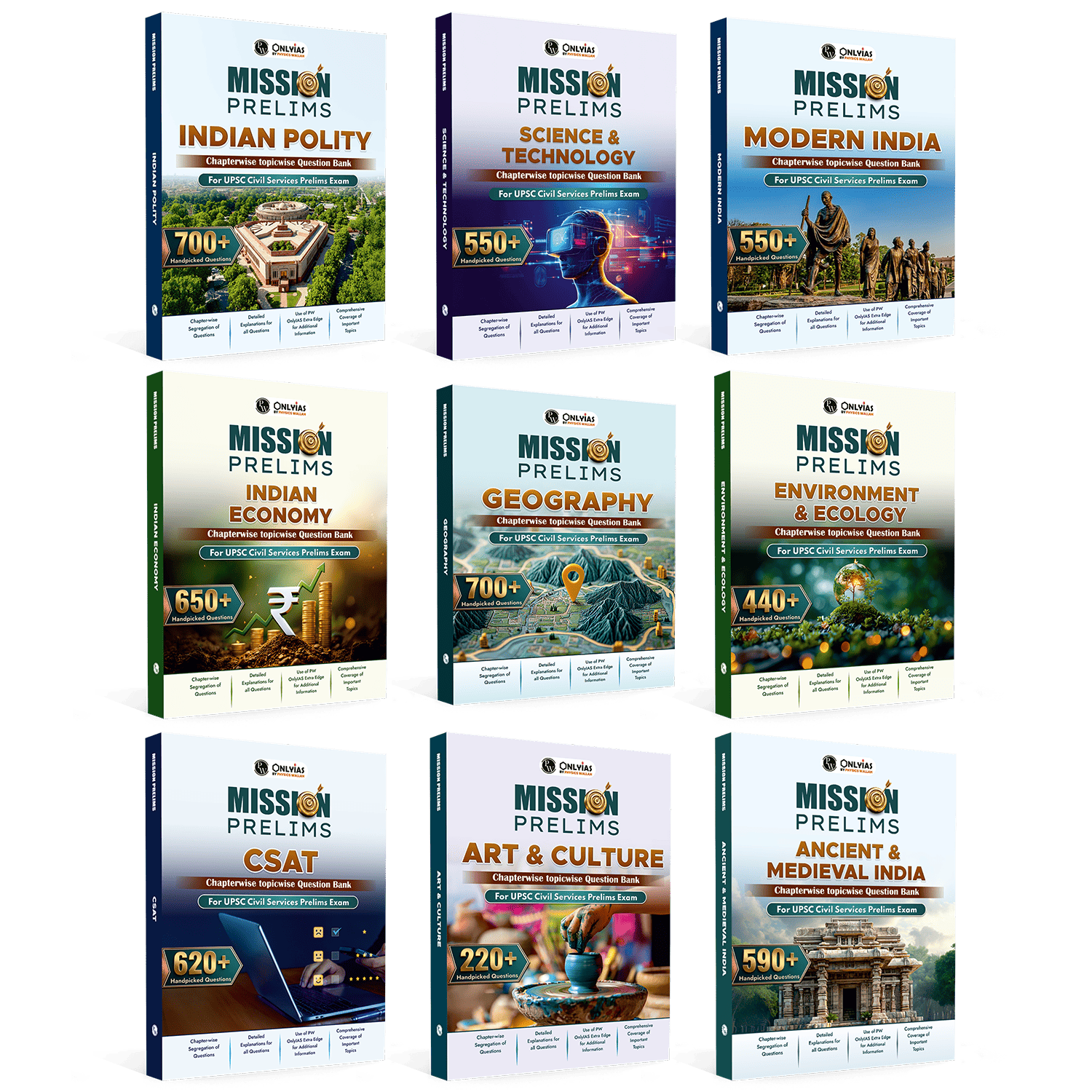
Curated combo sets and structured practice modules available on educational platforms offer handpicked questions with comprehensive explanations.