Why Every UPSC Aspirant Should Solve 32 Years of Previous Year Questions

You might spend months reading heavy standard textbooks, yet still struggle when attempting mock questions. Many students find themselves trapped in a cycle of endless reading without understanding how the civil services exam actually tests their knowledge.
This critical gap between studying theory and clearing the exam can only be bridged by focusing on UPSC previous year questions. By interacting with genuine exam papers, you shift your approach from passive reading to active, exam-oriented practice.
What Are UPSC Previous Year Questions?
In simple terms, UPSC previous year questions are the official question papers from past Civil Services Examinations conducted by the Union Public Service Commission. These papers span General Studies Paper 1 and CSAT Aptitude Paper 2. They serve as an authentic record of what the exam actually demands from an aspirant.
Rather than relying entirely on random mock tests, analyzing actual past papers provides a direct look into the examiner's mind. These papers are categorized into comprehensive topicwise structures across major subjects, including:
-
Indian Polity and Governance
-
Economy and Social Development
-
History (Ancient, Medieval, and Modern)
-
Geography (Indian and World)
-
Environment, Ecology, and Climate Change
-
Science & Technology
-
Current Affairs
Why Are UPSC Previous Year Questions Essential for Every Aspirant?
Many beginners make the mistake of jumping directly into advanced mock series before looking at real question trends. UPSC PYQ book are essential because they prevent you from wasting valuable study hours on low-yield topics.
Evaluating a 32-year timeline lets you observe the gradual shift in question style. You can see exactly how straightforward factual questions have evolved into complex, statement-based evaluation problems. This long-term perspective ensures you are never surprised by sudden changes on exam day.
How do UPSC Previous Year Questions Help Identify High-Weightage Topics?
You do not need to study everything under the sun with equal intensity. Past papers act as a guide that shows you exactly where to focus your energy by highlighting UPSC exam trends.
When you study topicwise segregated questions, clear patterns start to emerge:
-
Polity: Questions consistently focus on Fundamental Rights, Directive Principles, and Parliamentary procedures.
-
Economy: The exam frequently highlights banking systems, monetary policy, and inflation mechanics over pure theory.
-
Environment: Focus stays on specific national parks, wildlife protection laws, and international climate conventions.
How UPSC Previous Year Questions Strengthen Prelims Preparation?
The preliminary stage serves as a strict filtering mechanism. Developing strong problem-solving accuracy under pressure is vital for successful UPSC prelims preparation.
-
Visual Learning Support: Top-tier resources integrate maps, diagrams, and clear infographics directly into past paper solutions to clarify complex geographic or scientific layouts.
-
CSAT Readiness: Working through CSAT previous year papers helps you tackle the growing difficulty of Paper 2, reducing your exam anxiety.
-
Authentic Benchmarking: Past papers give you a realistic measure of your actual performance levels compared to unpredictable mock materials.
Benefits of Using UPSC Previous Year Questions
Engaging deeply with past papers transforms how you absorb your daily UPSC study material. It changes your focus from merely completing chapters to actively extracting relevant data.
1. Deep Conceptual Clarity
Reviewing actual questions helps you see the integration between Prelims and Mains concepts. Instead of just memorising facts, you learn the underlying principles, which helps you build the solid foundational knowledge required for the civil services exam preparation.
2. Strategic Elimination Techniques
-
Understanding Distractors: You learn how incorrect options are structured to mislead you.
-
Logical Guessing: Past papers provide special clues or "Superhints" that help you make intelligent guesses when stuck between two options.
-
Option-Wise Analysis: Evaluating all four options ensures you understand the logic behind why a statement is right or wrong.
3. Better Time Management
Practising authentic papers helps you build an efficient test-taking pace. It teaches you how much time to give to direct questions versus analytical questions, ensuring you finish your paper comfortably.
How to Use UPSC Previous Year Questions?
Simply reading through a question and checking the answer key is not enough. To truly benefit from past papers, you need an active and structured approach. Along with regular PYQ practice, studying from reliable UPSC Books helps build strong conceptual understanding and provides the background knowledge needed to solve analytical questions effectively.
-
Read the Topic First: Complete your basic reading of a specific chapter from your text.
-
Attempt Without Assistance: Try to solve the related past papers over a 32-year range without looking at the explanations.
-
Analyse All Options: Do not just look at the correct option. Spend time finding out why the other three options are incorrect.
-
Update Your Short Notes: Add any unique facts or smart shortcuts you discover directly into your primary revision resources.
Study Plan for Solving UPSC Previous Year Questions
To organize your efforts effectively, follow this structured weekly routine for your UPSC PYQ practice:
|
Phase |
Focus Area |
Activity Breakdown |
Expected Outcome |
|
Phase 1 |
Topic-wise Evaluation |
Solve past papers directly alongside your daily static syllabus readings. |
Strong thematic understanding |
|
Phase 2 |
Full-Length Practice |
Attempt to complete 2-hour papers from past years under strict exam conditions. |
Improved speed and control |
|
Phase 3 |
Deep Error Analysis |
Identify your recurring weak areas and master option elimination. |
Higher accuracy, fewer mistakes |
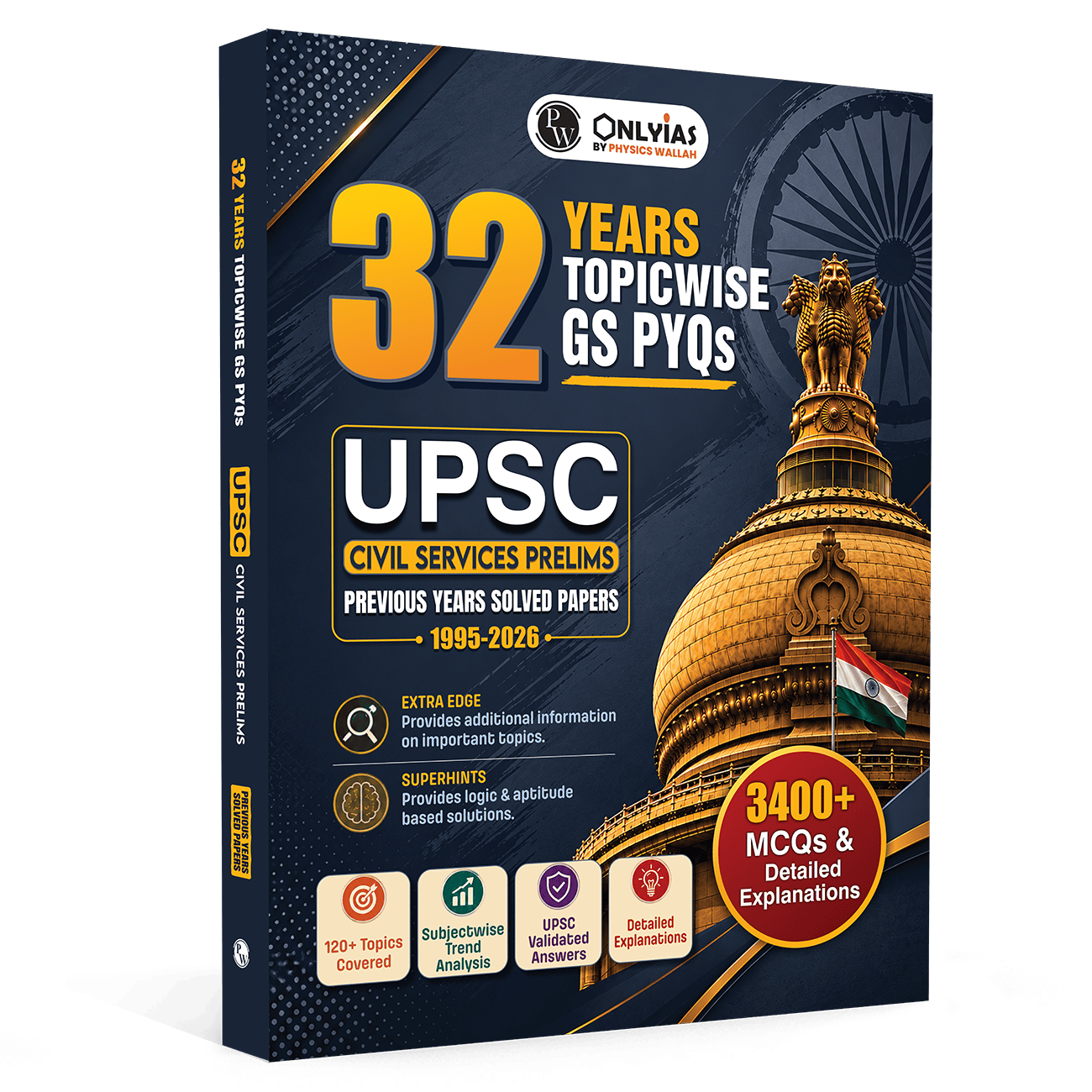
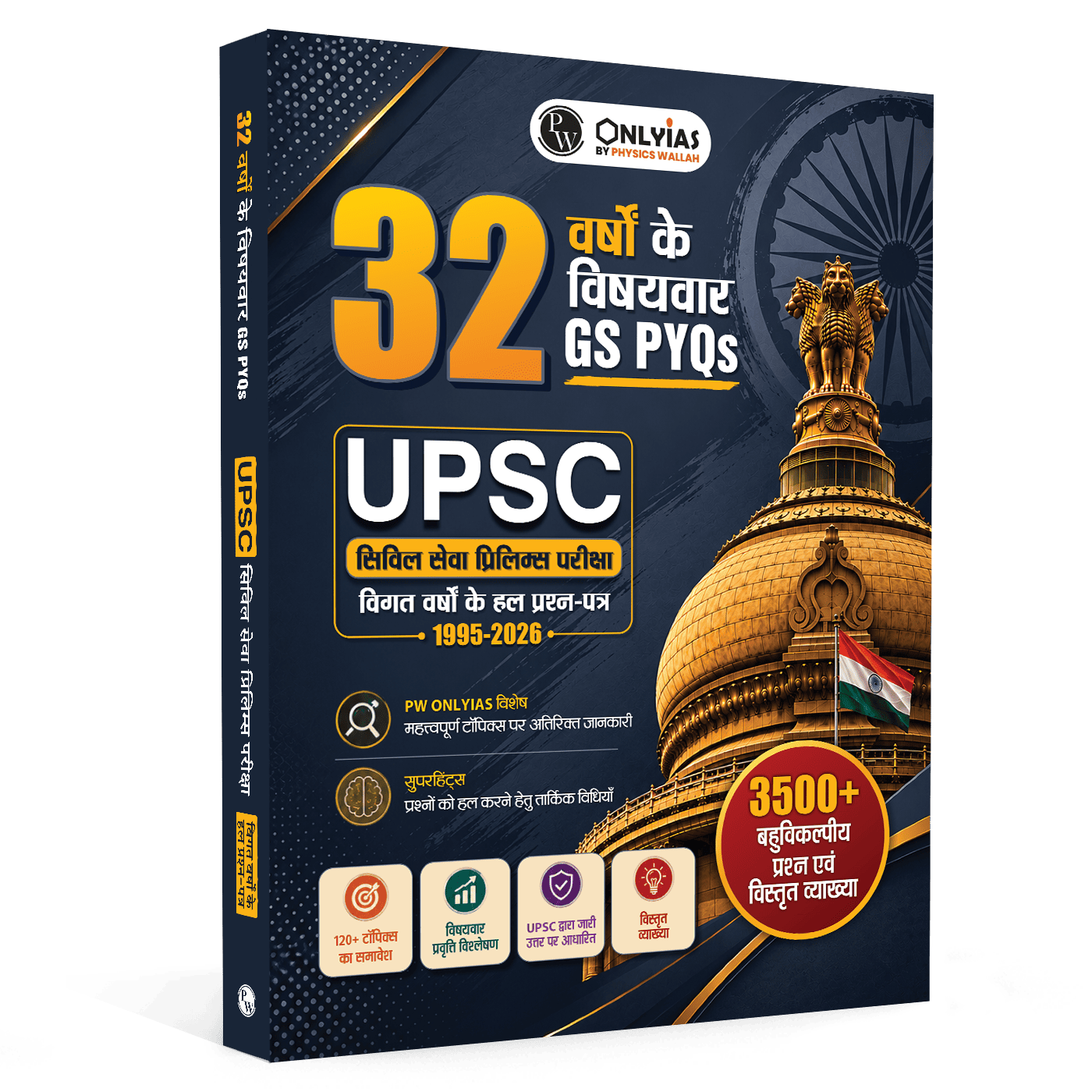
UPSC Prelims PYQ Book Hindi Edition includes 32 years of topic-wise GS questions from 1995–2026, with 3500+ MCQs and detailed explanations to strengthen preparation for the Civil Services Exam 2027.
Common Mistakes to Avoid While Solving UPSC Previous Year Questions
Even dedicated students can limit their progress by falling into common study traps. Being aware of these pitfalls will keep your preparation on the right track:
-
Rote Memorisation: Memorising the answers is useless because questions are rarely repeated word-for-word. Focus on understanding the core concept instead.
-
Ignoring Current Trends: Avoid spending days memorising specific current affairs details from 1998; focus on the static concepts behind those older questions instead.
-
Skipping CSAT Papers: Many students fail Prelims because they neglect Paper 2. Treat CSAT past papers with equal importance.
-
Procrastinating Practice: Waiting until the final month to start past papers creates unnecessary panic. Integrate them into your routine right from day one.
Read More: Are Last Years PYQs Enough for UPSC 2026 Preparation?
UPSC Previous Year Questions FAQs
1. Are UPSC previous year questions repeated in the actual exam?
Direct repetitions are rare, but the underlying concepts, themes, and styles of options are repeated almost every year.
2. How many years of past papers should I ideally solve?
Covering 32 years of papers gives you an ideal overview of both older, fundamental patterns and evolving modern trends.
3. Should I practice past papers before or after finishing the syllabus?
You should practice them topic-wise while covering the syllabus, and then solve full-length papers once your syllabus is complete.
4. How do past papers assist in option elimination?
They teach you to recognise regular phrase patterns and traps used by examiners, which improves your logical guessing skills.
5. Can I rely solely on past papers to pass the exam?
No, they must be combined with standard books and regular current affairs updates to build a complete preparation framework.