How Mindmaps Help UPSC Aspirants Recall Complex Topics Faster
Preparing for the Civil Services Examination requires managing a massive syllabus. Many students struggle to retain extensive historical dates, geographical patterns, and intricate constitutional articles.
When the exam approaches, traditional linear notes often lead to information overload. This is where using UPSC mindmaps Hindi can completely transform your preparation strategy by turning lengthy chapters into highly structured visual summaries.
Importance of Using UPSC Mindmaps Hindi
Most aspirants write pages of dense paragraphs while covering the syllabus. While this helps during the first reading, it becomes a major hurdle during the final months. Linear notes do not match how the human brain naturally processes data.
-
Information Overload: Reading endless text tires the mind quickly.
-
Poor Retention: Large blocks of sentences make it hard to isolate core concepts.
-
Slow Retrieval: Searching for a specific point in a hundred-page notebook wastes precious time.
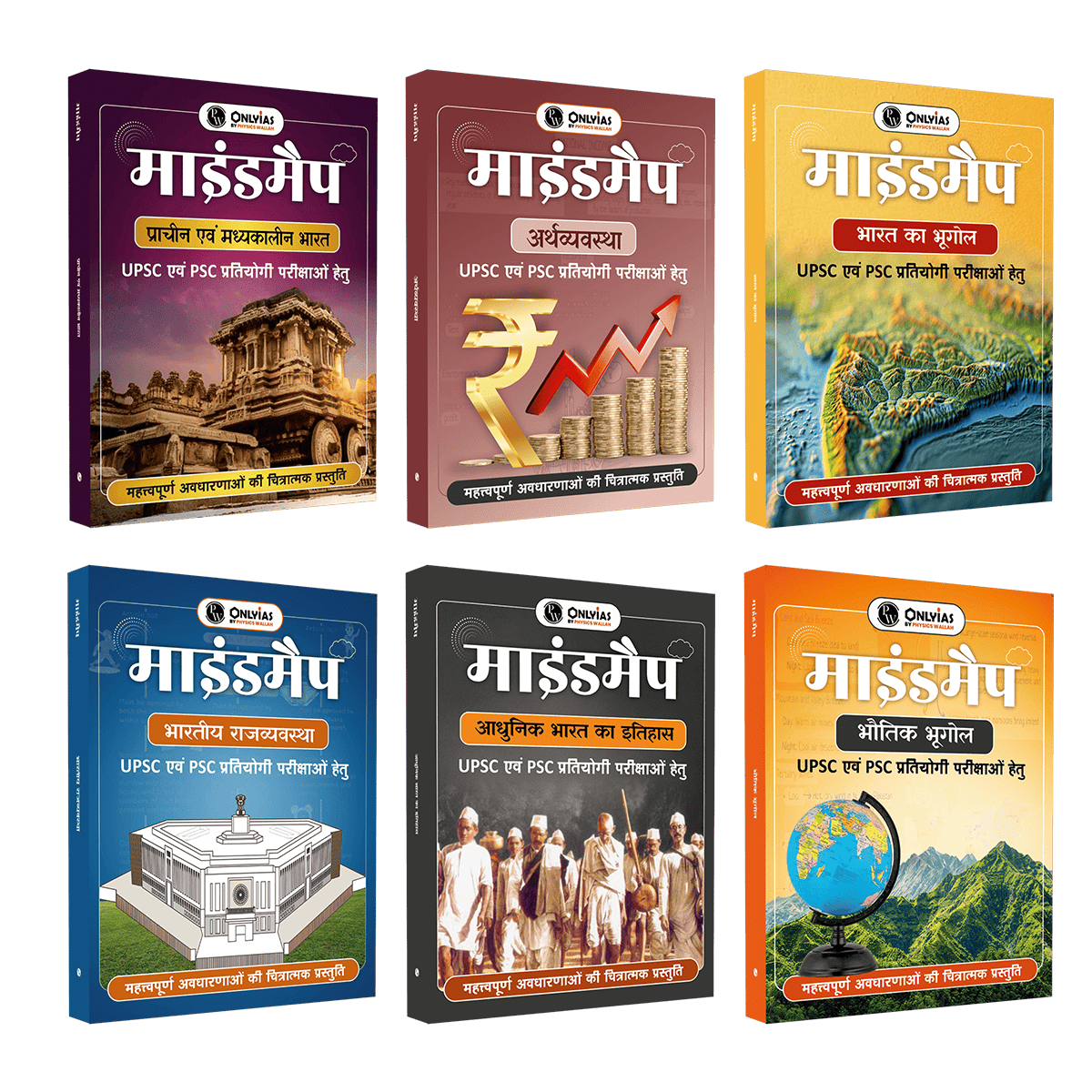
Using an integrated mind map book helps fix these issues. It breaks down complex chapters into central ideas and radiating branches, mirroring natural cognitive processing.
How do UPSC Mindmaps Hindi Improve Visual Revision?
Visual learning is incredibly efficient for competitive exams. When you connect facts to a visual structure, your brain forms stronger memory anchors. This process of visual revision helps you see both the big picture and the minute details simultaneously.
|
Traditional Revision |
Mindmap-Based Revision |
|
Focuses on rote memorisation of sentences |
Focuses on keyword association and hierarchy |
|
High risk of forgetting interconnected points |
High clarity on how different topics link together |
|
Consumes hours per topic |
Takes only a few minutes per topic |
By organizing your UPSC books spatially, you train your mind to store data systematically. This structured approach directly accelerates your concept recall when writing subjective answers under strict exam time limits.
How do UPSC Mindmaps Hindi Speed Up Prelims Revision?
The first stage of the exam demands absolute factual accuracy and rapid elimination skills. During prelims revision, you cannot afford to spend days re-reading massive textbooks.
Quick Elimination Through Spatial Memory
When looking at a multiple-choice question, a strong visual memory helps you picture the exact corner of the page where a concept was mapped. You can quickly recall whether a specific wildlife sanctuary belongs to a particular state or ecosystem.
Connecting Current Affairs with Core Subjects
A great advantage of visual tools is the ease of updating them. You can easily branch out a core static topic, like a constitutional amendment, to include recent Supreme Court judgments. This creates a single source of truth for your UPSC quick revision phases.
How do UPSC Mindmaps Hindi Improve Exam Performance?
Studying in Hindi medium comes with its own set of challenges, particularly the availability of crisp, concise revision material. Relying on heavy UPSC Revision Books often slows down the reading pace. Utilizing UPSC mindmaps hindi resources helps bridge this gap effectively.
-
Simplified Terminology: Complex administrative terms are broken down into simple, memorable keywords.
-
Better Answer Structure: The branching nature of maps teaches you how to write introduction, body, and conclusion points automatically.
-
Time Management: It significantly cuts down the time spent translating mental thoughts into structured Hindi sentences during the mains exam.
Integrating structured visual layouts into your daily schedule ensures that you revise the entire syllabus approximately three to four times more than standard text notes allow.
Benefits of Using UPSC Mindmaps Hindi
Adopting a visual approach to your daily study routine offers several practical advantages that directly impact your final rank.
Faster Information Processing
The brain processes images significantly faster than text. A comprehensive map allows you to review an entire policy or historical event in around two minutes.
Enhanced Contextual Understanding
Instead of viewing topics in isolation, visual maps show you the direct cause-and-effect relationships between different events. For example, you can map the economic causes of a historical revolt right next to its social impacts on a single sheet.
How to Use UPSC Mindmaps Hindi Effectively?
To get the maximum value out of a professional UPSC mindmaps set, you must use it systematically rather than just glancing through the pages.
-
Read the Standard Textbook First: Never skip the core reading. Understand the foundational concepts from your primary sources first.
-
Match the Syllabus Topics: Open the corresponding map page to see how the entire chapter is structured visually.
-
Active Recall Practice: Close the book and try to redraw the main branches from memory to test your retention.
-
Add Personal Annotations: Use empty spaces to note down specific micro-facts, dates, or personal analytical insights.
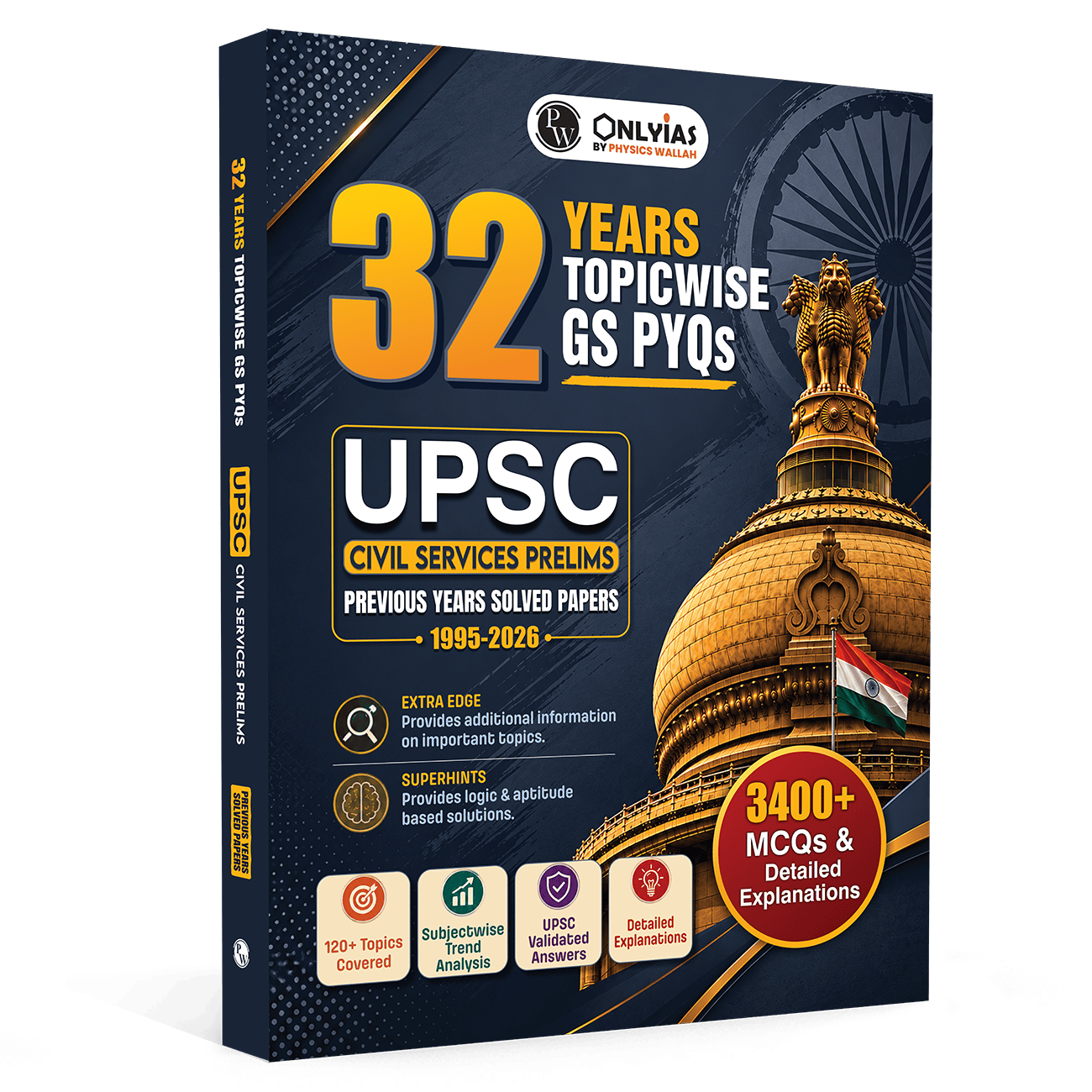
To strengthen your preparation further, pair your revision with UPSC PYQ Book, which contain authentic previous year questions and detailed explanations. Solving PYQs alongside mind maps helps connect concepts with actual exam questions, identify recurring themes, and improve analytical thinking for both the UPSC Prelims and Mains examinations.
Tips for Using UPSC Mindmaps Hindi
The final weeks before the examination are highly stressful. The ability to stay calm depends entirely on how confident you feel about your revision speed.
-
Keep your visual maps highly accessible on your study desk.
-
Use distinct color coding for different sections like geography, polity, and economy.
-
Spend around thirty minutes every night reviewing two to three complex topics using maps.
Shifting your focus toward visual summaries helps eliminate the anxiety of unfinished revisions. It allows you to systematically cover hundreds of topics with absolute clarity.
Read More: Most Important Topics for UPSC Prelims and Mains Exam
UPSC Mindmaps Hindi FAQs
How do UPSC mindmaps hindi medium tools help in the mains exam?
They help you organize your thoughts hierarchically. By practicing with these visual structures, you learn to write well-balanced, multi-dimensional answers with clear points, which improves your overall presentation and speed.
Can I rely entirely on a mind map book for my preparation?
No, visual maps are designed to complement your core preparation. They act as a powerful tool for visual revision and rapid retention, but you must first read standard textbooks to build your fundamental understanding.
Why is concept recall faster with visual tools compared to standard textbooks?
Visual tools use spatial arrangement, colors, and keywords instead of long paragraphs. This matches the brain's natural way of storing information, making it much easier to retrieve specific facts during high-pressure situations.
How often should I use UPSC mindmaps during my weekly schedule?
It is highly recommended to use them during your weekly revision sessions and immediately after finishing a major topic. Regular exposure helps solidify long-term memory and shortens your final prelims revision time.
Are these visual notes useful for current affairs integration?
Yes, they are ideal for current affairs. You can easily add new branches to an existing static topic layout, keeping all your relevant information updated in a single, scannable place.