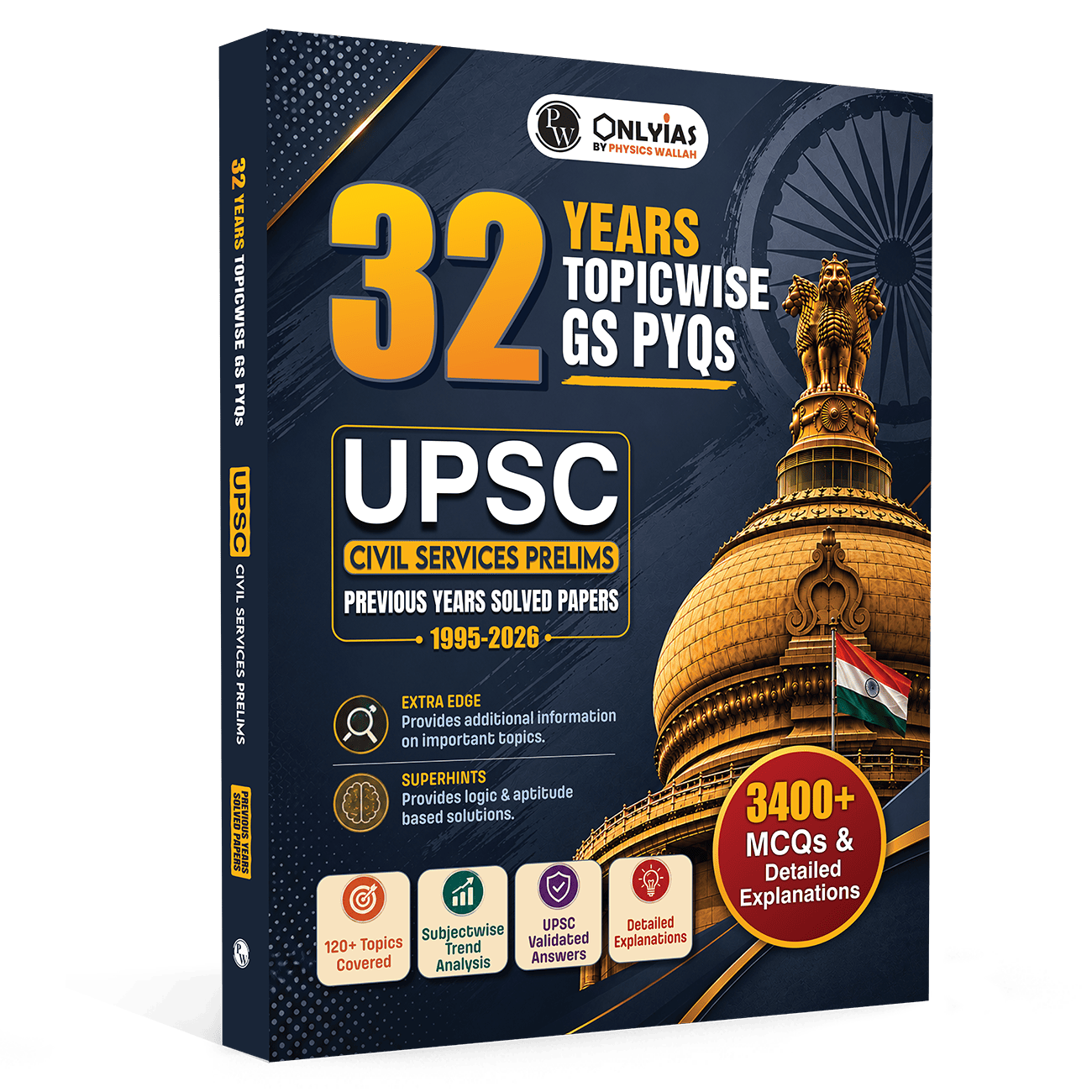
Awards and Honours UPSC Current Affairs Preparation with PW Book

Remembering who won which prize, the conferring body, and the underlying socio-economic or scientific significance can feel like an uphill battle. When preparing for competitive examinations, dynamic topics demand systematic tracking rather than rote learning.
Missing a key national recognition or international civilian title can cost crucial marks in both Prelims and Mains. To overcome this hurdle, candidates need a targeted strategy built around structured quarterly resources.
Mastering Awards and Honours UPSC Current Affairs helps transform chaotic factual updates into organized, easily recallable knowledge points.
What Is Awards and Honours UPSC Current Affairs
Awards and Honours UPSC Current Affairs refers to the comprehensive study of national and international recognitions, civilian titles, gallantry medals, and field-specific accolades awarded throughout the year. Rather than treating these events as simple trivia, civil services examinations evaluate the institutional context, criteria, background, and policy impact behind each honour.
-
National Civilian Honours: High-level state awards such as Bharat Ratna, Padma Vibhushan, Padma Bhushan, and Padma Shri, focusing on achievements across public service, arts, and science.
-
Gallantry & Military Medals: Honours awarded for military valor, including Param Vir Chakra, Maha Vir Chakra, and peacetime awards like Ashoka Chakra.
-
International & Global Titles: Globally acclaimed recognitions such as the Nobel Prizes, Ramon Magsaysay Award, and UN-backed environmental honours.
-
Scientific & Cultural Recognitions: Prestigious accolades in literature, scientific innovation, technology, and environmental conservation.
Which Awards and Honours UPSC Current Affairs Should You Cover
A common dilemma facing candidates during their current affairs strategy is identifying which recognitions carry genuine academic value versus routine news coverage. Focusing on high-yield categories ensures optimal revision time.
|
Category |
Primary Focus Areas |
Significance for Civil Services |
|
Civilian & State Honours |
Bharat Ratna, Padma Awards, State-level Civilian Titles |
Connects to GS I & II governance, culture, and public policy |
|
Literary & Cultural Awards |
Jnanapith Award, Sahitya Akademi, Booker Prize |
Relevant for art, culture, and literature-based static topics |
|
Science & Environment |
Nobel Prizes, Shanti Swarup Bhatnagar Prize, Goldman Environmental Prize |
Linked to GS III Science & Tech, Ecology, and Conservation |
|
Gallantry & Defense |
Param Vir Chakra, Kirti Chakra, President’s Tatrakshak Medal |
Pertains to internal security, defense readiness, and national service |
|
Global & Humanitarian |
UN Awards, Ramon Magsaysay, World Food Prize |
Connects to International Relations (GS II) and global affairs |
Studying these structured categories ensures aspirants cover awards current affairs for UPSC without wasting energy on short-lived news snippets.
How to Prepare for Awards and Honours UPSC Current Affairs
Preparing for factual and analytical current affairs requires resources that distill dense news into digestible, structured notes. Utilizing specialized quarterly current affairs books allows candidates to build strong thematic retention across the academic year.
Here is how to utilize a dedicated quarterly compilation effectively:
-
Leverage Integrated GS Coverage: Connect dynamic award developments directly to static syllabus themes across GS Paper I, II, and III. For example, when reading about a scientific prize, review the core technology behind it in GS III.
-
Utilize Concise Summaries: Work with crisp, exam-relevant summaries designed to save revision time and boost memory retention during critical exam weeks.
-
Follow Timeline-Based Clarity: Study national and global accolades through structured, chronological frameworks that provide historical context for every major title.
-
Capitalize on Quarter at a Glance: Rely on dedicated quarterly summary tables for quick revision immediately before test series or actual examination sessions.
-
Practice MCQs: Solve targeted exam-level multiple-choice questions included at the end of modules to test conceptual clarity and factual accuracy.
-
Incorporate Essay Themes: Apply the inspiring achievements of award recipients into governance and ethics essay writing using curated thematic points.
When Should You Study Awards and Honours UPSC Current Affairs
Timing is critical when mastering high-density factual information. Studying current developments in structured intervals prevents last-minute cramming before major civil services tests.
A well-planned preparation window follows this timeline:
-
First Quarter Focus (January to March Data): Analyze early-year announcements, including the annual Padma Awards, Republic Day Gallantry Medals, and early scientific achievements.
-
Second Quarter Consolidation (April to June Data): Cover mid-year environmental honours, global humanitarian titles, and international diplomacy awards.
-
Third & Fourth Quarter Review (July to December Data): Track international recognitions like the Nobel Prizes, literary honors, and year-end defense decorations.
-
Pre-Exam Phase (1–2 Months Before Prelims): Shift completely to quick-revision notes, quarterly summary sheets, and solving dedicated UPSC current affairs questions.
Dividing your preparation into structured quarterly phases and using UPSC Books ensures continuous coverage and helps prevent fatigue.
Study Strategy Plan for Awards and Honours UPSC Current Affairs
A disciplined routine ensures that static preparation and dynamic news stay perfectly aligned throughout the session.
Phase 1: First-Pass Reading
Begin by browsing through quarterly books to understand the overall landscape of major civilian, scientific, and environmental titles. Focus on understanding why the award exists and the statutory body responsible for presenting it.
Phase 2: Category-Wise Organization
Group information into specific categories using your quarterly book modules. For example:
-
Literature: Conferring body, eligibility, language criteria, and recent work honoured.
-
Science: Technological breakthrough involved, practical applications, and relevance to GS III.
-
State Specifics: Dedicated state-focused recognitions such as UP PCS specific honours where applicable.
Phase 3: Active Testing and MCQ Practice
Regularly test yourself with topic-wise UPSC current affairs preparation quizzes. Answering practice questions highlights factual gaps, such as confusing conferring organizations or eligibility rules, before sitting for formal exams.
Tips to Remember Awards and Honours UPSC Current Affairs
Retaining hundreds of names, dates, and institutions requires smart memory techniques and consistent use of UPSC Textbooks rather than passive reading.
-
Create Comparison Tables: Map out award titles alongside conferring ministries, cash prizes (if relevant), and eligibility criteria in side-by-side columns.
-
Link Awards to Static Syllabus: Connect scientific prizes directly to emerging technologies in Economy, Science, or Environment sections.
-
Use Mnemonic Devices: Build short word associations or acronyms for complex lists of award winners in literary or gallantry categories.
-
Revise in Short Intervals: Schedule weekly 15-minute quick-look revisions using summary tools like "Quarter at a Glance" features.
-
Discuss Key Highlights: Explain significant international or national award achievements to study peers to reinforce long-term recall.
Common Mistakes to Avoid When Learning Awards and Honours UPSC Current Affairs
Avoiding standard strategy errors saves time and protects accuracy during negative-marking exams.
-
Memorising Names Without Context: Learning only the recipient’s name while ignoring the conferring agency, eligibility criteria, or underlying achievement.
-
Ignoring the Awarding Organization: Civil services questions frequently test whether an award is presented by a government body, an NGO, or an international agency.
-
Overlooking Scientific and Technical Basis: Focusing solely on civilian titles while skipping breakthrough scientific awards that form core GS III questions.
-
Studying Unvetted Sources: Relying on unverified online lists instead of structured, exam-oriented compilations designed specifically for UPSC standards.
-
Neglecting Revision: Reading through current affairs once without returning to quarterly revision notes during test series practice.
Read More: Tips to Prepare UPSC Current Affairs
UPSC Current Affairs FAQs
Q1. How far back should I cover Awards and Honours UPSC Current Affairs for civil services exams?
Candidates should cover at least 12 to 15 months of current developments preceding the exam date. Using structured quarterly current affairs compilations ensures complete, seamless coverage across the required timeline.
Q2. Are international recognitions as important as national awards current affairs for UPSC?
Yes, international honours such as UN environmental titles, Nobel Prizes, and regional awards carry significant weight in both General Studies Paper II and Prelims examinations.
Q3. How do quarterly books help in UPSC awards and honours preparation?
Quarterly books organize scattered daily news into categorized, timeline-based modules, complete with practice MCQs, GS-integrated notes, and quick-revision summaries.
Q4. What type of UPSC current affairs questions are asked from awards and honours?
Questions typically test the conferring organization, eligibility guidelines, objective of the honour, and the scientific or socio-economic achievement behind the award rather than just the recipient's name.
Q5. Can awards current affairs data be used in Mains answer writing?
Recognitions and civilian honours serve as excellent real-world examples in Mains GS papers and Essay writing to support points on governance, environmental protection, scientific progress, and social service.