UPSC GS Preparation with UPSC Current Affairs Book

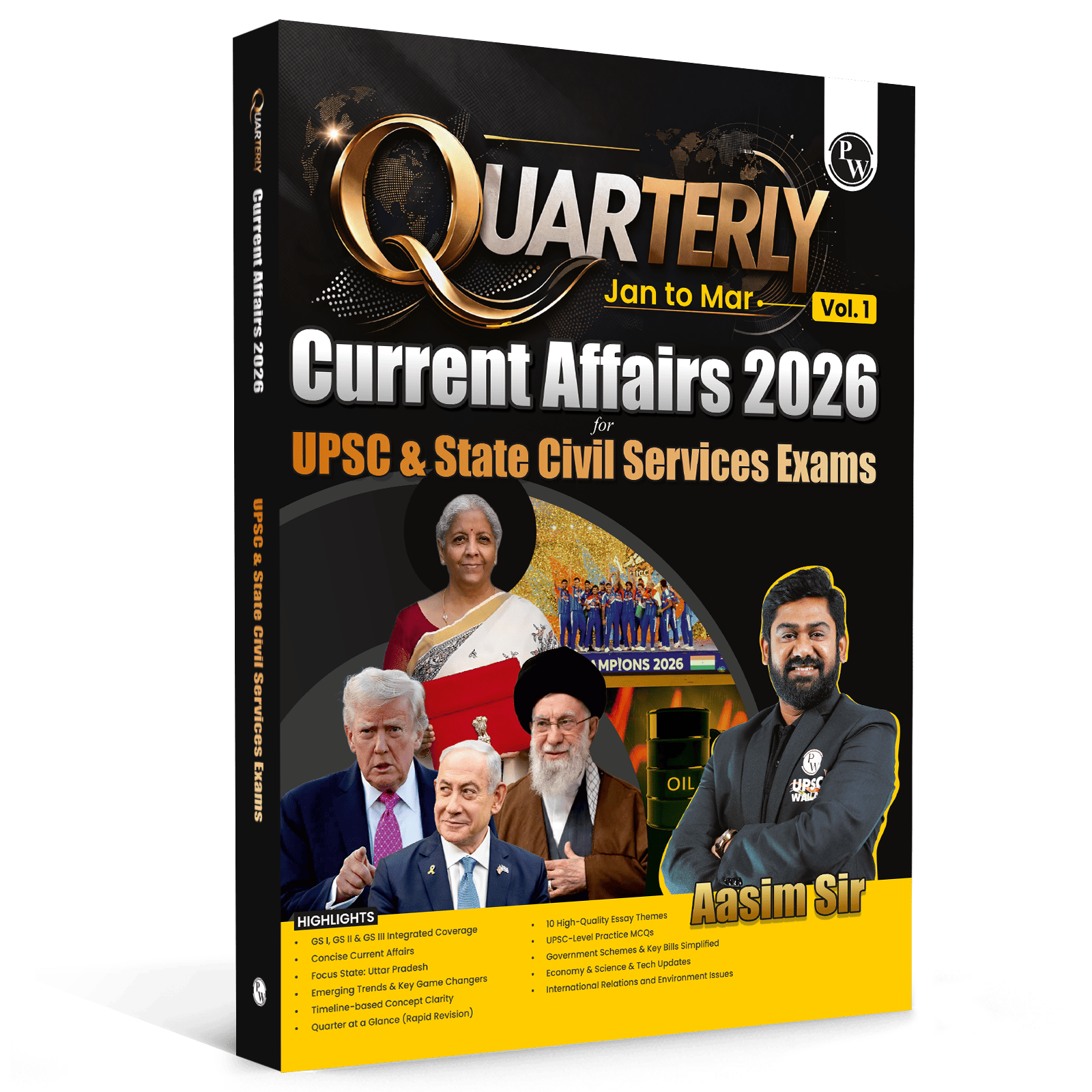
Preparing for the Civil Services Examination often feels like navigating a vast ocean without a compass. For most candidates, the biggest challenge is connecting static textbook knowledge with the rapidly changing global landscape. This is where a high-quality upsc current affairs book becomes an indispensable tool. Whether you are a beginner or a veteran, staying updated with daily events is non-negotiable. This article breaks down how to streamline your preparation, select the right study materials, and ensure your General Studies (GS) foundation is strong enough to tackle the evolving patterns of the UPSC CSE.
Check Out: UPSC CSE Books
Importance of UPSC Current Affairs Book
The nature of the UPSC exam has shifted significantly over the last few years. Questions are no longer purely factual; they are analytical and deeply rooted in contemporary developments. A dedicated UPSC current affairs book helps bridge the gap between basic concepts and real-world applications.
-
Syllabus Integration: Current events touch upon every part of the GS papers, from Economy and Environment to International Relations and Internal Security.
-
Mains Answer Writing: Adding recent examples, data, and government schemes from a reliable book adds immense value to your descriptive answers.
-
Efficiency: Instead of scouring multiple newspapers for hours, a curated book provides exam-oriented information in a structured format.
Current Affairs Book UPSC in Prelims
For the Preliminary stage, the current affairs book that UPSC aspirants choose must focus on factual accuracy and conceptual clarity. The Prelims paper often features "Current-Static" questions, where a news item triggers a question about a core concept.
For instance, if a new constitutional amendment is discussed in the news, the UPSC might ask about the basic structure of the Constitution. Having a book that links these two spheres allows you to revise both simultaneously. It saves time and ensures that your memory retention is higher because you understand the "why" behind the news.
Current Affairs for UPSC Book for GS Mains
The Mains examination requires a much deeper dive. Your UPSC book current affairs should serve as a repository of case studies and committee reports. When writing answers for GS Paper II and III, citing specific reports or recent judicial interventions can distinguish your script from thousands of others.
To make the most of your resources:
-
Categorise Notes: Divide your reading into themes like Governance, Social Justice, and Technology.
-
Highlight Key Data: Use bold markers for percentages and dates that can be used in your introductions.
-
Link with Static: Always ask how a current event affects the existing laws or theories mentioned in your standard textbooks.
Strategy for UPSC Current Affairs 2026
If you are aiming for UPSC current affairs 2026, your strategy must be long-term. Starting early allows you to build a perspective on recurring issues like climate change negotiations, bilateral ties, and economic reforms.
Aspirants for 2026 should focus on monthly compilations rather than just annual summaries. This consistent habit builds a mental timeline of events, making it much easier to recall information during the high-pressure environment of the exam hall.
Benefits of UPSC Current Affairs PDF
In today’s coaching world, an upsc current affairs PDF has changed the game. Digital notes are easier to search, easier to update and easier to carry around. You can edit your notes on the commute or in short breaks without the burden of heavy hardcovers.
-
Searchability Find specific terms such as “National Green Tribunal” or “G20 Summit” in seconds.
-
Regular Updates: New developments can be added to digital formats more quickly.
-
Budget-Friendly: Many of these PDFs are more cost-effective or even free, opening doors for quality education for all.
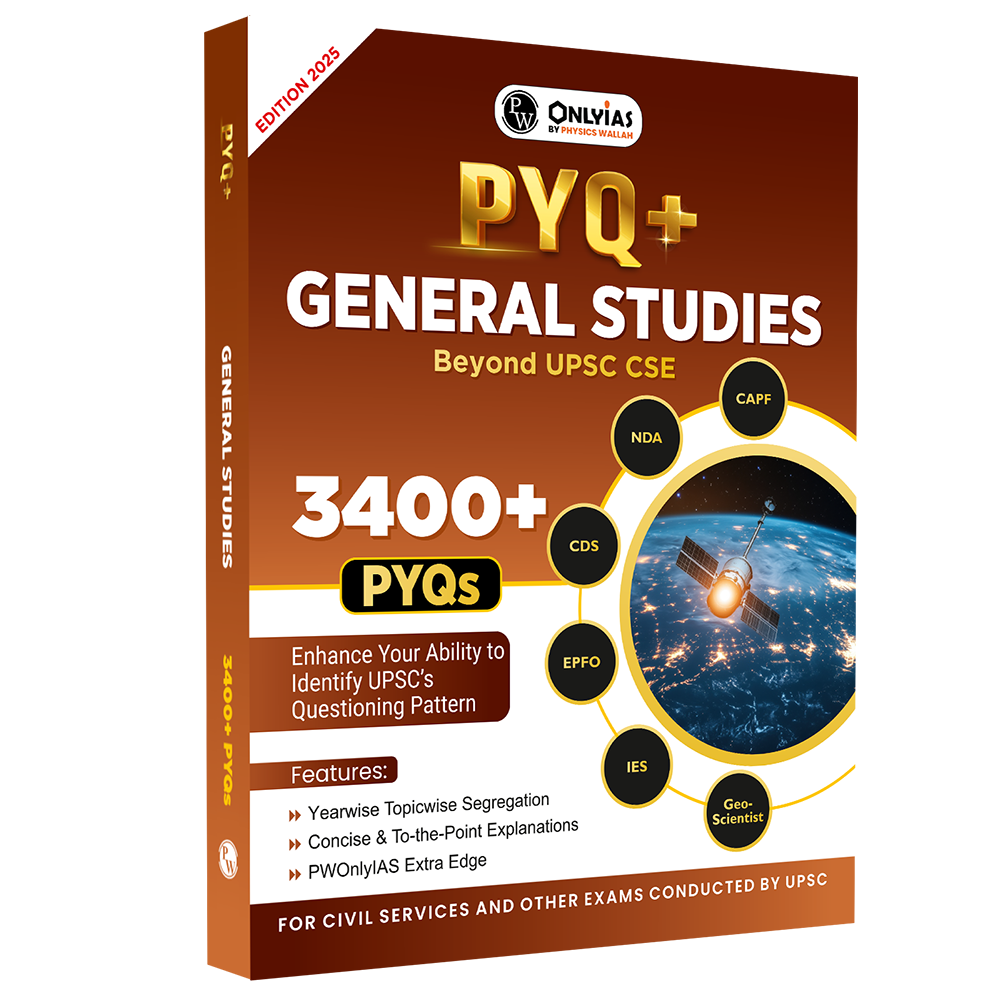
Check Out: UPSC General Studies PYQ Book
Right IAS Current Affairs Books
Some books on the market are not worth your time. The right ias current affairs books have certain features that make them stand out. You would like to find:
-
Clear language: Avoid books that use unnecessarily complex jargon. We wish to enlighten, not to puzzle.
-
Relevance: The content should be filtered. You don't need to know about every local news story; you need what is relevant to the UPSC syllabus.
-
Visual Aids: Choose books that contain maps, flowcharts and tables. These make it easier to visualise complex geopolitical or economic data.
Common Mistakes to Avoid in Current Affairs
Success in UPSC is a marathon, not a sprint. The right UPSC current affairs book acts as your companion throughout this journey. It simplifies the complex world for you, allowing you to focus on what truly matters: understanding the pulse of the nation and the world. Stay consistent, keep your resources limited but high-quality, and keep practising your answer writing.
Many students fail despite working hard because their strategy is flawed. Avoid these pitfalls:
-
Resource Overload: Reading four different newspapers and three different magazines will lead to burnout. Stick to one primary UPSC current affairs book.
-
Ignoring Static Portions: Current affairs should complement your static GS, not replace it.
-
No Revision: Information without revision is lost. Ensure you revisit your notes at least once a week.
Read More: How to Study Current Affairs for UPSC Exam
UPSC Current Affairs Book FAQs
Q1. How many months of news should I read for the 2026 exam?
Ideally, you want to have at least 18 to 24 months’ worth of news. Beginning in January 2025 will provide you with a good foundation for the 2026 cycle and help you understand the context of major international and national shifts.
Q2. Can I depend solely on monthly magazines for my GS preparation?
Monthly magazines are good for revision, but should be used alongside a main textbook. The magazine helps you to revise the static facts studied from your core GS books.
Q3. Should I purchase a physical book or a digital PDF?
It depends on your study habits. If you like to highlight and write in a notebook, then it’s better to buy a book. However, as a working professional, you will benefit more from a digital PDF as it is more flexible and easier to update.
Q4. If I have a good reference book, do I need to refer to government websites like PIB?
A good reference book is essentially a collection of the best of PIB, PRS and Yojana. Government sites will provide you with official data, but a curated book saves you the time of sifting through that data.
Q5. What is the right way to practise answer writing on current affairs?
Try to write at least one answer a day from a prominent news editorial. This makes you practise weaving the current data into the formal structure expected in UPSC Mains.