Why UPSC Hindi Mind map Books Is Ideal for Rapid Revision
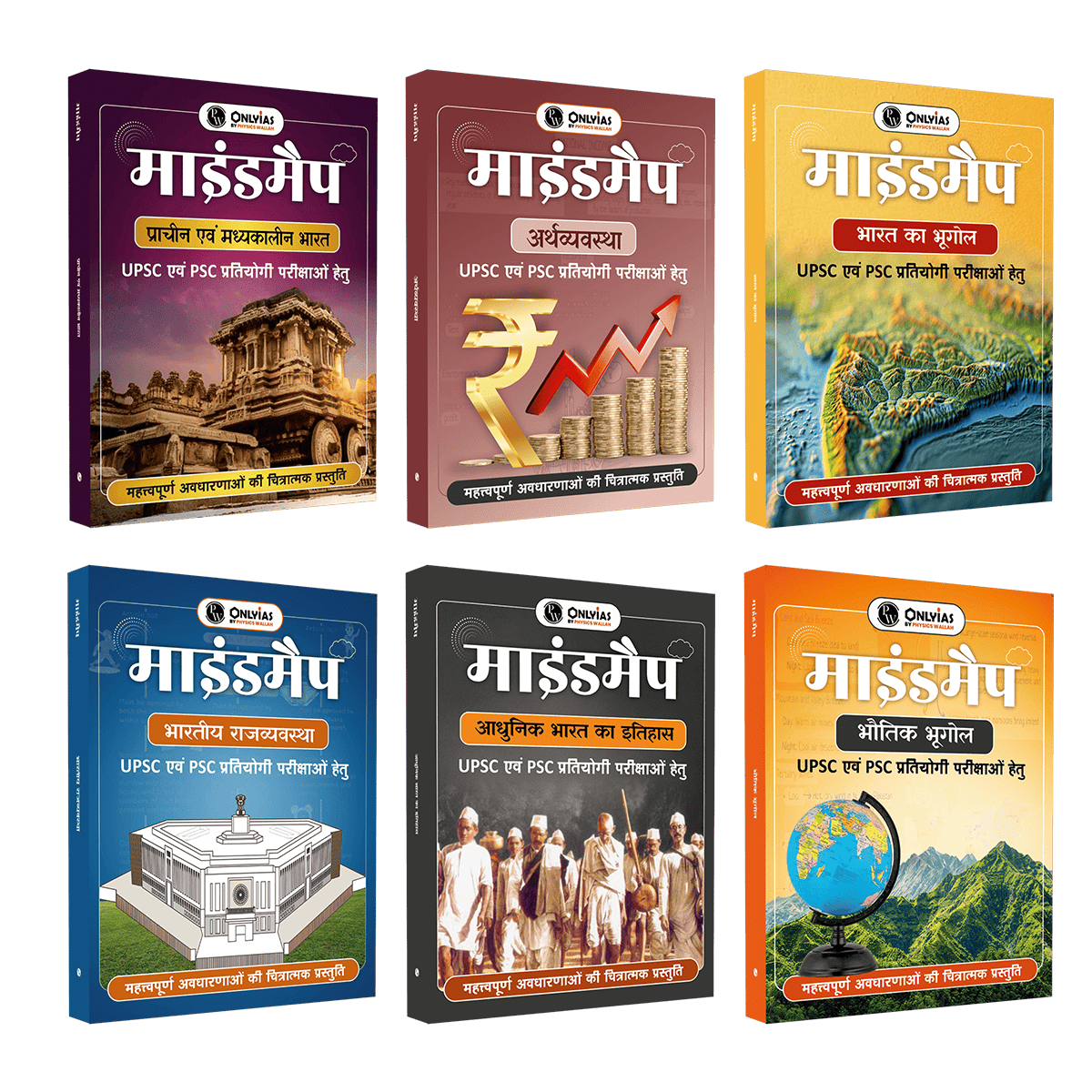
Preparing for civil services involves studying a huge syllabus in a limited time. Many students find revising long notes shortly before the exam confusing and stressful. This article is about how UPSC mindmaps Hindi books help you to simplify complex topics, save time, and recall information quickly during final preparation.
Importance of UPSC Mindmaps Hindi
The civil services syllabus is famously massive, spanning history, geography, polity, economics, and current affairs. For students focusing on UPSC Hindi preparation, managing hundreds of pages of textbooks during the final weeks can feel overwhelming. Reading long paragraphs repeatedly is rarely effective when the exam date approaches.
Standard note-taking often results in bulky files that are hard to quickly skim. This is where a dedicated Hindi revision book makes a tremendous difference. It has long chapters but breaks it down into bite-sized pieces so you can scan through an entire subject in one sitting and still walk away with the key ideas.
Human brains process images and structured layouts much faster than blocks of plain text. Relying on visual learning helps create strong mental triggers, making it easier to connect different events, dates, and policies. When information is arranged spatially, your mind retains it longer.
Using a Hindi mindmap book transforms how you store data. Instead of memorising isolated facts, you see the entire picture on a single page. This method mirrors how our minds naturally organize information through associations, turning passive reading into an active study session.
How do UPSC Mindmaps Hindi Improve Visual Memory and Revision?
Studying for long hours often leads to cognitive fatigue, making it harder to absorb new data. For students immersed in UPSC Hindi preparation, reading repetitive blocks of text can trigger mental blocks. Visual frameworks solve this by changing how information enters your brain. Instead of forcing you to process text linearly, diagrams offer a spatial view that keeps your focus sharp and your mind active.
When you use a structured UPSC Revision Books, you are engaging both hemispheres of your brain. The logical left side processes the factual text, while the creative right side processes the shapes and layout. This dual-coding process means you form twice as many mental connections to a single topic, making it much easier to recall information under intense exam pressure.
-
Reduces Cognitive Load: Simplifies information so your brain does not have to work overtime to find connections.
-
Prevents Study Fatigue: Breaking information into branches keeps your study sessions interactive.
-
Builds Structural Memory: Helps you memorize the actual layout of a page, creating a mental picture you can easily access during the exam.
Benefits of Using UPSC Mindmaps Hindi Books
Switching to diagram-based study tools can completely change your study routine. Here is why incorporating UPSC mindmaps Hindi tools into your schedule boosts your efficiency:
-
Saves Hours of Study Time: You can review a whole chapter in five minutes instead of spending an hour re-reading text.
-
Simplifies Complex Subjects: Dynamic topics like international relations and economics are broken down into basic causes and effects.
-
Better Information Retrieval: The unique structure helps you recall points accurately while writing mains answers under exam pressure.
-
Highly Portable Notes: A single book replaces multiple bulky text registers, letting you study anywhere easily.
How to Cover Syllabus Faster with UPSC Mindmaps Hindi?
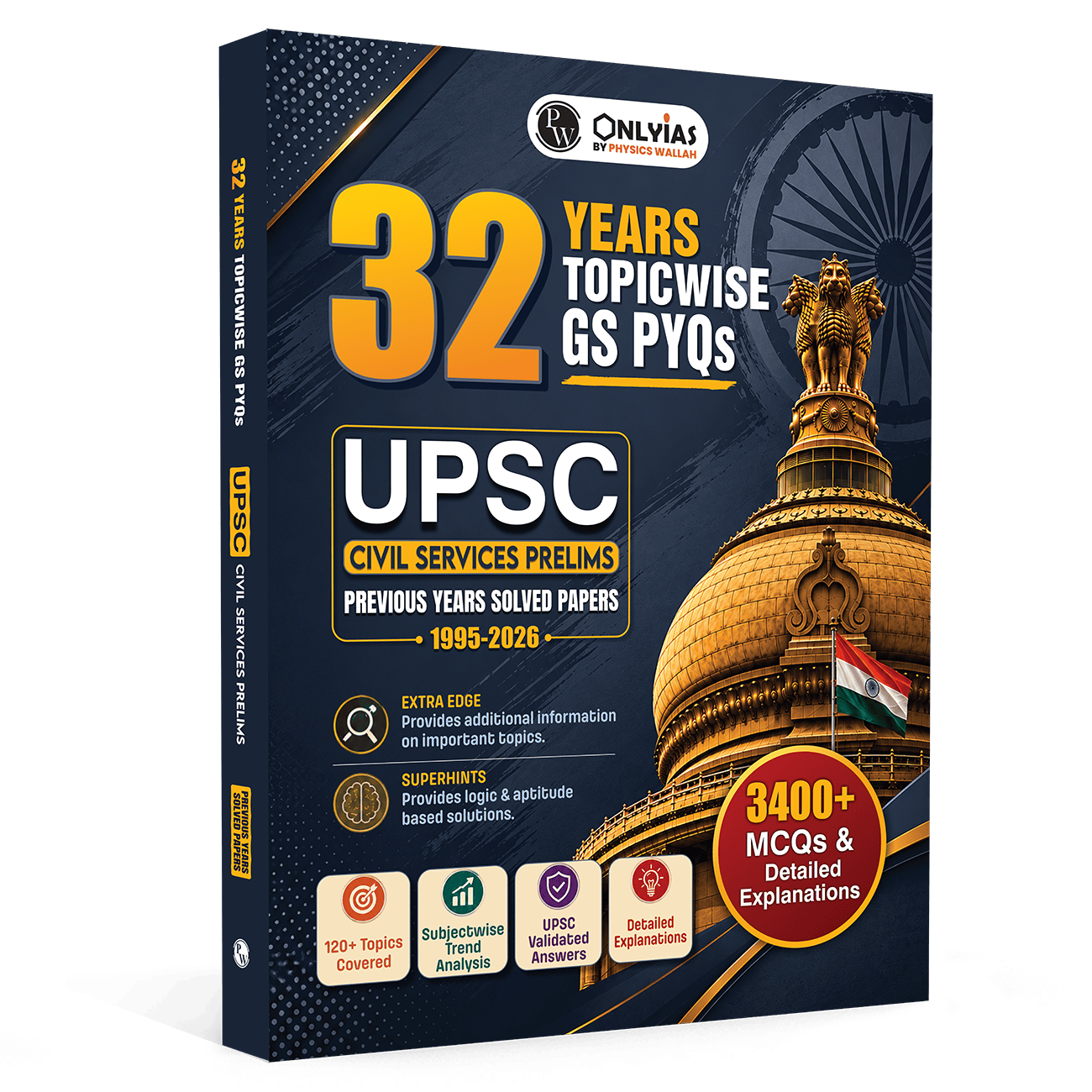
The primary goal during the final weeks of preparation is to refresh your memory, not to learn entirely new topics. Standard textbooks are excellent for building concepts in the initial stages, but they are not ideal for quick revision before the examination. You need a resource that allows you to scan key concepts, facts, and connections quickly. Along with concise revision material, UPSC Books provide comprehensive subject-wise coverage, practice questions, and structured content that help reinforce concepts and strengthen your overall preparation. Using well-organized study resources ensures faster revision, better retention, and greater confidence during the final phase of UPSC preparation.
Structural Breakdown of Effective Mind Maps
A good revision resource organizes data hierarchically, starting from a central theme and branching out into micro-details. This layout ensures you never miss the sub-components of an important topic.
|
Feature |
Traditional Notes |
Mind Maps Revision |
|
Reading Speed |
Slow, line-by-line reading |
Rapid scanning of keywords |
|
Data Connections |
Linear, harder to link topics |
Multidirectional, shows clear relations |
|
Retention Rate |
Lower, prone to forgetting details |
Higher, due to visual spatial memory |
|
Review Frequency |
Hard to repeat multiple times |
Easy to revise weekly |
Enhancing Analytical Skills for Mains
Mains answers require multi-dimensional thinking. When you use mind maps, you naturally train your brain to think in terms of pros, cons, causes, and solutions. This structured approach directly improves the quality of your written answers, making them more organized and impactful.
How to Use UPSC Mindmaps Hindi in Your Daily Study Routine?
Simply buying a UPSC PYQ book is not enough; you must know how to deploy it correctly alongside your standard study material.
-
Morning Scan: Spend around twenty minutes every morning reviewing a few pages to keep core facts fresh.
-
Post-Test Analysis: After giving a mock test, look at the corresponding diagram to see where your knowledge gap lies.
-
Active Recall Practice: Cover a branch of the map with your hand and try to speak out the sub-points from memory.
-
Current Affairs Mapping: Use the blank spaces around the printed diagrams to add recent updates or Supreme Court judgments.
Quick Tips for Maximum Benefit: Do not try to read mind maps like a regular novel. Focus on the central keyword first, then move clockwise along the branches to follow a logical sequence of thoughts.
How to Solve Common UPSC Preparation Challenges with UPSC Mindmaps Hindi?
A major hurdle for Hindi-medium students is the lack of concise, streamlined study resources. Traditional study materials are often bulky and poorly organized, forcing you to spend valuable time editing and summarizing text. Using a targeted Hindi revision book removes this extra layer of work, giving you direct access to high-yield points without any fluff.
Another common issue is tracking long historical timelines or complex economic cycles. A quality UPSC mindmaps Hindi resource maps out these multi-layered concepts on a single page, showing you exactly how events connect. This helps you build a clear, chronological understanding of subjects, ensuring your answers are logical and well-structured.
-
Identify Core Themes: Use the central nodes of the map to spot the main issue quickly.
-
Establish Cause and Effect: Follow the outer branches to see the direct results of policies or events.
-
List Key Arguments: Use the secondary branches to pull out pros, cons, and balanced recommendations for your answers.
Last-Minute Revision Tips for Using UPSC Mindmaps Hindi
When the exam is just around the corner, anxiety can impair memory retention. Relying on a structured UPSC quick revision plan keeps you calm and focused. Knowing you can revise the entire syllabus in a few days removes panic and builds genuine confidence.
By utilizing UPSC mindmaps Hindi resources, you eliminate passive page-turning. Your revision becomes highly targeted, helping you maximize your score in both prelims and mains. It bridges the gap between hard work and smart execution, ensuring your efforts translate into success.
Read More: Importance of Solving Previous Year Papers for UPSC Exam
UPSC Mindmaps Hindi FAQ’s
1. How do UPSC mindmaps Hindi books help in clearing the prelims exam?
These books condense factual data, articles, and historical timelines into clear diagrams. This visual arrangement makes it easier to eliminate wrong options during the multiple-choice test.
2. Can I rely entirely on a Hindi mindmap book for my preparation?
No, these tools are designed specifically for fast revision. You should first build your concepts using standard textbooks and then use the diagrams to revise those concepts quickly.
3. Why is visual learning considered better for civil services aspirants?
The syllabus is incredibly vast. Visual tools break down long paragraphs into keywords and branches, which helps the brain retain and recall information much faster during the exam.
4. How often should I use a Hindi revision book during the week?
It is ideal to use it daily for at least thirty minutes or dedicate your weekends to running through entire subjects to maintain high information retention.
5. Do these mind maps cover both prelims and mains topics?
Yes, they cover major foundational subjects, breaking down complex issues into causes, effects, and solutions, which helps in both objective testing and descriptive answer writing.