UPSC History Question Bank: How to Practise Modern History Effectively?
Preparing for modern Indian history requires regular practice along with proper reading. A reliable UPSC history question bank can help aspirants revise important events, understand the freedom struggle, and improve their ability to solve objective questions.
Reading a textbook is important, but solving questions shows whether you can actually use the information during the exam. Many aspirants read the same chapters several times but still make mistakes because they do not practise enough questions. A structured UPSC history question bank helps turn passive reading into active revision.
Importance of a UPSC History Question Bank
A current history question bank can make revision more organised. It can bring important themes into one place and give aspirants regular practice after completing their basic reading.
-
Identifies Repeating Themes: Question sets can help students notice important areas such as Congress sessions, Governor-General policies, reform movements, tribal and peasant movements, and the freedom struggle.
-
Refines Elimination Skills: Practising UPSC history mcqs helps candidates learn to examine every statement and identify factual errors or extreme wording.
-
Improves Time Management: Timed question sets can help aspirants practise answering questions within a limited time.
The purpose of question practice is not only to increase the number of questions solved. Candidates should also understand why an answer is correct and why other options are wrong.
Features of UPSC History Question Bank
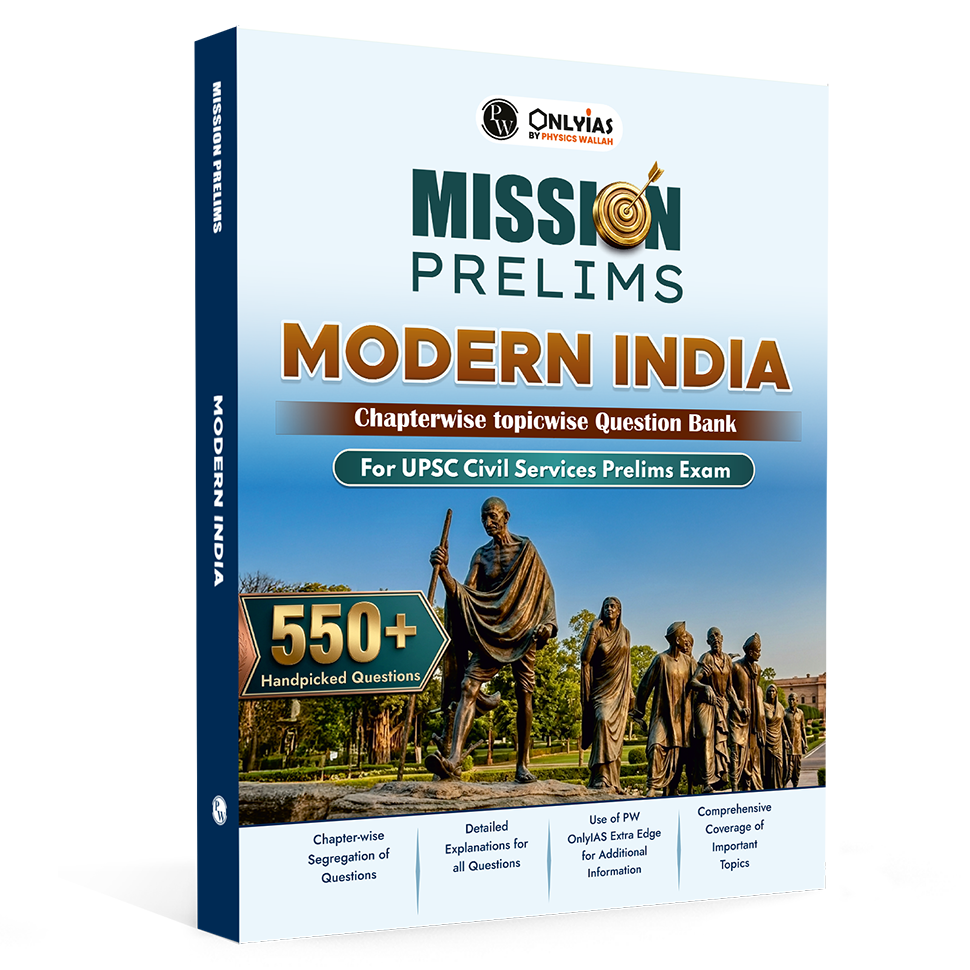
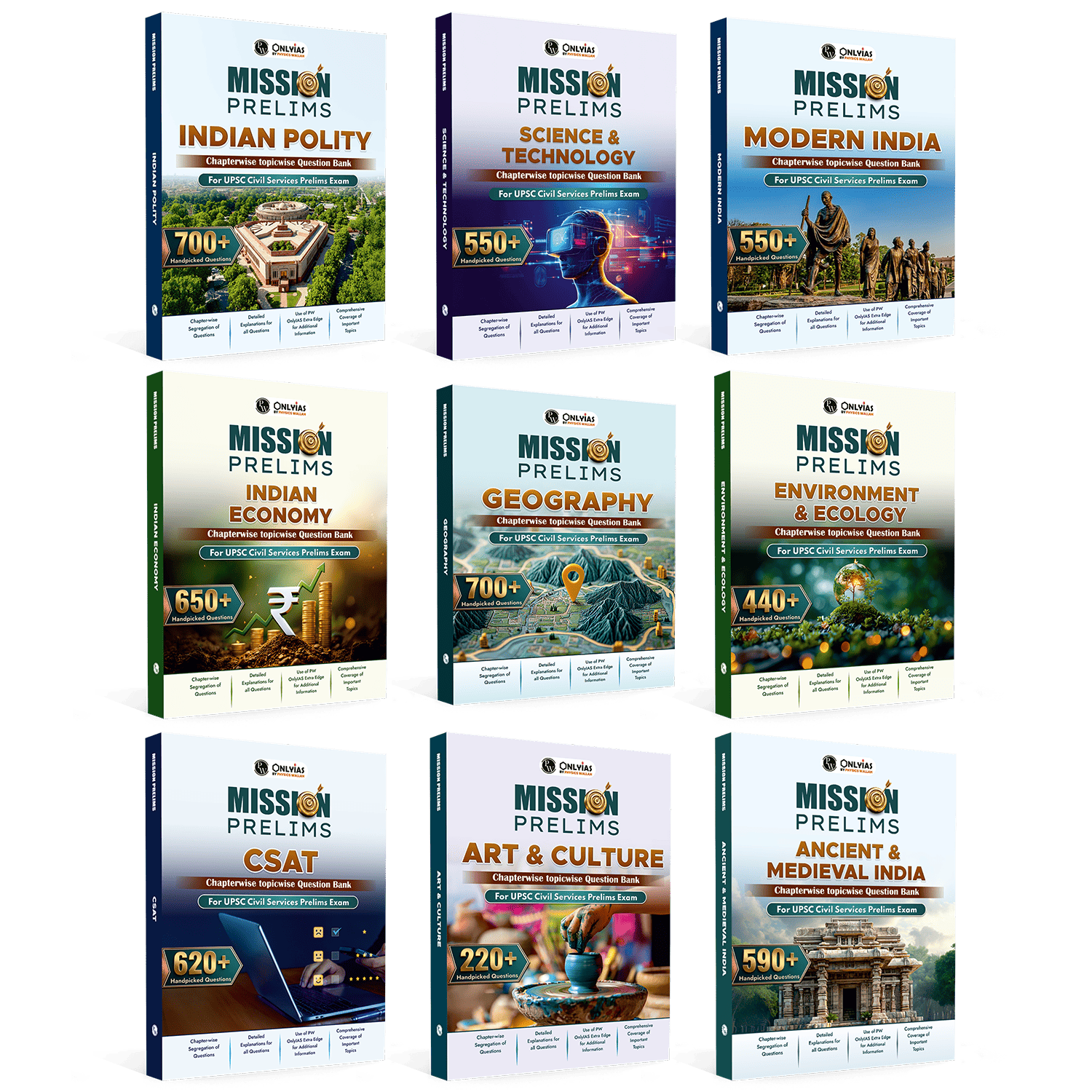
Make your Prelims practice more organised with a large collection of questions covering important UPSC topics. The set combines regular practice, clear solutions, and extra exam-focused information in one place.
-
Study Topic by Topic: Questions are grouped chapter-wise and topic-wise, allowing aspirants to focus on specific areas during practice and revision.
-
5020+ Questions to Practise: Work through 5020+ handpicked questions based on the UPSC Prelims exam pattern and get regular exposure to different question styles.
-
Understand the Answer Logic: Every question comes with a detailed explanation to help you learn the reason behind the correct answer and clear your doubts.
-
Get the Only IAS Extra Edge: Additional facts, insights, and useful exam information help add more value to your regular question practice.
-
Covers Important Prelims Topics: Brings together major areas required for UPSC Civil Services Preliminary Examination preparation, making it useful for structured revision.
-
Improve Through Regular Practice: Repeated question solving can help aspirants work on accuracy, speed, concept understanding, and exam confidence.
-
All-in-One Prelims Question Bank Combo: Combines subject-wise practice, chapter revision, detailed solutions, and exam-focused questions to support complete Prelims preparation.
What are the Important Modern History Question Bank Practice Resources?
Structured resources can make modern history revision easier by combining questions, explanations, and revision material. For example, a modern history question bank or a Mission Prelims-style preparation resource can be used alongside standard books and previous year papers.
-
Targeted Booklets: Topic-based booklets can help candidates revise selected areas without searching through multiple sources.
-
Integrated Previous Years Tracking: Practising previous year questions along with topic-wise questions can show how historical concepts have been tested in the exam.
-
Balanced Evaluation: Chapter tests can be used after completing individual topics, while full-length mock tests can be used later for broader practice.
-
Revision Support: Marking difficult questions makes it easier to return to weak areas before the examination.
Candidates should use question banks as practice material rather than treating them as a replacement for the UPSC syllabus, standard books, or previous year papers.
How to Study Modern History Practice Questions With UPSC History Question Bank?
Choosing useful modern history practice questions is important because not every question set has the same quality. A good resource should cover the major areas of the syllabus and provide explanations that help with revision.
-
Focus on Analytical Depth: Include questions that require comparison, chronology, and careful reading instead of only simple fact-based questions.
-
Check Detailed Explanations: Choose material that explains the correct answer and gives a reason for incorrect options where needed.
-
Integrate Chronological Sequences: Practise questions that arrange events, movements, acts, and personalities in the correct order.
-
Cover Different Themes: Include the British expansion, economic impact, social and religious reform, Revolt of 1857, national movement, Gandhian phase, and constitutional developments.
-
Use Different Difficulty Levels: Start with basic questions and gradually include more statement-based and application-focused questions.
This approach can help prevent the common problem of remembering isolated facts without understanding how different events are connected.
How to do Daily UPSC History Question Bank Practice?
A regular practice routine can make UPSC prelims history preparation more manageable. The exact number of questions should depend on the candidate's study schedule and current level.
-
Allocate Dedicated Slots: Set aside a fixed period for question practice after completing a chapter or topic.
-
Maintain an Error Log: Record incorrect answers and write down the concept or fact that caused the mistake.
-
Review Before Moving Ahead: Read the explanation of every doubtful or incorrect question before starting a new set.
-
Correlate With Art and Culture: Some modern Indian history topics connect with social reform, literature, press development, architecture, and cultural movements.
-
Practise Chronology: Regularly revise important acts, movements, organisations, and events in sequence.
A short practice session followed by careful review can be more useful than solving a large number of questions without checking mistakes.
UPSC History Question Bank FAQs
How many questions from a UPSC history question bank should I solve daily?
There is no fixed number that every aspirant needs to solve. Around 20 to 30 questions can be a practical target for some students, provided they have enough time to check the answers and understand their mistakes. Students with limited study time can solve fewer questions but review them carefully.
Are previous year papers enough as a UPSC history question bank?
Previous year papers are an important part of preparation, but they do not have to be the only source of practice. Candidates can use previous papers along with standard books and UPSC history MCQs to practise different statement formats and strengthen weak areas.
How do modern history practice questions help in the mains exam?
Modern history practice questions mainly help improve factual recall, chronology, and understanding of historical events. These skills can support Mains preparation by giving candidates a stronger base of facts, examples, movements, and personalities that may be useful while writing descriptive answers. However, Mains answer writing requires separate practice.
What is the best way to handle negative marking in UPSC prelims history?
The best approach is to avoid random guessing and improve your understanding of the options. During UPSC prelims history practice, record whether each mistake happened because of a knowledge gap, a reading error, or an unnecessary guess. Over time, this can help you make more careful decisions about which questions to attempt.
Can beginners rely solely on a UPSC modern history questions booklet?
Beginners should not rely only on a UPSC modern history questions booklet. First build a basic understanding of modern Indian history using NCERTs or a suitable standard reference source. Then use question banks and previous year papers to test that knowledge, find weak areas, and improve exam practice.