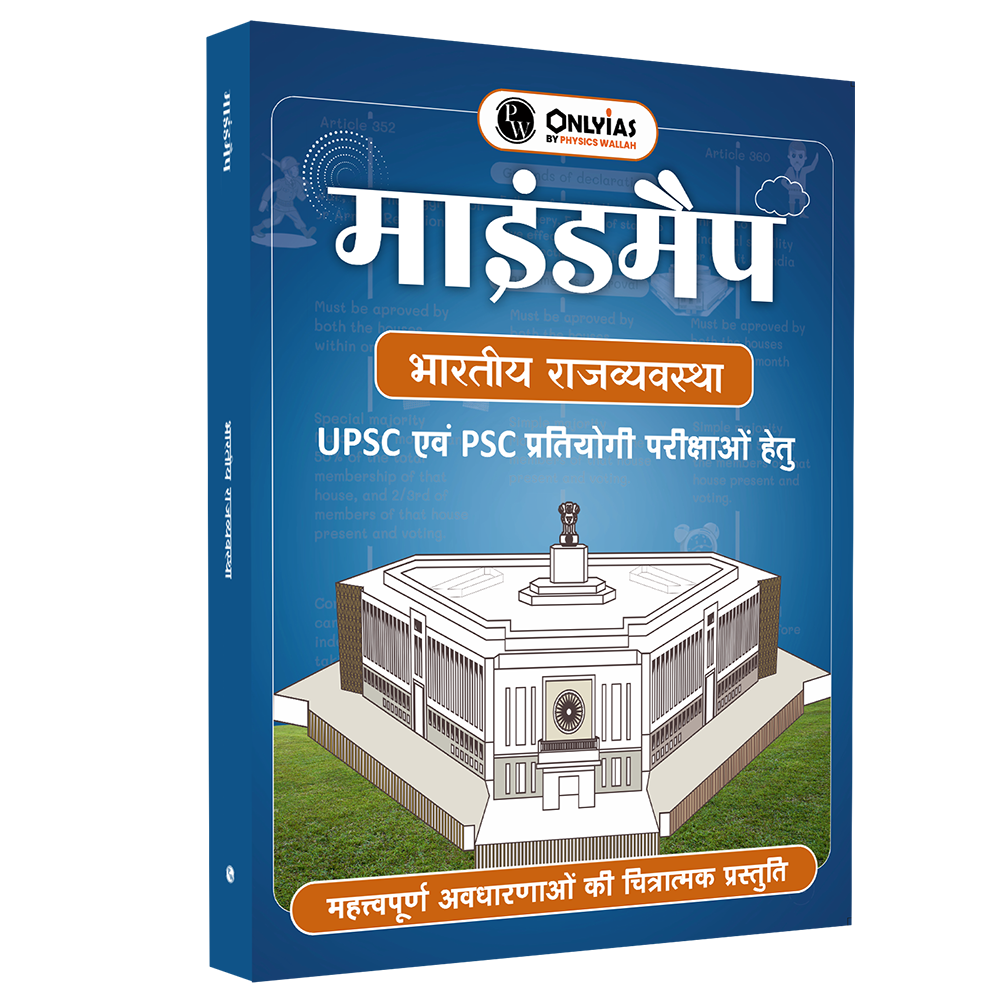
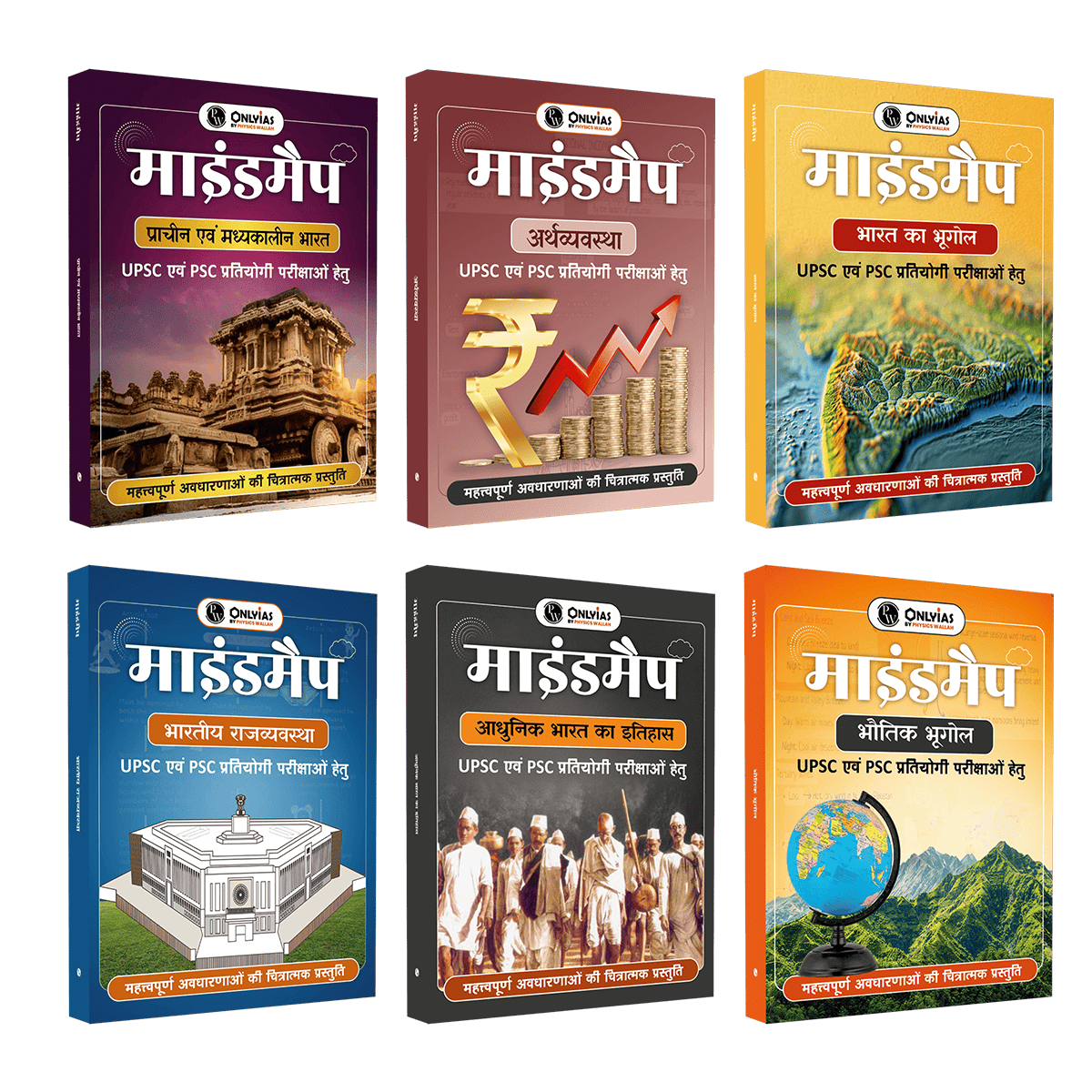
UPSC Polity Revision Book: What to Read & What to Skip
The closer the UPSC exam gets, the more students realise that revision decides performance. This is especially true for polity, where concepts, articles, and constitutional bodies need regular recall. That is why UPSC polity revision should be planned carefully.
Many students spend hours rereading chapters that add little value. A better approach is to use a revision book that keeps only the most important content in one place. It saves time, reduces confusion, and keeps your preparation on track.
Check Out: UPSC CSE Books
Importance of UPSC Polity Revision
Polity is often considered the "backbone" of the Civil Services Examination. Whether it is the Prelims or the Mains (GS Paper II), the weightage remains consistently high. However, the mistake most students make is treating their third or fourth reading exactly like their first.
A successful UPSC polity revision isn’t about re-reading; it is about recalling. Traditional UPSC polity books are great for building a foundation, but they are often too dense for the final weeks before an exam.
You need a system that triggers your memory through visual cues rather than blocks of text. By focusing on a structured UPSC revision book, you reduce the cognitive load on your brain, allowing you to store information in "chunks" rather than isolated, forgettable facts.
|
Feature |
Traditional Textbooks |
Revision Book |
|
Reading Speed |
Slow and detailed |
Rapid and focused |
|
Retention Technique |
Rote memorization |
Visual association |
|
Last-minute Utility |
Difficult to skim |
Designed for 1-hour recaps |
|
Complexity |
High (Dense paragraphs) |
Low (Simplified infographics) |
Features of UPSC Polity Revision Book
Polity revision books are designed to make revision more organised and easier to manage. Here is what sets it apart:
-
Simplified Visuals for Complex Concepts: Every chapter is broken down into a simple structure. Some revision books present topics in a simplified or summary format for quicker understanding.
-
Holistic Coverage: It doesn't just scratch the surface. While it acts as an UPSC Polity revision book, it aims to cover important topics from the syllabus for effective revision.
-
Comprehensive Topic Coverage: Covers key topics such as the Preamble, Constitutional Amendments, and governance structures.
-
Quick Overview of Complex Topics: The book provides a snapshot of difficult subjects like "Federalism" or "Parliamentary Committees," making complex topics easier to revise and understand.
Benefits of Using UPSC Polity Revision Book
Why should you switch from linear reading to visual maps? The answer lies in how our brains process data.
-
Enhanced Memory Recall: Visual formats can make some concepts easier to remember. Using an UPSC revision book that uses shapes, colours, and arrows helps create "mental anchors."
-
Time Efficiency: It can help reduce revision time compared to detailed textbooks.
-
Clarity on Hierarchy: Polity is all about the hierarchy of power. It helps in understanding relationships between topics more clearly.
-
Integrated Learning: These UPSC revision notes help link static portions of the syllabus with current affairs, as the visual structure allows you to "plug in" new information easily.
Who Should Use a Polity Revision Book for UPSC?
This approach isn't just for one type of student; It is useful for different types of learners:
-
The Beginner: If you are just starting, use these maps as a "syllabus road map" to understand what you are about to study.
-
The Working Professional: For those with limited time, these maps provide a way to do a high-quality UPSC polity revision during lunch breaks or commutes.
-
The Veteran: If you have already made an attempt, Focus on quick revision by reviewing key points and summaries.
When to Start Polity Revision for UPSC?
Timing is everything in the Civil Services journey. Using these tools at the wrong time can lead to confusion, but using them correctly ensures success.
-
During the Second Reading: Never use a revision book for your first read. Build your base first, then introduce the revision book during your second pass to solidify the structure.
-
Weekend Recaps: Use the end of your week to go through the polity revision book of the topics you covered in the last six days.
-
The 30-Day Countdown: In the final month before Prelims, the polity revision book should be your primary UPSC revision book, replacing all heavy materials.
Check Out: UPSC Previous Year Papers
Study Plan for UPSC Polity Revision
If you have 10 days to finish your Polity syllabus, follow this structured plan:
Days 1-3: The Constitutional Framework
Focus on the Preamble, Citizenship, Fundamental Rights, DPSP, and Duties. Use the polity revision book to differentiate between the "Features of the Constitution" and the "Basic Structure Doctrine."
Days 4-6: The Central and State Government
Compare the President with the Governor and the PM with the CM side-by-side. The UPSC polity revision should focus on the differences in their discretionary powers and appointment processes.
Days 7-8: Local Government and Bodies
This is where students often lose marks. Use infographics to memorise the 73rd and 74th Amendments. Group Constitutional bodies (Election Commission, UPSC) and Statutory bodies separately in your mind.
Days 9-10: Rapid Fire Recap
Flip through every page of your UPSC revision notes. Don't read—just "scan" the images. If an image doesn't immediately trigger a memory of the facts, spend 2 minutes reading that specific section.
Read More: UPSC Indian Polity Previous Year Papers with Downloaded PDF
UPSC Polity Revision FAQs
What is the right way to start UPSC polity revision for beginners?
Beginners should first read a standard textbook once to understand the concepts. After that, they should use visual UPSC revision notes to organise those concepts and prevent them from becoming a confusing jumble of articles and numbers.
Can I rely only on an UPSC revision book for the entire exam?
A revision book is designed for consolidation. While it covers all the facts, you should use it alongside your primary study materials during your initial phases to ensure you understand the "why" behind the laws.
Which are the most important UPSC polity books for the Mains exam?
For Mains, you need a mix of foundational textbooks and current affairs. However, for quick recall of articles and structures to draw in your answers, a visual UPSC revision book is invaluable for scoring higher marks through diagrams.
Are mind maps better than traditional UPSC revision notes?
Yes, because mind maps show the interconnections between topics. In the UPSC exam, questions are often interdisciplinary, and visual maps help you see how the Executive affects the Judiciary, which is harder to grasp in linear notes.