UPSC Prelims Preparation Using 31 Years PYQs
Cracking the Civil Services Examination requires a structured strategy, yet many aspirants feel overwhelmed by the vast syllabus and unpredictable question patterns. Memorising textbooks is never enough if you do not understand how examiners frame questions.
This is where mastering the UPSC PYQ book becomes your ultimate competitive advantage, transforming your preparation from blind memorisation into a targeted, high-yield study plan.
Importance of Using UPSC Prelims PYQ
Analysing the PYQ is not just about checking correct answers; it is about studying the mechanics of the question paper. Past papers reveal exactly which themes the Union Public Service Commission values most.
-
Identifying Core Themes: While the syllabus is exceptionally broad, the actual questions focus on specific sub-themes every year.
-
Mastering the Elimination Method: Knowing why three options are incorrect is just as valuable as knowing why one option is right.
-
Syllabus Demystification: Reviewing past papers acts as a real-time boundary wall for an otherwise endless syllabus.
|
Feature |
Strategic PYQ Analysis Benefits |
|
Question Bank |
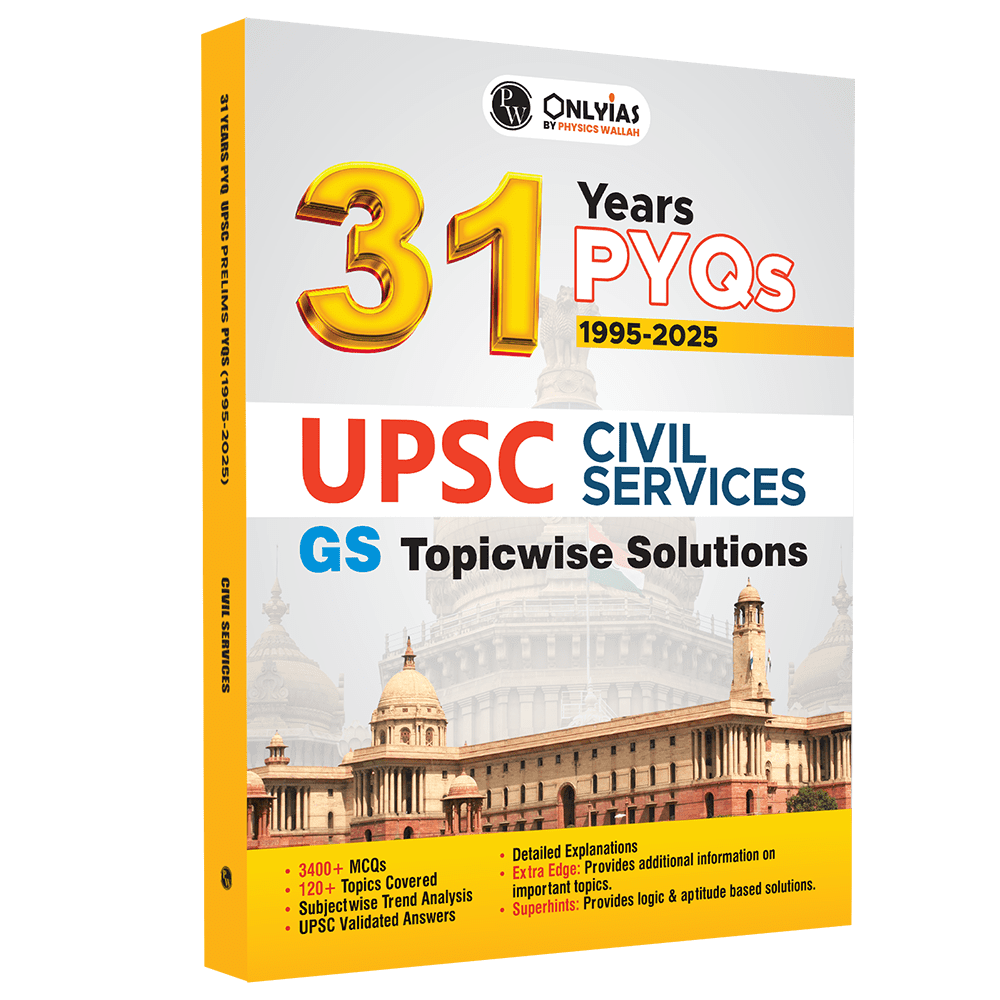
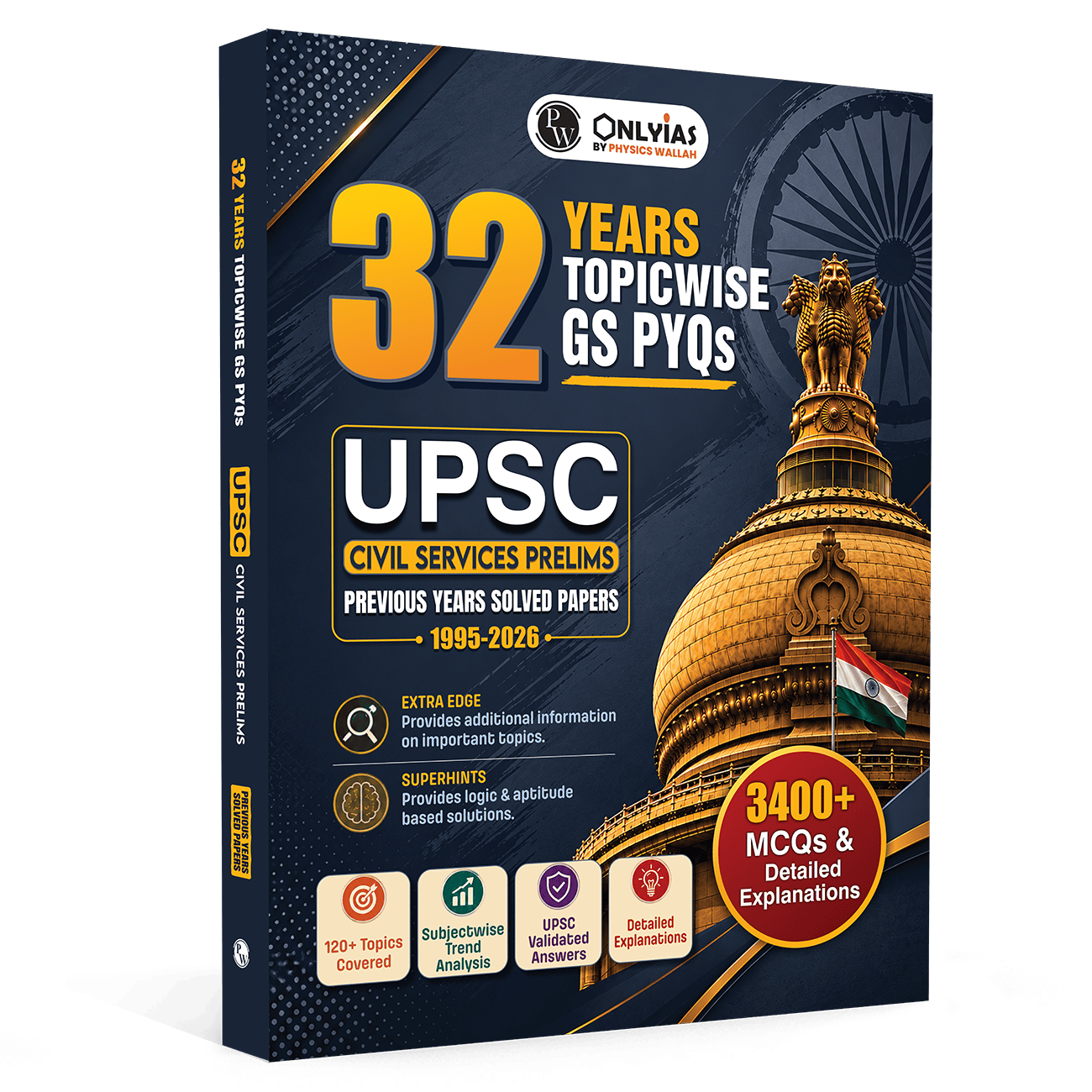
Access to 3400+ highly relevant MCQs from 1995 to 2025 |
|
Categorisation |
Structured breakdown into more than 120 specific topics |
|
Explanations |
Comprehensive, option-wise decoding for deep conceptual clarity |
|
Trend Identification |
Dedicated analysis covering the most recent 7 years of Prelims |
Features of UPSC Prelims PYQ
Choosing the right UPSC Books changes how fast you absorb information. The PYQ specifically designed to make the PYQ of UPSC prelims accessible, easy to revise, and highly rewarding for self-study.
Complete 31-Year Coverage (1995–2025)
This book provides a massive archive of over 3400 authentic questions. Reviewing three decades of papers ensures you see the entire evolution of the Civil Services Exam, from straightforward factual inquiries to complex, statement-based conceptual challenges.
Detailed Trend Analysis
The book includes an exclusive breakdown of papers from the last seven years. This segment highlights recurring patterns, shifting topic weights, and the evolving nature of statement structures, allowing you to align your final revision with recent trends.
Visual Learning Support
Long paragraphs of text can become tiring during extended study hours. To address this, the book incorporates clean maps, structured diagrams, and easy-to-digest infographics. These visual aids make complex geographic features, historical routes, and economic indicators easier to remember.
High-Yield Value Additions
Below are some of the benefits of the high value topics addition:
-
Extra Edge: This element provides extra context and deeper insights around frequently repeated topics, helping you stay ahead of general competition.
-
Topic-Wise Segregation: Beyond General Studies core subjects, sections like Analytical Reasoning, Decision Making, Quantitative Aptitude, and General Mental Ability are organized logically to keep your revision highly focused.
How to Improve Score Using a UPSC Prelims PYQ?
Simply reading an UPSC Previous Year Paper like a novel will not yield results. You must integrate it actively into your daily routine to truly absorb how concepts convert into complex questions.
Step 1: Study Topic-Wise and Not Year-Wise
Attempting a full, mixed question paper from 2005 before finishing your current syllabus can hurt your confidence. Instead, complete a specific subject segment, such as Fundamental Rights in Polity, and immediately solve all related questions from that specific topic spanning the past three decades. This locks in the concept permanently.
Step 2: Pay Attention to Option-Wise Explanations
A brilliant aspect of quality resources is option-wise decoding. If a question highlights four distinct environmental conventions, do not stop at the correct answer. Spend time reading the background of the other three choices because those remaining options frequently form the primary questions of the following year.
Step 3: Implement Intelligent Guesswork
The Civil Services Examination rarely features papers where an aspirant knows all one hundred answers with absolute certainty. Success depends on intelligent risk-taking. Using the specific resources section helps you cultivate smart guessing tactics and common-sense elimination routines that save precious marks.
How to Use the UPSC Prelims PYQ?
Your final sixty days before the exam require a sharp shift from reading new books to consolidating what you have already learned. Use your UPSC PYQs collection as your primary revision tracker.
Phase 1: The First Pass (Parallel to Syllabus)
As you finish chapters from standard textbooks, solve the corresponding section in your topic-wise book. Mark the questions you answer incorrectly or those that you find confusing with a red pen.
Phase 2: The Second Pass (Mid-Way Revision)
Three months before the exam, return exclusively to the marked, difficult questions. Read the option explanations again to make sure you have fixed your logical errors.
Phase 3: The Final Countdown (Last 30 Days)
Use the 7-year trend analysis section to run through the most recent papers under strict exam-like conditions. Focus heavily on refining your elimination speeds and applying super hints to maximize your score in borderline questions.
Topic-Wise Segregation in UPSC Prelims PYQ
Looking at a random UPSC previous year question out of context makes it difficult to see your weak areas. When questions are grouped by topic, your performance patterns become completely transparent.
If you solve twenty questions on the Governor’s powers back-to-back and get eight wrong, you immediately know that your understanding of state executives needs a thorough review. This precise feedback loop saves you from wasting weeks rereading chapters you have already mastered, keeping your study hours productive and highly efficient.
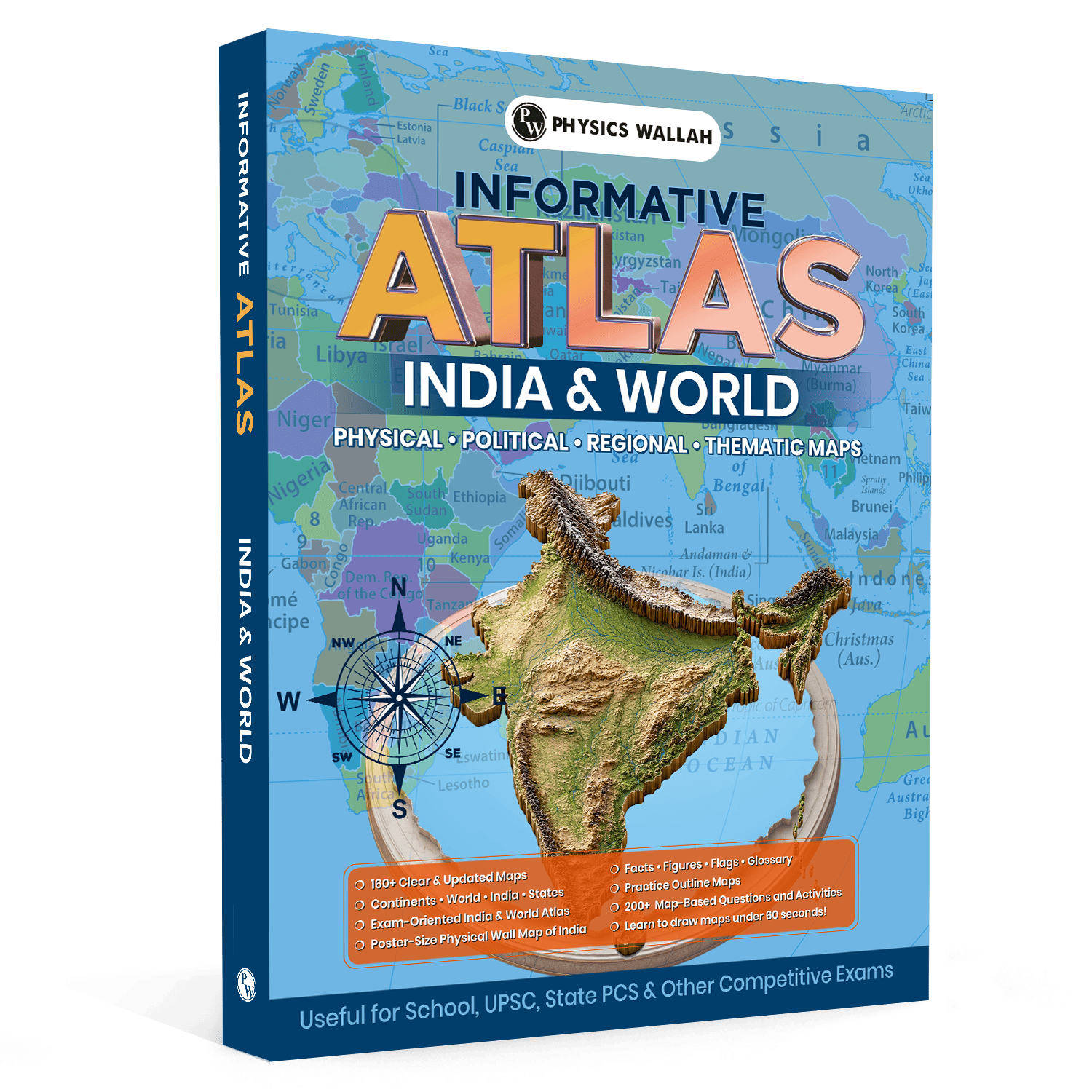
Also Check: PW UPSC Informative Atlas Book
Tips for Solving UPSC Prelims PYQ
To make the most of your PYQ of UPSC study, follow this simple reflection routine for every question you solve:
-
Identify the Core Source: Ask yourself which standard textbook chapter or current affairs event this question came from.
-
Deconstruct the Answer Key: Understand the precise logical step that makes the correct statement true.
-
Map the Wrong Options: Identify what minor changes the examiner made to make the remaining options incorrect.
-
Note Down Conceptual Traps: Highlight misleading words like "only," "all," or "drastically" to build a natural defensive mindset against future examiner traps.
Mistakes to Avoid While Using UPSC Prelims PYQ
Many aspirants buy a UPSC prelims previous year paper compilation but fail to use it effectively because of a few common tactical mistakes.
-
Treating PYQs as a Mere Mock Test: Do not just solve a page, score yourself, and move on. Treat every single question as a mini-lesson.
-
Ignoring the Older Papers: Some candidates believe questions from the late 1990s are outdated. However, core static themes in Ancient History, Medieval History, and Physical Geography rely on basic principles that UPSC still revisits regularly.
-
Memorising Answers Without Understanding: The exact same questions rarely repeat word-for-word, but the underlying concepts repeat constantly. Focus on the core theory rather than the specific answer key.
Read More: Most Important Topics for UPSC Prelims and Mains Exam
UPSC PYQ FAQs
How many years of UPSC prelims PYQ should an aspirant solve?
It is highly recommended to study the past 31 years of questions. While the exam pattern has evolved, the core static concepts in subjects like History, Geography, and Polity follow timeless fundamentals. Studying a broad window from 1995 to 2025 ensures you cover all possible question angles.
Are questions from the PYQ of UPSC prelims ever repeated
Direct, word-for-word question repetitions are rare, but conceptual repetitions happen every single year. Often, an option listed in a previous question is transformed into a primary question in a later exam. This makes analyzing explanations incredibly valuable.
How does an UPSC PYQ book help with elimination techniques?
A quality book breaks down every option instead of just giving the correct answer. Resources include dedicated super hints and extra edge sections that teach you how to spot examiner traps, use common sense, and eliminate incorrect options confidently.
Should I practice UPSC PYQs before or after completing the syllabus?
You should practice them both during and after your syllabus completion. The most effective approach is to solve questions topic-wise as you finish individual subjects, and then solve complete, year-wise papers during the final weeks of your preparation.
Why is the UPSC prelims previous year paper trend analysis important?
Trend analysis focuses heavily on the last 7 years of exams, showing you exactly how the weight of different subjects shifts over time. It helps you understand modern framing techniques and helps you decide which topics deserve your closest attention during revisions.