Who is the UPSC Prelims Question Bank Most Useful for — Year 1 or Year 2 aspirants

An ideal study companion helps candidates navigate the extensive Civil Services Examination syllabus. Aspiring civil servants must balance foundational learning with consistent practice.
Finding the right question bank for UPSC preparation often determines whether a candidate clears the first hurdle of the exam. Practicing high-quality UPSC prelims questions allows candidates to assess their readiness accurately. This guide evaluates how different aspirants can utilize a dedicated resource to plan their preparation timeline effectively.
What Are UPSC Prelims Questions in the Q&A Bank?
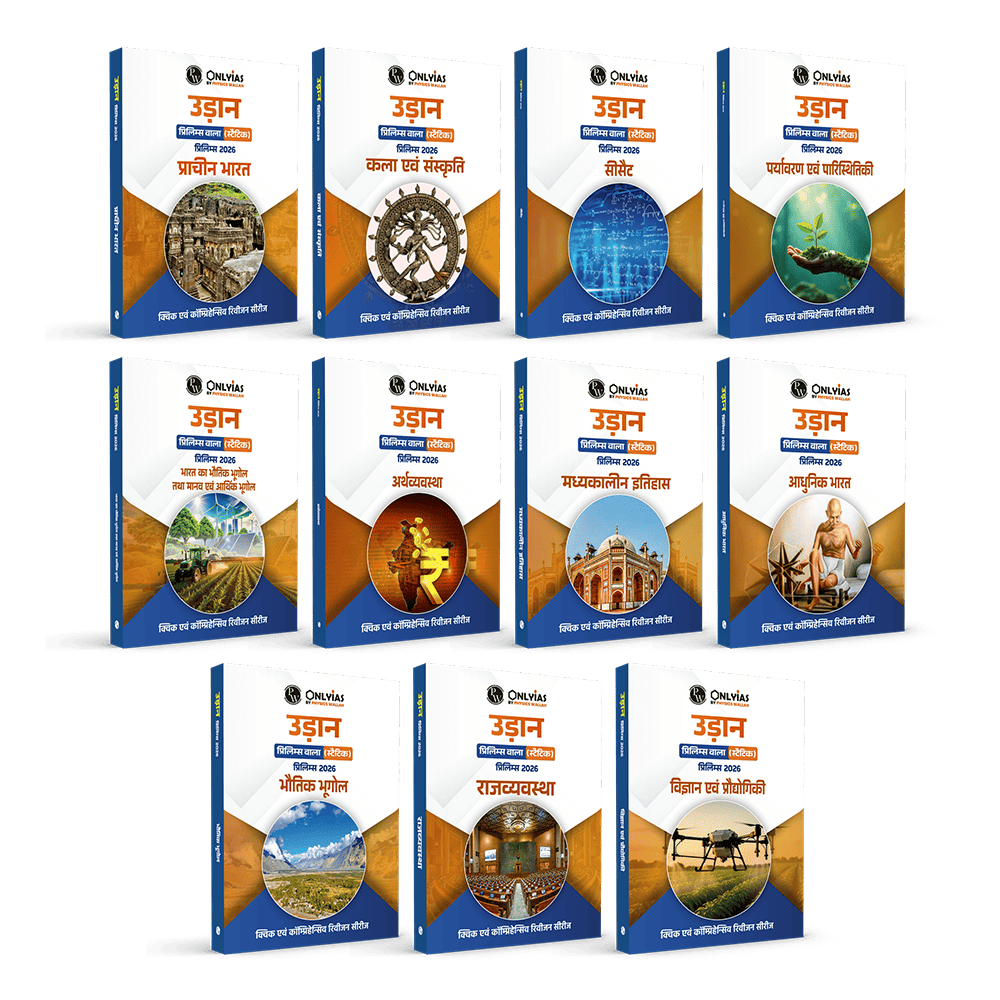
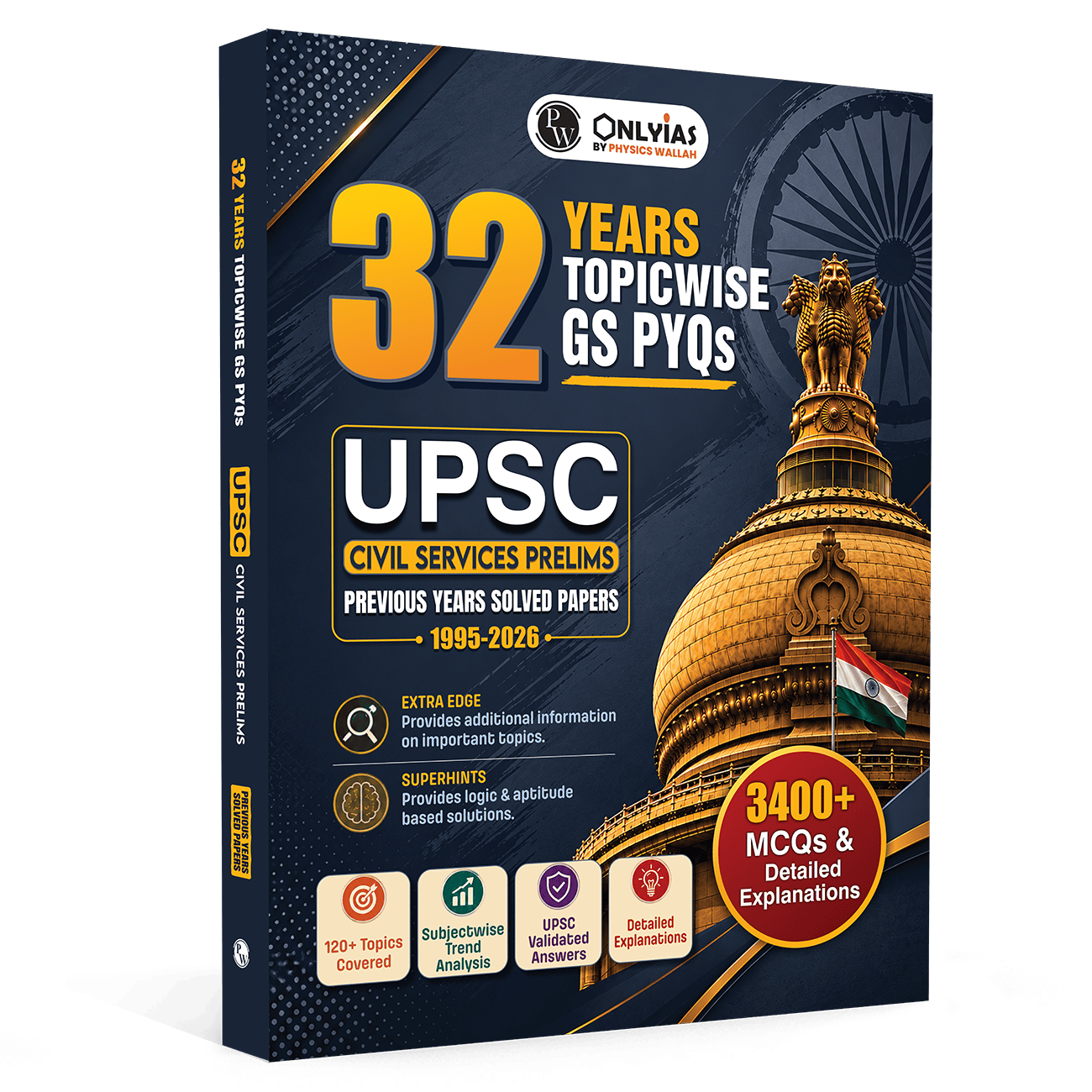
The question bank for UPSC Prelims is a structured, comprehensive compilation of over 4000 exam-oriented queries and solutions. This curated set spans nine dedicated volumes covering crucial subjects such as Ancient & Medieval India, Modern India, Art & Culture, Science & Technology, Indian Economy, Environment & Ecology, Indian Polity, Geography, and CSAT.
Instead of presenting an overwhelming mix of random mock tests, this upsc prelims topic wise question bank systematically segregates items by chapter and theme. Each query is paired with well-researched, detailed explanations that strengthen analytical skills.
The content blends vital historical concepts with current affairs-linked themes to ensure candidates stay aligned with the latest trends.
Why UPSC Prelims Questions Matter for Every Aspirant
Syllabus coverage alone does not guarantee success in the Civil Services Examination. Regularly tackling UPSC prelims questions bank bridges the gap between theoretical knowledge and exam-day performance.
It helps candidates understand how the exam body frames trick options and tests conceptual clarity rather than rote memorization.
Using a high-quality UPSC IAS prelims question bank allows candidates to identify high-probability focus areas early in their preparation cycle. It provides immediate feedback on retention, revealing whether a student truly understands a topic like monetary policy or judicial review.
Exposure to varied problem formats builds the mental stamina required to eliminate incorrect options under real exam conditions.
How Year 1 and Year 2 Aspirants Can Use UPSC Prelims Questions?
Year 1 and Year 2 candidates approach the syllabus from different stages of readiness, requiring distinct preparation methods.
Year 1 Aspirants: Building a Strong Foundation
Beginners often struggle with information overload when looking through extensive upsc prelims study material. For these candidates, solving UPSC prelims questions should happen right after reading a textbook chapter.
-
Thematic Alignment: After completing a topic like Fundamental Rights, the candidate should immediately solve the corresponding chapter-wise queries.
-
Deconstructing Explanations: Year 1 students must read the detailed answers to learn how to connect core facts with analytical concepts.
-
Error Notebook: Maintaining a record of initial mistakes helps beginners avoid repeating fundamental conceptual errors.
Year 2 Aspirants: Refining Strategy and Accuracy
Repeater candidates or those in their second year of dedicated preparation already possess basic foundational knowledge. Their focus shifts toward speed, eliminating silly mistakes, and identifying subtle knowledge gaps.
-
Reverse Engineering: Year 2 students can solve a batch of UPSC prelims questions before opening their notes to see which areas require active revision.
-
Targeting Weak Spots: Using the question bank for UPSC Prelims PDF or print formats allows them to isolate subjects where their accuracy drops below 70%.
-
Time Bound Practice: Second-year candidates can use chapter sets as timed mini-tests to improve decision-making speed.
Benefits of UPSC Prelims Questions for Year 1 and Year 2 Aspirants
Both categories of candidates gain unique structural advantages by integrating these targeted exercises into their daily schedules.
|
Benefit Category |
Year 1 Aspirants |
Year 2 Aspirants |
|
Conceptual Clarity |
Helps connect standard textbook theories with practical, multi-statement applications. |
Corrects long-standing misconceptions and refines understanding of complex sub-topics. |
|
Syllabus Navigation |
Prevents candidates from getting lost in low-priority details by highlighting core areas. |
Directs attention to high-probability topics and recent current affairs linkages. |
|
Revision Efficiency |
Provides an active learning tool that is more engaging than passively re-reading heavy notes. |
Accelerates the revision cycle through rapid, targeted practice sessions. |
|
Confidence Building |
Reduces exam anxiety by familiarising beginners with actual question patterns early on. |
Restores confidence by showing measurable improvement in accuracy scores. |
Who Benefits More from UPSC Prelims Questions?
While a structured compilation of UPSC prelims questions serves both cohorts, it provides different levels of utility based on an individual's preparation phase.
For Year 1 aspirants, the resource acts as a structural guide. It prevents them from studying aimlessly and teaches them the exact style of thinking the exam demands. It saves beginners from developing poor study habits.
For Year 2 aspirants, this tool is an absolute necessity for survival and improvement. Second-year students often fail not due to a lack of knowledge, but due to poor elimination skills or overcomplicating straightforward queries.
The detailed explanations and additional value-added facts provide the extra edge needed to cross the qualifying cutoff mark. Ultimately, Year 2 candidates benefit slightly more in terms of immediate score elevation, while Year 1 candidates benefit more in terms of long-term habit formation.
When to Start Practicing UPSC Prelims Questions
Waiting until the final two months before the exam to start practicing is a critical error. Candidates should engage with UPSC prelims questions from the very first week of their preparation journey.
The ideal time to open the question bank is immediately after finishing a major thematic unit. For example, once an aspirant finishes reading about the Indus Valley Civilisation, they should immediately test themselves.
This immediate application ensures that facts move from short-term memory to long-term retention, making future revision cycles much smoother. To make this process more effective, aspirants should also rely on well-structured UPSC Books that build conceptual clarity and provide organized coverage of static and dynamic topics. Combining quality books with regular question practice creates a stronger foundation and improves long-term preparation outcomes.
Study Plan for Using UPSC Prelims Questions
A systematic approach guarantees optimal utility from the 9-book combo set. This monthly timeline outlines how to integrate practice into a daily routine.
Months 1 to 5: Synchronized Chapter Practice
During this foundational phase, dedicate 80% of daily study hours to reading core subjects and 20% to practicing relevant UPSC prelims questions.
-
Finish a chapter from the standard syllabus.
-
Open the corresponding volume of the question bank.
-
Solve 15–20 thematic queries to validate your understanding.
Months 6 to 8: Sectional Mastery and Revision
Shift the balance to 60% reading and 40% active testing.
-
Begin mixing chapters within a single subject, such as combining physical and economic geography.
-
Use the value-added notes provided in the explanations to supplement your primary study notes.
-
Re-solve the queries you answered incorrectly during the first five months.
Months 9 and Beyond: High-Intensity Simulation
In the final lead-up to the exam, focus heavily on application and speed.
-
Solve complete subject volumes in a single sitting to build mental endurance.
-
Dedicate special attention to the CSAT volume to ensure qualifying marks are comfortably met.
-
Analyze trends in current affairs-linked themes to anticipate potential examination patterns.
Common Mistakes to Avoid While Solving UPSC Prelims Questions
Aspirants frequently misuse practice resources, which limits their overall progress. Avoid these common pitfalls to get the most out of your study sessions.
-
Memorising Answers Instead of Concepts: Many candidates simply learn the answer to a specific query rather than understanding the underlying principle. If the exam body tweaks the wording slightly in the actual exam, these candidates falter. Regular practice with UPSC Previous Year Paper sets can help aspirants identify patterns and focus on concept-based preparation instead of memorisation.
-
Skipping the Detailed Explanations: Finding the correct option is only half the battle. Failing to read the accompanying solution means missing out on crucial alternative contexts, related facts, and option-elimination logic.
-
Neglecting the CSAT Paper: Many highly capable General Studies candidates fail the preliminary stage because they ignore CSAT practice until the final week. Regular practice from the dedicated CSAT volume is essential.
-
Inconsistent Tracking of Progress: Solving hundreds of UPSC prelims questions without analyzing error patterns is counterproductive. Candidates must categorize their errors into conceptual gaps, misread statements, or wild guesses to make real progress.
Read More: Most Important Topics for UPSC Prelims and Mains Exam
UPSC Prelims Questions Bank FAQs
1. How does a topic wise question bank improve my accuracy?
A topic wise approach allows you to isolate specific themes right after studying them. This targeted practice highlights immediate weak spots in your retention, letting you correct errors before they become ingrained habits.
2. Can beginners use the question bank for UPSC Prelims before completing the syllabus?
Yes. Beginners should use it alongside their first reading. Solving chapter-wise queries helps Year 1 students understand which parts of a textbook chapter deserve the most attention, saving valuable study time.
3. Should I practice CSAT questions along with General Studies topics?
Absolutely. CSAT requires consistent, long-term skill development. Incorporating regular practice from a dedicated CSAT volume ensures you build the necessary speed and logic well before exam day arrives.
4. How do detailed explanations in a question bank for IAS help in revision?
Detailed explanations provide context on why specific options are incorrect. They often contain additional exam-focused insights and value-added data, making them excellent tools for quick, high-yield revision without reopening bulky textbooks.