UPSC PYQs: How to Spot Questions From the Same Topic
As the mid-term revision phase approaches, many candidates find themselves overwhelmed by the vast syllabus of the Civil Services examination. You might have finished your initial reading of core textbooks, yet mock tests still feel unpredictable and daunting.
The primary challenge at this stage of your journey is not a lack of reading material, but knowing which specific areas require deeper focus.
Evaluating a structured UPSC PYQ resource acts as a compass during mid-term preparation. It helps bridge the gap between standard textbook theory and actual test expectations by revealing exact patterns, core themes, and recurring question frameworks used over the years.
Overview of UPSC PYQ
A thorough UPSC PYQ analysis demonstrates that the examination rarely repeats questions word-for-word. Instead, the testing body consistently revisits core themes, foundational concepts, and specific subject areas.
When candidates examine questions across 120+ categorized topics—including Polity, Economy, History, Geography, Environment, Science & Technology, and Current Affairs—they begin to see clear patterns in how options are constructed and how core concepts are retested year after year.
How Can UPSC PYQ Help You Spot Questions From the Same Topic?
Analyzing past papers enables candidates to shift from passive reading to active, trend-focused preparation. By reviewing solved papers categorized across various subjects, aspirants can spot recurring concepts and understand the specific perspective from which questions are framed.
-
Identifying High-Weightage Themes: Spotting recurring themes across three decades reveals which chapters yield the highest number of questions during mid-term review.
-
Understanding Evolving Trends: Tracking how questions shift over time shows whether a topic is tested through simple factual statements or complex analytical scenarios.
-
Mastering Option Elimination: Examining detailed option-wise explanations helps candidates recognize common distractor patterns and refine intelligent guessing skills.
-
Connecting Prelims and Mains: Recognizing shared foundational topics builds strong conceptual clarity that supports both preliminary and main examination requirements simultaneously.
How to Use UPSC PYQ to Group Questions From Similar Topics?
Organizing UPSC previous year papers by topic transforms a collection of individual test papers into a structured learning tool. Instead of solving papers chronologically year by year, candidates gain greater clarity by reviewing all questions from a single subject together.
-
Sort Questions by Subject: Begin by grouping past questions into major subjects like Polity, Economy, or Environment.
-
Sub-divide into Specific Themes: Divide subject questions into smaller sub-topics across the 120+ categorized areas to isolate specific focus points.
-
Compare Options Across Years: Line up questions from different years under the same sub-topic to see how incorrect options from previous years often become the basis for new questions in subsequent tests.
-
Evaluate Explanations: Read option-wise solutions carefully to extract additional facts and underlying logic behind every choice.
Utilizing upsc topic-wise pyqs during this mid-term stage ensures that your revision remains strictly targeted on high-yield themes rather than spread thin over endless study material.
When Should You Analyse UPSC PYQ for Repeated Topics?
Timing plays a crucial role in how effectively past papers support your preparation. Analyzing past questions at the right moments ensures maximum retention and practical application during your study schedule.
-
During Mid-Term Revision: The mid-term mark is the ideal phase to analyze past papers, as it allows you to benchmark your textbook knowledge against actual exam standards.
-
Before Starting a New Chapter: Reviewing relevant past questions before reading a new textbook chapter highlights key focus areas in advance.
-
After Completing a Subject: Solving subject-specific questions right after finishing a text confirms whether your conceptual understanding meets test standards.
-
During Final Mock Practice: Re-examining past trends alongside mock tests helps refine time management, precision, and elimination strategies under exam conditions.
Engaging in regular upsc prelims pyq practice during these key phases maintains strong alignment with actual testing trends.
Study Strategy Plan with UPSC PYQ for Finding Common Topics
A strategic study plan helps candidates systematically integrate past paper analysis into their weekly study routines. Using reliable UPSC books alongside PYQ practice can provide structured study material and help candidates identify recurring themes across major subjects. The following table provides a structured four-week mid-term plan designed to uncover recurring themes across major subjects.
|
Week |
Primary Focus Area |
Strategy & Action Items |
Expected Learning Outcome |
|
Week 1 |
Polity & Economy |
Solve topic-wise MCQs, map questions to core static chapters, examine option logic. |
Clear grasp of constitutional provisions and economic terminology patterns. |
|
Week 2 |
History & Geography |
Group questions by historical periods and geographical maps, track repeated themes. |
Ability to identify recurring historical figures, events, and location trends. |
|
Week 3 |
Environment & Science |
Review environmental treaties, species, and technology trends across past papers. |
Stronger elimination skills for complex multi-statement questions. |
|
Week 4 |
CSAT & Integrated Review |
Practice aptitude logic patterns and perform holistic review using trend analysis. |
Improved accuracy, speed, and overall confidence across Paper 1 and Paper 2. |
Integrating upsc gs previous year questions into a weekly plan ensures consistent exposure to real exam formats while strengthening critical problem-solving skills.
Tips to Spot Similar Questions in UPSC PYQ
Spotting recurring themes requires an analytical mindset rather than simple memory work. Candidates must look beyond exact wording to identify underlying theoretical frameworks.
-
Focus on Statements, Not Just Stems: Pay close attention to individual statement choices, as distractors in one year frequently reappear as core statements in later years.
-
Track Key Terminology: Highlight repeating technical terms, policy names, or scientific principles across different papers.
-
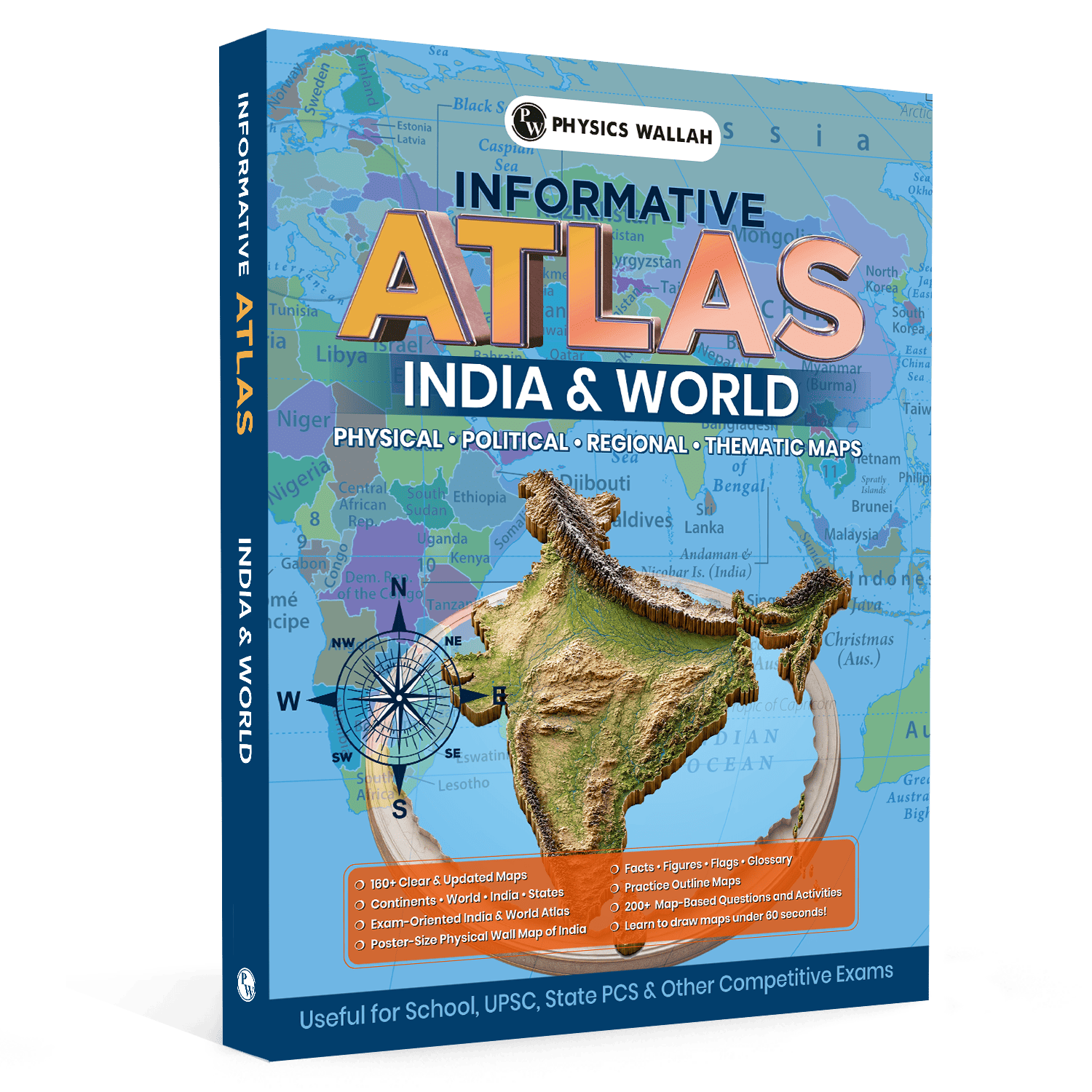
Leverage Visual Learning Aids: Utilize included maps, diagrams, and visual aids within study resources to connect spatial and geographic concepts quickly.
-
Apply Strategic Hints: Use specialized strategies and expert hints provided in comprehensive solutions to spot hidden shortcuts and logical clues within question setups.
Also Check - UPSC Informative Atlas Book
Common Mistakes to Avoid While Comparing UPSC PYQs
Many candidates attempt to use past papers but fall into common traps that limit their overall effectiveness. Avoiding these mistakes ensures your analysis yields maximum results.
-
Memorizing Answers Instead of Concepts: Memorizing the correct option letter without understanding the underlying logic prevents you from answering modified variations of the same concept.
-
Ignoring Incorrect Options: Neglecting to study why wrong options were included misses out on valuable context, as those options often form the basis for future questions.
-
Studying Papers Only Chronologically: Solving papers strictly year-by-year makes it difficult to spot recurring thematic patterns compared to using a topic-wise approach.
-
Neglecting CSAT Aptitude Papers: Focusing exclusively on General Studies while ignoring CSAT past papers can result in avoidable setbacks on exam day.
Practice Sheet for Finding Similar Topics in UPSC PYQ
To help apply these analytical techniques during your mid-term review, use this quick practical template when evaluating any set of past questions:
-
Step 1: Record Question Details: Note down the Year, Subject, and specific Sub-Topic (e.g., Polity – Fundamental Rights).
-
Step 2: Identify Core Concept: Write down the central concept being tested in a single sentence.
-
Step 3: Analyze Options: Document the main topic referenced in every incorrect option statement.
-
Step 4: Cross-Reference: Check earlier or later paper sets to find where those same terms or concepts appeared again.
Read More: UPSC Indian Polity Previous Year Papers
UPSC PYQ FAQs
How many years of past papers should I review for Civil Services Prelims?
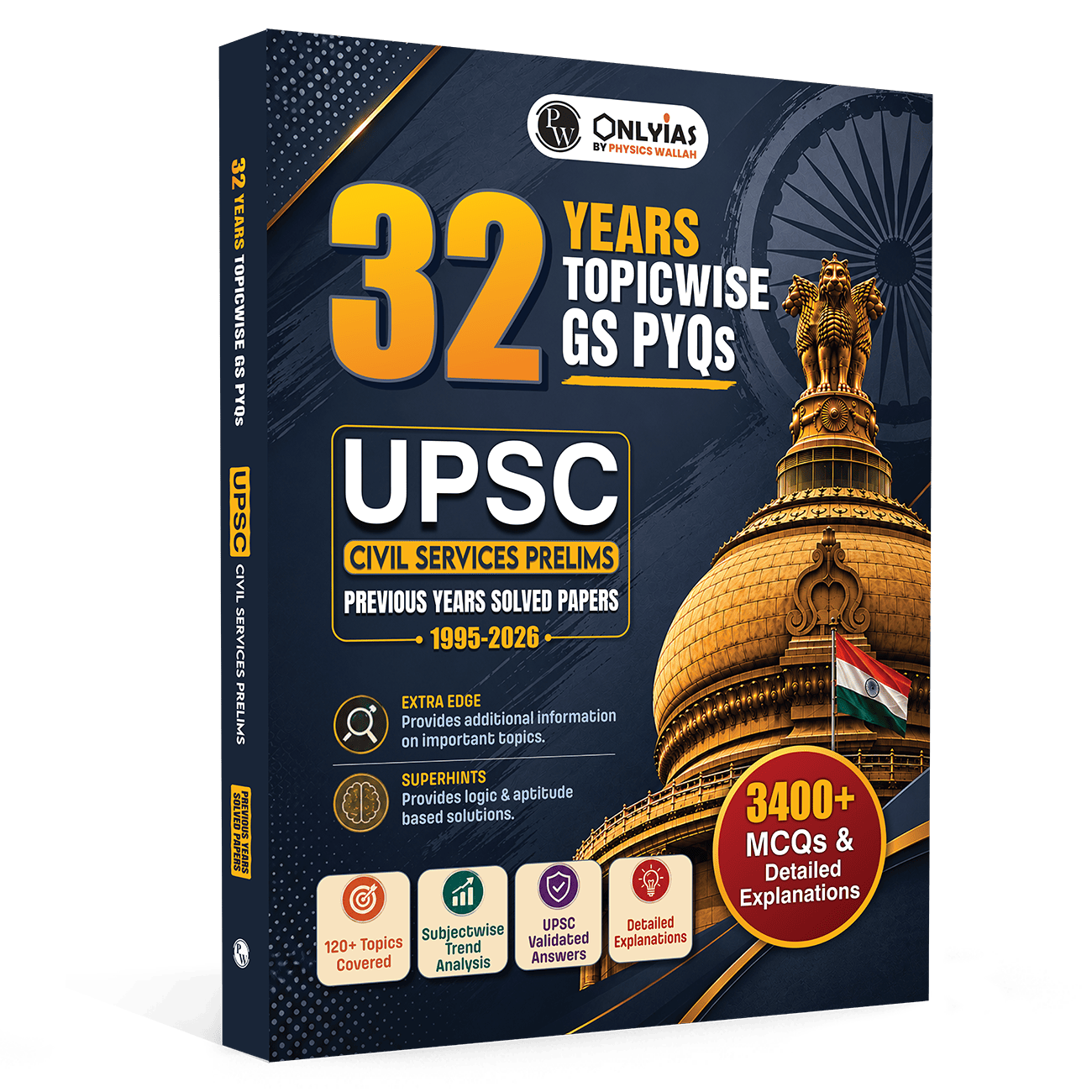
Reviewing 32 years of past papers from 1995 to 2026 provides a comprehensive database of 3400+ MCQs, offering complete coverage of evolving exam trends and recurring themes.
Why is topic-wise segregation important for past paper analysis?
Categorizing questions across 120+ topics allows candidates to focus on one subject at a time, making it significantly easier to spot trend patterns, high-weightage topics, and option structures.
Can past questions help improve elimination techniques?
Yes, detailed option-wise explanations explain why specific choices are incorrect, helping candidates develop intelligent guessing and elimination skills for unfamiliar questions.
Are CSAT questions included in trend analysis resources?
Comprehensive resources cover both General Studies Paper 1 and CSAT Aptitude Paper 2, ensuring balanced preparation across both preliminary papers.
When is the best time to start practicing past exam MCQs?
The mid-term revision stage is an ideal time to practice past MCQs, as it allows you to test your textbook knowledge, identify high-yield areas, and refine your test-taking strategy.