UPSC PYQs: How to Know Which Topics Need More Practice?
Preparing for the Civil Services Examination requires strategic effort rather than raw hours of study. Many aspirants complete the syllabus but struggle to score consistently in test series. The primary reason for this plateau is an unorganized revision strategy that ignores underlying weak areas. Solving a UPSC PYQs offers an authentic mirror of your actual readiness.
By systematically tracking performance across past papers, candidates can pinpoint exact knowledge gaps, refine problem-solving techniques, and focus their revision where it yields the highest marks.
Importance of UPSC PYQ
PYQ is important because it helps aspirants understand the UPSC exam pattern, important topics, question types, and changing trends. Solving previous year questions also helps identify weak areas, improve accuracy, and develop better elimination skills. Regular prelims practice with topic-wise PYQs allows candidates to focus their revision on topics where they need more improvement.
How to Analyze UPSC PYQ Papers to Identify Weak Areas?
Identifying specific gaps requires a structured review process rather than simply checking the final score. A precise analysis reveals whether mistakes stem from a lack of facts or faulty elimination techniques.
-
Categorize mistakes into explicit error types: Group wrong answers into factual memory gaps, misreading the prompt, or flawed elimination logic.
-
Track subject-wise performance percentages: Calculate your accuracy rate separately for History, Polity, Economy, Environment, Geography, and Science & Technology.
-
Review untested themes repeatedly: Notice recurring sub-topics that consistently yield lower accuracy during UPSC prelims practice.
-
Evaluate time spent per question: Highlight questions that took longer than two minutes, even if you answered them correctly, as they indicate conceptual hesitation.
Why Solving Topic-Wise UPSC PYQ Reveals Hidden Knowledge Gaps?
Working through UPSC previous year papers year by year can create a false sense of security. Grouping questions by specific subjects provides a clearer picture of your actual understanding.
-
Exposes recurring core concepts: Utilizing UPSC topic-wise PYQs highlights specific chapters—such as Fundamental Rights or National Parks—where your accuracy drops.
-
Prevents topic avoidance: Chronological papers let strong subjects mask weak ones; topic-wise organization forces direct engagement with tough areas.
-
Builds pattern recognition: Solving 30 years of questions on a single theme clarifies how questions are framed and where distractors are placed.
-
Improves targeted revision: Instead of re-reading entire textbooks, you can focus directly on UPSC weak topics identified through thematic solving.
What Are the Benefits of the UPSC PYQ Book?
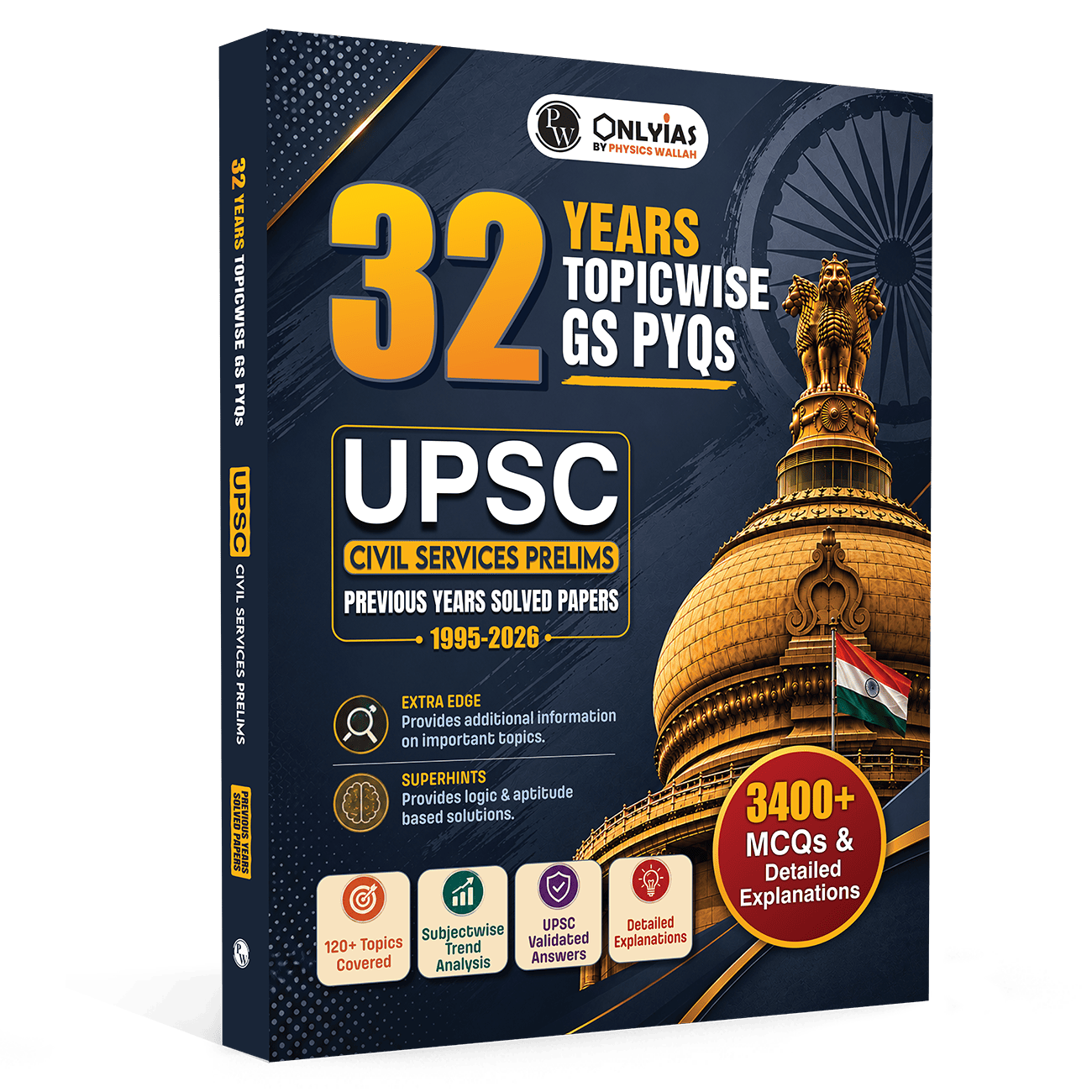
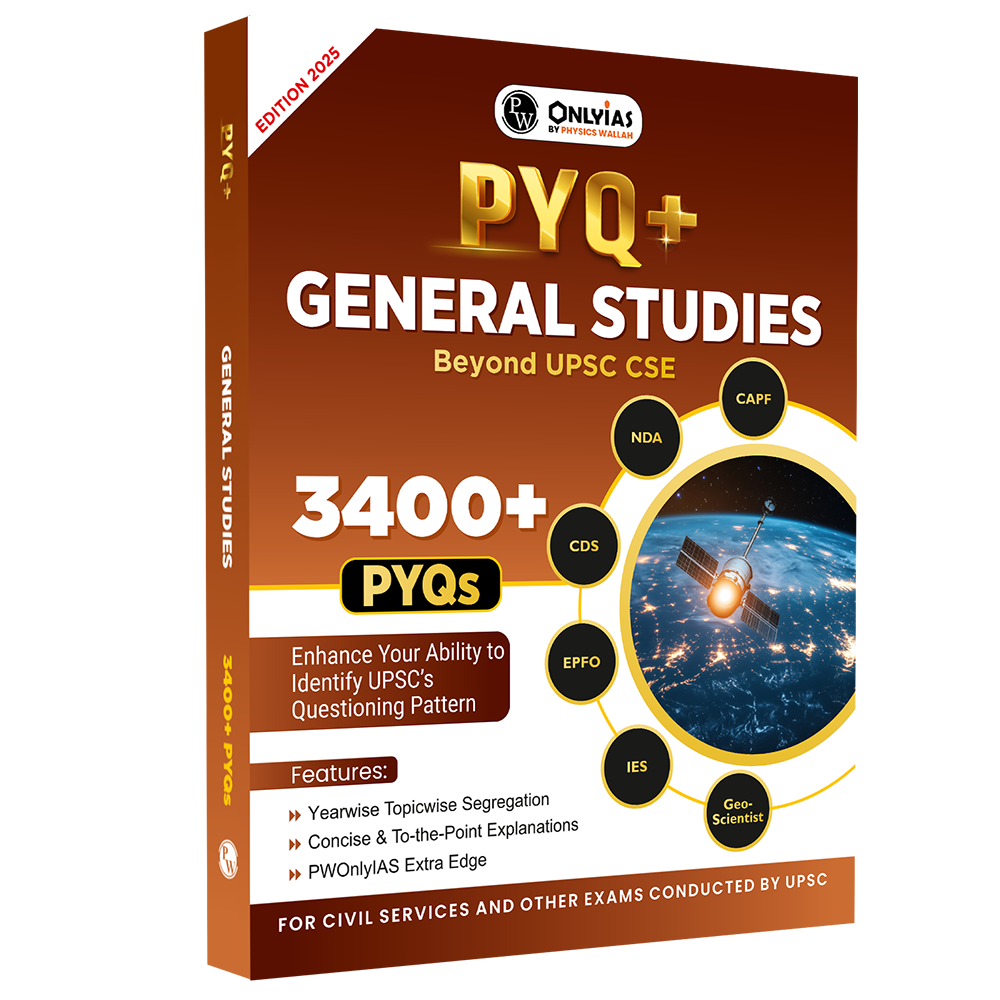
Get a complete collection of previous-year UPSC Prelims questions along with clear solutions, topic-wise practice, and exam trend analysis. It helps you understand how UPSC asks questions, revise important areas, and prepare in a more focused way.
-
32 Years of UPSC Prelims Papers (1995–2026): Get access to UPSC Prelims papers from 1995 to 2026. The collection includes questions from General Studies Paper 1 and CSAT Aptitude Paper 2 for long-term exam practice.
-
3400+ Questions with Solutions: Practice more than 3400 real UPSC questions collected from previous exams. Detailed answers help you check your mistakes, revise concepts, and improve your overall performance.
-
120+ Topics Covered: Questions are divided into more than 120 topics, making it easier to study specific areas such as Polity, History, Economy, Geography, Environment, Science & Technology, and Current Affairs.
-
Clear Explanation for Every Option: Learn the reason behind each answer instead of simply memorizing it. Option-wise explanations also help you understand how to identify and eliminate incorrect choices.
-
UPSC Question Trend Review: Study past papers to understand repeated topics, important themes, changing question styles, and areas that receive more attention in the exam.
-
Expert Tips and Superhints: Use useful preparation tips, subject guidance, and special Superhints to solve questions more carefully and improve your chances of selecting the right answer.
-
Useful for UPSC 2027 Preparation: The content is updated to match the latest UPSC Prelims syllabus and question style. It can help aspirants build a strong base for the UPSC 2027 exam.
-
Maps, Charts and Visual Aids: Difficult concepts are supported with maps, diagrams, infographics, and other visual tools. These make topics easier to understand and help with quick revision.
-
Helpful for Prelims and Mains: The concepts learned through previous year questions can also support Mains preparation. It helps you develop a better understanding of important subjects instead of focusing only on objective questions.
-
Better Topic Planning: Use previous year question data and topic trends to decide what to study first. This allows you to give more time to important areas and follow a more organized preparation plan.
How to Analyze UPSC PYQ Performance Step by Step?
A structured evaluation system turns raw test scores into actionable study plans. Using reliable UPSC books alongside past paper practice can help clarify concepts, strengthen weak areas, and improve preparation. Follow this practical framework after completing every past paper practice session.
-
Mark answers strictly without guessing adjustments: Record your score using standard marking schemes to maintain an objective baseline.
-
Sort questions into a performance diagnostic grid: Create four distinct lists: Correct & Confident, Correct by Guesswork, Incorrect due to Misreading, and Incorrect due to Knowledge Gap.
-
Cross-reference incorrect entries with source books: Map every wrong answer back to your primary notes or reference material to verify if the information was missing or forgotten.
-
Log findings into an error tracking journal: Document the exact sub-topic alongside the root cause of the error to track improvement over time.
-
Schedule targeted revision within 48 hours: Re-study the specific chapters linked to your knowledge gap errors immediately to reinforce the correct information.
How Does UPSC PYQ Book Help Track Performance?
Having access to well-structured practice material accelerates the diagnosis of learning gaps. The UPSC Prelims PYQ provides a comprehensive foundation for candidate assessment.
|
Feature |
Book Specification |
Diagnostic Benefit |
|
Coverage Period |
32 Years (2026–1995) |
Offers a massive sample size to identify multi-decade exam trends and persistent weak areas. |
|
Question Volume |
3400+ MCQs |
Provides extensive questions across all core papers for reliable accuracy calculations. |
|
Categorization |
Topic-Wise GS Structure |
Enables direct testing on specific chapters to isolate UPSC weak topics quickly. |
|
Explanations |
Detailed Analytical Solutions |
Clarifies why an option is correct and why other distractors are incorrect, aiding conceptual learning. |
|
Target Exam |
Civil Services IAS / UPSC 2027 |
Tailored for candidates aligning their revision strategy with modern exam standards. |
Working with structured collections like UPSC previous year questions eliminates the hassle of searching for authentic sources, allowing you to focus entirely on performance evaluation.
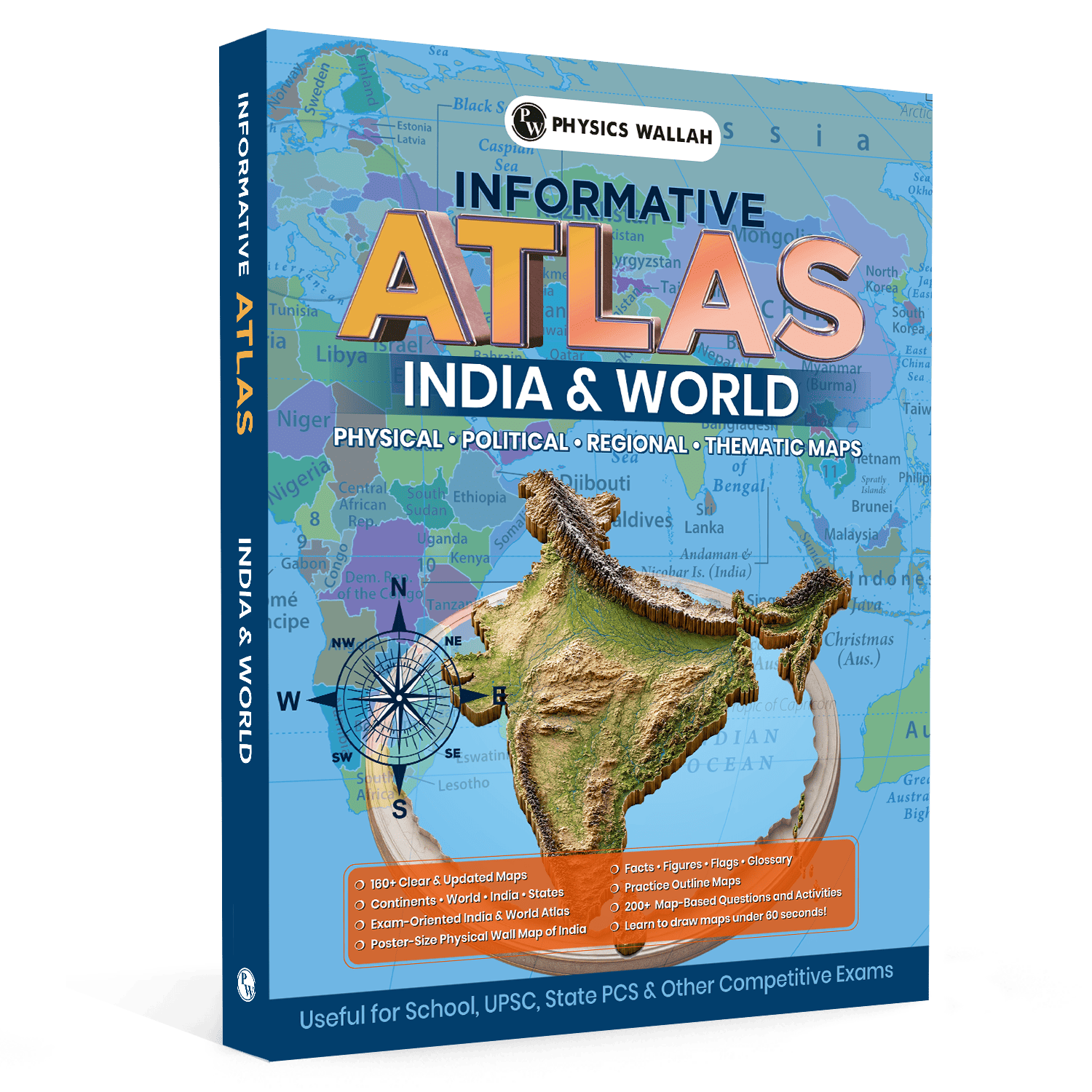
Also Check - UPSC Informative Atlas Book
How to Use UPSC PYQ Results to Plan Revision?
Collecting error data is useful only when you use it to improve your daily study plan. By tracking your mistakes and weak areas, you can turn your PYQ performance into a clear revision strategy. This helps you spend more time on topics that need improvement instead of revising everything equally.
-
Allocate study time based on accuracy metrics: Give around 60% of your weekly revision time to topics where your accuracy is below 60%. This helps you focus more on weak areas and improve them through regular practice.
-
Build custom sub-topic flashcards: Prepare short revision cards for facts, Articles, concepts, dates, formulas, or other points you frequently miss while solving UPSC GS PYQs. Review these flashcards regularly to improve quick recall.
-
Re-test weak themes weekly: Test your weak topics again after seven days using a fresh set of questions. Compare your new score with the earlier result to check whether your understanding and accuracy have improved.
-
Refine elimination logic: Carefully read the explanations given in the 32-year solved papers collection. Identify why the incorrect options were wrong and learn how to remove doubtful choices. Regular analysis of these examiner traps can help you improve your elimination and answer-selection strategy.
Read More: How to Study Current Affairs for UPSC Exam
UPSC PYQ FAQ
How many years of UPSC PYQ should an aspirant analyze?
Analyzing 30 to 32 years of past papers is ideal. This coverage provides exposure to over 3,000 general studies questions, capturing both historical trend shifts and recurring core themes across the syllabus.
How do UPSC topic-wise PYQs help in identifying UPSC weak topics?
Topic-wise questions group historical items by specific chapters and sub-themes. Solving questions in this format isolates weak areas instantly, preventing strong performance in one subject from masking gaps in another.
Should I prioritize UPSC prelims practice over reading standard textbooks?
Balance is essential. Standard textbooks build foundational knowledge, but practicing past papers reveals how that knowledge is tested. Use diagnostic results from past papers to direct which textbook chapters need rereading.
How can I distinguish between a conceptual gap and a silly mistake in UPSC GS PYQs?
A conceptual gap occurs when you do not recognize the core fact or theory behind a question. A silly mistake happens when you know the concept but select the wrong option due to misreading negative keywords like "not correct" or rushing through choices.
Where can I find authentic UPSC previous year questions with detailed explanations?
Compiled resources like the 32 Years UPSC GS PYQ book offer verified questions from 1995 to 2026, complete with topic-wise categorization and detailed solution analysis for structured preparation.