How to Identify Important UPSC Topics Using Previous Year Questions?

Analyzing the UPSC previous year papers is the best technique to simplify the broad syllabus of Civil Services. There are many aspirants who face the problem of information overload and spend countless hours reading voluminous reference books, without knowing which chapters genuinely fetch marks. Without a clear plan you could waste crucial review time on low yield themes. This problem is solved with the help of solving UPSC previous year papers as it helps us in understanding the choices of examiner, question pattern and the important topics. By meticulously analyzing prior trends, you may turn your study plan into a targeted, result-oriented practice that immediately improves your Prelims score.
Why You Should Analyze UPSC Previous Year Papers
Trends in previous examinations bridge the gap between traditional textbook reading and the real examination needs. UPSC Books cover a lot of history and concepts yet UPSC always asks the same things every year on the essential concepts.
That is why you should conduct a systematic paper analysis for your success:
-
Highlights High-Yield Themes: It pinpoints specific chapters and sub-topics that reliably yield questions in General Studies.
-
Clarifies Question Patterns: It demonstrates whether a topic requires static memorisation, conceptual understanding, or current affairs integration.
-
Prevents Information Overload: It establishes clear boundaries on what details to study and what low-priority facts to skip.
-
Improves Option Elimination: Reviewing detailed solutions helps candidates understand how incorrect distractors are framed by examiners.
How to Know Important Topics Using UPSC Previous Year Papers
It takes a systematic technique to distilll useful study lessons from previous exams. “Mock tests alone will not do, you need to analyze the papers to find the core patterns.
1. Gather a Long-Term Paper Dataset
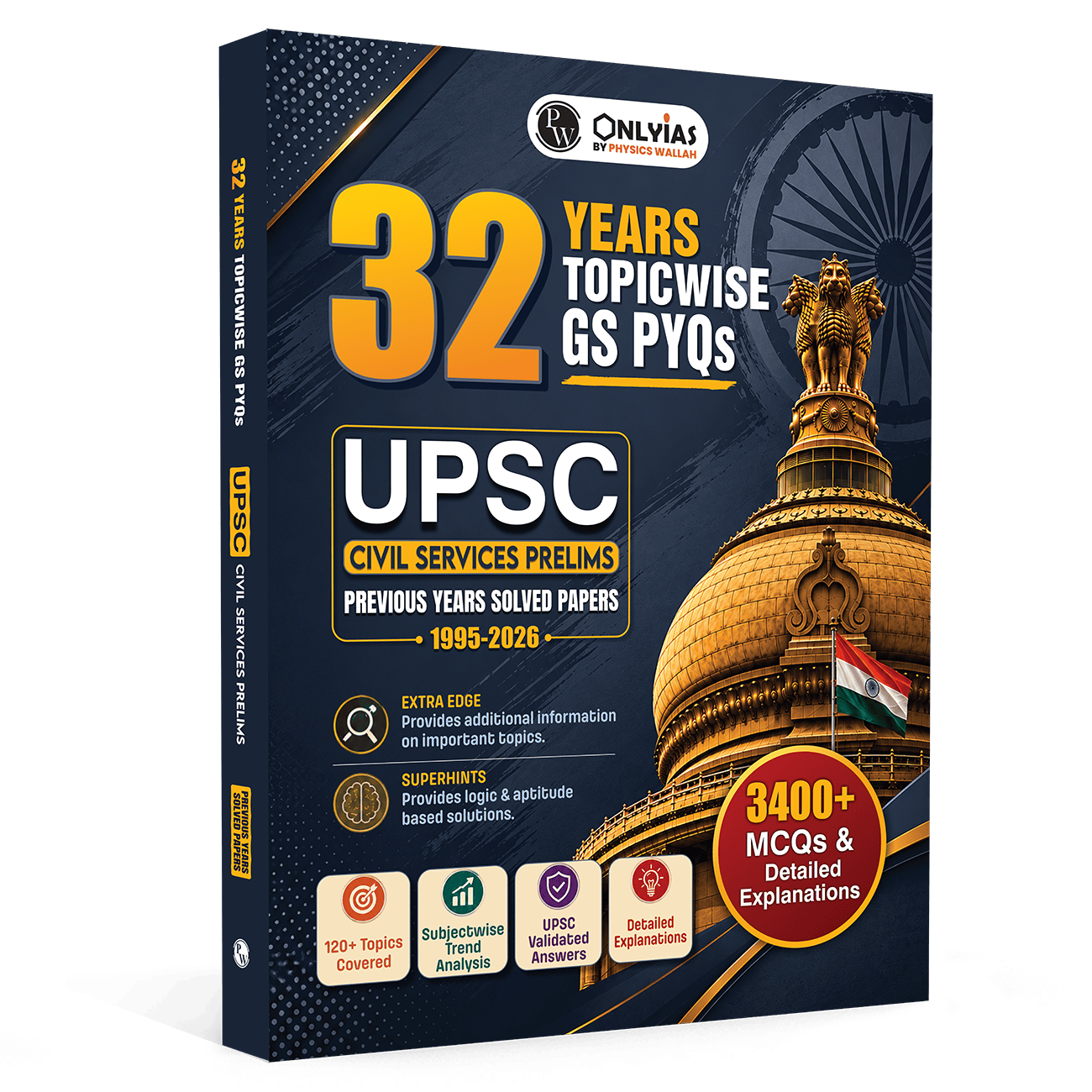
Exam patterns cannot be judged properly by looking at prior papers of only three to five years. There is a complete data set for 30-32 years (1995-2026) comprising 3400+ MCQs. This broader view gives you the long-term cycles of topics, the central types of questions and the key ideas that repeat themselves every ten years or so.
2. Categorize Questions into Micro-Topics
Avoid working through past papers chronologically year by year. Instead, group past questions by subject and micro-topic. Organizing topic-wise upsc questions across 120+ categories—such as Fundamental Rights, Biodiversity, or Monetary Policy—instantly shows which specific areas carry the highest weightage.
3. Perform a Systematic UPSC Trend Analysis
Track the frequency of questions coming from individual sub-topics across 5-year and 10-year windows. Conducting a structured UPSC trend analysis helps you distinguish stable, high-priority concepts from temporary, event-driven themes.
4. Map Past Questions Directly to the Syllabus
Connect every UPSC PYQ book back to standard syllabus headings. Linking GS previous year questions to standard reference textbooks helps you understand how static concepts interact with dynamic real-world developments in the actual exam.
High-Weightage Topics from UPSC Previous Year Papers
Evaluating past exam trends across major General Studies subjects reveals clear patterns in topic distribution. The table below outlines UPSC important topics and specific sub-topics rank in terms of exam frequency:
|
Subject |
High-Priority Topics (Consistently Asked) |
Medium-Priority Topics (Occasional Questions) |
Low-Priority Topics (Rarely Asked) |
|
Indian Polity |
Fundamental Rights, DPSP, Preamble, Judiciary, Parliament |
Federalism, Local Self-Government, Constitutional Bodies |
Pre-1909 Acts, Minor Commissions |
|
Indian Economy |
Monetary Policy, Banking, Inflation, Balance of Payments, Agriculture |
Public Finance, Capital Markets, Government Schemes |
Outdated Economic Data, Obsolete Theories |
|
Environment |
National Parks, Biodiversity Hotspots, Climate Agreements, Pollutants |
Environmental Acts, Renewable Energy Initiatives |
Obscure Animal Species without conservation status |
|
Modern History |
National Movement (1905–1947), Socio-Religious Reforms, Acts |
Early British Expansion, Peasant & Tribal Uprisings |
Minor Colonial Administrative Treaties |
|
Geography |
River Drainage Systems, Map Locations, Monsoon, Soil Types |
Mineral Distribution, World Climatic Regions |
Deep Geomorphology Theories |
How to Use UPSC Previous Year Papers in Daily Prelims Preparation
Once high-value topics are identified, adjust your daily study routine to make the best use of these insights. Using UPSC Question Banks alongside regular revision can help you practise important topics, identify recurring question patterns, strengthen weak areas, and make your preparation more focused and effective.
Read PYQs Before Studying Standard Books
Before opening a new chapter in standard reference books, spend ten minutes reviewing past questions from that topic. Knowing how past questions were framed helps you read chapters with an examiner's mindset, instantly highlighting key details.
Analyze Incorrect Options Thoroughly
Do not stop once you identify the correct answer choice. Examine the three incorrect options as well. Terms, schemes, and concepts featured in incorrect choices frequently become the basis for new questions in subsequent exam cycles.
Combine Static Knowledge with Dynamic Trends
UPSC frequently combines static conceptual questions with recent news developments. For instance, if a national park appears in the news, review past questions on surrounding rivers, local flora, and wildlife protection status to anticipate potential questions.
Rely on Structured Study Resources
Using dedicated resources streamlines your preparation. Covering both General Studies Paper 1 and CSAT Paper 2, this resource organizes over 3,400 MCQs across 120+ topics. It features detailed option-wise explanations, trend analysis breakdowns, visual aids, and special "Superhints" designed to improve accuracy during UPSC prelims preparation.
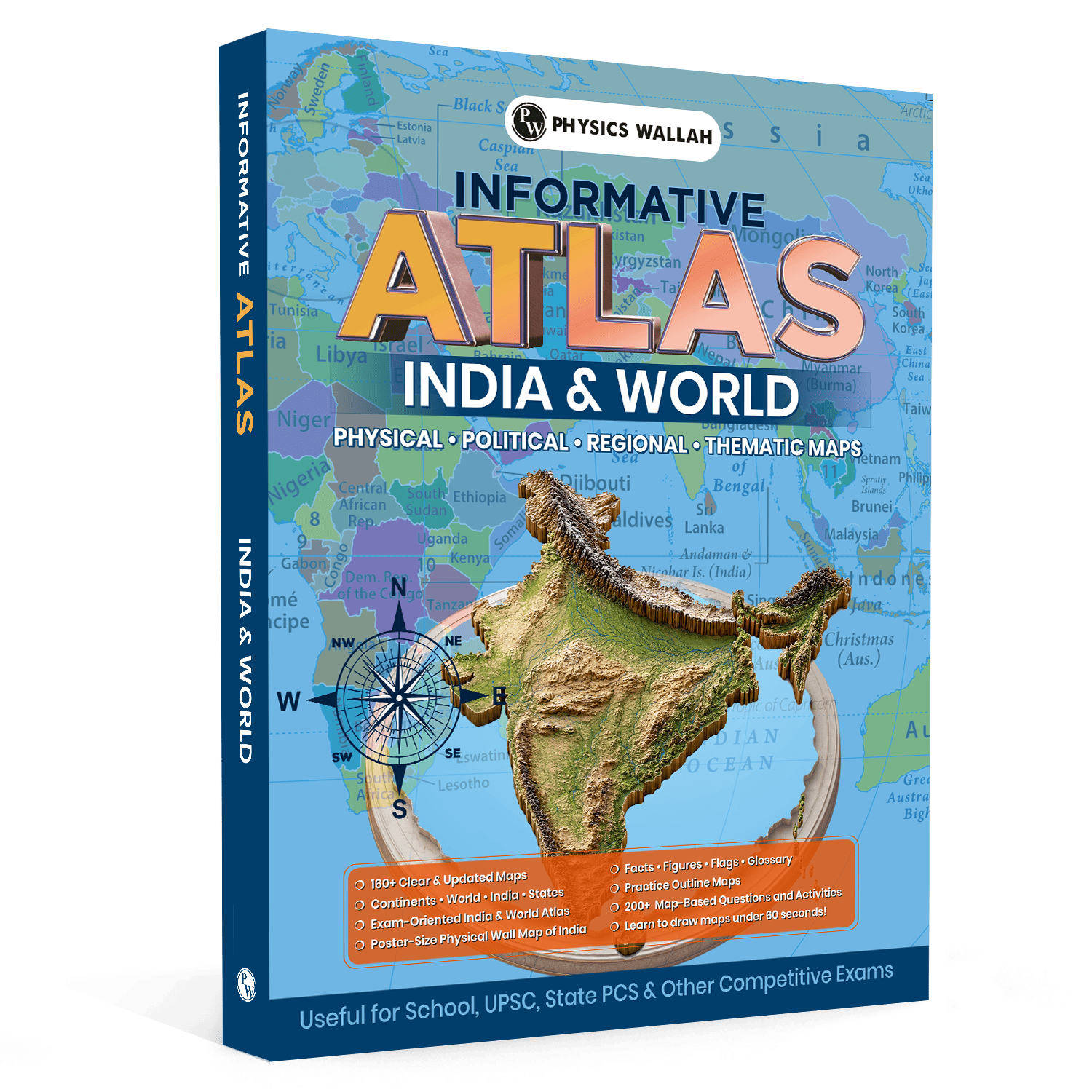
Also Check - PW UPSC Informative Atlas Book
Common Mistakes to Avoid While Using UPSC Previous Year Papers
-
Practising Unorganized Papers: Attempting mixed past papers without topic segregation makes it difficult to recognize subject-wise weightage and recurring themes.
-
Neglecting CSAT Paper 2: Focusing exclusively on General Studies Paper 1 while ignoring CSAT trends can lead to unexpected qualification hurdles.
-
Relying on Short Timeframes: Analyzing only three or four recent years offers a limited view and misses major cyclical exam patterns.
-
Memorising Answers Instead of Concepts: Memorising correct choices without understanding the underlying concepts is ineffective because questions evolve each year.
-
Ignoring Option Explanations: Skipping detailed solution explanations prevents you from developing elimination techniques and logical reasoning skills.
Read More: Daily Study Plan for UPSC Preparation
UPSC PYQs FAQs
How many years of upsc previous year papers should I solve for Prelims?
Aspirants should analyze at least 25 to 32 years of past papers. Reviewing a long-term dataset of 3,400+ MCQs provides a clear understanding of recurring core concepts and evolving question styles across General Studies and CSAT.
How do UPSC PYQs help in identifying important syllabus topics?
PYQs analysis by topic shows subsubjects that are asked consistently year after year. This helps candidates focus on high-yield areas when studying textbooks and spend less time on low priority topics.
Are GS previous year questions enough to clear the UPSC Prelims exam?
Previous year questions are very important for understanding the pattern and also for elimination of options but along with it there should be textbook reading, current affairs reading and regular practice tests for thorough preparation.
Why is trend analysis important for candidate preparation?
A trend analysis exposes changes in question patterns over time, subject weightage variations and how dynamic current events link to static syllabus themes, allowing for a highly targeted study plan.
What is the correct way to utilize topic-wise upsc questions?
Attempt past questions topic by topic alongside your syllabus reading. Study the detailed option explanations for both correct and incorrect choices to learn core concepts and elimination strategies.