How to Use a UPSC Prelims Question Bank Along With Current Affairs

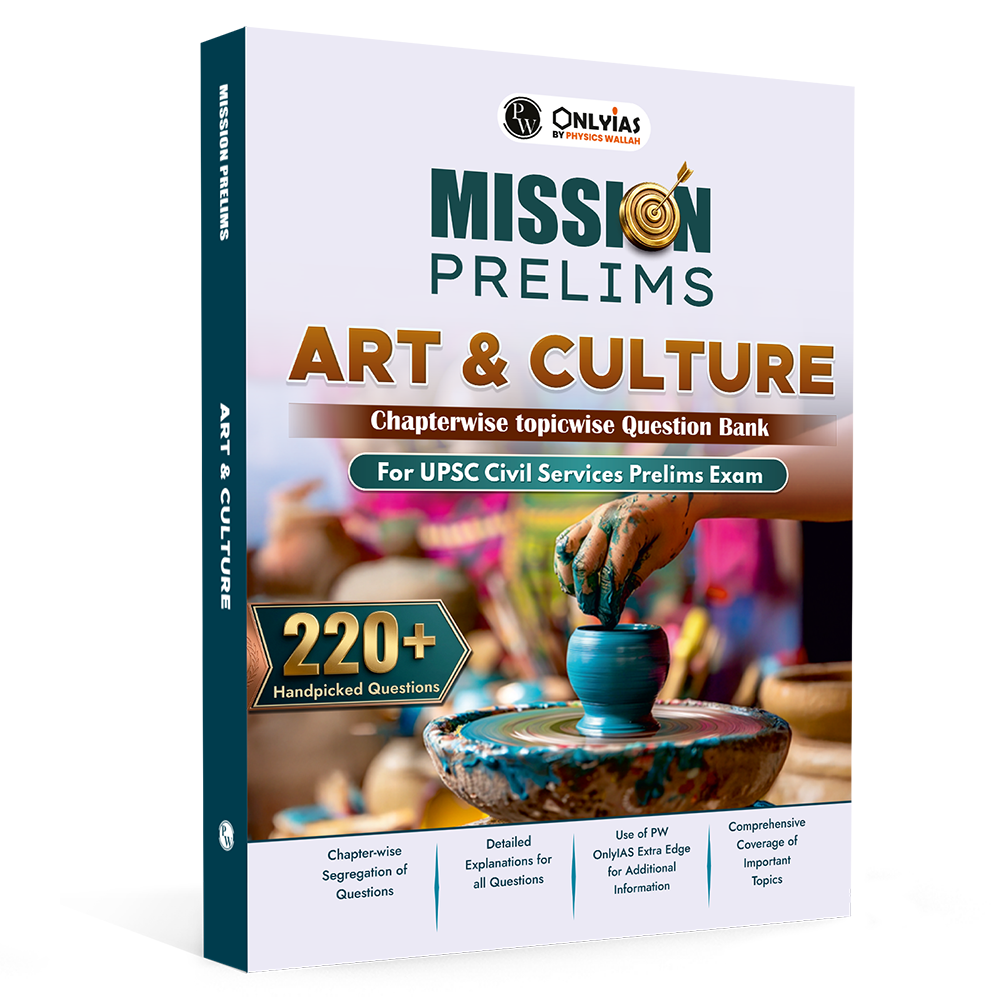
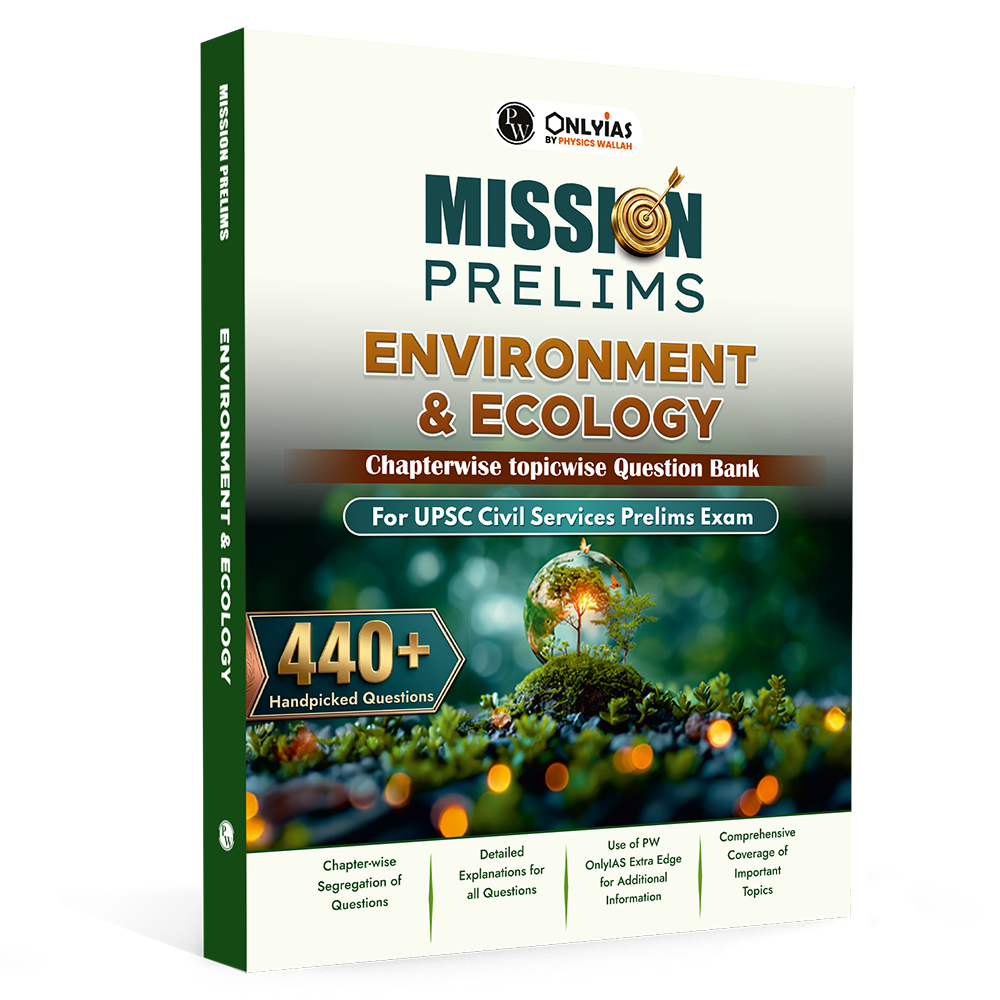
Civil Services Examination Preparation demands a defined approach to relate static syllabus concepts with dynamic occurrences. The right way to fill this void is to use a UPSC prelims question bank as a part of your everyday routine. The analytical attitude required for the actual exam will be developed through methodical preparation and daily updates. This article is on practical ways to mix static sets with updates, arrange subject-wise changes, minimize frequent tracking problems, and achieve high accuracy on the test day.
Why Use a UPSC Prelims Question Bank With Current Affairs?
The pattern of the Civil Services Examination has shifted heavily toward application-oriented queries. Static concepts rarely appear in isolation. They are usually framed around recent national or international developments.
-
Contextual Learning: Relating news updates to the key concepts helps you retain the material for a longer time and grasp its practical applications.
-
Pattern Alignment: Recent trends in the examinations suggest that questions on Polity, Economy and Environment are straightaway taken from current events.
-
Better Accuracy: Consistent UPSC practice questions make you realize the interlinkage of static facts and the current affairs helps you rule out wrong answers.
-
Active Recall: Testing yourself with dynamic modules stops passive reading and improves your speed at solving problems under exam settings.
How to Use a UPSC Prelims Question Bank With Daily News Updates
A organized framework is needed to combine daily reading with a prelims question bank. Don’t do random practice papers and stick to a planned sequence.
-
Topic-Based Tagging: When reading daily news, identify the underlying static subject (e.g., a Supreme Court ruling relates to Constitutional Articles).
-
Immediate Topic Testing: Solve relevant items from your question bank right after finishing a current affairs topic to reinforce the theory.
-
Cross-Referencing Explanations: Read the detailed solution keys in your practice module. High-quality sources explain both the static background and the dynamic context.
-
Reverse Mapping: When you hit a tricky question in your practice sets, trace it back to recent events to understand why that topic was framed.
How to Combine a UPSC Prelims Question Bank With Current Events
Build your daily calendar around a defined procedure to be consistently productive. A systematic schedule guarantees that you study the entire syllabus and keep your UPSC current affairs preparation on track.
Step 1: Divide the Static Syllabus into Sub-Topics
Break subjects like Economy, Polity, Environment, and Science & Technology into micro-topics. This makes it easier to match daily news items with specific book chapters.
Step 2: Track Monthly Events Chronologically
Maintain a subject-wise index of dynamic updates. For instance, log all international treaties or environmental summits under their respective subject headings.
Step 3: Solve Daily Topic-Wise Question Sets
Dedicate at least 45 to 60 minutes daily to working through focused items in your question bank. Aim for a mix of basic and advanced difficulty levels.
Step 4: Analyze Mistakes and Maintain an Error Log
Categorize every wrong answer. Note whether the error was due to a lack of static clarity, missed current updates, or a simple reading slip.
How to Use a UPSC Prelims Question Bank for Subject-Wise Preparation
Different subjects require tailored approaches when combining static material with dynamic developments. Here is how to handle core areas using UPSC Books during your Prelims preparation.
|
Subject |
Static Core Focus |
Dynamic Current Affairs Linkage |
Practice Approach |
|
Polity & Governance |
Constitutional Articles, Amendments, Basic Structure |
Bills, Supreme Court Verdicts, Commissions |
Solve constitutional questions alongside recent legal developments. |
|
Economy |
Banking, Inflation, Fiscal Policy, Balance of Payments |
Budget, Economic Survey, RBI Notifications |
Link theoretical concepts with recent financial policies and trends. |
|
Environment & Ecology |
Ecosystems, Biodiversity, Acts & Laws |
Conservation Projects, COP Summits, Species Lists |
Combine protected area maps with recent wildlife status updates. |
|
Science & Technology |
Basic Physics, Chemistry, Biology concepts |
AI, Biotechnology, Space Missions, Defence Tech |
Match scientific principles with new technological innovations. |
|
Geography & Maps |
Physical Features, Climate Systems, Minerals |
Conflict Zones, New Infrastructure, Geographical Indications |
Practice location-based questions based on areas frequently in news. |
What to Look for in a UPSC Prelims Question Bank for Current Affairs
Choosing the right practice material directly impacts your score stability. A dependable UPSC question bank books should offer distinct structural advantages:
-
Chapterwise and Topicwise Segmentation: Allows you to isolate weak areas and test specific micro-topics immediately.
-
Detailed Explanations: Explains why an option is correct and why the remaining choices are incorrect.
-
Coverage of Core Subjects: Includes balanced coverage across History, Geography, Polity, Economy, Science & Tech, and CSAT.
-
Handpicked Difficulty Levels: Features basic conceptual queries along with complex multi-statement statements matching real exam rigor.
-
High Volume of Practice Sets: Offers thousands of targeted problems (such as 5000+ handpicked items in comprehensive sets) to ensure broad exposure.
What Mistakes to Avoid When Using a UPSC Prelims Question Bank
Even dedicated candidates make strategic errors when balancing practice sets with news updates. Recognizing these pitfalls keeps your UPSC prelims preparation streamlined and productive.
-
PW UPSC Quarterly Current Affairs Books : Studying news in isolation without linking it back to core textbooks limits your analytical depth.
-
Ignoring Solution Explanations: Skipping the detailed answer keys deprives you of valuable context and related static facts.
-
Over-collecting Materials: Buying multiple question modules leads to selective reading rather than thorough revision.
-
Delaying Practice Until the Final Months: Postponing question solving until right before the exam causes unnecessary stress and limits retention.
-
Neglecting CSAT Modules: Focusing exclusively on General Studies while skipping quantitative and analytical question modules can compromise your overall cutoff qualification.
How to Revise With a UPSC Prelims Question Bank Before the Exam
The final phase of your revision should shift from learning fresh concepts to rapid application and error reduction.
-
Run Timed Practice Sessions: Solve 50 to 100 mixed problems within strict time limits to build stamina and pacing.
-
Focus on High-Yield Dynamic Topics: Prioritize Environment, Economy, and Science & Tech modules, as these subjects feature the highest density of current updates.
-
Revisit the Error Log: Focus on questions you marked incorrectly during initial passes to ensure you do not repeat those mistakes.
-
Simulate Full-Length Papers: Integrate static and dynamic sections in full-length mock tests to practice decision-making under exam pressure.
Read More: UPSC Exam Preparation with Question Bank
UPSC Prelims Question Bank FAQs
1. How many questions should I solve daily from a prelims question bank?
Aim to solve 30 to 50 topic-specific items daily during initial phases. Increase this volume to 80–100 mixed questions as the exam approaches to build speed and confidence.
2. Can I rely only on current affairs magazines without solving practice sets?
Reading magazines provides raw information, but solving a prelims question bank trains your mind to apply that knowledge, eliminate tricky distractors, and avoid common traps.
3. How do I link daily news with my UPSC prelims preparation?
Identify the core subject of every major news item. Once read, open your question module on that topic and solve related practice sets to solidify both static and dynamic aspects.
4. Why are detailed explanations important in UPSC practice questions?
Detailed explanations provide background context, clarify surrounding facts, and explain option elimination logic, which helps you solve similar variations in the actual paper.
5. When should I start using a UPSC question bank alongside current updates?
Start from day one of your preparation. Parallel practice ensures that conceptual learning and dynamic updates reinforce each other continuously throughout your study cycle.