Why Using a Single Publisher for UPSC Books Creates Syllabus Coherence
Preparing for the Civil Services Examination can feel overwhelming because the syllabus is vast and students often use multiple study resources. This can sometimes make preparation unorganized and difficult to manage.
Using a well-structured set of UPSC books from a single publisher can help create consistency across subjects and exam stages. It allows aspirants to follow a more organized study approach and revise concepts more effectively.
In this article, we will explore how a structured set of UPSC study materials can improve preparation, reduce confusion, and streamline the learning process.
Importance of UPSC Books
UPSC preparation requires a structured approach supported by reliable study resources. Since the syllabus covers a wide range of subjects, aspirants need study material that builds concepts gradually and helps them revise effectively.
For most beginners, preparation starts with foundational resources such as NCERT textbooks. These books help develop conceptual clarity in subjects like History, Geography, Polity, Economy, and Science. Once the basics are clear, aspirants can move to advanced reference materials that provide deeper coverage of syllabus topics.
A well-planned collection of UPSC books helps candidates:
-
Build strong conceptual foundations.
-
Cover the syllabus systematically.
-
Improve revision efficiency.
-
Strengthen answer-writing skills.
-
Prepare effectively for both Prelims and Mains.
Rather than collecting multiple resources for the same topic, aspirants should focus on a limited set of quality books and revise them repeatedly. This approach improves retention and reduces confusion during preparation.
What Is Syllabus Coherence in UPSC Books?
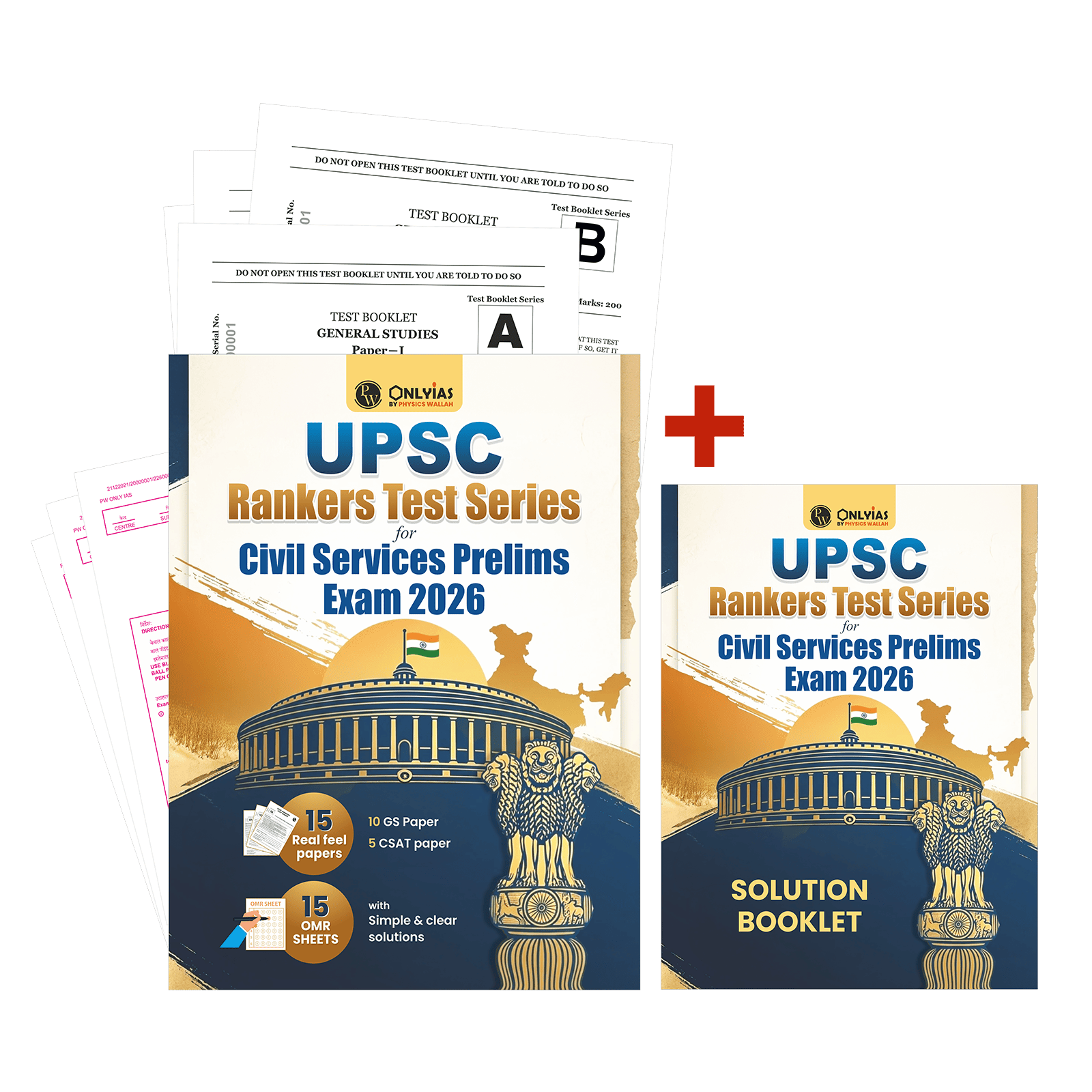
Syllabus coherence refers to the logical connection between topics, subjects, and stages of UPSC preparation. When study material follows a consistent structure, concepts learned during one stage of preparation naturally support learning in later stages. Along with UPSC Previous Year Papers, aspirants can better understand exam patterns, question trends, and the level of analytical depth required in both Prelims and Mains.
For example, concepts studied during Prelims preparation should also help candidates develop analytical understanding for Mains answer writing. A coherent set of UPSC books presents information in a structured manner, making it easier to connect subjects such as History, Polity, Geography, Environment, and Current Affairs.
This consistency helps aspirants spend less time adjusting to different writing styles, formats, and explanations and more time understanding concepts.
Why Does Syllabus Coherence Matter in UPSC Books?
The UPSC examination tests not only factual knowledge but also the ability to connect ideas across multiple subjects. A coherent study framework offers several advantages:
Prevents Unnecessary Repetition
When resources are well-organized, topics are covered systematically without excessive duplication. This allows aspirants to spend more time learning new concepts and revising important areas.
Improves Conceptual Understanding
Consistent explanations, terminology, and presentation styles make it easier to understand complex topics and remember them for longer periods.
Supports Multi-Stage Preparation
The knowledge gained during Prelims preparation often forms the foundation for Mains answers and interview discussions. A coherent set of books helps create smooth transitions between these stages.
Simplifies Current Affairs Integration
When static subjects are organized clearly, it becomes easier to connect current events with syllabus topics and develop a broader understanding of issues.
Benefits of Using a Single Publisher for UPSC Books
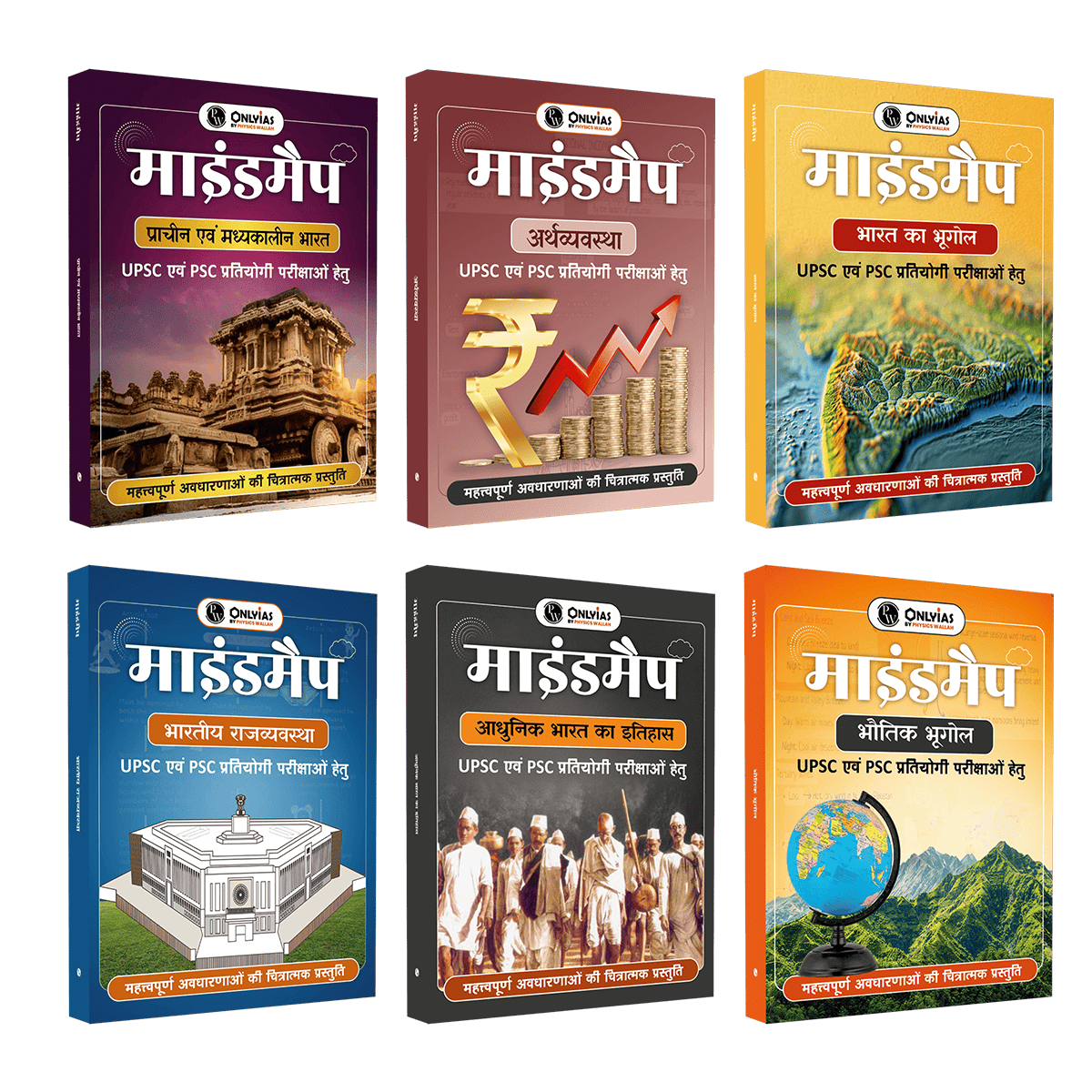
Using study resources from a single publisher can help create consistency in learning and revision. The UPSC Mindmaps Combo Set of 6 Books further enhances this approach by presenting concepts in a visual and structured format, making it easier for aspirants to revise quickly, retain information longer, and build stronger connections between topics.
Reduces Content Overlap
Books developed within a common framework are often designed to complement one another. This can reduce repetitive explanations and improve study efficiency.
Supports Integrated Preparation
A consistent learning structure helps aspirants connect concepts across subjects and examination stages more effectively.
Maintains Consistent Presentation
Uniform formatting, diagrams, flowcharts, and explanations make learning smoother and improve information recall during revision.
Improves Revision Efficiency
When study resources follow a similar structure, candidates can revise faster and locate important information more easily. This becomes particularly valuable during the final months before the examination.
Helps Build a Structured Study Plan
A consistent set of resources makes it easier to plan preparation, track progress, and avoid unnecessary distractions caused by switching between multiple sources.
Tips for Using UPSC Books Effectively
Simply collecting study material is not enough. The real benefit comes from using your UPSC books in a structured and consistent manner.
Follow a Limited Resource Strategy
Avoid using multiple books for the same topic. Stick to one reliable source for each subject and revise it multiple times.
Make Short Revision Notes
While reading, prepare concise notes, mind maps, or summaries. These will help you revise important concepts quickly before the exam.
Connect Current Affairs with Static Subjects
Try to relate newspaper articles and current events to topics from Polity, History, Geography, Economy, and Environment. This improves analytical understanding.
Revise Regularly
Regular revision is essential for long-term retention. Schedule weekly and monthly revision sessions to strengthen your understanding of important topics.
Practice Previous Year Questions
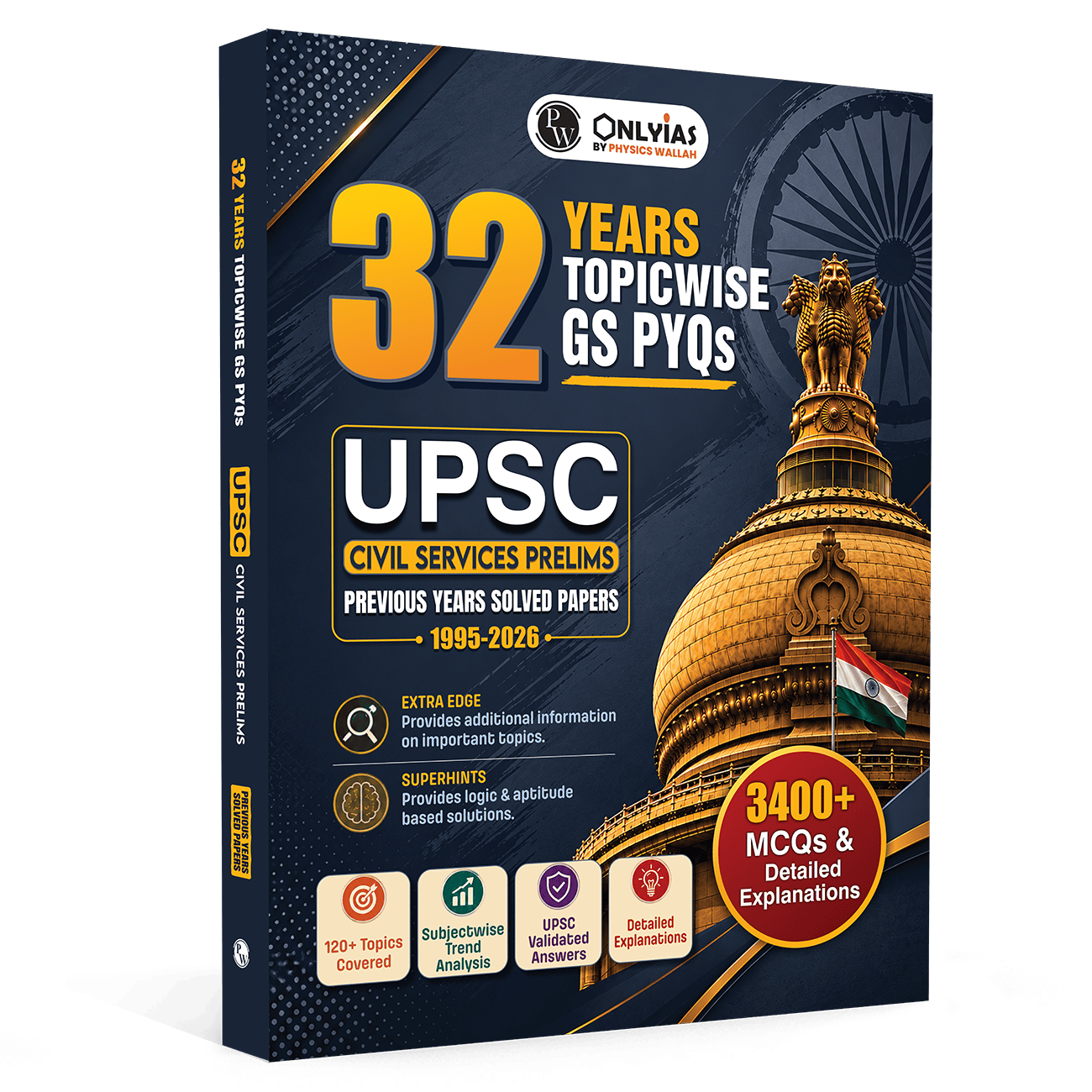
Solve previous year questions after completing major topics. This helps you understand the exam pattern and identify important areas of the syllabus. Along with the 32 Years UPSC GS PYQ, aspirants can strengthen concept clarity, track repeated question trends, and improve answer accuracy for better exam performance.
Focus on Understanding Rather Than Memorising
Instead of memorising facts blindly, focus on understanding concepts and their applications. This approach is especially useful for Mains answer writing and interview preparation.
Read More: Which NCERT Books are Required for UPSC Exam Preparation?
UPSC Books FAQs
Why should I use UPSC books from a single publisher?
Using UPSC books from a single publisher can create consistency across subjects, formats, and explanations. This makes it easier to connect concepts, revise efficiently, and maintain a structured study plan throughout preparation.
Can a single publisher provide resources for both Prelims and Mains preparation?
Many publishers offer study material that covers both Prelims and Mains topics. Using resources that follow a similar structure can help aspirants transition smoothly between objective and descriptive preparation.
Does syllabus coherence improve revision?
Yes. When books follow a consistent approach, aspirants spend less time adapting to different writing styles and formats. This allows them to focus more on revision, concept building, and answer writing.
Should I rely only on one set of UPSC books?
Core books can cover a significant portion of the static syllabus, but aspirants should also stay updated with current affairs, government reports, and other relevant resources required for comprehensive preparation.
How do coherent UPSC books help in answer writing?
When concepts are presented in a connected and structured manner, candidates can better relate topics across subjects. This helps improve analytical thinking and supports the development of well-structured Mains answers.
Can consistent study material help reduce confusion during preparation?
Yes. A structured set of books reduces duplication, minimizes resource overload, and helps aspirants follow a clear learning path throughout their preparation journey.
Are UPSC books enough for current affairs preparation?
UPSC books are useful for building static knowledge, but current affairs preparation should be supplemented with newspapers, magazines, and other reliable sources to stay updated with recent developments.
How often should I revise my UPSC books?
Most successful aspirants revise the same core resources multiple times. Regular revision improves retention, strengthens conceptual understanding, and helps recall information more effectively during the examination.