Using Visual Mind maps to Simplify Static GS for UPSC Prelims
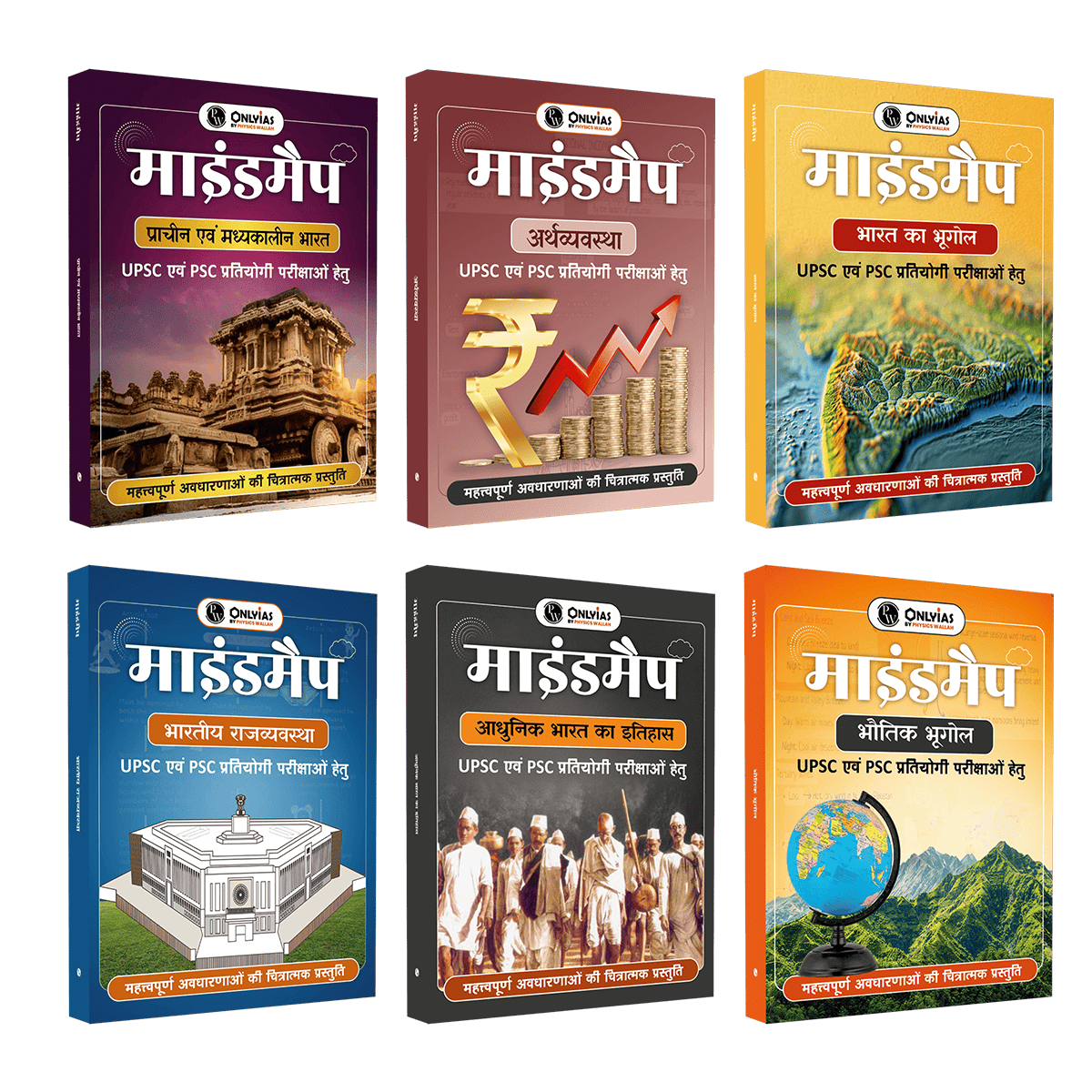
Preparing for the civil services exam means dealing with a huge syllabus, and hence there is an overload of information. Regular revision is a huge challenge as aspirants find it difficult to retain core facts across various subjects. This problem can be solved by UPSC mindmaps Hindi medium. Long books can be converted into easily understandable visuals, which improves memory retention.
Importance of UPSC Mindmaps Hindi for GS Revision
The UPSC Preliminary Examination demands a solid grasp of core subjects like History, Geography, Polity, and Economics. This traditional part of the syllabus requires deep conceptual clarity and the ability to recall specific facts under exam pressure.
Many students spend hours studying bulky reference books only to forget the core details a few weeks later. Linear notes tend to be too long, and there’s little chance of editing them in a hurry before the exam. This is where static GS revision needs to make a structural shift from passive reading to active recall.
Human brains process visual elements significantly faster than plain text. Traditional note-taking methods rely heavily on long paragraphs, which can tire the mind and reduce focus during long study sessions.
Visual learning techniques allow students to see the whole picture and still keep track of the small details. Aspirants can form stronger mental pathways by associating different topics with shapes, arrows, and hierarchies, which makes it much easier to memorize complex data during the actual exam.
-
Better Engagement: Diagrams and charts break the monotony of standard textbooks.
-
Higher Retention: Information tied to visual structures stays in memory much longer.
-
Quick Retrieval: Looking at a single chart can bring back an entire chapter's context within seconds.
Prepare confidently with UPSC Books that offer comprehensive syllabus coverage, conceptual explanations, chapter-wise practice, and exam-oriented content across all General Studies subjects.
These resources help build a strong academic foundation, improve analytical thinking, and support systematic preparation for both the UPSC Prelims and Mains.
How do UPSC Mindmaps Hindi Simplify General Studies?
Organising vast amounts of information requires a system that reflects how our minds naturally connect and retain concepts. Instead of relying on lengthy notes, students can use concept mapping to break complex General Studies topics into smaller, interconnected sections.
For example, while studying the Indian Parliament, a student can place the main topic at the centre and create branches for subtopics such as composition, powers, legislative procedures, parliamentary committees, and constitutional provisions. This approach keeps all the important information on a single page, making revision faster and more effective.
To enhance this strategy, students can also use UPSC Revision Books, which provide concise summaries, key facts, important concepts, and exam-oriented revision material. Combining mind maps with structured revision books helps improve retention, strengthen conceptual clarity, and make last-minute revision more efficient for both the UPSC Prelims and Mains examinations.
Comparing Traditional Notes and Mindmaps
|
Feature |
Traditional Linear Notes |
Visual Mindmaps |
|
Structure |
Paragraphs and long sentences |
Central themes with branches |
|
Revision Time |
High (requires reading full pages) |
Low (requires scanning keywords) |
|
Memory Impact |
Relies on rote learning |
Relies on spatial association |
|
Topic Connections |
Difficult to link separate pages |
Easy to link interconnected ideas |
How to Use UPSC Mindmaps Hindi in Your GS Study Routine?
Adopting UPSC mind maps requires a systematic approach to ensure they complement standard textbooks. These visual tools are not replacements for deep reading but serve as excellent aids to solidify what has already been studied.
Aspirants should first read a chapter thoroughly to understand the underlying principles. Once the core concepts are clear, they can use visual charts to summarise the key points, dates, and provisions.
-
Primary Reading: Complete a chapter from standard reference material.
-
Core Extraction: Identify vital keywords, articles, or historical events.
-
Visual Mapping: Relocate these points into a structured diagram.
-
Periodic Review: Scan the chart weekly to maintain high memory recall.
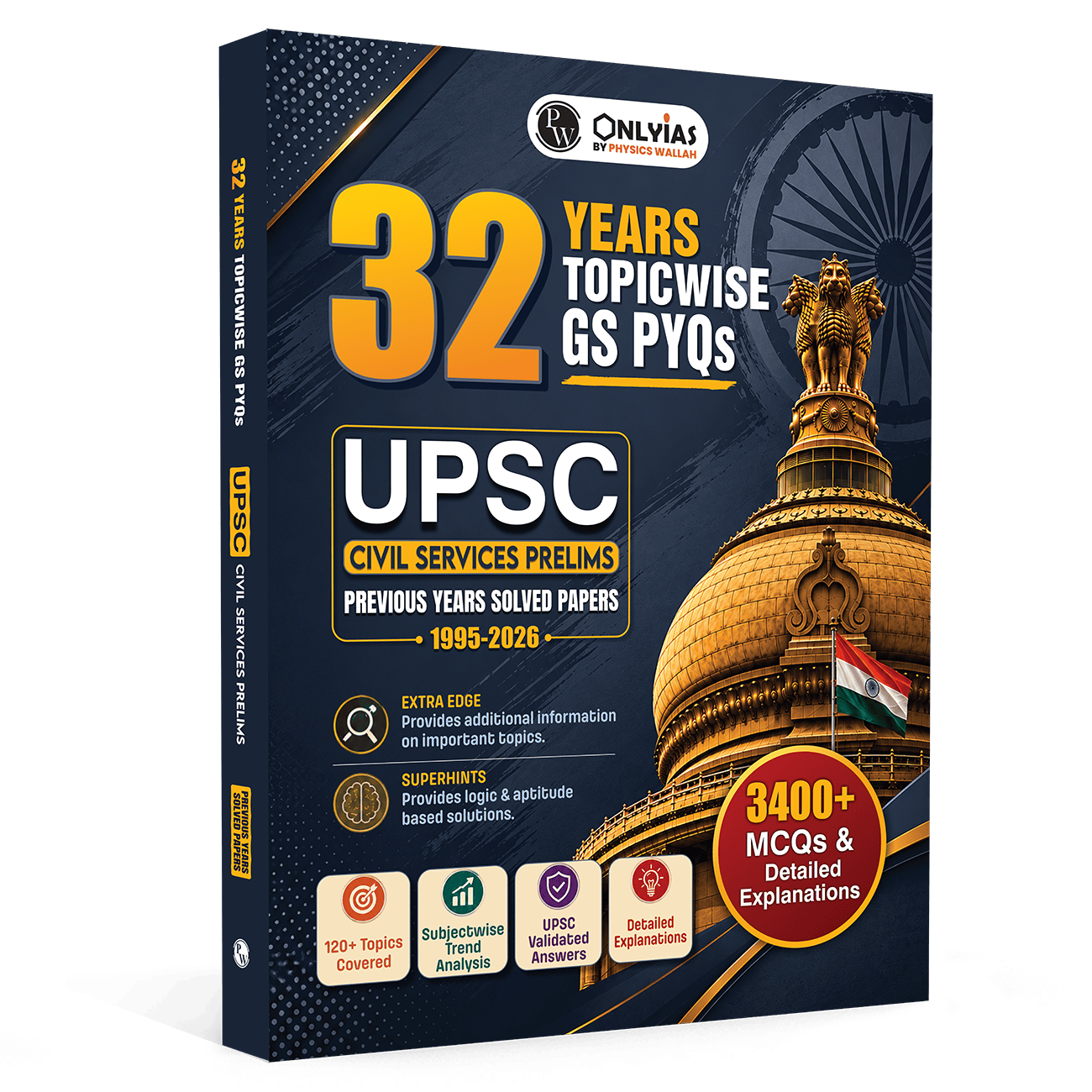
Master the UPSC exam pattern with an UPSC PYQ Book featuring authentic previous year questions, detailed solutions, and topic-wise analysis from past examinations.
Regular PYQ practice helps identify recurring themes, strengthen conceptual understanding, improve accuracy, and develop an exam-oriented approach for both UPSC Prelims and Mains.
How do UPSC Mindmaps Hindi Improve GS Revision During Prelims?
The final months before the exam are entirely about consolidating knowledge. Attempting a prelims revision session with massive textbooks can create unnecessary anxiety and waste precious hours.
Candidates can revise several subjects in one day by using short visual summaries. This fast revision helps to keep the level of confidence high and the basic facts fresh in mind when you enter the examination hall.
-
Focus on high-yield topics like constitutional amendments, national parks, and historical timelines.
-
Keep the visual summaries highly organised so that no time is lost searching for specific topics.
-
Use these charts immediately after solving mock tests to correct mistakes and reinforce weak areas.
To make your preparation even more effective, complement your revision with UPSC Modules, which provide structured subject-wise theory, concept-building content, practice questions, and revision material aligned with the latest UPSC syllabus. Using modules alongside mind maps ensures comprehensive coverage, stronger conceptual understanding, and more efficient Prelims revision.
How to Choose the Best UPSC Mindmaps Hindi for GS?
For students writing the exam in Hindi, finding quality materials that simplify the syllabus can be tough. High-quality UPSC mindmaps Hindi resources bridge this gap by translating complex technical terms into accurate, easy-to-understand language.
Using well-structured visual aids designed specifically for Hindi medium students ensures that translation errors do not compromise preparation. These tools help candidates save time on note-making, allowing them to dedicate more energy to practicing mock questions and refining exam strategies.
-
Syllabus Alignment: The content must map perfectly to current exam trends.
-
Clarity: Diagrams should be clean, legible, and uncluttered.
-
Accuracy: Facts, dates, and constitutional articles must be completely precise.
Also Check, PW Informative Atlas Book - India & World
Tips for Using UPSC Mindmaps Hindi for General Studies
Consistency is the ultimate key to clearing the civil services exam. Integrating visual tools into daily general studies preparation helps maintain momentum and prevents study fatigue.
Instead of feeling overwhelmed by the sheer volume of topics, students can tackle one visual chart at a time. This methodical approach breaks down the massive syllabus into achievable daily targets, making the entire preparation journey far more manageable.
-
Spend around fifteen minutes every morning reviewing a map from the previous day's topic.
-
Use different branches to separate static facts from related current affairs.
-
Keep these charts easily accessible on your study desk for quick reference during mock tests.
Read More: UPSC Previous Year Question Papers PDF
UPSC Mindmaps Hindi FAQs
How do UPSC mindmaps Hindi resources help in saving study time?
These resources condense long book chapters into single-page visual diagrams. Instead of spending hours rereading paragraphs, students can scan key phrases and branches, which cuts down total revision time significantly.
Can I rely solely on static GS revision charts for my preparation?
Visual charts are designed to assist revision and boost recall. They work best when used alongside standard reference books to summarise and review topics that have already been fully understood.
Why is visual learning better than reading standard textbooks before the exam?
Visual formats leverage spatial memory and associations, making it easier for the brain to store and retrieve data under stress. This helps candidates recall facts much faster during the examination than trying to remember blocks of text.
How does concept mapping improve scores in the prelims exam?
This method helps students see direct connections between different topics, which is crucial for tackling elimination-based questions. It ensures that critical facts, exceptions, and data points are not missed during revision.
Are these UPSC mind maps useful for beginners?
Yes, beginners can use them to grasp the layout of a syllabus or subject before diving into heavy text. It provides a clear roadmap of the topics, making subsequent detailed reading much easier to process.