When to Start Solving the UPSC GS PYQ in Your Preparation Cycle

Solving the UPSC GS PYQ is a foundational step for anyone serious about clearing the Civil Services Examination. While most aspirants know that UPSC previous years questions are important, many struggle with timing. Starting too early can cause frustration when conceptual clarity is lacking, while delaying until the final months leads to panic.
Finding the perfect window to introduce past papers into your study routine changes how you retain information. This article outlines the exact phases of your preparation cycle when you should start solving past questions to build confidence, improve retention, and align your mindset with the demands of the actual examination.
What Is UPSC GS PYQ?
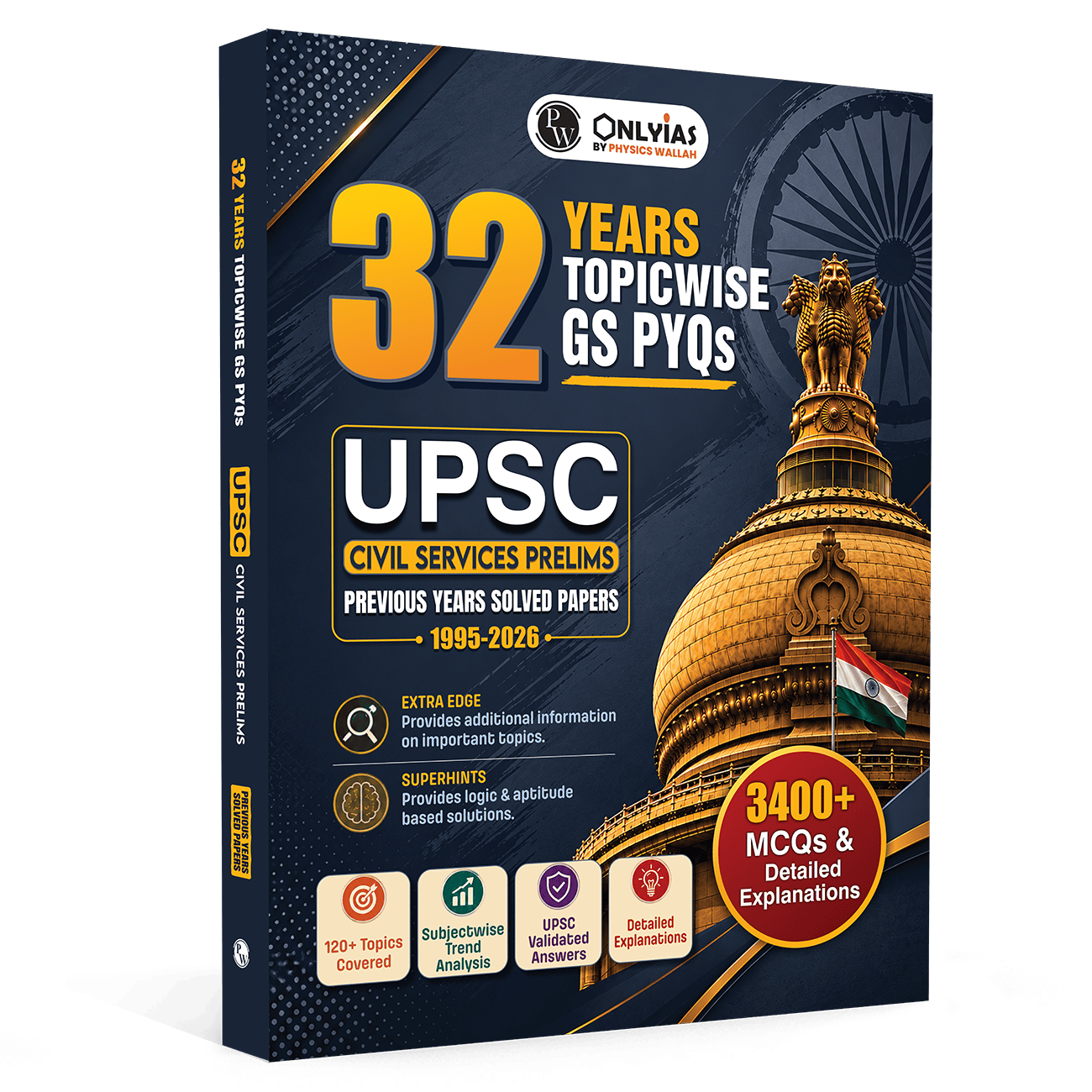
The UPSC GS PYQ refers to the collection of previous years' questions from the General Studies papers of the Civil Services Examination. These questions cover core disciplines such as History, Geography, Polity, Economy, Environment, and Current Affairs, along with General Mental Ability and Quantitative Aptitude.
In the context of the Preliminary exam, these past papers serve as an authentic record of the topics chosen by the Union Public Service Commission over three decades.
A high-quality UPSC GS paper 1 PYQ resource offers systematic segregation of these questions. Instead of presenting papers simply by year, a structured compilation arranges questions topic-wise.
This allows you to evaluate specific segments, like Indian Polity or Modern History, right after studying the theoretical concepts. Rather than acting as a simple question bank, it functions as an educational diagnostic tool that reveals the depth, context, and analytical reasoning required to solve actual exam questions successfully.
Why UPSC GS PYQ Should Be Part of Every Preparation Plan?
Integrating the UPSC GS PYQ into your routine is essential because it removes guesswork from your study plan. The Civil Services syllabus is notoriously vast, often making aspirants feel overwhelmed by the volume of reading material.
Reviewing previous papers helps narrow your focus to high-weightage topics and recurring themes, ensuring your daily efforts match actual examination trends.
Using a comprehensive UPSC prelims PYQ book helps you decode the language and subtle framing of options used in the exam. It trains your mind to spot traps, isolate relevant facts, and apply logical elimination techniques.
Without this regular practice, your preparation remains entirely theoretical, leaving you unprepared for the tricky, application-based questions that define the modern Preliminary examination.
Benefits of Starting UPSC GS PYQ Early
Starting UPSC GS PYQ practice early helps aspirants understand the exam pattern, identify important topics, and develop a focused preparation strategy. Solving previous year questions regularly improves analytical thinking, answer-writing skills, and helps candidates align their studies with actual UPSC requirements.
-
Identifies High-Weightage Themes: Practising past questions early reveals which chapters within a subject attract the most questions, allowing you to allocate your study hours to high-yield areas.
-
Develops Exam-Oriented Thinking: Instead of just memorising facts blindly, an early introduction to the UPSC GS PYQ trains you to look at textbooks from an examiner's perspective.
-
Builds Familiarity with Option Framing: Starting early gives you ample time to understand how incorrect options are structured, making it easier to spot subtle qualifiers like "all", "only", or "none".
-
Boosts Conceptual Clarity: Attempting questions right after your initial reading clarifies gaps in your understanding, highlighting exactly which paragraphs or details you overlooked.
-
Improves Time Management: Regular exposure to realistic questions early in your cycle reduces exam anxiety and gradually builds your reading and processing speed.
How to Use UPSC GS PYQ?
To get the most out of your UPSC PYQ book, avoid treating it like a standard mock test where you simply check your final score and move on. The correct approach involves a detailed, line-by-line analysis of both the question and its choices. When you answer a question, look closely at the option-wise explanations to understand the logic behind the correct answer and learn why the other options are incorrect.
A structured PYQ GS 1 UPSC reference book often includes smart hints, trend charts, and additional contextual insights. Use these features to identify hidden connections between topics and strengthen conceptual understanding.
To make your preparation more effective, combine your PYQ practice with UPSC Revision Books. Revision books help you quickly revisit important concepts, current developments, and frequently asked themes without going through bulky sources again. This combination of PYQs and revision material can improve retention and make your preparation more exam-focused.
For example, if a question covers a specific environmental treaty, check the explanations to learn about related protocols or organizations, and then revise the topic using your UPSC Revision Books. Jot down these additional points directly into your notes so your revision material becomes richer and more useful over time.
When Should You Start Solving UPSC GS PYQ?
The ideal time to start solving the UPSC GS PYQ depends on your current stage in the preparation cycle. There is no single timeline that fits everyone, but a phased approach prevents confusion and ensures steady progress.
|
Preparation Stage |
Ideal Action Plan for Past Papers |
Expected Outcome |
|
Beginner Phase (Months 1–3) |
Read past questions before opening a standard textbook. |
Understands question trends and essential terminology. |
|
Foundation Phase (Months 4–8) |
Solve topic-wise questions immediately after finishing a chapter. |
Solidifies conceptual clarity and fixes gaps early. |
|
Advanced Revision (Months 9–12) |
Solve full-length yearly papers under strict exam conditions. |
Improves speed, stamina, and elimination skills. |
Study Plan for Using UPSC GS PYQ
UPSC GS PYQ practice becomes more effective when followed with a structured approach. A planned strategy helps aspirants analyze question trends, improve answer writing, identify weak areas, and connect previous year questions with their overall UPSC preparation.
-
Phase 1: The Pre-Read Scan: Before starting a major subject like Indian Polity or Economics, spend 20 minutes looking through the relevant section of your PW UPSC PYQ book. Do not worry about getting answers right; simply note down the terms, acts, and concepts that appear frequently.
-
Phase 2: Concurrent Topic-Wise Solving: As you finish chapters from your standard syllabus, immediately open your topic-wise question bank. Attempt all questions from that specific chapter, making sure to read the detailed explanations for every single item.
-
Phase 3: Compilation and Note Updating: Transfer unique facts, trend observations, and helpful guessing tips from your past paper analysis directly into your primary revision notes.
-
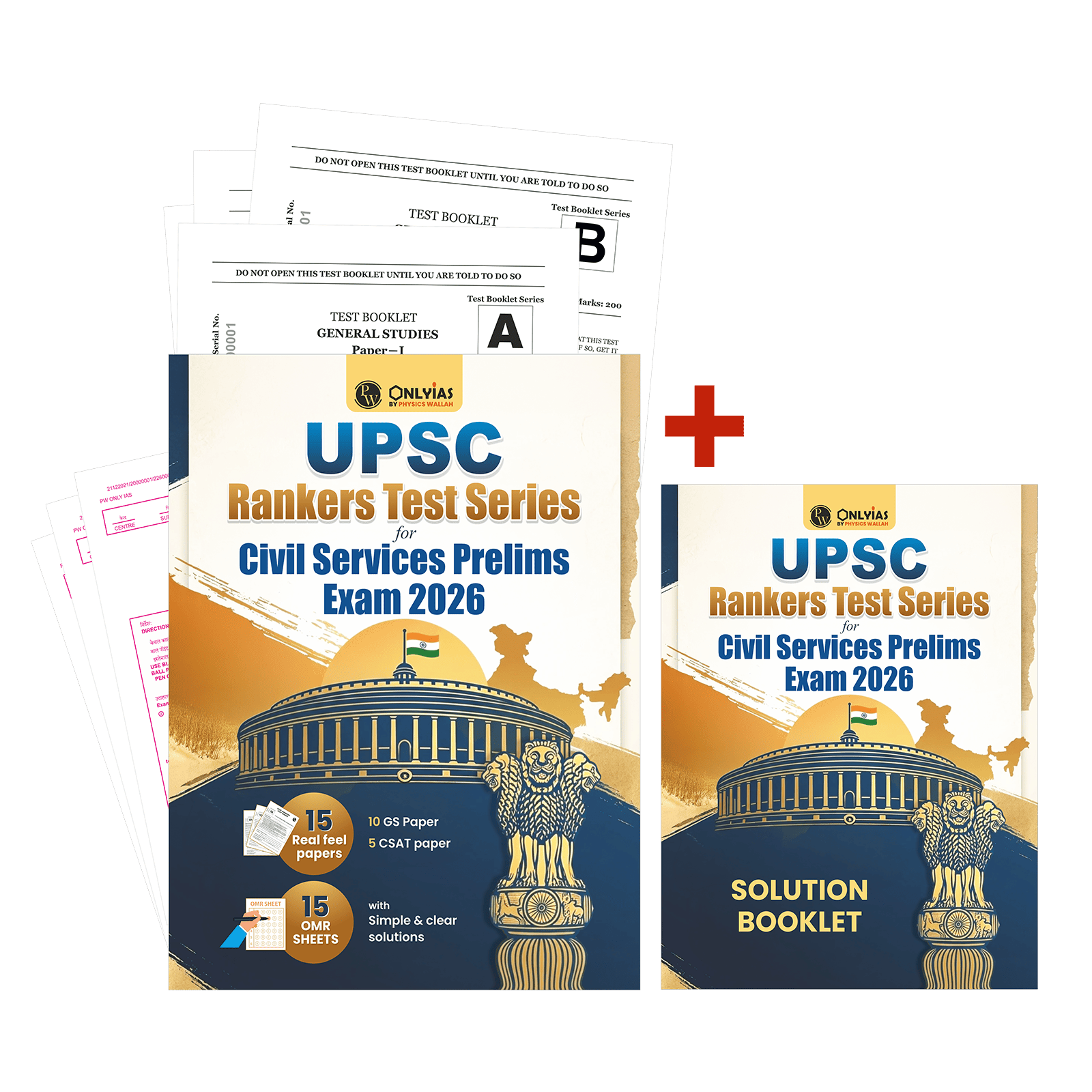
Phase 4: Full-Length Simulated Testing: In the final three months before the preliminary exam, shift from topic-wise books to full-length, year-by-year papers. Sit in a quiet room, set a timer for two hours, and solve the papers to build real exam endurance.
Common Mistakes While Solving UPSC GS PYQ
While solving UPSC GS PYQ, aspirants often make mistakes that reduce the effectiveness of their practice. Avoiding these errors helps improve understanding, accuracy, and the ability to approach questions as per UPSC expectations.
-
Memorising Answers Directly: Many candidates simply memorise the correct option instead of understanding the underlying concept. Since questions are rarely repeated word-for-word, this rote approach offers little help on exam day.
-
Starting Full Papers Too Early: Attempting mixed, full-length papers before finishing the basic syllabus can ruin your confidence and lead to incorrect conclusions about your abilities.
-
Ignoring Incorrect Options: Aspirants often check the correct option and skip the rest. The wrong options in a UPSC GS PYQ often turn into primary questions in subsequent exam years.
-
Relying on Outdated Explanations: Using older answer keys without considering recent legal amendments, economic shifts, or environmental updates can fill your notes with incorrect facts.
-
Using PYQs Only for Testing: Treating past papers solely as a tool to measure your marks misses their real value as primary learning and guide resources.
Read More: UPSC Prelims and Mains Exam Preparation with Previous Year Question Paper
UPSC GS PYQ FAQs
Q1: How many past years should I cover using a UPSC GS PYQ book?
It is best to cover at least 25 to 31 years of past papers. This extensive range helps you trace how the question style has changed over three decades, moving from direct factual points to deep, analytical statements.
Q2: Can practicing questions from a UPSC PYQ book replace standard textbooks?
No, practicing past papers cannot replace standard reference books. Previous questions show you how to study and what topics to focus on, but you still need textbooks to build your foundational knowledge.
Q3: Is a topic-wise UPSC prelims PYQ book better than a year-wise collection?
A topic-wise book is much better for the early and intermediate stages of your preparation. It allows you to check your understanding of specific chapters immediately, while year-by-year papers are ideal for final mock practice.