Who needs UPSC Ancient Medieval History Handwritten Notes — All aspirants or Specific Ones
Preparing for the Civil Services Examination requires a balance between vast factual information and analytical depth. Many candidates find the history syllabus overwhelming due to countless dates, dynasties, and artistic developments.
Retaining these vast topics becomes a major challenge without structured resources. This detailed article explores how a well-integrated set of UPSC ancient medieval history notes can transform your preparation strategy, giving you a clear competitive advantage.
What Are UPSC Ancient Medieval History Notes?
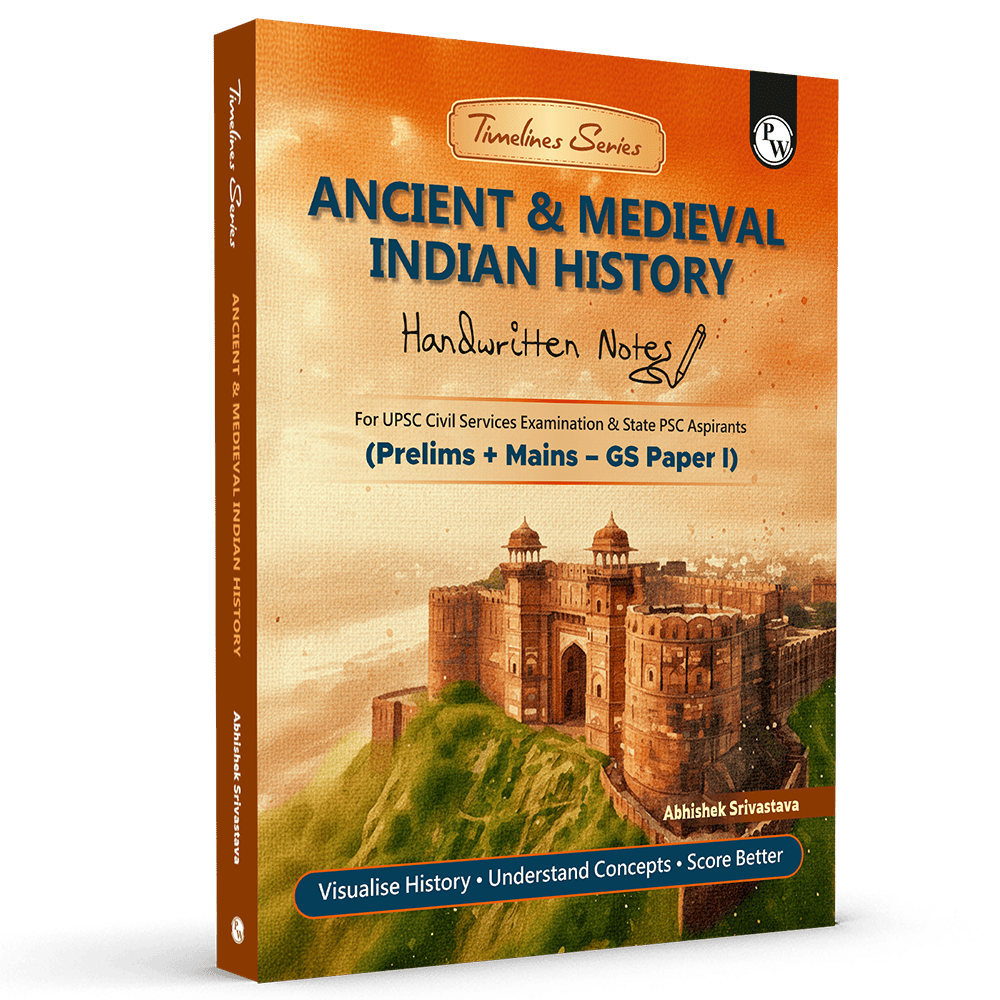
These resources are specialized, exam-oriented books designed to simplify one of the most concept-heavy portions of the General Studies Paper 1 syllabus. Instead of presenting long paragraphs like standard textbooks, they present historical data in an authentic handwritten layout. They offer an ideal mix of contextual depth and direct exam relevance.
By choosing specialized UPSC ancient medieval history notes, you get access to tools that improve retention.
-
Timelines and Flowcharts: Direct visual representations of historical successions, administrative changes, and major wars.
-
Maps and Mind Maps: Clear geographic outlines of ancient empires and medieval kingdoms to answer location-based Prelims questions.
-
Current Affairs Integration: Connecting static history with recent archaeological discoveries or cultural festivals.
-
UPSC PYQs and Revision Sheets: Previous Year Questions organized by topic alongside concise summaries.
Who Should Use UPSC Ancient Medieval History Notes?
Not every candidate studies the same way, but structured UPSC ancient medieval history notes benefit specific groups of aspirants based on their preparation stage. If you fall into any of the following categories, these tools are highly recommended for your study routine.
-
Complete Beginners: Candidates who are opening historical texts for the first time and need a clear, simplified framework to avoid feeling overwhelmed.
-
Working Professionals: Individuals with limited daily study windows who require highly dense, pre-summarized resources to optimize their time.
-
Veteran Aspirants: Experienced candidates looking to replace bulky textbooks with high-yielding revision material before the exam.
-
Visual Learners: Students who remember facts better through diagrams, structural mind maps, and geographic layouts rather than plain text.
Why Beginners Need UPSC Ancient Medieval History Notes
Starting your preparation journey with heavy standard UPSC textbooks can lead to early burnout. The sheer volume of names, architectural styles, and revenue systems in ancient India can confuse new learners. This curated material acts as a personal guide, translating vast data into manageable study portions.
Using specialized UPSC ancient medieval history notes helps beginners build a solid historical foundation. It highlights exactly what the Civil Services Exam demands, steering you away from irrelevant research. This targeted approach builds strong analytical clarity right from the start, making it easier to write balanced answers later.
How UPSC Ancient Medieval History Notes Help Aspirants
The main goal of this curated study material is to bridge the gap between reading facts and writing high-quality answers. It helps candidates organize their knowledge systematically, making it easier to recall key points during the high-pressure environment of the examination hall.
-
Simplifying Complex Data: Breaks down complex socioeconomic developments into simple, readable points.
-
Syllabus Integration: Blends static historical backgrounds with contemporary developments to meet current exam trends.
-
Focussed Mains Preparation: Teaches you how to link political changes with cultural impacts, which is essential for GS Paper 1.
-
Streamlining Prelims Practice: Collects key facts about terms, official ranks, and trade routes in one accessible place.
Benefits of UPSC Ancient Medieval History Notes
Using high-yielding, structured UPSC history study material can significantly boost your overall scoring potential. These books are crafted specifically to address the traditional pain points of the Civil Services syllabus.
-
Faster Revision Formats: The handwritten style and concise summaries let you revise the entire ancient and medieval syllabus in just a few hours.
-
Better Memory Retention: Colorful visual layouts, timelines, and bold formatting keep your mind engaged far better than traditional black-and-white print.
-
Balanced Coverage: Gives equal weight to political, social, economic, religious, and cultural aspects of historical eras.
-
Exam-Aligned Strategy: Includes integrated PYQs so you can immediately test your understanding against actual exam standards.
How to Use UPSC Ancient Medieval History Notes
To get the absolute most out of your UPSC history handwritten notes, you must use them systematically rather than reading them passively. Treat them as your core framework for quick review and analytical brainstorming.
-
Step 1: Read through a specific historical era to understand the general chronological flow and major events.
-
Step 2: Focus heavily on the integrated timelines and mind maps to memorize important developments.
-
Step 3: Use the built-in revision sheets right after finishing a topic to lock those facts into your long-term memory.
-
Step 4: Cross-reference the notes with the provided previous years' questions to check your analytical clarity.
When to Start UPSC Ancient Medieval History Notes
Timing your preparation correctly ensures you get the maximum benefit from your study resources. Introducing these structured notes at the right phase helps you build momentum without wasting precious study hours.
The ideal time to start reading your ancient and medieval history notes for UPSC is at the beginning of your core subject preparation. Working through these notes alongside your standard baseline reading gives you an immediate blueprint of the exam's expectations. Alternatively, starting them exactly three to four months before the Prelims exam provides a massive boost to your daily factual active recall sessions.
Study Strategy with UPSC Ancient Medieval History Notes
An effective civil services study plan requires regular practice, consistent testing, and smart active recall sessions. Integrating these notes into a broader routine helps maintain steady progress over the months.
|
Study Phase |
Daily Objective |
Key Resource Utilized |
|
Initial Phase |
Building conceptual timelines and understanding empire boundaries |
Timelines & Mind Maps |
|
Mid-Term Phase |
Connecting social, economic, and religious developments |
Comprehensive History Coverage |
|
Advanced Phase |
Writing answers and tracking recent cultural developments |
Current Affairs Integration |
|
Pre-Exam Phase |
Fast-paced fact checking and testing memory recall |
UPSC history short notes for revision |
Common Mistakes to Avoid While Using UPSC Ancient Medieval History Notes
Even the quality study material won't deliver results if used incorrectly. Avoid these common traps to make sure your history preparation stays on the right track.
-
Passive Reading: Simply skimming through pages without actively testing your memory or trying to recreate the UPSC mind maps on blank paper.
-
Ignoring the Syllabus Guidelines: Memorizing minor political details while completely skipping over important economic, social, and cultural trends.
-
Skipping Previous Year Questions: Reading chapter summaries without checking if you can actually solve the related Prelims or Mains questions.
-
Delaying Revision Sessions: Waiting until the final weeks before the exam to open your notes for the second time, which hurts long-term retention.
UPSC Ancient Medieval History Notes FAQs
Are these history notes sufficient for both Prelims and Mains?
Yes, this material covers political, social, economic, religious, and cultural aspects comprehensively, making it highly effective for both stages of the exam.
How do timelines and mind maps improve history preparation?
They offer clear visual representations of historical successions and kingdoms, ensuring faster revision and much stronger factual retention during exams.
Can absolute beginners start directly with these handwritten notes?
Absolutely, the material is specifically designed to simplify concept-heavy portions of the syllabus, helping new aspirants build analytical clarity without getting overwhelmed.
How are current affairs integrated into these static history notes?
The content purposefully links static historical events with relevant recent developments, archaeological discoveries, and cultural festivals for multidimensional answers.
Do these notes contain practice questions from previous years?
Yes, they feature integrated previous year questions along with focused revision sheets to help you check your exam readiness instantly.