Why 5 Years of Combined UPSC PYQ is Enough for EPFO, CDS and CAPF Preparation
Aspirants preparing for central government services often struggle to balance multiple exam syllabi simultaneously. Facing overlapping General Studies papers leads to confusion regarding how deep to dive into past papers.
Utilizing a targeted collection of the UPSC EPFO CDS CAPF PYQ helps narrow down your focus by highlighting intersecting question patterns and high-yield topics.
What is UPSC EPFO CDS CAPF PYQ?
The UPSC EPFO CDS CAPF PYQ represents a structured compilation of past exam questions from major recruitment tests conducted by the Union Public Service Commission. This collection gathers papers from the Enforcement Officers/Accounts Officers (EPFO) exam, the Combined Defence Services (CDS) exam, and the Central Armed Police Forces (CAPF) exam.
Instead of treating these examinations as isolated events, this resource merges their common General Studies components into a unified preparation asset.
A high-quality UPSC GSPYQ book serves as an essential tool because the testing authority maintains a consistent level of conceptual depth across these specific non-civil services assessments. It covers vital subjects such as Modern Indian History, Indian Polity, Physical and Indian Geography, Economy, General Science, and Environmental Ecology in a systematic format.
Why UPSC EPFO CDS CAPF PYQ Covers the Most Relevant Exam Trends?
Many applicants assume that analyzing three decades of Civil Services papers is necessary for every single test. However, looking at the recent 5-year cycle of the UPSC EPFO CDS CAPF PYQ is highly sufficient for non-CSE exams.
The testing commission has modified its questioning style significantly over recent years, making older questions from the 1990s less relevant to modern standards.
Using a dedicated UPSC PYQ book reveals that the factual and analytical balance required for CDS or CAPF matches perfectly with the trends seen in EPFO papers. The questions asked between 2020 and 2025 reflect modern sub-topic weightage, including updated questions on international relations, technological advancements, and economic policies.
Studying these specific five years allows candidates to save valuable hours by ignoring outdated current affairs formats.
Features of the UPSC EPFO CDS CAPF PYQ
A modern revision resource offers unique structural elements designed to optimize learning speeds. The latest editions of the PW UPSC PYQ book are compiled with distinct features that provide competitive advantages:
-
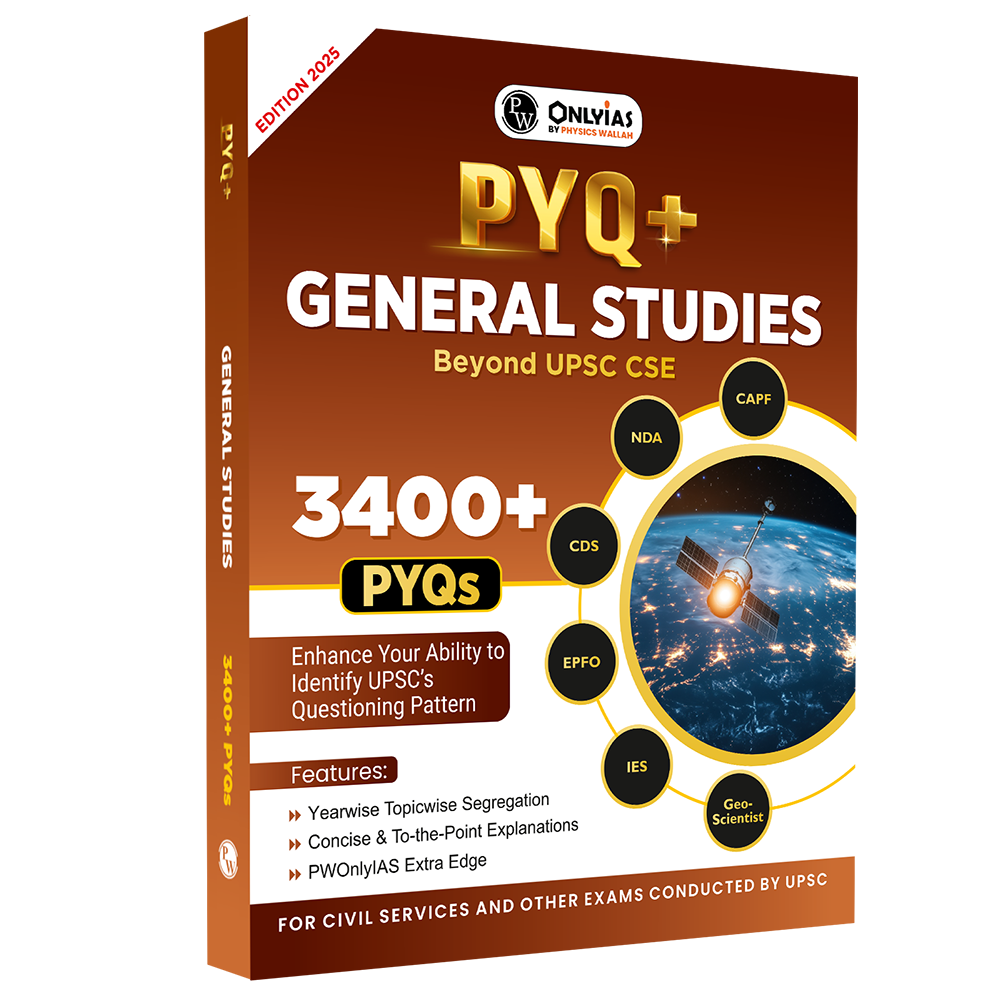
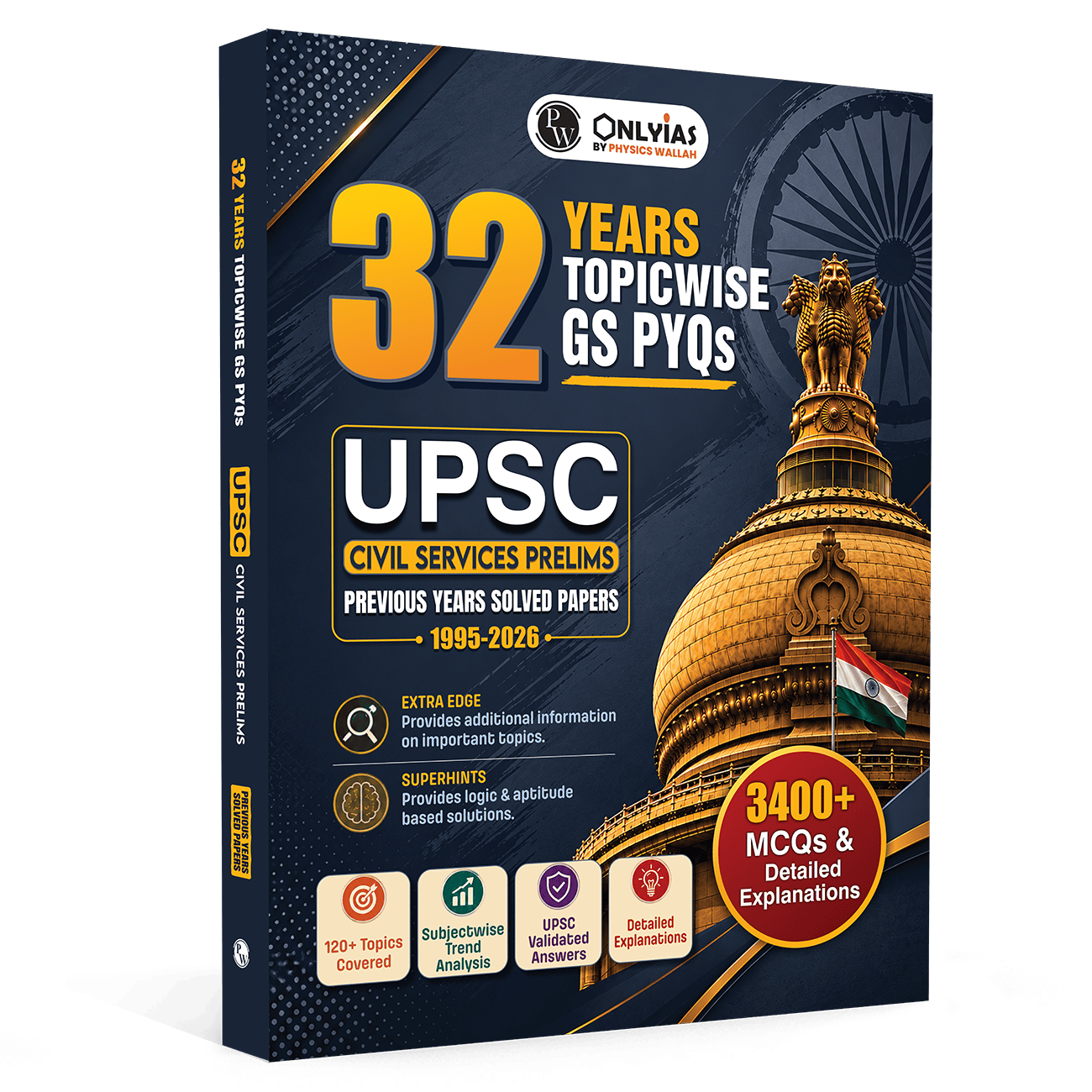
Comprehensive Question Pool: Includes over 3400 authentic multiple-choice questions spanning from the year 2020 to 2025.
-
Subject and Topic Segregation: Questions are not merely dumped year-wise; they are organized into discrete topics like Art & Culture, Indian Polity, and Science & Technology.
-
Option-Wise Detailed Explanations: Every solution goes beyond stating the correct choice by explaining why the remaining options are incorrect.
-
Visual Elements: Employs maps, tables, and infographics to make complex geographic and scientific definitions memorable.
-
Extra Edge Insights: Contains supplementary conceptual notes that connect historical facts with recurring testing themes.
Benefits of Using UPSC EPFO CDS CAPF PYQ
Relying on a comprehensive UPSC prelims PYQ book designed for these overlapping exams offers clear performance benefits.
First, it eliminates the need to buy multiple books for individual defence and administrative services exams. A single resource helps streamline your study desk.
Second, it trains your brain to tackle varying degrees of factual difficulty. For example, CDS papers might demand precise geographic locations, while CAPF questions test your understanding of constitutional provisions.
Third, studying these solutions builds strong option-elimination skills. Understanding why specific traps are set prevents silly errors on the big day.
Finally, consistent practice with authentic past questions enhances psychological confidence far better than arbitrary mock tests.
How UPSC EPFO CDS CAPF PYQ Helps in Understanding Question Patterns?
The testing authority rarely duplicates entire questions word-for-word, but it constantly reuses underlying structures. By analyzing the UPSC EPFO CDS CAPF PYQ, you can map out exactly how standard textbook concepts are translated into multiple-choice items.
For instance, a question regarding a specific legislative committee in a CAPF exam might reappear a year later in an EPFO test with a slight focus shift toward its financial functions.
Practicing with a dedicated PYQ GS1 UPSC compilation allows candidates to discover these subtle shifts. It shows you the linguistic traps deployed by the paper setters, such as using extreme descriptors like "all", "only", or "never", helping you spot flawed statements instantly.
How to Use UPSC EPFO CDS CAPF PYQ?
Simply reading through past questions like a storybook will not yield positive results. To extract genuine value from the UPSC EPFO CDS CAPF PYQ , you must practice a reverse-engineering method.
Start by picking a specific chapter from your standard reference book, such as Fundamental Rights in Indian Polity. Once you finish reading the text, open your UPSC GSpaper 1 PYQ resource and solve all the related questions from that specific chapter. Look closely at the wrong options provided in those questions.
Research those incorrect options briefly because the testing authority frequently converts a wrong option from a previous year into a primary question for the next exam cycle.
When to Start Solving UPSC EPFO CDS CAPF PYQ?
Timing your practice sessions determines how well you retain important facts. The ideal period to integrate the UPSC EPFO CDS CAPF PYQ into your schedule is during your very first comprehensive reading of the syllabus.
Do not wait until you finish the entire syllabus to open past papers. Using past questions early prevents passive reading habits by showing you exactly what details require your attention.
If you are reviewing a history topic, knowing how questions are structured keeps you from memorizing useless biographical details while forcing you to focus on administrative and socio-economic changes instead.
Check Out: UPSC Test Series
Study Plan for Using UPSC EPFO CDS CAPF PYQ
Achieving an excellent score requires a systematic time-allocation plan spread across your preparation months. You can break down your learning plan into manageable phases:
|
Phase |
Time Period |
Daily Target Strategy |
|
Phase 1: Topic Integration |
Months 1 to 2 |
Solve 20 topic-specific past questions immediately after finishing any textbook chapter. |
|
Phase 2: Sectional Testing |
Month 3 |
Take full-length subject papers (e.g., entire Modern History segments) under a strict one-hour timer. |
|
Phase 3: Error Analysis |
Month 4 |
Review your wrong answers, maintain an error log, and study option explanations deeply. |
|
Phase 4: Full Simulation |
Final 30 Days |
Solve mixed 5-year papers during actual exam hours to build mental stamina. |
Common Mistakes to Avoid While Using UPSC EPFO CDS CAPF PYQ
Many students fail to maximize their scores due to easily avoidable habits when dealing with the UPSC EPFO CDS CAPF PYQ. The most widespread blunder is trying to memorize answers directly without grasping the core concept behind them.
Another error is spending excessive hours tracking down ancient current affairs questions from past papers. If a question from 2021 relates to a specific temporary portal, focus on the structural template of that question instead of memorizing the defunct portal details.
Lastly, many candidates avoid writing down their errors, which leads to repeating the exact same conceptual mistakes during the actual examination.
Read More: UPSC Prelims and Mains Exam Preparation with Previous Year Question Paper
UPSC EPFO CDS CAPF PYQ FAQs
Can I clear the general studies sections by studying only the UPSC EPFO CDS CAPF PYQ?
Past papers are vital for tracking trends and testing your knowledge, but they must be used alongside standard textbooks. They guide your learning path but do not fully replace foundational conceptual reading.
Why is a 5-year range of the UPSC EPFO CDS CAPF PYQ sufficient for these exams?
The testing agency has significantly altered its question styles over the last few years. The papers from 2020 to 2025 focus more on conceptual clarity and modern themes, making very old patterns less applicable.
Does the UPSC GSPYQ book include explanations for wrong options?
Yes, a well-structured UPSC GS PYQ book offers comprehensive, option-wise, detailed explanations. This design helps you understand why the correct answer is right and why the other choices are incorrect, expanding your knowledge base.