Why Polity Is One of Highest-Weightage UPSC Prelims Topics

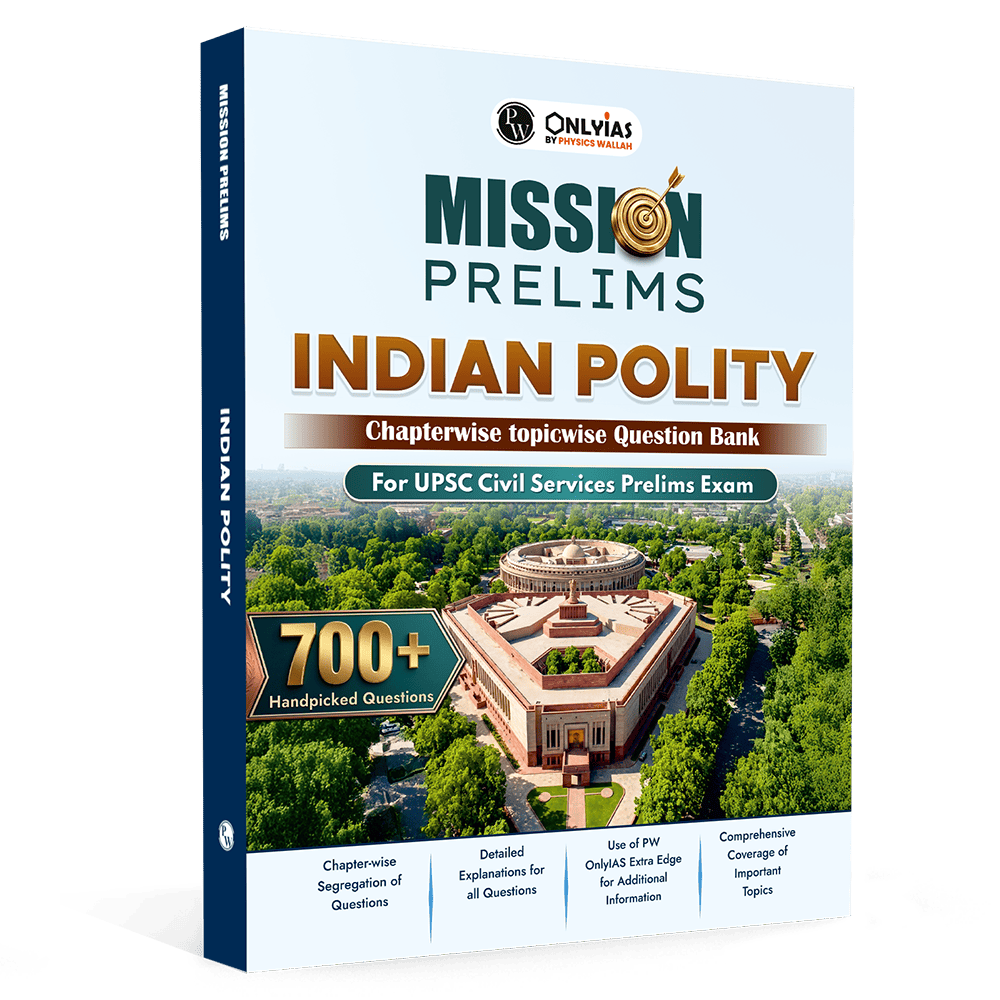
Preparing for the Civil Services Examination requires a smart strategy rather than just hard work. Among the various subjects in the syllabus, Indian polity stands out as a crucial pillar for success. Every year, a significant number of questions are asked from this section, making it an essential area for clearing the cut-off. To excel at this subject, candidates often rely on a dedicated UPSC Indian polity question bank to practice effectively and understand the exam pattern.
Importance of UPSC Indian Polity Question Bank for Prelims Success
The civil services exam tests a candidate's understanding of the governance system they aspire to join. This is why high weightage topics related to the constitution and governance are prioritised every year.
Consistent Question Trends
The number of questions from this section remains consistently high. On average, around fifteen to twenty percent of the total questions in Paper One are directly related to governance and constitutional frameworks. This predictability makes it a safe and rewarding subject for aspirants.
Direct and Factual Nature
Unlike subjects like economics or environment, where current updates can be highly complex, governance questions are often direct. If you understand the core concepts and have practiced with a question bank, you can solve these questions quickly and accurately.
High Returns on Investment
The syllabus for this subject is well-defined compared to vast subjects like history. With focused UPSC polity preparation, you can secure high marks with a relatively lower investment of time. This efficiency is vital for a balanced prelims strategy.
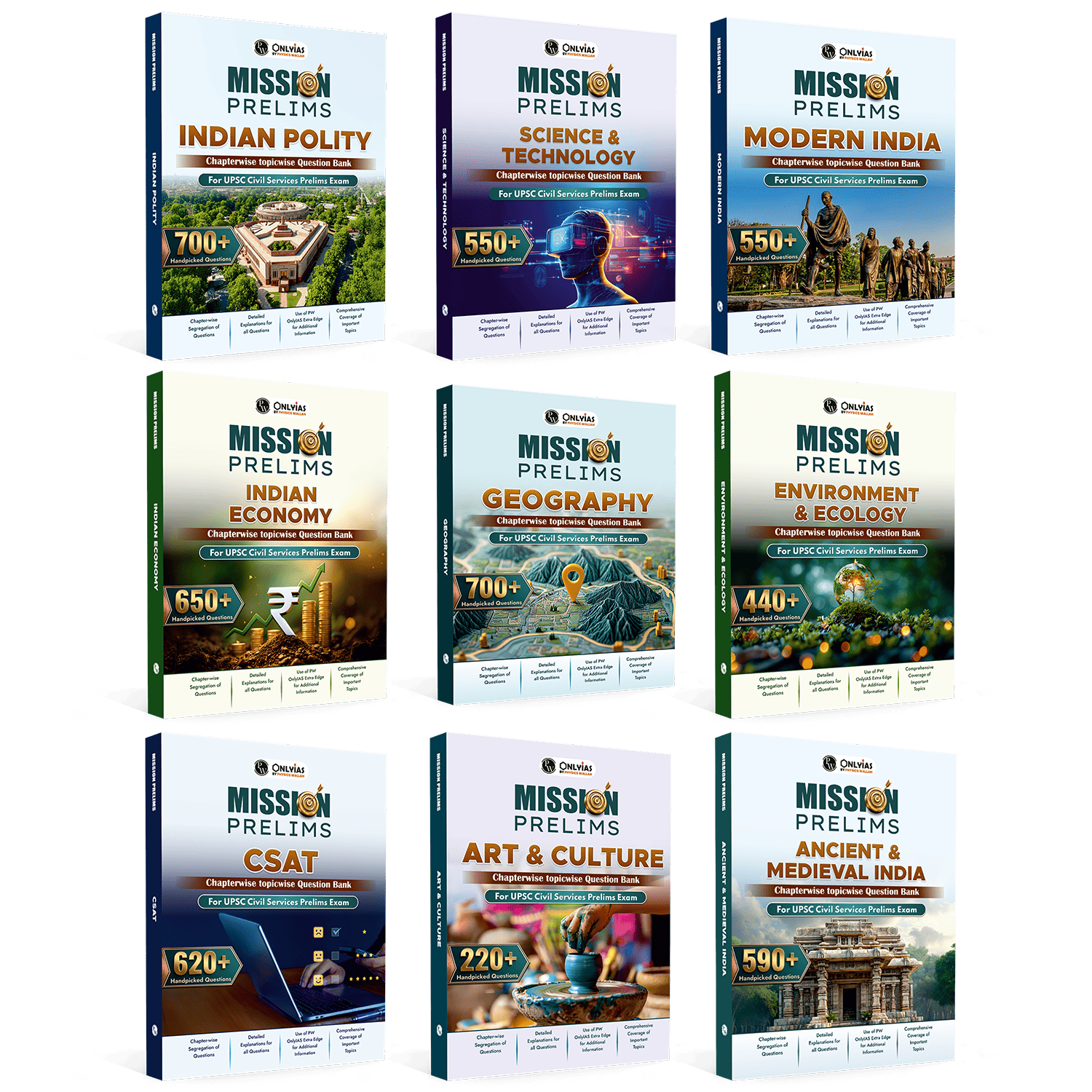
UPSC Books provide complete syllabus coverage with subject-wise theory, conceptual explanations, practice questions, and exam-oriented content for comprehensive preparation.
Designed for both UPSC Prelims and Mains, they help build strong fundamentals, improve conceptual clarity, and strengthen answer-writing and problem-solving skills.
Topics in an UPSC Indian Polity Question Bank
To score well, aspirants need to focus on specific areas that see repeated questions every year. Practicing constitution questions from these areas helps build strong conceptual clarity.
The Preamble and Basic Structure
The foundation of the constitution is a frequent source of questions. Candidates must understand the meaning of terms like secular, socialist, and democratic, along with judicial interpretations of the basic structure.
Fundamental Rights and Duties
This is arguably the most critical section of the entire syllabus. Questions frequently test the nuances of individual liberties, reasonable restrictions, and the enforceable nature of these rights.
The Union and State Executives
Understanding the powers of the President, Prime Minister, Governor, and Chief Minister is essential. The exam often compares the discretionary powers of the Governor with those of the President.
How to Prepare with an UPSC Indian Polity Question Bank
Simply reading textbooks is never enough to clear the prelims stage. Regular practice and self-assessment are required to turn knowledge into marks.
Building Conceptual Clarity
A reliable UPSC question bank helps you examine a simple factual statement from multiple angles. It trains your mind to spot trap words like "only," "always," or "must" which are frequently used to confuse candidates.
Enhancing Elimination Skills
UPSC questions often include options that seem equally correct. Solving diverse polity MCQs teaches you how to eliminate incorrect options systematically based on partial knowledge.
Time Management Training
Practicing questions under a strict time limit builds the mental stamina required for the actual exam day. It helps reduce negative marking caused by silly mistakes or hurried reading.
How to Use an UPSC Indian Polity Question Bank
A structured approach ensures that you cover the entire syllabus without missing out on critical details.
-
Step 1: Read the Textbooks Thoroughly Focus on understanding the core philosophy behind each article and amendment rather than just memorising the numbers.
-
Step 2: Solve Sectional Tests Immediately after finishing a topic, solve relevant questions to check your retention level.
-
Step 3: Track Your Error Rate Keep a record of the types of questions you get wrong, whether they are factual errors or conceptual misunderstandings.
-
Step 4: Regular Revision Re-visit the tricky questions and core articles at fixed intervals to keep the information fresh in your mind
To make your preparation more exam-oriented, practise with an UPSC PYQ Book, which contains authentic previous year questions with detailed explanations and topic-wise analysis. Solving PYQs regularly helps you understand the UPSC question pattern, identify frequently asked Polity topics, and improve accuracy for both the UPSC Prelims and Mains.
Question Types in an UPSC Indian Polity Question Bank
The questions asked in the exam can be broadly categorised into three distinct types, each requiring a slightly different approach.
|
Question Type |
Core Focus |
Preparation Strategy |
|
Conceptual |
Definition of liberty, democracy, and rights |
Deep philosophical understanding |
|
Factual |
Constitutional bodies, terms of office, and articles |
Regular revision and flashcards |
|
Current Affairs Linked |
Recent bills, supreme court judgements, and amendments |
Linking news with static syllabus |
How an UPSC Indian Polity Question Bank Builds Conceptual Clarity
The Civil Services Examination has shifted drastically from testing mere memorisation to evaluating deep analytical understanding. When working through a question bank, you will quickly realise that questions generally fall into two categories: purely conceptual and deeply applied. To secure a high score, your UPSC polity preparation must address both angles with equal precision.
Breaking Down Conceptual Questions
Conceptual questions test your understanding of political philosophy and constitutional principles. These are theoretical queries that do not change with current events.
-
Core Definitions: You may face questions asking for the exact definition of terms like 'Constitutional Government', 'Liberty', or 'The Rule of Law'.
-
Static Clarity: These questions check if you understand the fundamental purpose of a constitution—such as placing limitations on the powers of the government.
-
The Trap: Because options look intensely philosophical and similar, candidates often overthink them. Regular practice with a comprehensive UPSC question bank combo set ensures you pick the most legally accurate definition rather than the most poetic one.
Common Mistakes to Avoid While Using an UPSC Indian Polity Question Bank
Many candidates fail to clear the sectional cut-off despite studying hard due to a few common tactical errors.
Neglecting the Bare Act
Many students rely solely on secondary reference books and completely ignore the original text of the constitution. Reading the actual wording of the articles is highly beneficial.
Over-focusing on Rare Facts
Spending too much time memorising obscure historical details or rare committee reports can counterproductive. Focus your energy on high-yield topics instead.
Skipping Question Practice
Reading a chapter multiple times without testing yourself creates a false sense of security. Real learning happens when you force your brain to recall information while solving questions from a question bank.
Read More: List of Important Articles in Indian Constitution
UPSC Indian Polity Question Bank FAQs
How useful is a UPSC question bank for beginners?
A comprehensive question bank helps beginners understand the actual demand of the exam right from the start of their preparation journey, preventing them from wasting time on irrelevant details.
What are the most high weightage topics within indian polity?
Topics like Fundamental Rights, Directive Principles of State Policy, the Parliament, and Judiciary consistently see the highest number of questions every year.
How should I link current affairs with constitution questions?
Whenever a political or legal issue is in the news, look up the static constitutional provisions, relevant articles, and past Supreme Court judgements related to that topic.
Can I clear the polity section purely through static study?
While the static framework forms the foundation, UPSC frequently creates questions where static concepts are applied to recent governance issues or new legislative bills.
How many polity MCQsindian polity should I practice before the actual prelims exam?
It is advisable to solve approximately one thousand to fifteen hundred high-quality questions covering all chapters to build sufficient confidence and accuracy.