Why Structured PYQ Matters in UPSC Preparation
Preparing for the Civil Services can be overwhelming when it comes to choosing the right study material. Many candidates read standard textbooks for months, but do not clear the exam, as they do not know how the questions are framed.
This is where UPSC PYQs analysis plays a significant role. Working through these past questions links knowledge to marks. It helps you see through the examiner’s eyes, mapping out exactly which themes come up every year.
Importance of UPSC PYQs
Aspiring civil servants often find themselves lost in a mountain of study material. However, the most authentic guide for this journey is the official repository of past exams. Relying on an official UPSC exam question paper gives you a direct look at the required standard of the exam, stripping away the guesswork.
Knowing Exam Trends
Textbooks teach you facts. Past papers teach you how to apply them. Reading past papers you can see how the exam shifts its focus over time. For example, a topic that was directly asked five years ago might now be presented as a complex case study or conceptual application question.
Understanding Option Elimination
The Civil Services Examination is as much about rejecting wrong answers as it is about finding the right ones. Regular practice with past papers trains your mind to look for specific traps, extreme words, and subtle clues embedded in the options. This skill is impossible to build with random mock tests that do not align with official standards.
Why UPSC PYQs Improve Preparation Strategy?
Randomly solving UPSC PYQ book from different years can often feel disjointed. A student might solve a history question, jump to a science question, and then move to economics. This lack of order makes it difficult to track subject-specific progress. Organising questions by theme or topic changes everything.
|
Feature |
Random Paper Practice |
Structured Thematic Practice |
|
Topic Continuity |
Low (Frequent jumping between subjects) |
High (Master one topic before moving on) |
|
Trend Identification |
Hard to spot patterns across different years |
Easy to see recurring themes and sub-topics |
|
Revision Efficiency |
Time-consuming as topics are scattered |
Fast and targeted for specific weak areas |
|
Confidence Building |
Can feel chaotic and overwhelming |
Methodical, step-by-step progress |
When you group questions by subject and topic, you can easily see how a single theme like "Preamble" or "Monetary Policy" has evolved over a decade. This structure shows you exactly how deep you need to dive into each chapter of your standard textbooks.
How to do Exam Preparation with UPSC PYQs?
Simply reading through past papers is not enough to secure a high rank. To get the most out of the PYQ of UPSC, you must approach it with a clear, analytical mindset.
Phase 1: Micro-Topic Mapping
Break down each subject into smaller sections. For example, do not just study Ancient Indian History as a whole. Divide it into the Indus Valley Civilisation, Buddhism, Jainism, and the Mauryan Empire. Look at how questions under these micro-headings have been framed over the last twenty to thirty years.
Phase 2: Identifying Core Focus Themes
The exam syllabus is incredibly vast, but the actual question areas are surprisingly concentrated. Around sixty to seventy per cent of the questions come from approximately thirty per cent of the core syllabus. Structured analysis highlights these high-yield areas, allowing you to allocate your study time more wisely.
How to Analyse UPSC PYQs?
To build a solid preparation routine, follow this simple framework whenever you open a UPSC previous year paper:
-
Read Without Looking at Options: Try to recall the core concept immediately after reading the question stem to test your memory recall.
-
Analyse All Four Options: Do not stop when you find the correct answer. Spend time understanding the other three options, as they often turn into primary questions in future exams.
-
Note Down Repeating Keywords: Maintain a small journal for terms that appear frequently across different years. These terms are highly likely to appear again.
-
Evaluate Your Mistakes: Categorise your errors into silly mistakes, conceptual gaps, or total lack of information to fix them effectively.
Benefits of Solving an UPSC PYQs
Studying UPSC books without immediate access to correct solutions can lead to confusion and self-doubt. Using an UPSC prelims question paper with answers ensures that your practice remains accurate and highly productive.
-
Immediate Feedback: You can instantly check your answers to understand your mistakes while the question is still fresh in your mind.
-
Deep Conceptual Clarity: Quality answer keys do not just tell you which option is correct. They explain why the other three options are incorrect, effectively covering four distinct topics in a single question.
-
Time Management: Simulating the actual exam environment with solved papers helps you track how much time you spend on tough questions versus easy ones.
How UPSC PYQs help Understand Exam Trends?
The General Studies paper has become increasingly unpredictable over the past few years. Relying on old methods of rote learning no longer works. A closer look at the PYQ of UPSC prelims reveals that the exam now demands a deep, analytical understanding of current events combined with static concepts.
Connecting Current Affairs to Static Roots
Most dynamic questions are actually rooted in static concepts. If a particular international body or constitutional article has been in the news, the exam will often ask about its historical origin or core functions rather than the recent news event itself. Past papers teach you how to build these crucial connections.
Adapting to New Question Patterns
From match-the-following pairs to statements asking "how many of the above options are correct," the exam pattern keeps changing. Candidates who have thoroughly analyzed past papers are rarely caught off guard by these structural changes, as they focus on conceptual clarity rather than shortcuts.
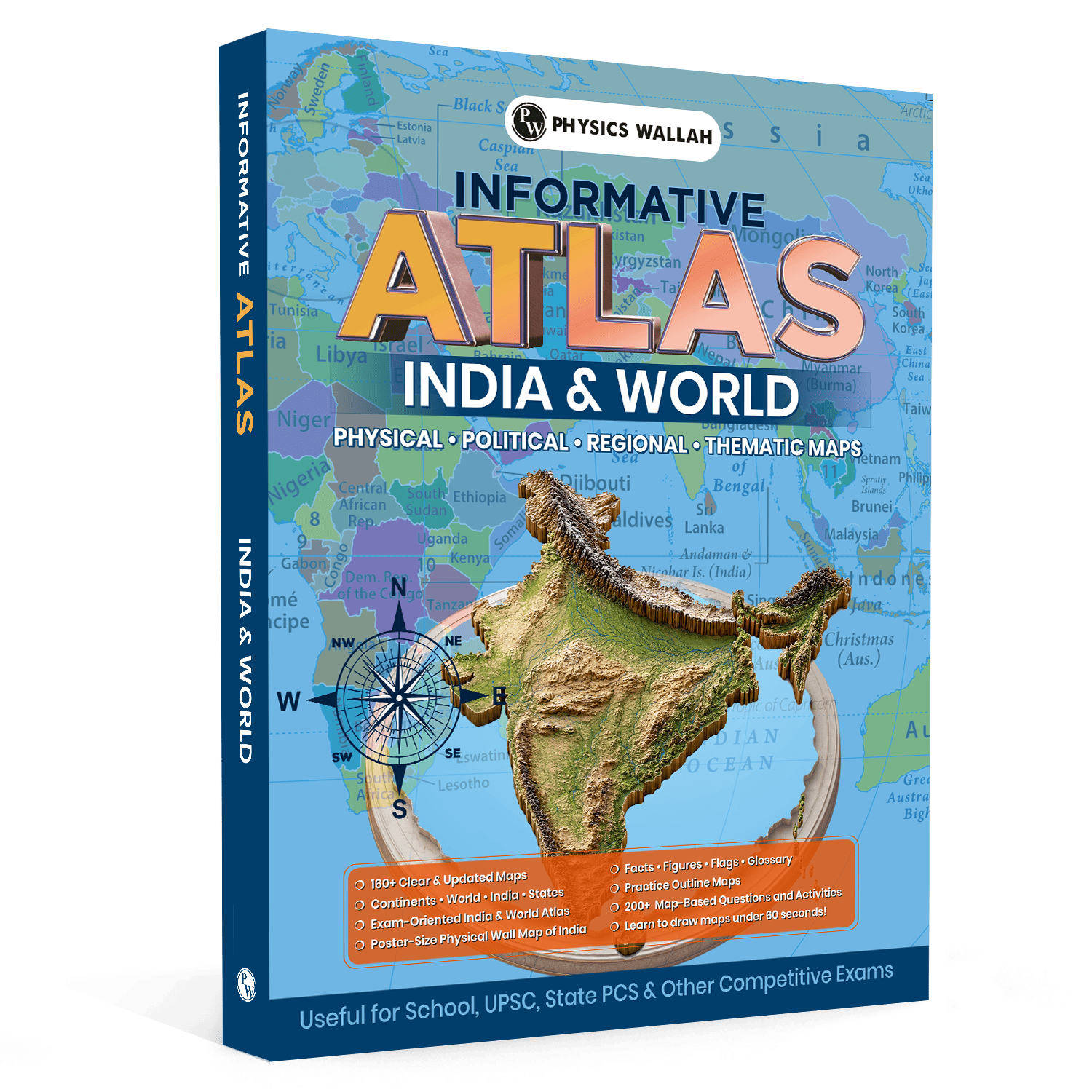
Also Check, PW UPSC Informative Atlas Book
Revision Tips for Using UPSC PYQs
As the exam date approaches, your strategy must shift from acquiring new knowledge to consolidating what you have already learned. Utilising an UPSC prelims previous year paper serves as the perfect diagnostic tool during this critical phase.
-
Identify Knowledge Gaps: If you consistently get questions wrong on a specific topic like "National Income," it tells you exactly which chapter needs a re-read.
-
Build Real Exam Stamina: Solving complete papers helps your brain adapt to the stress, fatigue, and focus required during the actual two-hour exam window.
-
Refine Guessing Skills: Since the negative marking system is strict, practicing with past papers helps you decide when to take calculated risks and when to leave a question blank.
Common Challenges with UPSC PYQs
Many candidates struggle to find reliable resources for their revision. Using a disorganised or poorly printed booklet can do more harm than good. Investing in a well-curated UPSC PYQ book solves these issues by bringing order to your study routine.
Avoid Incorrect Answer Keys
The internet is filled with conflicting answer keys for past exams. A reliable, professionally reviewed book saves you from memorising incorrect facts and ensures your preparation aligns perfectly with official answer keys.
Accessing Long-Term Trends
To truly understand the mind of the examiner, looking at just three or four years of exams is insufficient. A comprehensive book covering around thirty years of questions allows you to see the macro-trends and shifts in the exam pattern over decades.
Read More: Importance of Solving Previous Year Papers for UPSC Exam
UPSC PYQs FAQs
Why are UPSC PYQs considered the most important resource for preparation?
Past papers serve as the official blueprint for the exam. They help candidates understand the exact standard of questions, identify high-yield topics, and learn how to apply static knowledge to complex analytical problems.
How does solving an UPSC prelims question paper with answers save time?
Having accurate answers and detailed explanations alongside questions prevents confusion. It allows you to learn from your mistakes instantly and helps you understand why other options are incorrect, expanding your knowledge base quickly.
What is the benefit of using a dedicated UPSC PYQ book over random online PDFs?
A dedicated book organises questions thematically or chronologically, provides verified error-free solutions, and offers deep explanations. This structured format helps you track your progress across specific subjects much better than scattered documents.
How far back should I go when reviewing the PYQ of UPSC prelims?
While the exam pattern has evolved, reviewing around twenty to thirty years of past papers is highly beneficial. It helps you identify permanent core themes and observe how the framing of questions has shifted over time.
Can practicing with an UPSC prelims previous year paper replace routine mock tests?
Past papers are the primary tool for understanding exam trends and standards, making them irreplaceable. Mock tests should be used as secondary tools to practice time management and test your readiness on current affairs topics.