Why UPSC Prelims Mock Tests Calibrated to Civil Services Difficulty Matter
Preparing for the Civil Services Examination needs more than just reading books and remembering facts. Every year, many students spend months studying different subjects, but still find the real exam difficult. This happens because the exam now checks not only what you know but also how well you can use that knowledge.
This is why UPSC prelims mock tests are very important. They help you practice in an exam-like environment and prepare you for the actual level of questions asked in the Civil Services Examination. These tests help turn your knowledge into real exam-solving skills.
Importance of UPSC Prelims Mock Tests
The Civil Services Preliminary Examination has changed a lot over the years. Earlier, students could score well by simply remembering facts. Today, questions test understanding, logic, and decision-making skills.
Using low-quality practice questions can create a false feeling of confidence. When students face the actual exam, they often realize the questions are much harder than expected. This is where prelims mock tests make a big difference.
Well-designed tests follow the same pattern, difficulty level, and question style used in the actual examination. They help students understand what to expect on exam day.
A good UPSC mock test also teaches students how to solve questions that combine static subjects with current affairs. This is now a common pattern in the Civil Services Examination.
Some key benefits include:
-
Matches the latest exam trends and question styles.
-
Gives a realistic idea of your preparation level.
-
Helps identify weak topics before the final exam.
-
Tests your understanding instead of simple memorization.
-
Improves elimination and logical thinking skills.
How do UPSC Prelims Mock Tests Help Track Performance?
A structured UPSC prelims test series gives direction to your preparation. Instead of only reading books, you regularly test what you have learned.
Regular testing improves memory and helps you revise topics more effectively. It also teaches you how to manage time under exam pressure.
|
Strategic Element |
Impact on Preparation |
Expected Outcome |
|
Comprehensive Syllabus Track |
Covers History, Polity, Economy, Geography, and Science in a planned way |
Reduces weak areas in important subjects |
|
CSAT Integration |
Regular practice of aptitude and comprehension questions |
Helps clear the qualifying CSAT paper comfortably |
|
Detailed Explanations |
Explains correct and incorrect answers in detail |
Improves understanding and note-making |
|
All India Ranking |
Compares your score with other aspirants |
Gives a realistic view of competition |
By following a proper test series for UPSC, students can revise regularly and stay connected with the entire syllabus throughout their preparation journey.
How do UPSC Prelims Mock Tests Build Exam Stamina?
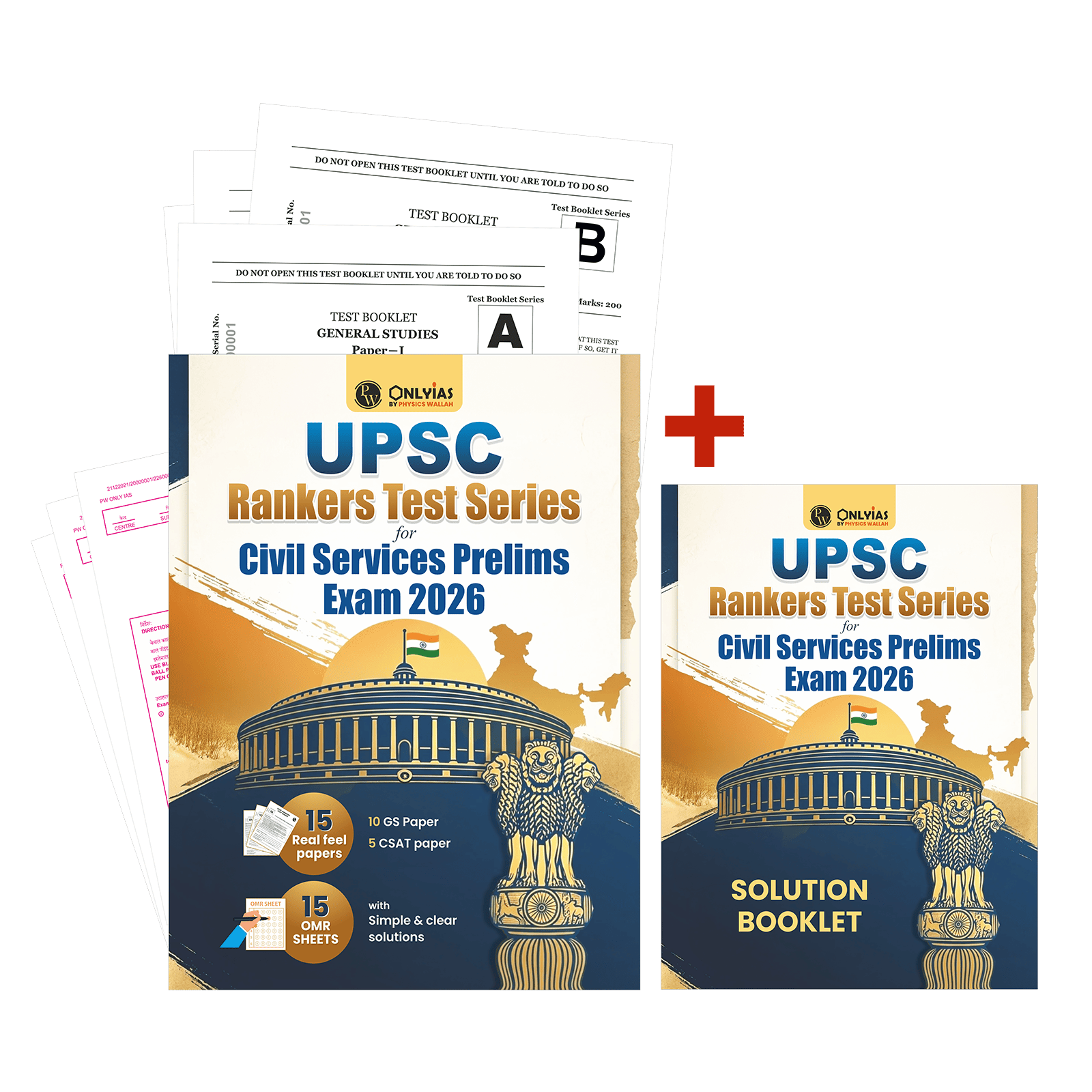
Many students prefer online tests because they are easy to access. However, the actual Civil Services Preliminary Examination is still conducted offline. Using a physical UPSC test series book helps students prepare in a way that is closer to the real exam experience.
Reading printed papers for long hours improves focus and concentration. It also helps students get comfortable with paper-based examinations.
Some important benefits of a UPSC test series book are:
OMR Sheet Practice
Small mistakes while filling in an OMR sheet can lead to losing valuable marks. Practicing with real OMR sheets improves accuracy and confidence.
Less Screen Tiredness
Long hours on phones, tablets, or laptops can make students feel tired. Physical papers reduce screen-related stress and improve reading comfort.
Better Marking and Underlining
Printed papers make it easy to underline important words, cross out wrong options, and mark key instructions while solving questions.
How do UPSC Prelims Mock Tests Analysis Improves Scores?
Taking a UPSC mock test is only one part of preparation. The most important learning happens after the test is completed.
Many students focus only on their final score. However, score improvement comes from understanding mistakes and fixing them before the next test.
Divide Your Mistakes
After every test, classify mistakes into different categories:
-
Silly mistakes
-
Concept mistakes
-
Guessing mistakes
-
Unread topics
This makes it easier to plan future study sessions.
Keep a Mistake Notebook
Maintain a notebook where you write every wrong answer along with the correct explanation. Reviewing this notebook regularly helps avoid repeating the same mistakes.
Read All Explanations
Do not stop after checking the correct answer. Read explanations for every option. This helps increase your knowledge and improves your understanding of related topics.
Check Your Guessing Accuracy
Many students use elimination methods in the exam. Track how often your guesses are correct and learn where your judgment works best.
Proper analysis can make a bigger difference than simply solving more tests.
How to Choose UPSC Prelims Mock Tests?
Not every test series for UPSC offers the same quality. Choosing the right one is important for effective preparation. A good UPSC prelims test series should provide complete syllabus coverage, detailed explanations, and performance analysis. Before joining a test series, check the following points. Along with mock tests, using well-structured UPSC Books helps strengthen conceptual clarity, supports systematic revision, and improves overall preparation quality.
Static and Current Affairs Coverage
The best programs combine NCERT-based topics with current affairs from important sources. This helps students prepare for modern question patterns.
Detailed Performance Reports
Look for test series that provide reports based on:
-
Subject-wise performance
-
Topic-wise accuracy
-
Difficulty-level analysis
-
Time management review
These reports help students understand where improvement is needed.
Expert Support and Guidance
Good mentorship can help students improve their strategy. Expert guidance based on performance data can make preparation more effective.
Full-Length and Sectional Tests
A reliable UPSC Prelims mock test program should include both sectional tests and full-length papers. This ensures complete preparation for all subjects.
Why UPSC Prelims Mock Tests Practice Is Important?
Regular UPSC prelims mock test practice helps students become comfortable with exam pressure. The more tests you take, the more confident you become.
Benefits of regular testing include:
-
Better time management
-
Faster question-solving speed
-
Improved accuracy
-
Stronger revision
-
Better understanding of exam patterns
-
Increased confidence before the exam
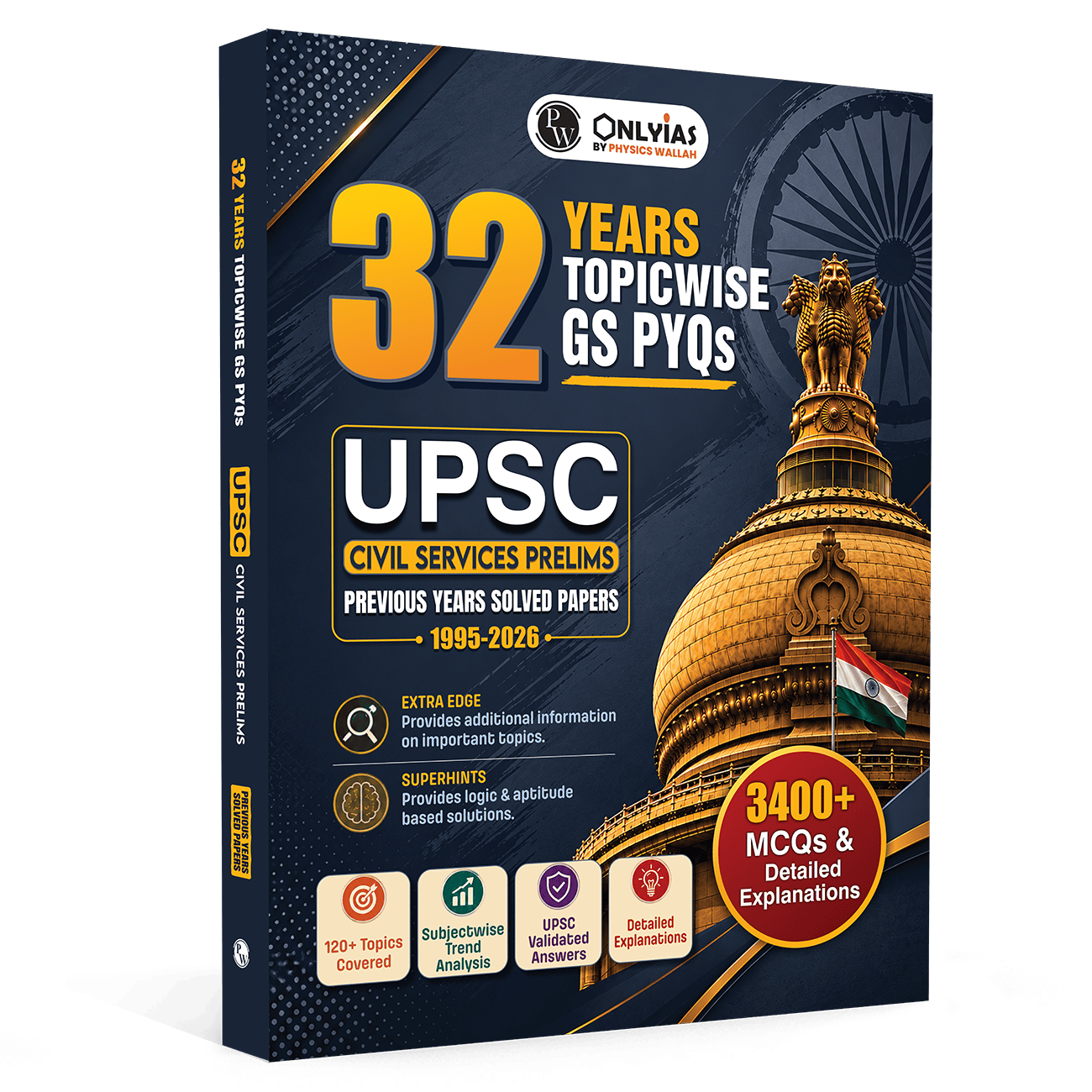
Students who practice regularly are usually better prepared to handle unexpected questions and changing exam trends. Along with mock tests, resources like the 32 Years UPSC GS PYQ help aspirants understand question patterns, identify recurring themes, and strengthen exam-oriented preparation through extensive previous year practice.
UPSC Prelims Mock Tests FAQs
When should I start practicing UPSC prelims mock tests?
You can start taking UPSC prelims mock tests early in your preparation, even before finishing the full syllabus. Sectional tests help you check subject-wise understanding, while full-length tests should be started about three to four months before the exam. Regular practice improves speed, accuracy, and time management.
How many papers should an UPSC prelims test series include?
A good UPSC prelims test series should include around 25 to 40 full-length mock papers along with subject-wise tests. This helps cover the syllabus properly, improve revision, and understand the latest exam pattern.
Is an UPSC test series book useful for beginners?
Yes, a UPSC test series book is helpful for beginners. It helps students understand the exam pattern, improve reading speed, and practice with printed papers. It also prepares them for the actual offline exam and OMR sheet marking.
Does a test series for UPSC include CSAT papers?
Yes, a quality test series for UPSC includes CSAT papers along with General Studies tests. Regular CSAT practice helps improve comprehension, reasoning, and aptitude skills, making it easier to clear the qualifying paper.
What is the right way to analyze an UPSC mock test?
The right way to analyze a UPSC mock test is to review your mistakes carefully after each test. Keep a mistake notebook, learn the correct concepts, and check your guessing accuracy. Regular analysis helps improve scores and strengthens preparation.