CFA Level 1 Exam Pattern: Questions, Duration & Passing Score
Understanding the CFA Level 1 exam pattern is an important step before starting exam preparation. Knowing the number of questions, exam duration, marking scheme, and passing score helps candidates plan their study time better. A clear understanding of the test structure also makes it easier to choose suitable study materials, practise questions, and prepare for the exam with greater confidence.
CFA Level 1 Exam Pattern and Format
The test is conducted entirely on computers at proctored testing centres worldwide. Candidates must sit through two distinct blocks of testing on a single day. The CFA Level 1 exam format divides the entire appointment into a morning and an afternoon session. Each session lasts for two hours and fifteen minutes.
Between the first and second sessions, test-takers can utilize an optional break. Arriving early is vital because the total appointment time includes software tutorials and security check-ins before the academic testing actually begins. The computer-based testing environment requires familiarity with approved financial calculators, such as the Texas Instruments BA II Plus or Hewlett Packard 12C, which are checked by proctors at the venue.
How Many Questions Are in the CFA Level 1 Exam Pattern
Every candidate must answer a fixed set of items during the appointment. The cfa level 1 number of questions totals 180 multiple-choice items. These are distributed evenly, with exactly 90 questions administered in the first session and another 90 questions in the second session.
Every question consists of a stem and three options, labeled A, B or C. No complicated multi-select options, or unclear formats. Time management is key to success, and hence test-takers often get around 90 seconds to answer each question. We must maintain a steady pace to ensure all items are properly discussed and we don’t run out of time before the session concludes.
How Long Is the CFA Level 1 Exam Pattern
Time management is the single biggest hurdle for most candidates on test day. The exam duration spans exactly four and a half hours of testing time. Session one takes two hours and fifteen minutes, while session two matches that exact timeframe.
Wrong responses do not affect the final score, hence it is never advisable to leave a bubble blank . You are required to answer all the questions, even if you have to guess educatedly at the last minute. This strategy rewards complete completion and calculated risks can positively influence the final score.
What Is the Marking Scheme in the CFA Level 1 Exam Pattern
Scoring policies often relieve some anxiety for nervous applicants. The CFA level 1 marking scheme follows a straightforward rule: every correct answer carries equal weight, and there is no negative marking for incorrect guesses.
Because wrong answers do not subtract points from the final tally, leaving a bubble blank is never recommended. Candidates should answer every single question, even if it requires an educated guess at the final minute. This policy rewards thorough completion and ensures that calculated risks can positively influence the final score.
CFA Level 1 Passing Score and the Exam Pattern
Achieving certification requires crossing a specific benchmark set by the governing body. Although the CFA Institute does not publish a rigid cut-off point ahead of time, the CFA level 1 passing score typically falls between 65% and 70%.
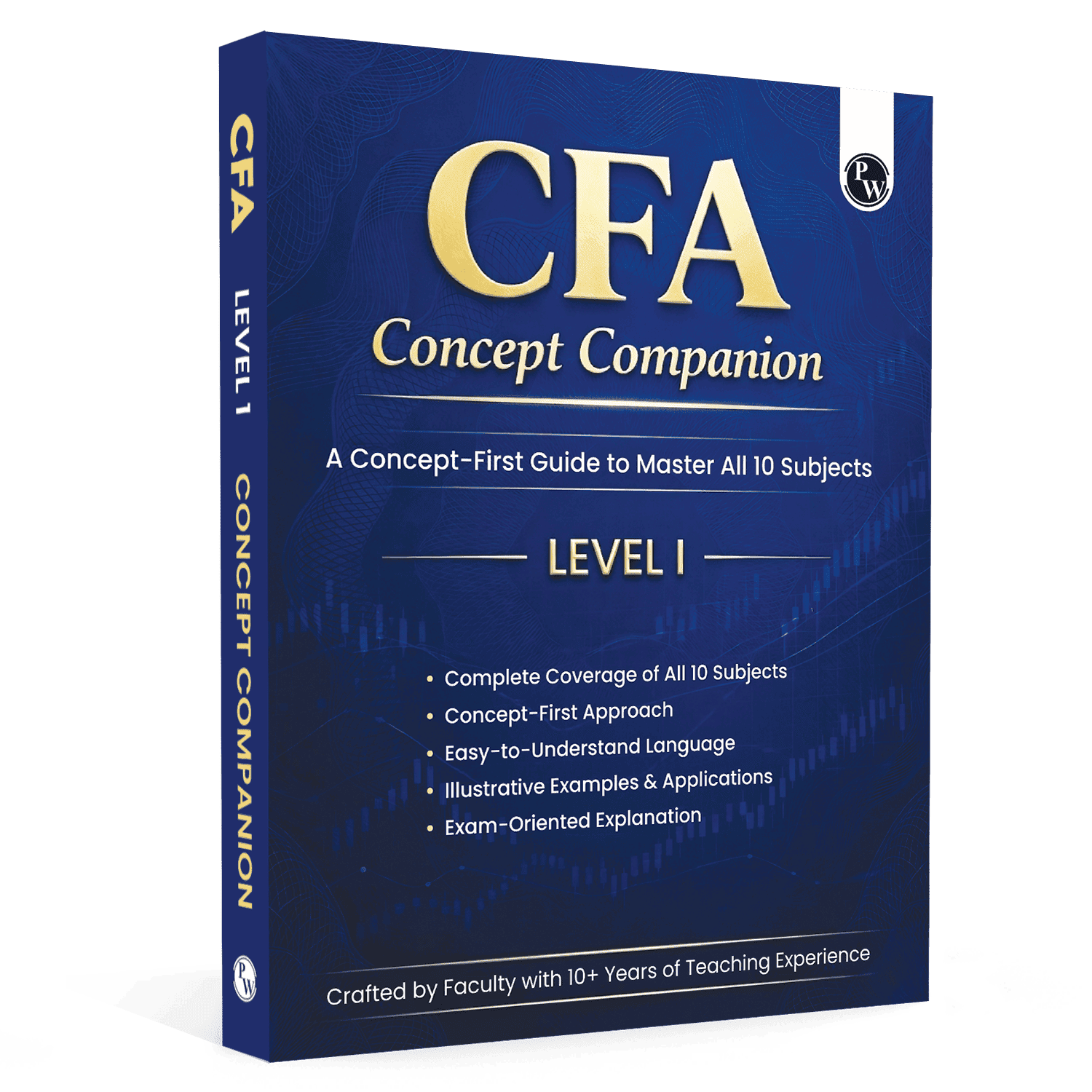
Historically, a candidate may be in a safe zone if he gets around 117 to 126 questions accurate out of the entire 180. To maintain the validity of the findings, candidates are also required to complete a necessary Practical Skills Module in addition to the main test. Strategic CFA preparation books with emphasis on high weight themes like Ethics and Financial Statement Analysis are the difference between failure and success.
How to Plan Study Time Using the CFA Level 1 Exam Pattern
Understanding the exam structure becomes more useful when you connect it with a practical study schedule. The best books for CFA level 1 can help candidates divide the syllabus into manageable sections and decide how much time to spend on each topic. Rather than reading every chapter at the same pace, start by identifying subjects that require more practice and revision.
Create weekly targets that include theory reading, practice questions, revision, and mock tests. For example, candidates can dedicate weekdays to learning concepts from their books and use weekends to solve topic-wise questions and review mistakes. This keeps preparation material balanced instead of relying only on passive reading.
As the exam date approaches, gradually reduce the time spent learning new topics and increase the focus on revision and timed practice. Keep a record of completed chapters and pending topics so that the final weeks can be planned more efficiently.
How to Practise Questions Based on the CFA Level 1 Exam Pattern
Reading concepts is only one part of preparation. Candidates also need regular question practice to understand whether they can apply formulas, financial concepts, and calculations correctly. Choosing books that include chapter-wise practice questions can make this process easier.
After completing a topic, solve questions without referring to the solution immediately. Mark questions that were incorrect, took too long, or required a guess. Revisit the related concept before attempting similar questions again. This method helps candidates identify whether a mistake happened because of weak conceptual understanding, calculation errors, or difficulty interpreting the question.
During revision, focus on marked questions and frequently tested concepts instead of repeatedly reading entire chapters. A separate collection of formulas, definitions, and difficult concepts can also be maintained for quick review before mock tests.
Read More - CFA Level 1 Syllabus
How to Use Mock Tests for the CFA Level 1 Exam Pattern
Mock tests help candidates understand how well they can manage the actual exam structure, but the quality of the CFA level 1 study material used alongside them also matters. CFA Level 1 books with full-length practice tests can help candidates become familiar with completing a large number of questions within a fixed time.
Before attempting a mock test, revise the relevant concepts and formulas. Take the test under timed conditions and avoid checking answers while solving. Afterward, analyse incorrect and unanswered questions carefully. Record the topics where accuracy was low and return to those chapters in your CFA books for beginners for targeted revision.
Candidates should also track their progress across multiple mock tests rather than focusing on one result. Comparing accuracy, completion time, and recurring mistakes can show which areas need more practice. This creates a clear revision cycle where mock-test analysis directly guides the next round of study.
FAQs
What is the structure of the CFA Level 1 exam pattern?
The cfa level 1 exam pattern consists of 180 multiple-choice questions split evenly into two sessions of 90 questions each, delivered via computer-based testing.
How long is the CFA level 1 exam duration?
The CFA level 1 exam duration is four hours and thirty minutes of active testing time, divided into two blocks of two hours and fifteen minutes each.
What is the total CFA level 1 number of questions?
The number of questions is 180, featuring multiple-choice items with three distinct choices (A, B, or C) and no negative marking.
What is the expected CFA level 1 passing score?
The passing score is not fixed, but historical data shows candidates generally need a score between 65% and 70%, which translates to about 117 to 126 correct answers.
How does the CFA level 1 marking scheme handle wrong answers?
The marking scheme features zero negative marking, meaning incorrect or blank responses do not deduct points from your overall score.