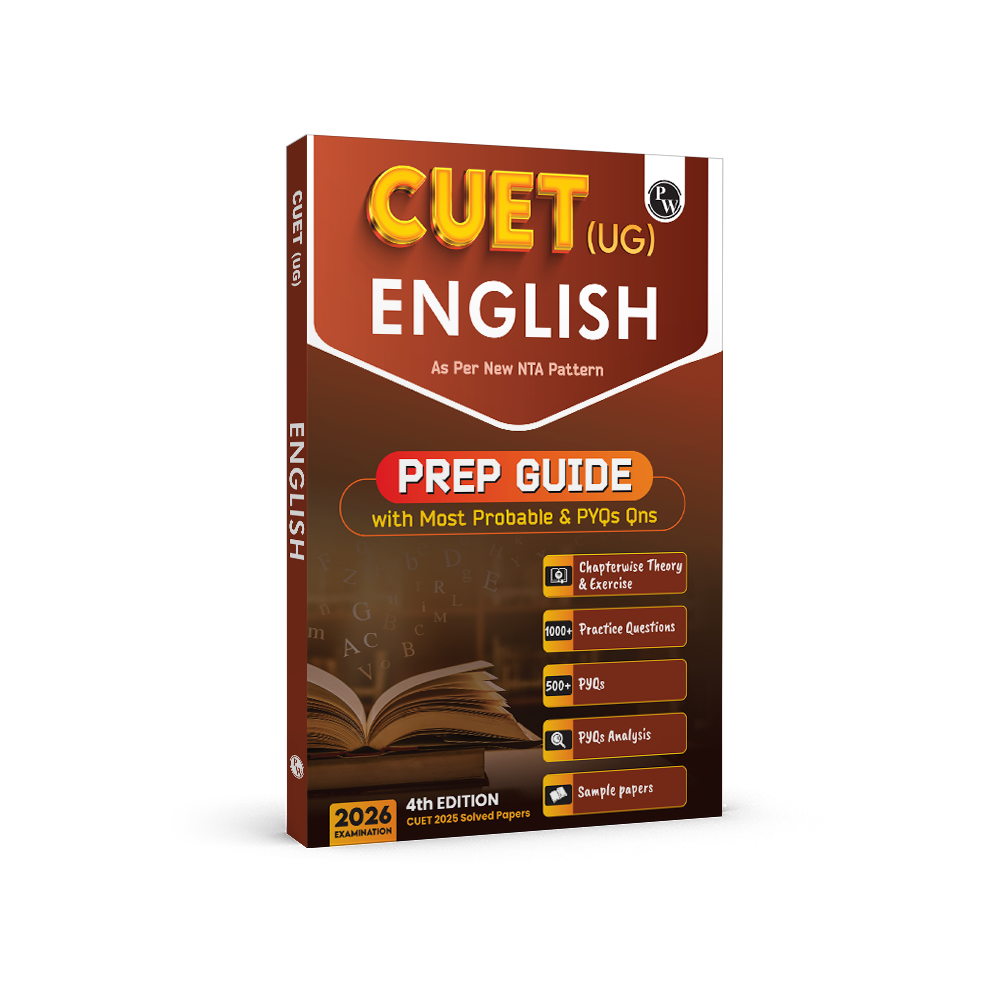
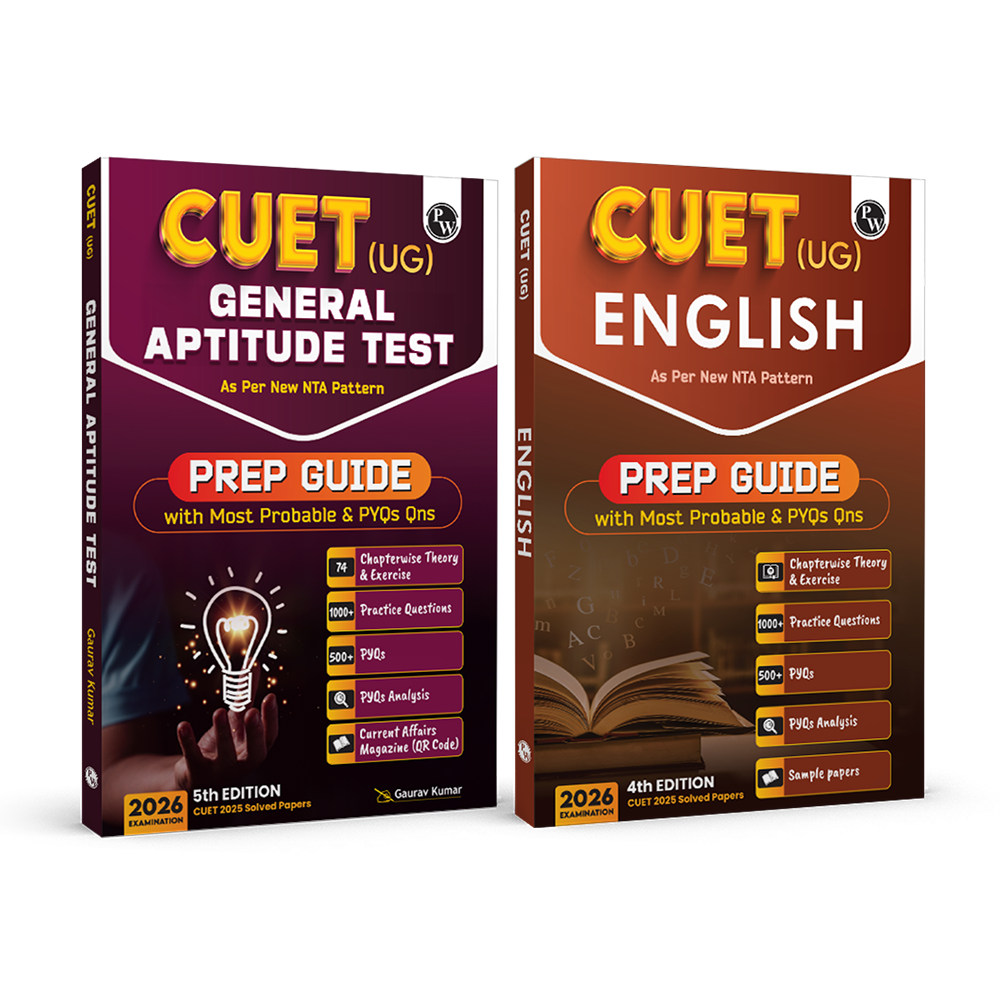
Is Question Bank Enough for CUET English Preparation?

Getting ready for the Common University Entrance Test (CUET) can seem tough, especially when it comes to the Language section. Many students ask if practising with a CUET English question bank is enough to get into top universities. The English section tests more than just reading skills; it checks your grammar, knowledge of literary devices, and reading comprehension, all within a limited time.
If you only practice questions, you might miss out on building a strong foundation. This article will show you how to use a question bank effectively and make sure your preparation covers everything you need for the upcoming academic session.
Check out: CUET Books
Overview of a CUET English Question Bank
A CUET English question bank helps you connect what you learn in theory to what you’ll face on exam day. It shows you the types of questions the National Testing Agency (NTA) often asks. The real trick is knowing how to use it well.
-
Pattern Familiarity: It introduces you to the MCQ format used in the entrance test.
-
Speed Building: Solving a high volume of questions improves your ability to process information quickly.
-
Error Identification: It highlights which topics, like Rearranging Sentences or Synonyms, are your weakest links.
Key Features of CUET English Question Bank
A CUET question bank is one of the most useful tools you can have, but it shouldn’t be your only one. It helps you sharpen the knowledge you’ve already learned. First, focus on building your concepts and vocabulary, then use the question bank to practice and improve your speed. By combining regular practice with sample papers and a clear understanding of concepts, you give yourself the best chance at a top score.
Also, not all resources are created equal. When selecting your CUET English question bank, ensure it aligns with the latest NTA syllabus and difficulty level.
|
Feature |
Importance |
|
Chapter-wise Breakdown |
High: Helps in focused study. |
|
Detailed Explanations |
Critical: Necessary for learning from mistakes. |
|
Updated Content |
High: Must reflect the 2025-2026 exam trends. |
|
Difficulty Levels |
Medium: Should range from easy to hard. |
Is the CUET English Question Bank Enough for Preparation
The simple answer is no. A CUET English question bank is very helpful, but it shouldn’t be your only study tool. If you come across a new question type or a tricky grammar rule, the question bank might give you the answer, but it often won’t explain why it’s correct.
-
Lack of Conceptual Depth: Questions test your application, but textbooks build your base.
-
Vocabulary Limitations: Vocabulary is vast; a question bank can only cover a fraction of potential words.
-
Contextual Understanding: Reading comprehension requires a habit of reading diverse texts, not just solving snippets.
Study Strategy with CUET English Question Bank
To achieve a 100th percentile, you need a hybrid strategy. Start by clearing your basics from standard grammar books, and then move to your CUET English important questions. This ensures that when you get a question wrong, you understand the underlying rule rather than just memorising the correct option.
Incorporating Sample Papers
Along with practising topic-wise questions, add CUET English sample papers to your weekly study plan. These papers let you experience the real exam setting, help you handle stress, and show how much you’re improving. They also give you a full picture of the 50 questions you’ll see, out of which you need to answer 40.
Using PDF Resources for Quick Revision
Many students prefer a CUET English question bank PDF for on-the-go revision. Digital resources are excellent for quick practice sessions during commutes or breaks. They allow you to access English questions whenever you have a spare moment, keeping your mind sharp and engaged with the subject matter.
Benefits of Using a CUET English Question Bank
Using a dedicated CUET English question bank offers structured practice that general English books might lack. Since the CUET syllabus is specific, having a targeted resource ensures you do not waste time on irrelevant topics.
Targeted Practice for Every Section
The English paper is divided into various segments, including Reading Comprehension, Verbal Ability, and Vocabulary. A good question bank categorises these, allowing you to focus on one area at a time. This systematic approach ensures that you cover the important questions that frequently appear in competitive exams.
Time Management and Efficiency
The CUET is a race against the clock. By repeatedly solving the question bank, you train your brain to spot keywords in long passages and eliminate incorrect options faster. This efficiency is what separates top scorers from average candidates.
How to Use CUET English Question Bank Effectively
By focusing on important CUET English questions, you can spend more time on topics that matter most. In the English section, Reading Comprehension and Synonyms/Antonyms usually have the highest marks.
-
Analyse Trends: Look at which themes repeat every year in the question bank.
-
Active Learning: Don't just tick boxes. Write down new words or idioms you find in the questions.
-
Repeat Solving: Solve the same set of difficult questions after a week to see if you have retained the logic.
Check Out: CUET Mock Test + PYQs
Mistakes to Avoid With CUET English Question Bank
Even after solving thousands of questions, many students don’t see results because they make some common mistakes.
-
Ignoring Explanations: Skipping the "solutions" section is the biggest mistake. Always read why an answer is correct.
-
Memorising Answers: NTA can change the wording slightly, making your memorised answer useless. Focus on the logic.
-
Lack of Consistency: Solving 100 questions in one day and none for the rest of the week is less effective than solving 20 questions daily.
Read More: CUET Weightage Chapter Wise 2026
CUET English Preparation FAQs
Q1: Is the CUET English question bank enough to cover the entire syllabus?
It covers the application of the syllabus, but you should use the NCERT or standard grammar books to understand the fundamental rules first.
Q2: How many questions should I practice daily for CUET English?
Aiming for 30 to 50 varied questions daily from a CUET English question bank is ideal for maintaining consistency and improving speed.
Q3: Does the question bank include reading comprehension passages?
Yes, a high-quality bank includes diverse passages like factual, literary, and narrative to match the NTA exam pattern.
Q4: Can I find previous year questions in a CUET question bank?
Most reputable banks incorporate previous year questions to help students understand the actual difficulty level of the exam.
Q5: Is it better to use a physical book or a PDF for practice?
While a physical book is great for deep study, a CUET English question bank PDF is excellent for quick, flexible practice sessions anywhere.