How JEE Crash Course Books Cover the Syllabus in 6 Weeks
Preparing for engineering entrance exams within a tight timeframe causes immense stress for students. Balancing vast topics in Physics, Chemistry, and Mathematics seems nearly impossible when you only have a few weeks left.
A structured JEE crash course resource provides the exact targeted approach required to streamline your preparation and build your confidence.
Overview of JEE Crash Course
A condensed exam-preparation format serves as a strategic saving grace for engineering aspirants. This targeted program systematically compacts the vast syllabus into highly focused study segments. It helps students navigate their final preparation phases without getting lost in lengthy theoretical explanations.
The primary objective is to deliver comprehensive and intensive review materials within a limited period. By focusing heavily on past trends and high-weightage topics, these resources ensure that your last-minute efforts translate directly into exam scores.
It establishes a clear, distraction-free path to navigate both foundational concepts and advanced problem-solving techniques.
How Does a JEE Crash Course Help Cover the Syllabus in 6 Weeks?
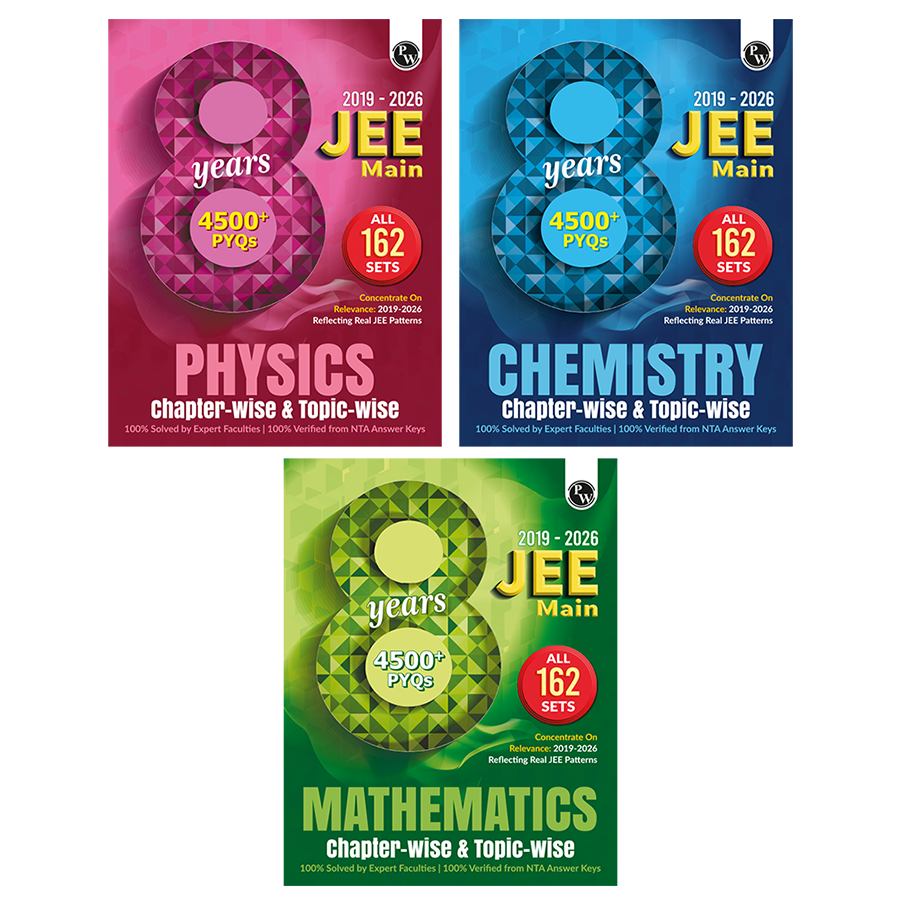
Syllabus coverage within six weeks relies heavily on highly targeted content curation. Standard prep materials focus on exhaustive theory, but specialized sprint resources strip away the fluff to present information in an ultra-concise manner. Along with the right JEE Books, this focused approach helps students revise efficiently and maintain consistency during the final preparation phase.
-
Focused and Concise Content: The books present crucial theories and core formulas directly, ensuring you grasp definitions without spending hours on lengthy textbook paragraphs.
-
Logical Structuring: Chapters are sequenced systematically so that topics build on top of each other naturally, saving precious hours of transition time.
-
Dual Difficulty Levels: Questions are explicitly categorized into Level 1 and Level 2 difficulty tiers to streamline how you build up your application skills.
-
Pattern Familiarity: Quality resources integrate matching questions, correct-incorrect statement MCQs, and past five years' actual exam questions to mirror the real testing environment.
What Topics are Included in JEE Crash Course Books?
To ensure maximum retention in minimum time, books designed for a JEE crash course focus sharply on high-yield thematic zones. Rather than treating every single topic with equal depth, they prioritize areas that historically carry the highest weightage in the exam.
1. Topic-Wise Segregation
The study material segregates complex concepts into distinct, manageable parts. This clear division allows you to check out specific areas where you need quick improvement, preventing information overload during highly stressful study weeks.
2. Formula and Mind Map Integration
Visual aids like mind maps organize vast segments of the syllabus into single-page architectures. Highly popular resources show how complete chapters for Class 11 and Class 12 can be mapped out cleanly to save your mental energy during quick morning revisions.
How JEE Crash Course Books Save Revision Time?
Time management is the deciding factor during the final month of preparation. Specialized prep books are engineered specifically to act as time-saving instruments through structural optimization.
|
Feature |
How It Saves Time |
|
Concise Theory Blueprints |
Eliminates secondary text to let you review entire chapters in under thirty minutes. |
|
Graded Question Sets |
Prevents you from wasting hours on irrelevant or repetitive problem types. |
|
Solved Examples |
Offers instant step-by-step methods so you do not get stuck on complex calculations. |
|
Verified Answer Keys |
Provides completely accurate solutions, saving you from searching online forums for correct answers. |
By condensing approximately 3200 highly relevant questions into a single study guide, these books remove the need to look through multiple massive reference guides right before the exam. Along with this, the JEE Mind Map Class 12th helps students revise important concepts quickly through visual summaries, making final-stage preparation more organized and efficient.
Study Plan with a JEE Crash Course
Succeeding in a limited timeframe requires an active, disciplined daily routine. Simply reading through pages passively will not yield results; you must execute a tactical plan every single day.
-
Understand the Structure: Review your book's table of contents to see how chapters are broken down into daily or weekly chunks.
-
Follow the Weekly Schedule: Dedicate specific blocks of days to finish assigned topics, and avoid falling behind your target deadlines.
-
Utilize Summary PDFs and Notes: Read through short notes to quickly recall formulas before moving directly to problem-solving sessions.
-
Practice Regularly: Work through the ample practice problems provided, paying close attention to multi-concept questions.
-
Analyze Weak Areas: Check your incorrect answers against the verified keys immediately to fix conceptual gaps on the spot.
Who Should Use a JEE Crash Course?
Not every student approaches a fast-track prep program from the same starting line. These books are multi-functional tools designed to benefit students at different stages of their academic journey. Resources such as the JEE Advanced PYQ Combo 2027 can further strengthen preparation through focused practice and exposure to previous exam patterns.
-
Students in Final Preparation Stages: Ideal for those who have finished their main syllabus and want to solidify their key concepts cleanly.
-
Aspirants Seeking Better Time Management: Perfect for learners who struggle to finish question papers within the official three-hour limit.
-
Candidates Needing Confidence Boosts: Helps nervous students build strong self-belief by tackling real past-year exam questions systematically.
-
Learners Balancing Multiple Exams: Assists individuals who need to divide their attention efficiently between board exams and competitive entrance tests.
Common Mistakes to Avoid While Preparing for the JEE Crash Course
Even the most well-designed book cannot help if your execution strategy is flawed. Avoiding common prep pitfalls ensures you extract the maximum utility from your rapid preparation materials.
-
Skipping Mock Tests: Avoid the mistake of only reading theory; simulating the actual exam format under strict time constraints is absolutely essential.
-
Ignoring the Syllabus Breakdown: Do not jump randomly between chapters; stick to the logical sequence provided in your book layout.
-
Hoarding Too Many Resources: Collecting multiple books leads to confusion; rely on one comprehensive sprint guide to maintain complete mental clarity.
-
Neglecting Past Year Questions: Failing to solve actual past papers keeps you in the dark about the true difficulty level of the examination.
Read More: JEE Syllabus 2026 And Exam Pattern
JEE Crash Course FAQs
1. What does a comprehensive JEE crash course study material contain?
A standard high-quality resource contains concise theory notes, formulas, graded practice questions (Level 1 and Level 2), matching MCQs, and past five years' solved exam papers.
2. Can I clear the engineering entrance exam by studying a crash course book for 6 weeks?
Yes, if you possess a basic understanding of the concepts, a crash course book helps streamline your revision, fixes your weak spots, and teaches vital time-management strategies.
3. How do mind maps help during fast-track preparation?
Mind maps condense entire chapters into structured visual layouts. This allows you to revise critical formulas and key connections in just a few minutes before mock tests.
4. Are solutions provided in these short-term prep books?
Yes, reliable sprint study materials include thoroughly checked answer keys and detailed step-by-step solutions to ensure clear doubt resolution.
5. How should I manage my time daily during a six-week sprint?
Divide your daily study hours into three parts: review concise theory notes first, spend the largest chunk solving graded practice problems, and reserve the final hour for reviewing mistakes.