How to Score 60+ Marks in JEE Advanced Maths with PYQ Book
Scoring 60+ marks in JEE Advanced Mathematics requires more than solving random questions. The key lies in understanding question patterns, identifying high-weightage topics, and practising authentic previous year questions.
A comprehensive JEE Advanced Maths PYQ Book can help you build conceptual clarity, improve accuracy, and develop the exam temperament needed for one of India's toughest entrance examinations.
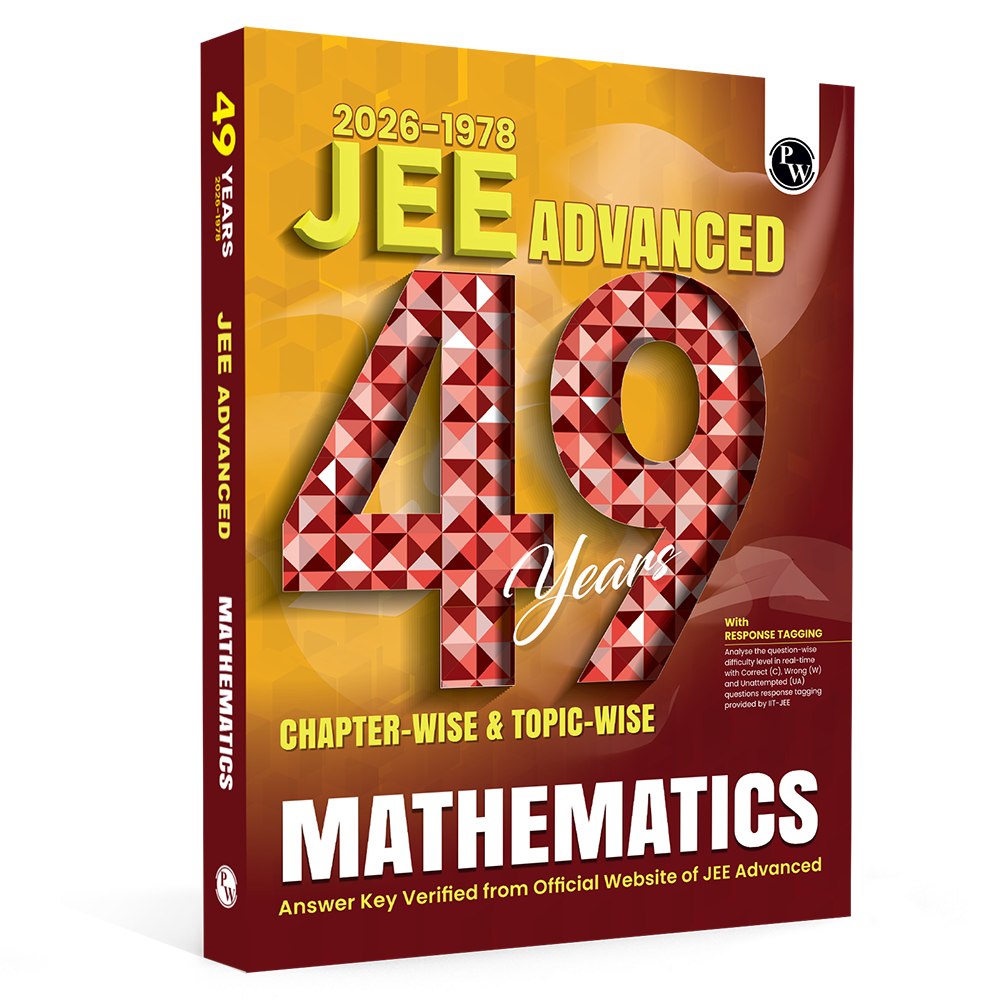
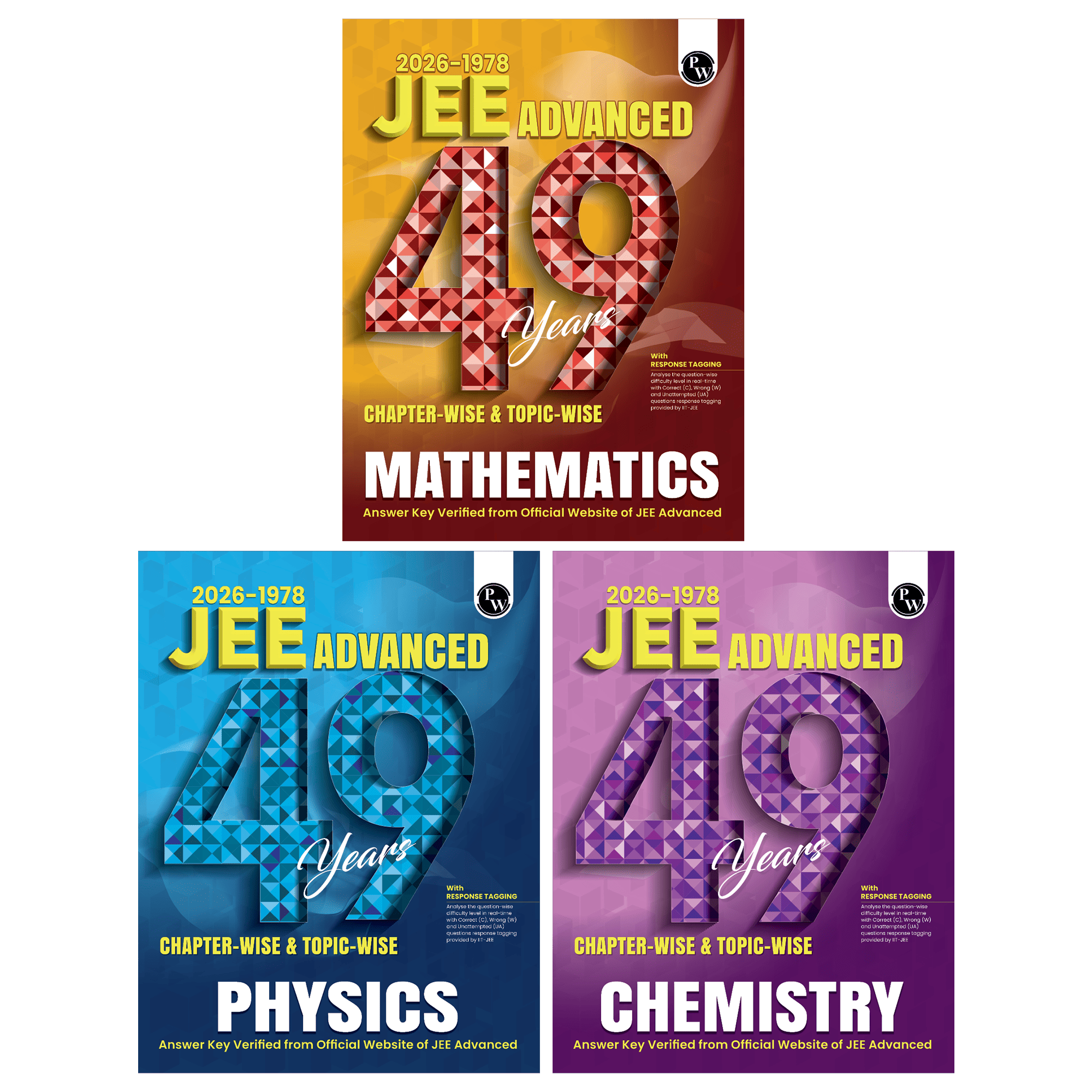
The PW 49 Years JEE Advanced Maths PYQ Book is designed to support this preparation by bringing together chapterwise and topicwise solved previous year questions (1978–2026), detailed solutions, trend analysis, and performance insights.
Why Should You Practise JEE Advanced Maths PYQs?
JEE Advanced Mathematics is known for testing conceptual understanding and analytical thinking. Solving previous year questions helps you:
-
Understand the level and pattern of JEE Advanced questions.
-
Identify frequently tested concepts and high-weightage chapters.
-
Improve speed and accuracy through repeated practice.
-
Learn how multiple concepts are combined in a single problem.
-
Build confidence before attempting full-length mock tests.
Instead of practising isolated questions, solving authentic PYQs gives you experience with the actual examination standard.
How to Score 60+ Marks in JEE Advanced Maths with the PW JEE Advanced Maths PYQ Book
Scoring 60+ marks in JEE Advanced Maths requires targeted practice, concept clarity, and a deep understanding of the exam pattern. The PW JEE Advanced Maths PYQ Book is designed to support this approach with chapterwise and topicwise previous year questions, detailed solutions, and trend-based insights for effective preparation.
49 Years of Authentic JEE Advanced PYQs (1978–2026)
The book includes 49 years of JEE Advanced Previous Year Questions, allowing you to practise a wide variety of problems asked across different examination years. This extensive question bank helps strengthen concepts while exposing you to multiple question styles.
Chapterwise and Topicwise Practice
Questions are organised chapterwise and topicwise, making it easier to complete one concept at a time.
This approach allows you to:
-
Finish individual chapters systematically.
-
Revise weak topics without searching through multiple papers.
-
Strengthen concepts before moving to mixed practice.
Detailed Step-by-Step Solutions
Each question comes with a detailed solution aligned with the official JEE Advanced answer keys. Instead of simply checking the correct answer, you can understand the complete solving approach, improve conceptual clarity, and avoid repeating common mistakes.
Learn from the Last 7 Years' Exam Trends
The book includes an in-depth analysis of the last seven years' JEE Advanced papers, helping you understand:
-
Subject-wise weightage
-
Difficulty level
-
Changing examination trends
-
Frequently tested concepts
This enables smarter preparation instead of relying only on guesswork.
Insights from the Last 14 JEE Advanced Papers
One unique feature of the book is its performance data from the last 14 JEE Advanced papers, covering:
-
Correct responses
-
Incorrect responses
-
Unattempted questions
-
Partially correct answers
These insights help students understand how the examination is attempted and develop better exam strategies for maximizing scores.
Focus on High-Weightage Chapters
The trend-based analysis highlights chapters and concepts that appear frequently in JEE Advanced. This allows aspirants to prioritise important topics while ensuring balanced preparation across the syllabus.
Useful for Revision and Self-Assessment
As the examination approaches, the book also works as a comprehensive revision resource. Students can quickly revisit important chapters, solve previous year questions again, and evaluate their preparation before attempting mock tests.
Tips to Score 60+ Marks in JEE Advanced Maths
While the JEE PYQ provides structured practice, students can maximise its benefits by following a disciplined approach:
-
Complete one chapter at a time before moving to mixed practice.
-
Solve questions without referring to the solution initially.
-
Analyse mistakes after every practice session.
-
Reattempt difficult questions during revision.
-
Use trend analysis to focus more on frequently tested concepts.
-
Combine PYQ practice with regular mock tests to improve time management.
Regular practice with authentic chapterwise JEE books, combined with mock tests and concept revision, can significantly improve your accuracy and confidence. The PW 49 Years JEE Advanced Maths PYQ Book provides a structured approach to mastering previous year questions, understanding exam trends, and preparing effectively for JEE Advanced.
Read More: How Much Score Is Good in JEE Advanced?
JEE Advanced Maths FAQs
-
Can I score 60+ marks in JEE Advanced Maths by practising only PYQs?
PYQs are one of the most effective resources for understanding the exam pattern and improving problem-solving skills. However, they should be complemented with strong conceptual preparation, regular revision, and mock tests for the best results.
-
Is the PW JEE Advanced Maths PYQ Book suitable for JEE Advanced 2027 and 2028 aspirants?
Yes, the book includes 49 years of JEE Advanced Previous Year Questions (1978–2026), making it a valuable practice resource for aspirants preparing for JEE Advanced 2027, 2028, and future attempts.
-
How are the questions organised in the PW JEE Advanced PYQ Book?
The questions are arranged chapterwise and topicwise, allowing students to focus on individual concepts, revise systematically, and practise according to their preparation plan.
-
How does the trend analysis help in JEE Advanced Maths preparation?
The book provides an analysis of the last seven years' JEE Advanced papers along with performance data from the last fourteen papers, enabling students to identify high-weightage topics, understand changing question trends, and prepare more strategically.