Why 49 Years JEE Advanced PYQ Is Essential After Clearing Mains
You have cleared the first hurdle, but the final boundary wall stands tall, requiring a complete shift in your academic strategy. The transition from speed-based multiple-choice papers to complex, multi-layered problem sets leaves many students feeling lost.
Using a trusted resource like a JEE Advanced PYQ compilation helps you bridge this gap by offering concrete data on historical exam trends.
Overview of JEE Advanced PYQ
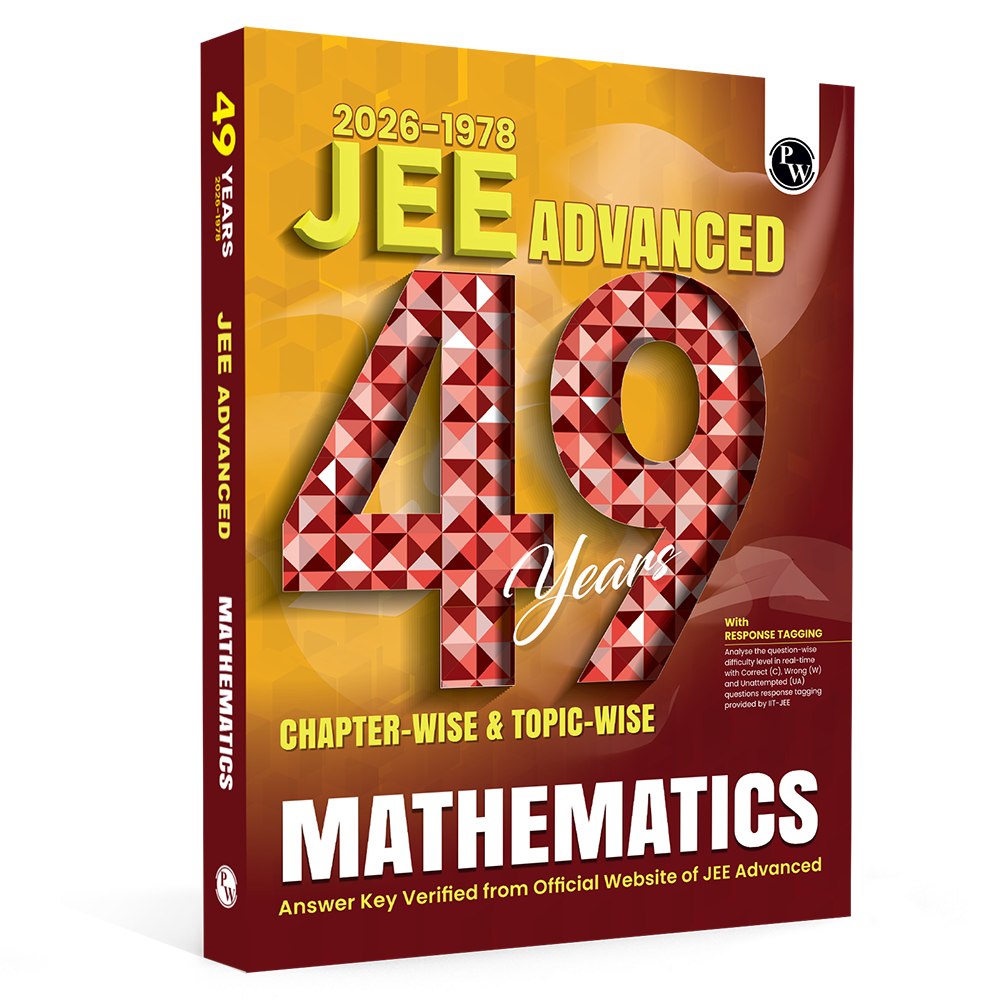
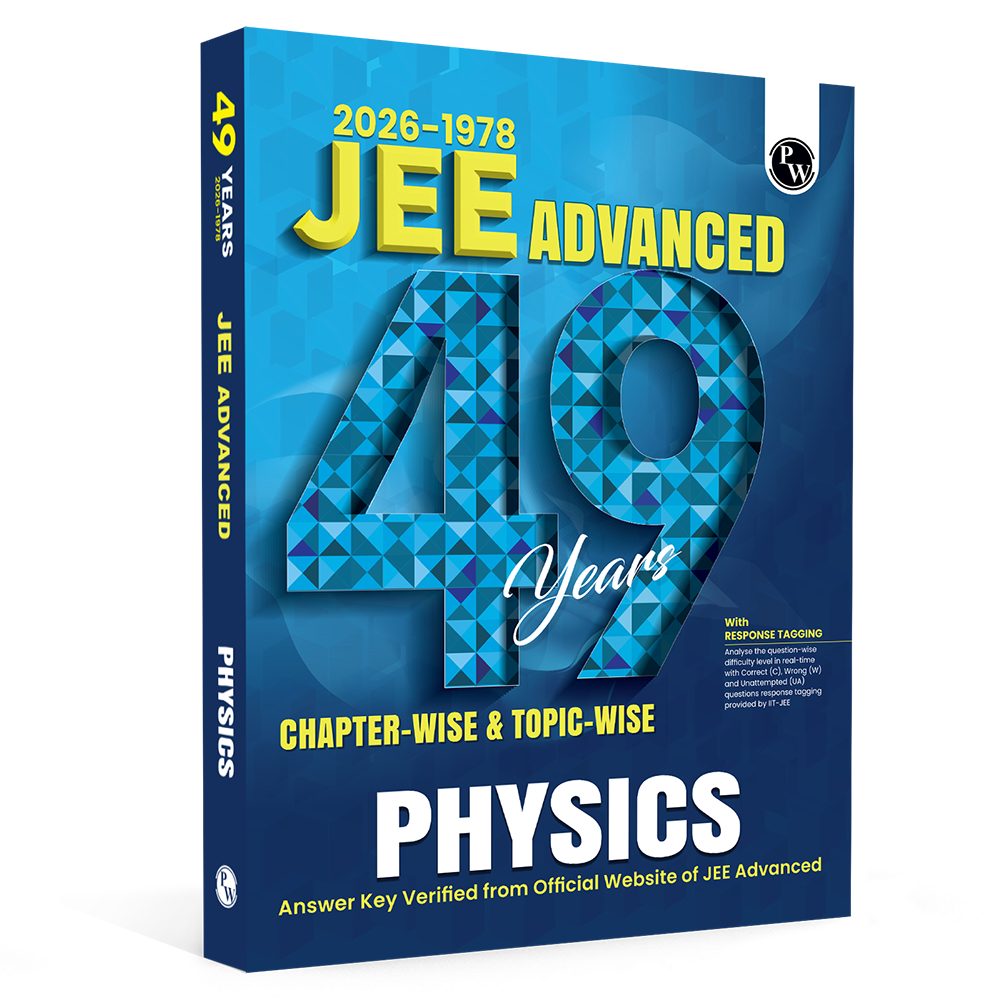
Achieving conceptual clarity requires comprehensive study tools that match the evolving standards of national engineering entrances. A multi-decade compilation of JEE Advanced PYQ materials provides a direct look into how examiners construct complex evaluation papers. This collection spans from 1978 to 2026, offering authentic papers across Physics, Chemistry, and Mathematics.
-
Extensive History: Covers 49 years of past tests from 1978 to 2026.
-
Topic Coverage: Includes every essential chapter in Physics, Chemistry, and Mathematics.
-
Organised Layout: Built using a strict chapterwise PYQs and topic-wise structure.
-
Expert Content: Created by highly experienced faculty members.
-
Verified Keys: Every answer key is fully mapped to the official evaluation portals.
Why Is JEE Advanced PYQ Important After JEE Main?
Transitioning from a speed-focused exam to a conceptual exam means changing how you evaluate your daily progress. The transition from JEE Mains to Advanced requires moving away from direct formula applications toward deeper structural logic. Working through a JEE Advanced PYQ suite ensures you do not waste precious preparation weeks on low-yield theories.
-
Deciphering Evolving Trends: Reviewing historical papers clarifies how question weightage shifts over time.
-
Analysing Performance Data: Reviewing the last 14 years provides deep insights into typical correct, incorrect, unattempted, and partially correct responses.
-
Targeted Concept Strengthening: Topic-wise practice shows you exactly where your theoretical application fails.
-
Eliminating Guesswork: Evidence-based practice prevents you from spending hours on irrelevant topics.
To strengthen your preparation further, practise regularly with JEE Previous Year Papers, which include authentic questions from both JEE Main and JEE Advanced. Consistent PYQ practice helps improve conceptual clarity, problem-solving skills, time management, and confidence for the examination.
How Does JEE Advanced PYQ Prepare You for Advanced-Level Questions?
The final engineering entrance does not test simple memorisation; it evaluates your capacity to connect multiple scientific ideas simultaneously. A standard JEE Advanced PYQ set trains your brain to break down unique structural problems systematically.
-
Trend-Based Learning for Smart Progress
Using a historical repository allows students to identify high-weightage chapters and frequently asked concepts. This structural tracking converts a mountain of past question papers into an actionable, evidence-driven game plan.
-
Multi-Concept Problem Solving
Advanced problems often combine coordinate geometry with calculus or mix physical chemistry with organic pathways. Solving these items ensures your conceptual foundation remains firm under pressure.
-
Strategic Test Rehearsals
The inclusion of original multi-session papers from recent evaluation cycles allows you to practice under authentic test conditions, helping your accuracy climb systematically.
How to Use JEE Advanced PYQ After JEE Main?
Simply reading through solutions will not improve your technical scores. You need an active methodology to extract real value from your JEE Advanced PYQ resource library.
-
Immediate Post-Topic Testing: Solve historical questions immediately after finishing your targeted JEE revision sessions.
-
Analyse the Last 8 Years: Conduct an in-depth analysis of the last 8 JEE previous years papers to understand subject-wise weightage and difficulty levels.
-
Review Expert Explanations: Use step-by-step solutions to correct your path instead of just checking the final answer.
-
Isolate Your Weak Zones: Use topic-wise tracking to highlight the specific areas where your formulas fail.
Study Strategy Plan with JEE Advanced PYQ
A structured study plan balances daily concept building with intensive time-bound question practice. The table below presents an effective weekly breakdown to help you manage your Advanced preparation hours efficiently.
|
Phase |
Weekly Focus Area |
Primary Resource Material |
Expected Learning Outcome |
|
Phase 1 |
Chapter-by-chapter concept strengthening |
chapterwise PYQs |
Finding gaps in fundamental theories |
|
Phase 2 |
Intensive subject-wise weightage practice |
Last 7 years' authentic papers |
Understanding modern difficulty trends |
|
Phase 3 |
Full-length strategic mock rehearsals |
Last 14 years' performance sets |
Improving speed, accuracy, and endurance |
Practice Plan for JEE Advanced PYQ
To track your progress across different chapters, maintain a structured tracking sheet. This practice sheet template keeps your revision organized.
-
Physics Tracking: Log your performance on multi-correct mechanics and thermodynamics questions.
-
Chemistry Log: Note your accuracy across integer-type physical chemistry problems and organic pathways.
-
Mathematics Register: Track your success rates on paragraph-based calculus and vectors problems.
-
Error Repository: Keep a dedicated list of every past item you solved incorrectly.
-
Time Matrix: Note down the exact minutes spent solving complex multi-concept questions.
Students can complement their previous year paper practice with JEE Books that offer detailed conceptual explanations, topic-wise exercises, and exam-oriented practice. This combination helps reinforce learning, improve accuracy, and build confidence for the JEE examination.
Common Mistakes to Avoid While Solving JEE Advanced PYQ
Many candidates fail to reach their target scores because they use historical testing materials incorrectly during their final revision months.
-
Rushing to Read Solutions: Looking at the answers too early stops you from developing true problem-solving endurance.
-
Ignoring the Changing Exam Patterns: Forgetting to check the last 7 years' papers leaves you unprepared for modern formatting changes.
-
Skipping Step-by-Step Analysis: Ignoring step-by-step solutions prevents you from finding hidden conceptual errors.
-
Failing to Track Time: Practising without a stopwatch makes it harder to manage your time effectively during the actual exam.
-
Treating PYQs as Passive Reading: Reading questions like a textbook instead of solving them actively ruins their diagnostic value.
Read More: How Much Score Is Good in JEE Advanced?
JEE Advanced PYQ FAQs
How do 49 years of JEE Advanced PYQs help in understanding the real test layout?
A multi-decade collection provides a comprehensive repository of JEE Advanced previous year questions, helping you identify recurring question types and structural changes over time.
Why is the chapter-wise layout useful for Advanced preparation?
Organising questions by chapter lets you test concepts immediately after text revision, which helps you fix weak areas early before full-length tests begin.
How should I use step-by-step solutions during my JEE revision?
You should look at step-by-step solutions only after making multiple honest attempts to solve the problem, ensuring you learn the proper analytical method.