JEE Main 2027: What Should You Revise After a Low Mock Score?
Sitting in front of a test summary filled with incorrect answers or unattempted questions can leave you feeling completely stuck on where to direct your focus next. However, test results are not a final verdict on your potential; they simply serve as diagnostic tools pointing directly to existing gaps in knowledge or test-taking strategy.
To recover quickly and bounce back stronger, you must approach your performance with a calm, analytical mindset. Using JEE Books alongside test analysis can help you revise weak concepts and strengthen your understanding.
Understanding JEE Main 2027 precisely how to break down your results allows you to transform every single mistake into a clear, actionable revision plan.
Overview of JEE Main 2027 Mock Test Analysis
A JEE main mock test mirrors the actual exam conducted by the National Testing Agency (NTA) twice a year in January and April. Paper 1 (B.E./B.Tech) covers Mathematics, Physics, and Chemistry, featuring 25 questions per subject across a 3-hour duration. Conducting a thorough JEE main mock test analysis is the single most critical step following any online computer-based test.
Analyzing your performance helps you evaluate accuracy, time management, and problem-solving skills across all subjects. Rather than focusing solely on the final total score, examine the underlying reasons behind lost marks:
-
Conceptual Gaps: Questions missed due to fundamental misunderstandings of theory.
-
Calculation Errors: Careless mathematical mistakes in multi-step solutions.
-
Time Constraints: Unattempted problems caused by poor pacing during the 3-hour exam.
-
Question Selection: Spending excessive time on complex questions instead of securing easier marks.
How to Find Weak Chapters After a Low JEE Main 2027 Mock Score
Identifying weak areas requires systematic tracking rather than relying on general impressions. Experiencing a low JEE main mock score usually stems from specific chapters rather than your whole preparation.
To locate problematic chapters:
-
Categorise Errors by Subject: Group missed questions under Physics, Chemistry, and Mathematics.
-
Tag Problem Types: Mark whether errors stem from conceptual confusion, formula memory lapses, or execution slips.
-
Log Topic Frequencies: Identify chapters where marks are consistently lost across multiple tests.
-
Evaluate Accuracy Rates: Calculate the ratio of correct answers to total attempted questions for each chapter.
By isolating individual topics and referring to JEE Previous Year Papers, you can prevent unnecessary re-reading of concepts you have already mastered and direct your energy where it is needed most.
Which Topics Should You Revise First for JEE Main 2027
Prioritising revision ensures maximum score recovery within limited study hours. Focus on building strong fundamentals across subjects through a structured approach:
Subject-Wise Revision Focus
-
Physics: Focus heavily on core concept clarity and numerical practice. Ensure you understand the application of formulas before attempting complex problems.
-
Chemistry: Strengthen NCERT basics, chemical reactions, and fundamental definitions, as NCERT forms the core foundation for Chemistry.
-
Mathematics: Practice solved examples and practice problems regularly to build problem-solving speed and numerical accuracy.
Prioritisation Framework
|
Priority Level |
Topic Condition |
Revision Action |
Target Outcome |
|
High Priority |
High-weightage topics with frequent errors |
Review basic theory and solve step-by-step examples |
Eliminate major mark leaks |
|
Medium Priority |
Correct concepts with slow solving speed |
Practice chapter-wise previous year questions (PYQs) |
Improve speed and accuracy |
|
Low Priority |
Consistently correct, high-accuracy topics |
Periodic formula review and quick practice |
Maintain test readiness |
How to Review Wrong and Unattempted Questions for JEE Main 2027
To fix JEE main mock test mistakes, you must conduct a step-by-step post-test review:
-
Re-solve Unassisted: Attempt every incorrect and unattempted question again without looking at the solutions to test true comprehension.
-
Study Solved Examples: If you remain stuck, review step-by-step solved examples to understand correct concept applications.
-
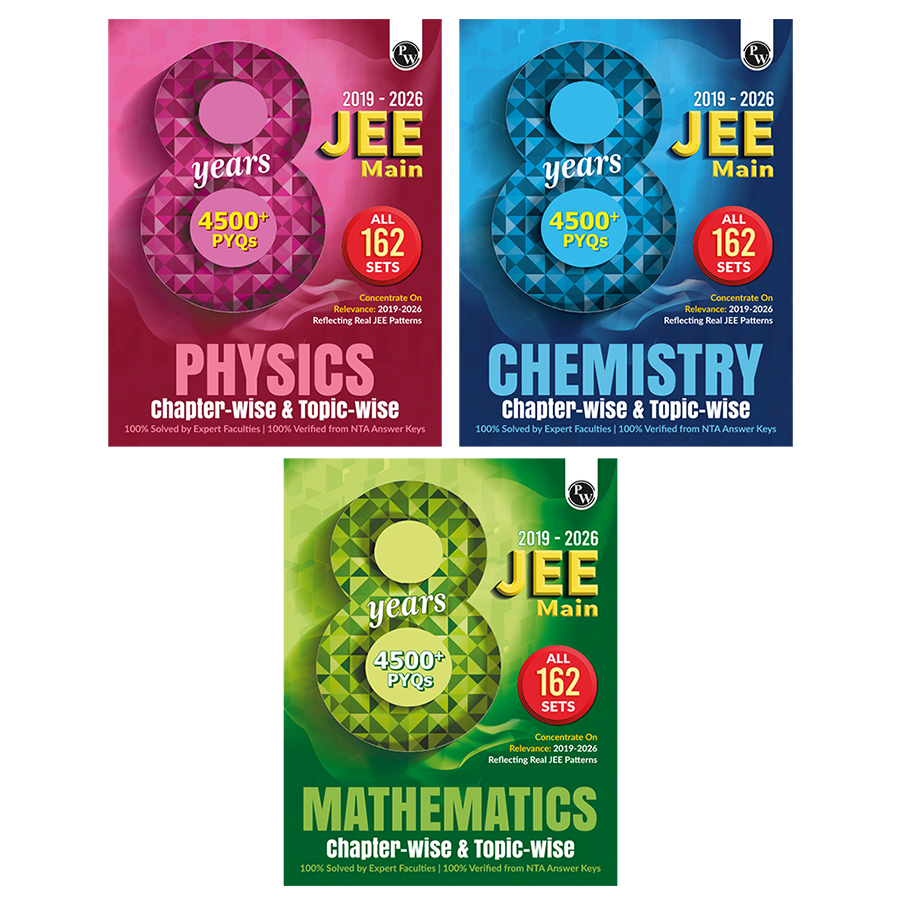
Analyze PYQs: Check chapter-wise Previous Year Questions (including 8 years of JEE Main PYQs and 49 years of JEE Advanced PYQs) to recognize repeat question patterns and difficulty levels.
-
Maintain an Error Log: Record every mistake, the correct method, and the underlying concept in a dedicated notebook for easy daily review.
Study Strategy for Improving Your JEE Main 2027 Mock Performance
Developing a structured JEE main revision strategy relies on consistency, clear planning, and effective resource management. A well-organized daily routine prevents burnout and supports steady score improvement.
-
Create a Daily Schedule: Divide study hours across all three subjects (Physics, Chemistry, and Mathematics) every day.
-
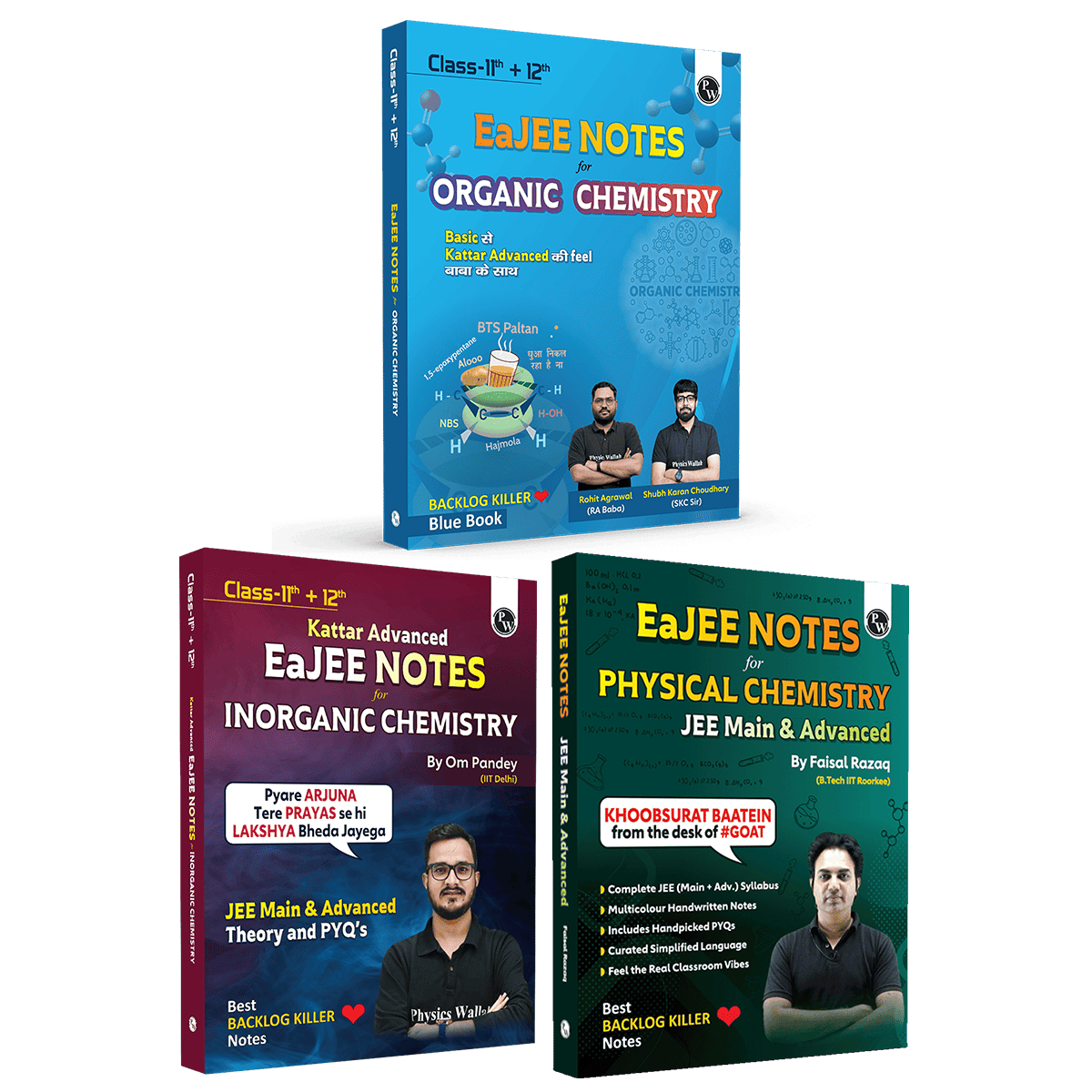
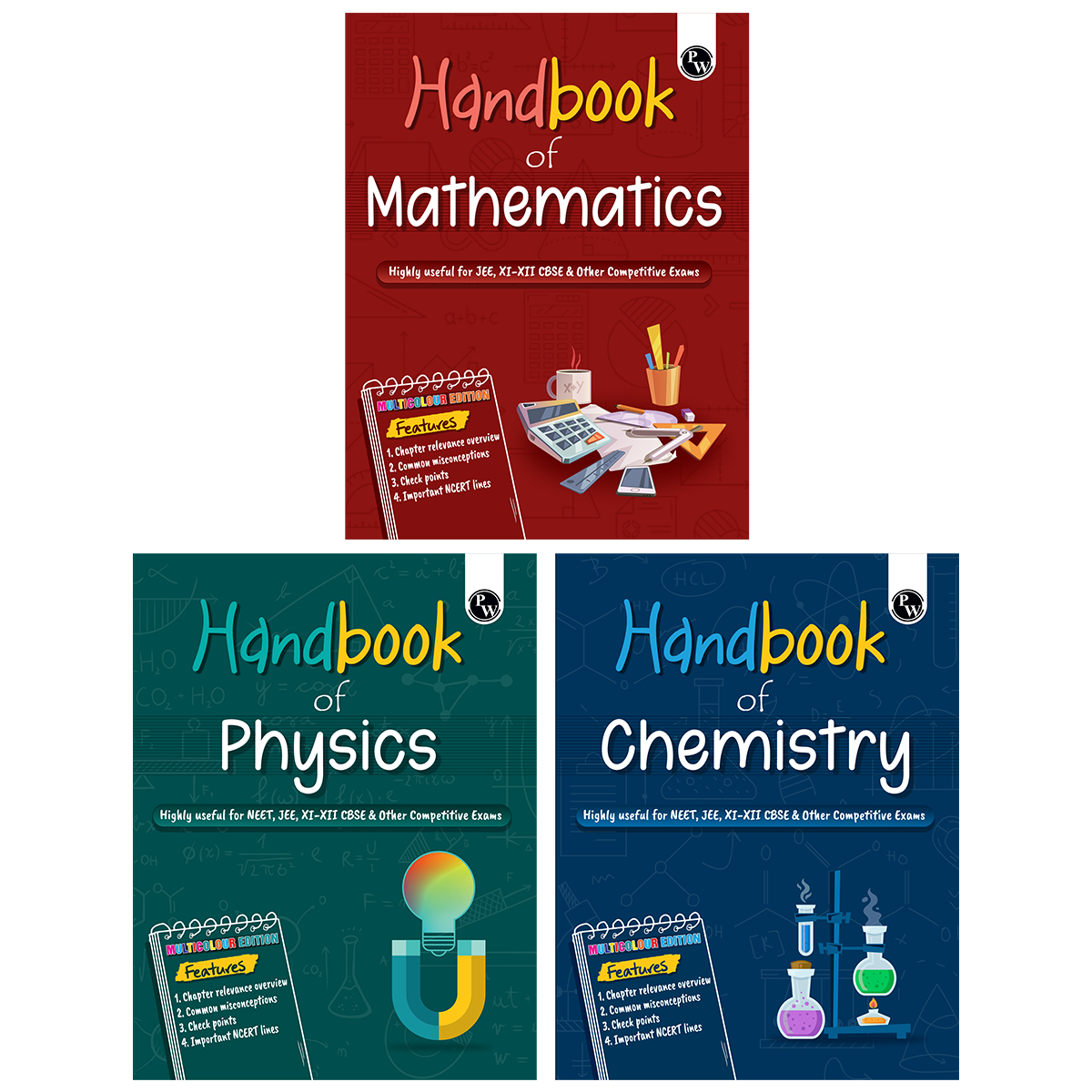
Use Quality Study Material: Stick to structured reference books with clear explanations, chapter-wise practice questions, and updated exam syllabus coverage.
-
Avoid Resource Overload: Limit your study sources to trusted reference materials and NCERT to maintain clarity.
-
Integrate PYQ Practice: Solve authentic chapter-wise and topic-wise previous year questions routinely to adapt to exam trends.
Tips to Revise Effectively After a Low JEE Main 2027 Mock Score
A balanced JEE main preparation plan requires smart study habits that enhance memory retention without adding fatigue:
-
Focus on Short Concept Reviews: Read concise concept-building notes rather than re-reading entire textbooks line by line.
-
Practice Active Recall: Write down key formulas, reaction mechanisms, and mathematical derivations from memory before checking references.
-
Solve Timed Problem Sets: Practice topic-wise questions under time restrictions to mirror actual online exam pressure.
-
Maintain Balance: Allocate dedicated time to strengthen weak areas while consistently practicing strong topics to preserve momentum.
Common Mistakes to Avoid After a Low JEE Main 2027 Mock Score
When dealing with disappointing results, students often fall into reactive habits that hinder long-term progress. Steer clear of these common pitfalls:
-
Ignoring Mock Analysis: Moving directly to new topics without analyzing why marks were lost in the previous test.
-
Over-collecting Books: Buying excessive study materials instead of mastering core books and NCERT basics.
-
Neglecting Weak Topics: Avoiding difficult chapters out of frustration instead of addressing concept gaps directly.
-
Inconsistent Testing: Stopping practice tests entirely due to fear of low scores, which hampers exam endurance and pacing.
Read More: JEE Syllabus and Exam Pattern
JEE Main FAQs
How often should I take a mock test for JEE Main 2027?
Taking a full-length mock test every 1 to 2 weeks allows sufficient time to revise weak topics and complete detailed post-test analysis before the next exam.
Is NCERT alone enough to score well in JEE Main?
NCERT is essential for building core concepts, especially in Chemistry, but additional practice books and previous year papers are necessary for Physics and Mathematics.
How should I analyze unattempted questions after a test?
Re-solve unattempted questions without looking at solutions first, then review step-by-step solved examples and chapter-wise PYQs to understand the underlying methods.
What is the best way to improve solving speed in Mathematics?
Improve speed by practicing structured, chapter-wise problems regularly, studying solved step-by-step examples, and taking timed topic-wise quizzes.
Should I change my study books if my mock score is low?
No, switching resources creates confusion. Stick to trusted reference materials with clear explanations and focus on practicing chapter-wise PYQs thoroughly.