JEE Main Books for Class 12 Students: Preparation & Revision
Students face a lot of pressure from national engineering entrances and board examinations of the senior secondary level. The most crucial single step in simplifying your path is finding the correct pool of resources. Choosing the right JEE Main books for class 12 decides if your hours of study are converted in the form of high percentile marks or hours of utter confusion.
How to Choose JEE Main Books for Class 12
Getting into heavy duty problem sets without a good roadmap usually just leads to fatigue. JEE Main books for Class 12 are targeted texts that high-achieving applicants use to bridge school-level board curriculum with competitive application logic. Test material needs to be aligned with the ever-changing patterns of computer-based testing, as every subject needs a different strategy.
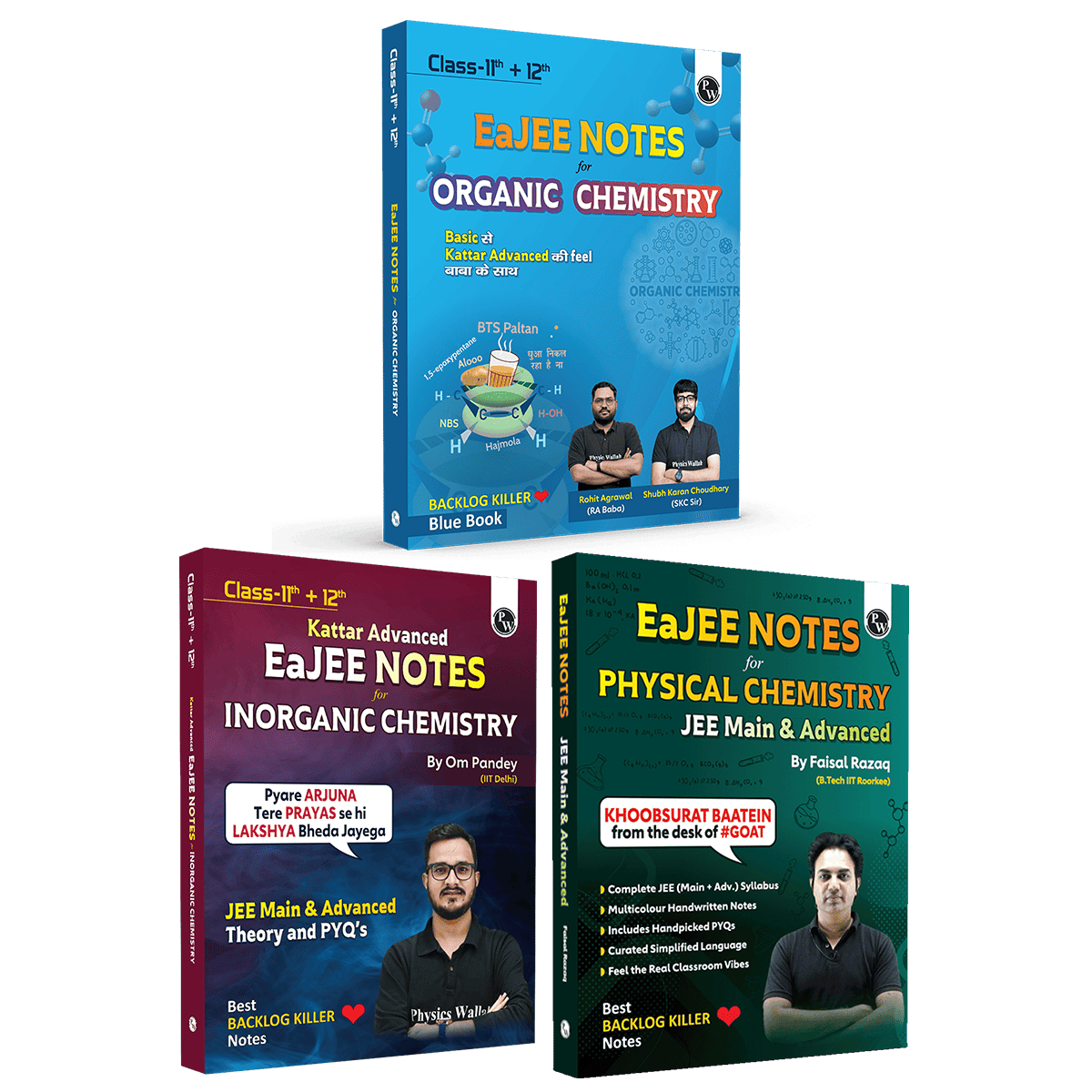
Physics needs thorough visualization of phenomena, from electrodynamics to current physics. When choosing the right JEE Main books, make sure they easily move from fundamental formula application to multi-concept numerical problems. The comprehensive modules assist students in decoding complex diagrams and establish powerful analytical capabilities. Chemistry is divided into the fields of physical, organic and inorganic and each field calls for a different approach. Inorganic chemistry is all about mastering the basic literature. Physical chemistry requires a lot of experience in calculations. Specialized resource sets provide complete coverage of name reactions, mechanisms, and numerical shortcuts.
The engineering paper mathematics part for class 12 has a major focus on calculus and algebra. Regular practice from organized problem banks allows applicants to identify the recurring patterns of questions. The right texts break down complicated integrations and differential equations into simple, digestible chunks.
Students should also check whether a book matches their current preparation level before adding it to their study plan. A beginner-friendly resource can help with concept building, while a practice-heavy book may be more useful after the basics are clear. It is also important to compare the chapter sequence with the current JEE Main syllabus so that no unnecessary topics take up valuable preparation time. Books with clear explanations, solved examples, chapter-wise exercises, and JEE previous year questions can make self-study easier. Instead of choosing a large number of books, students can select a small set that covers learning, practice, and revision requirements. This approach leaves enough time for mock tests and regular revision.
|
Subject Area |
Focus Area |
Recommended Approach |
|
Physics |
Electrodynamics & Modern Physics |
Multi-concept numerical practice |
|
Chemistry |
Organic, Inorganic, & Physical |
Balancing reactions with calculations |
|
Mathematics |
Calculus & Algebra |
Pattern recognition & speed drills |
Right JEE Main Books for Class 12 Study Material
An effective preparation plan is based on structured learning modules. Rather than collecting a multitude of individual titles, a curated group of comprehensive titles avoids information overload. Materials should cover all chapters as defined by testing authorities without any essential gaps. Find resources that provide workouts categorized as beginner, intermediate and advanced. Detailed explanation replies enable students to independently remedy faults during self-study sessions.
Targeted JEE Main Class 12 preparation depends heavily on how cleanly your study material is structured topic-wise. Having well-explained solved examples gives aspirants a clear template for tackling tricky numerical questions under time constraints. Sticking to a single trusted publication ecosystem yields far better retention than jumping across conflicting authors. Ensure your chosen JEE Main study material aligns directly with the latest updates to the exam pattern. Quality always triumphs over quantity when building an effective library for engineering entrance exams.
A good study module should also make it easy to track progress. Students can divide each chapter into three steps: understanding the concept, solving practice questions, and revising mistakes. This prevents passive reading and encourages active learning. Chapter-wise tests can be especially useful after completing a topic because they show whether the concepts can be applied without looking at solved examples. Students should also keep difficult questions marked for later revision instead of repeatedly spending time on them in the same session. If a particular resource feels too difficult at the beginning, it can be used after completing the basic theory from NCERT or another simpler source. This creates a gradual learning path and makes the preparation process more manageable during Class 12.
How JEE Main PYQ Books Help with Revision
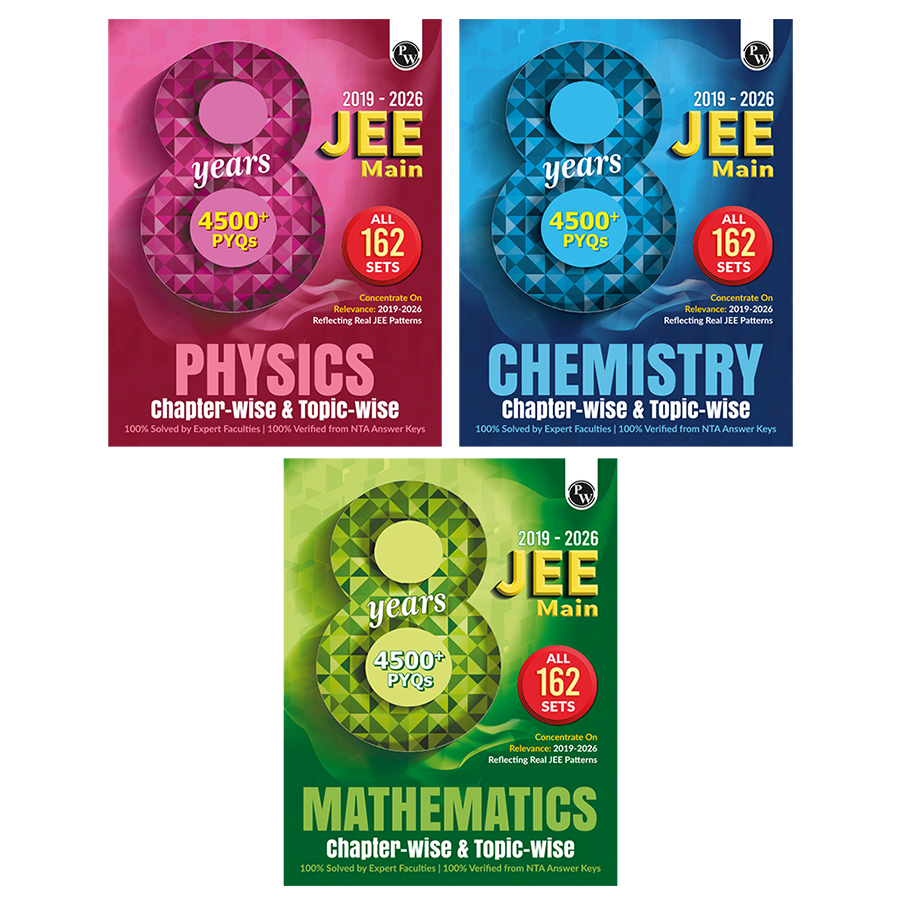
As the examination date is coming near it is important to start focusing on the practice papers. PYQ books provide a feel of real exam patterns and save you from test day anxiety. Past papers show you the chapters that carry significant weightage and need special focus in the last few weeks of revision. Training past sets in a tight three hour span trains your mind for peak performance. Reviewing past mistakes is a way to avoid analytical blunders in the hall major.
Integrating structured JEE Main revision books alongside chapter-wise solved papers solidifies concepts. Utilizing compact handbooks containing formulas and quick notes speeds up final revision cycles significantly. Many aspirants make the mistake of collecting too many reference volumes, which causes confusion and fragmented preparation. Keeping your resource pool minimal allows you to master core concepts thoroughly rather than skimming the surface of many books.
PYQs are also helpful to grasp alternative ways of presenting familiar information. After solving a question, students should not only mark the correct answer but also analyze why they selected the wrong option or took a lot of time to arrive at the solution. A small error record might help you see patterns of mistakes in formulas, calculations, concepts, or in the understanding of an issue. Students can revisit these questions during revision and solve them again without looking at the preceding solution. Also solving JEE Main PYQs chapter wise before going for entire papers is helpful. Once most of the chapters have been revised, one can try to do whole papers under exam conditions. This combination helps to bridge chapter-level study with the actual test experience.
JEE Main PYQ FAQs
1. Which books are right for JEE Main books for class 12?
Dedicated modules like the Lakshya series, combined with NCERT textbooks and structured previous year question banks, provide complete coverage for both board exams and national-level engineering tests.
2. How many JEE Main books for Class 12 should I study simultaneously?
Keep your resource pool minimal. Stick to one core study module per subject along with standard PYQ compendiums to avoid clutter and maintain clear focus.
3. Are NCERT textbooks enough for JEE Main Class 12 preparation?
NCERT books build foundational clarity, especially for chemistry and physics theory. However, cracking competitive exams requires supplementary practice books to master application-level numerical problems.
4. Why are JEE Main revision books important in the final months?
Revision books and formula handbooks condense large volumes of syllabus data into easily digestible formats, allowing quick recall and efficient practice right before the exam.
5. How do JEE Main PYQ books help improve scores?
Solving past years archives reveals the actual pattern of questions, highlights high-weightage topics, and trains your brain to handle time pressure effectively during the computer-based test.