What JEE Test Series Books are Available and Which is Right for Your Target

Are you currently in the middle of your midterm academic session and feeling overwhelmed by the vast syllabus of the Joint Entrance Examination? Many students study for hours but struggle to convert their knowledge into high marks during mock assessments because they lack a real exam simulation.
Evaluating your knowledge with a structured JEE test series book is the ultimate way to bridge this gap, identify weak areas, and manage your time effectively before the final exam.
Importance of JEE Test Series
Surviving the intense competition of engineering entrance tests requires more than memorising theories. Regular evaluation under timed conditions trains your mind to handle stress and think analytically.
-
Realistic Exam Simulation: Practicing with a dedicated JEE test series helps you experience the actual exam environment. Dealing with real pressure conditions keeps you calm and focused, reducing last-minute panic during the final test.
-
Accurate Self-Assessment: Mock evaluation clarifies where you stand. Detailed analytics from these evaluations help pinpoint your exact strengths and weaknesses, allowing you to prioritise urgent topics for revision.
-
Time Management Skills: The strict time constraints of the real entrance exam can be highly intimidating. Timed practice sessions improve your overall speed and accuracy across every single subject section.
-
Minimising Guesswork: Randomly guessing answers can completely ruin your rank due to negative marking. Regular practice teaches you to approach objective and integer questions logically, reducing reckless errors.
-
Active Recall and Retention: Solving full-length papers forces you to actively retrieve learned concepts from memory. This method is significantly more powerful for long-term retention than passively highlighting text papers.
What Does a JEE Test Series Usually Include?
A well-structured practice compilation ensures that an aspirant does not face any unexpected surprises on the official examination day. Understanding the components of a mock program helps you align your midterm study schedule accordingly. Along with a JEE Advanced Test Series, students can simulate real exam conditions, improve question-selection strategy, and strengthen accuracy and time management before the final attempt.
1. Comprehensive Paper Coverage
An authentic evaluation compilation must offer an adequate number of problems. A balanced set should include a mix of 20 to 30 full-length sample papers covering the entire syllabus, alongside distinct theme-specific tests for targeted practice.
2. Actual Exam Formats
The questions inside premium practice books are carefully curated to mimic the precise structure dictated by the National Testing Agency (NTA).
|
Component |
Standard Format Details |
|
Total Question Count |
75 Questions total per paper (since 2020 layout revisions) |
|
Subject Split |
25 Questions allocated equally for Physics, Chemistry, and Mathematics |
|
Question Categories |
20 Multiple-Choice Questions (MCQs) and 5 Integer-Based questions per subject |
|
Extended Practice Set |
Advanced mock variations include 90 additional MCQs for deep topic drills |
3. Thorough Performance Indicators
High-quality offline books provide access to performance tracking indicators. These metrics allow you to track your scores over several months, run rank comparisons, and review topic-wise performance breakdowns to fine-tune your approach.
4. Explanatory Answer Guides
Clear and concise analytical breakdowns for every single question are absolutely vital. The inclusion of multiple alternative problem-solving methods broadens your conceptual understanding, while step-by-step video solutions clarify trickier questions.
What Types of JEE Test Series Are Available?
Selecting the correct format of prep books depends heavily on your current phase of preparation. Different book editions cater to specific milestones in an engineering aspirant's journey.
-
Full-Syllabus Rankers Compilations: These reference materials contain complete mock layouts designed as per the latest NTA notification.
-
Hindi Medium Editions: Language should never be a barrier to securing a top engineering seat. Dedicated Hindi translated mock books ensure that students studying in vernacular media get identical practice.
-
Previous Year Solved Sets: Compilations containing the past 10 years of solved question documents are excellent for tracking evolving exam trends. They teach you the exact weightage of different topics and the level of difficulty expected.
-
Digital and Physical Hybrid Bundles: Modern editions come with physical paper textbooks paired with online digital access portals. This allows you to practice on a physical desk or simulate computer-based environments to overcome testing anxiety. You can see these hybrid combo variations.
How to Choose the Right JEE Test Series for Your Target
Investing in random practice materials without verification will only waste your valuable midterm revision days. Use these guidelines to select the right book for your goals:
-
Target Alignment
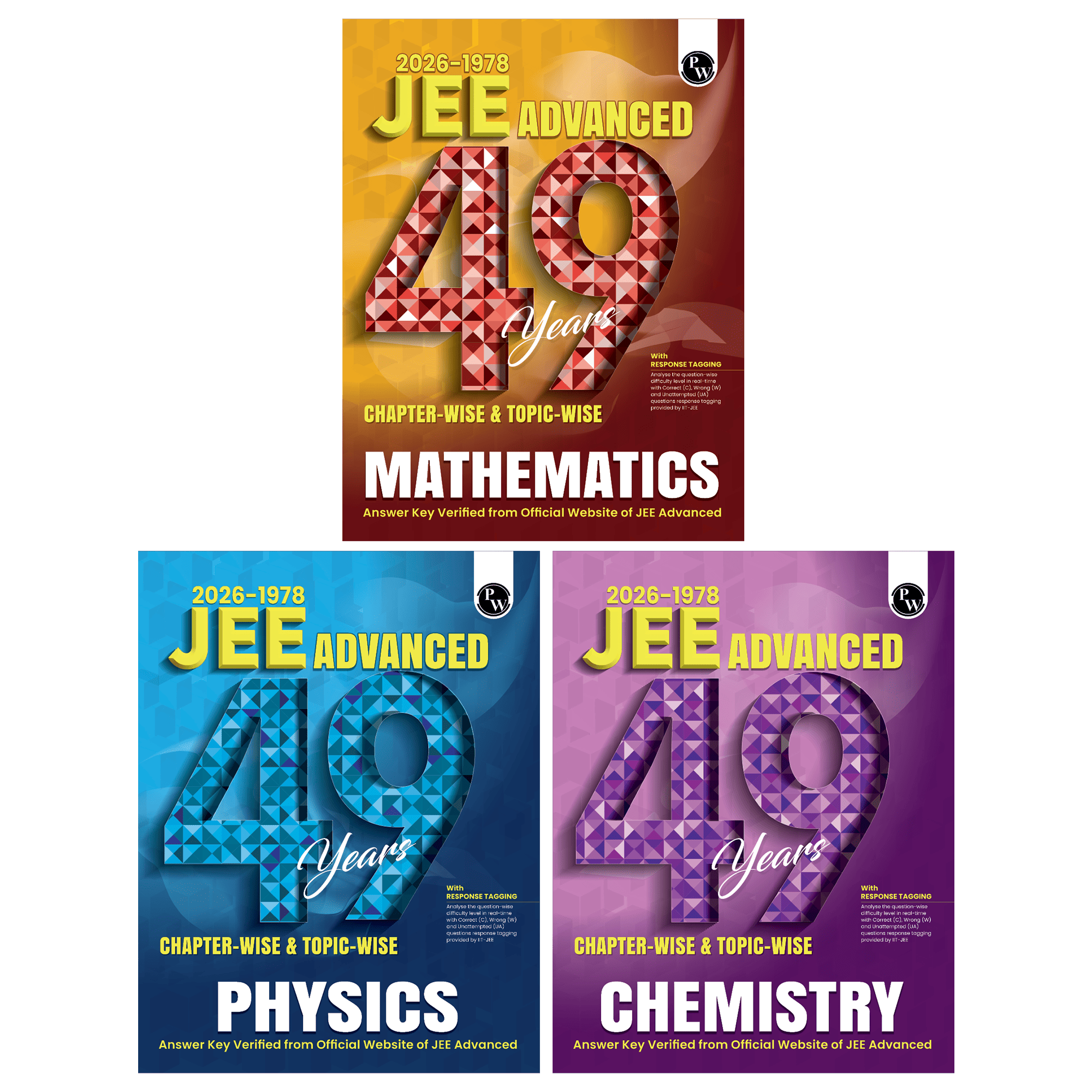
If your primary immediate milestone is cleared via the initial cut-off, pick a dedicated JEE mains test series compilation that strictly focuses on high-speed accuracy across predictable conceptual patterns. However, if your ultimate goal is an IIT seat, you need a specialised JEE Advanced test series book. Advanced series books present highly challenging multi-concept problems that test your deep analytical limits.
-
Question Difficulty Check
The difficulty level of your practice book must mirror the unpredictability of the actual engineering exam. Ensure the material contains a healthy mix of moderate and complex analytical questions. Avoid books that feature overly simple questions that give you a false sense of security, or overly complex questions that destroy your confidence.
-
Quality of Solutions
Never buy a practice paper book that only provides an answer key with final options. Choose books that offer exhaustive explanatory breakdowns, alternative shortcut methods, and conceptual notes for incorrect attempts.
Study Strategy Plan for JEE Test Series
Simply solving mock papers blindly will not automatically boost your rank. You need a highly systematic workflow to extract maximum value from every practice paper you sit for.
-
Replicate the Exam Environment: Set up a quiet, distraction-free study space at home. Place a strict countdown timer next to your desk and avoid looking at formulas or hint sheets while taking the test.
-
Maintain a Consistent Schedule: Integrate your mock practice into your midterm weekly calendar. Attempt at least one full test every single week to build your stamina and maintain your momentum.
-
Perform a Deep Post-Test Analysis: Spend double the time analysing your performance after completing a test. Do not just check your final score. Categorise every single mistake into conceptual gaps, silly calculation errors, or poor time tracking.
-
Maintain a Personal Error Journal: Note down every tricky problem or unique shortcut you discover during mock reviews. Revisit this custom journal every Sunday before starting a fresh paper to avoid repeating the same errors.
-
Balance Practice with Revision: Do not allow your mock practice to replace your standard revision. Use your weak areas from the tests to guide your daily revision sessions, referencing textbook notes and question banks to reinforce your core concepts.
When Should You Start a JEE Test Series?
Timing your mock integration is vital for saving your midterm preparation from crumbling under stress. Along with JEE Previous Year Papers, mock tests help students understand exam trends and apply concepts under timed conditions.
-
The Midterm Phase: The ideal time to start using a structured mock layout is right after your initial foundational preparation phase, typically during the 11th and 12th standards.
-
The Early Stage: Do not wait until the entire syllabus is finished to touch a practice paper. If you are midway through your syllabus, start with a JEE mock test chapter wise book. This helps you lock down specific individual topics immediately after learning them in class.
-
The Final Stretch: Once you cover about 70 percent of your syllabus, shift completely to a full-length JEE Mains mock test series. This transition will build your stamina for sitting through long three-hour exams and help you master cross-topic problem-solving before the final exam date.
Common Mistakes Students Make With a JEE Test Series
Below are some of the common mistakes that you should avoid while using the JEE test series:
-
Failing to Track Long-Term Progress: Sticking your evaluated question sheets into a drawer without tracking your scores is a waste of time. Maintain a simple progress chart to monitor your scores across weeks and verify that your line of progress is moving upward.
-
Skipping the Post-Test Error Review: Many students solve an entire paper, check their raw score, and quickly move on to the next model set. Skipping a deep review of your incorrect and unattempted questions leaves your conceptual gaps completely unaddressed.
-
Relying Exclusively on Practice Papers: A practice paper set is meant to evaluate your knowledge, not replace your core textbooks. Always balance your schedule by resolving problems from standard reference books and old papers.
-
Hoarding Multiple Practice Books: Buying four or five different mock series sets simultaneously leads to unnecessary clutter and anxiety. Pick one highly comprehensive compilation, commit to it entirely, and complete it systematically from cover to cover.
Read More: JEE Advanced Previous Year Question Papers with Solutions
JEE Test Series Book FAQs
Q1. How many full-length papers should a standard JEE test series book include?
A reliable book compilation should provide at least 20 to 30 full-length sample papers alongside distinct part-syllabus mock sets to ensure ample practice.
Q2. Can I start a full JEE Mains mock test if my midterm syllabus is incomplete?
Yes, you can start early by using a dedicated JEE mock test chapter wise book to master individual topics before moving on to full-length papers.
Q3. What is the standard question structure for a modern NTA layout?
The layout features 75 total questions across Physics, Chemistry, and Mathematics. Each subject contains 20 Multiple-Choice Questions and 5 Integer-Based questions.
Q4. How does a regular JEE Advanced test series book help an aspirant?
An advanced series book exposes you to complex, multi-concept problems. This exposure reduces testing anxiety and trains your mind to stay calm under intense pressure.
Q5. What should I do if my mock evaluation scores are stagnant?
Perform a deep post-test analysis to pinpoint your exact conceptual gaps. Review your step-by-step explanatory solutions and revise your weak areas before attempting your next test.