When to Buy Which JEE Book — A Year-by-Year Purchase Calendar

Selecting your engineering preparation materials at the wrong time leads to high stress and financial waste. Many students buy massive reference piles too early, creating unnecessary mental pressure.
This article provides a structured, month-by-month purchase timeline for JEE books across your entire preparation cycle. By spreading out your resource collection, you ensure that you buy your core theory, intensive practice problem sets, and final assessment resources exactly when you need them.
Importance of Buying JEE Books
Preparing for engineering entrance exams requires using specific materials at highly targeted stages of your academic journey. Buying everything in a single day wastes money because book editions change, and your individual academic needs will evolve over time.
The master schedule below shows the ideal times to purchase different resources over your two-year preparation window:
|
Academic Phase |
Best Purchase Window |
Material Type |
Primary Purpose |
|
Class 11: Term 1 |
April to May |
Essential Theory and Solved Guides |
Learning basic engineering concepts |
|
Class 11: Term 2 |
October to November |
Topic-Wise Numerical Workbooks |
Building calculation speed and depth |
|
Class 12: Term 1 |
March to April |
Combined Year Textbooks |
Mastering advanced board and entrance topics |
|
Class 12: Term 2 |
September to October |
Chapter-Wise Past Test Papers |
Learning exact trends and weightage |
|
Final Assessment Phase |
November to December |
Full Mock Papers and Formula Booklets |
Improving exam-day time management |
When to Buy JEE Books for Class 11?
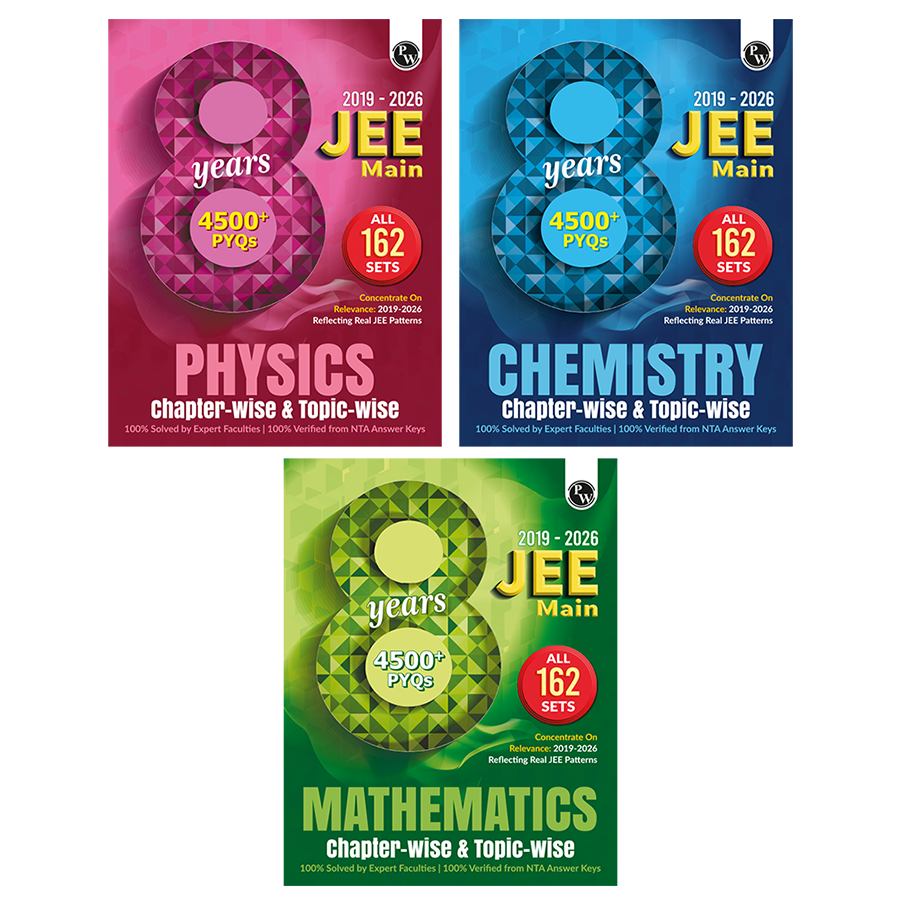
Moving from Class 10 to higher secondary classes introduces a much larger syllabus and harder concepts. Your early resource selections must focus on absolute clarity rather than complex shortcut tricks. Along with JEE Mains PYQ practice, students can strengthen concept application, understand exam patterns early, and build confidence while gradually adapting to competitive-level questions.
Phase 1: The Start of the Session (April–May)
Your initial objective is adjusting to the dense material in physics, chemistry, and mathematics.
-
What to purchase: Focus on detailed, concept-heavy textbooks that offer clear step-by-step explanations and plenty of solved baseline problems.
-
Why it matters: Securing these specific JEE books for class 11 right at the start prevents you from falling behind on foundational topics like vectors, basic chemical mole concepts, and coordinate geometry.
Phase 2: Mid-Session Strengthening (October–November)
By the middle of the first academic year, you will have completed around half of your syllabus and gained confidence in the basics.
-
What to purchase: Buy dedicated practice workbooks packed with daily application problems and multi-concept questions.
-
Why it matters: This phase requires shifting from passive reading to active, timed problem-solving. Having these resources ready in October helps you prepare for school exams while expanding your competitive edge.
When to Buy JEE Books for Class 12?
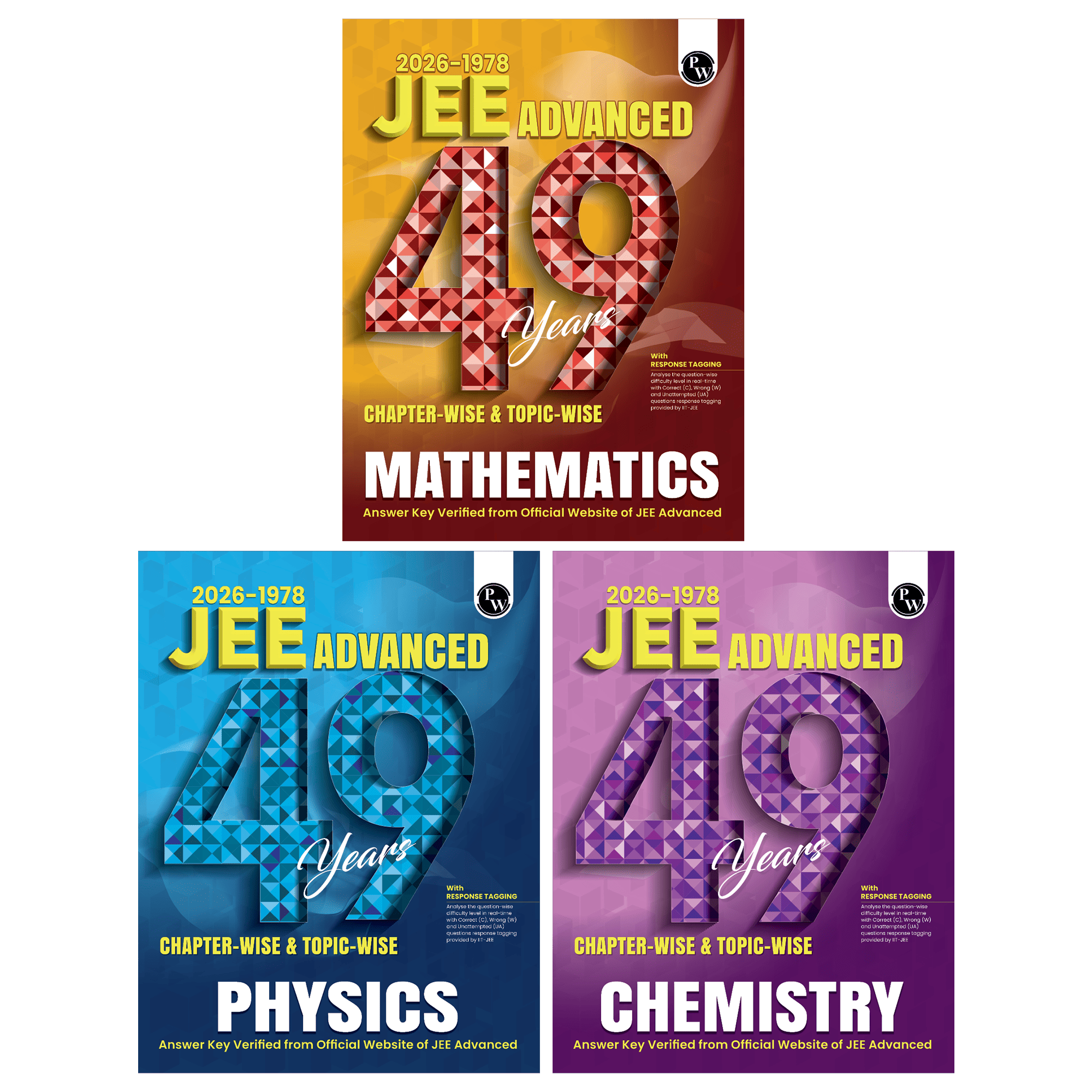
When you enter the last year of your school, you are under double pressure. You have to do well in your school board exams, and you need to take your competitive preparation to the highest level. Your calendar has to adapt to handle this dual responsibility smoothly. Practicing with JEE Advanced previous year questions and following a structured preparation approach can help students balance board preparation with competitive exam readiness more effectively.
Phase 1: Pre-Session Transition (March–April)
Before your final school year begins, you must gather your main reference resources for the senior secondary syllabus.
-
What to purchase: Look for comprehensive, unified JEE books for class 11 and 12 alongside dedicated individual volumes for organic chemistry mechanisms and calculus.
-
Why it matters: Senior secondary topics carry immense weight in the final ranking. Getting these books in March allows you to preview the curriculum early and avoid a mid-year rush.
Phase 2: The Critical Mid-Year Turn (September–October)
As you reach the final quarters of the year, your study focus must shift entirely toward decoding the actual structure of the national exam.
-
What to purchase: Invest in deeply analytical past exam compilations, focusing on specialized books for JEE mains that organize past papers by specific sub-topics and individual chapters.
-
Why it matters: By October, your syllabus should be nearly complete. Working through authentic past papers helps you see high-yield trends, locate your remaining weaknesses, and master the formal tone of the exam questions.
How to Do Revision and Mock Test with JEE Books?
The final months before the exam are for sharpening test strategies, increasing calculation speed, and fixing minor knowledge gaps. Avoid buying heavy new theory volumes during this timeframe. Instead, focus on revision, mock analysis, and regular practice through a JEE Test Series to improve time management, identify weak areas, and build confidence for the actual exam..
The Winter Revision Windows (November–December)
This short window is all about streamlining your library and focusing exclusively on highly condensed learning tools.
-
What to purchase: Pick up targeted JEE preparation books that focus entirely on rapid revision notes, formula charts, and full-length simulated mock exams.
-
Why it matters: Trying to learn new concepts from large reference texts late in the year causes unnecessary panic. Short summary booklets and mock test series are built for quick reading, helping you scan your entire syllabus in a few hours.
Strategic Tips for Smart Resource Management
To keep your desk organized and your study budget efficient, follow these rules throughout your prep journey:
-
Do not buy in bulk: Avoid purchasing your entire two-year reading list all at once. Your individual strengths and weaknesses will change, requiring different types of books later on.
-
Choose quality solutions: Always select resources that offer fully explained, line-by-line solutions rather than simple answer keys. Knowing the steps behind a solution is vital for self-study.
-
Watch for pattern changes: Buy your mock papers late in the year to ensure they match the absolute latest official guidelines and weightage.
For curated options designed for each phase of this preparation calendar, reviewing an organized digital library like the official online store link will help you secure the exact materials needed for your specific score goals.
Read More - Why PW JEE Modules Are Helpful for Repeaters
IIT JEE Books FAQ
Can I use the same IIT JEE books for both the main and advanced stages?
Yes, most comprehensive core resources are designed to cover both stages seamlessly. They usually begin with foundational theories and basic questions before moving directly into highly complex, multi-step problems within the exact same chapter.
Is it a good idea to buy all my JEE books for class 11 at the start of April?
No, it is highly recommended to buy your resources in stages. Pick up your core concept guides and basic question keys in April, then purchase your advanced problem workbooks around October once you have mastered your basic foundations.
How helpful are past exam papers compared to general JEE preparation books?
Past papers are entirely necessary for success. General prep guides are excellent for building early confidence and raw problem-solving speed, but past papers show you the actual difficulty layout, true weightage trends, and precise language used in the real exam hall.
Should I buy separate textbooks for each year or look for combined volumes?
Combined volumes are excellent for the final revision phase because they allow you to connect related topics across both years instantly. However, for your initial day-to-day learning, separate volumes are much easier to study from and carry.
When is the best time to purchase full mock test papers and quick revision booklets?
The perfect time to buy mock papers and formula summaries is between November and December of your final school year. Purchasing them during this winter window ensures that your practice matches the most up-to-date exam patterns.