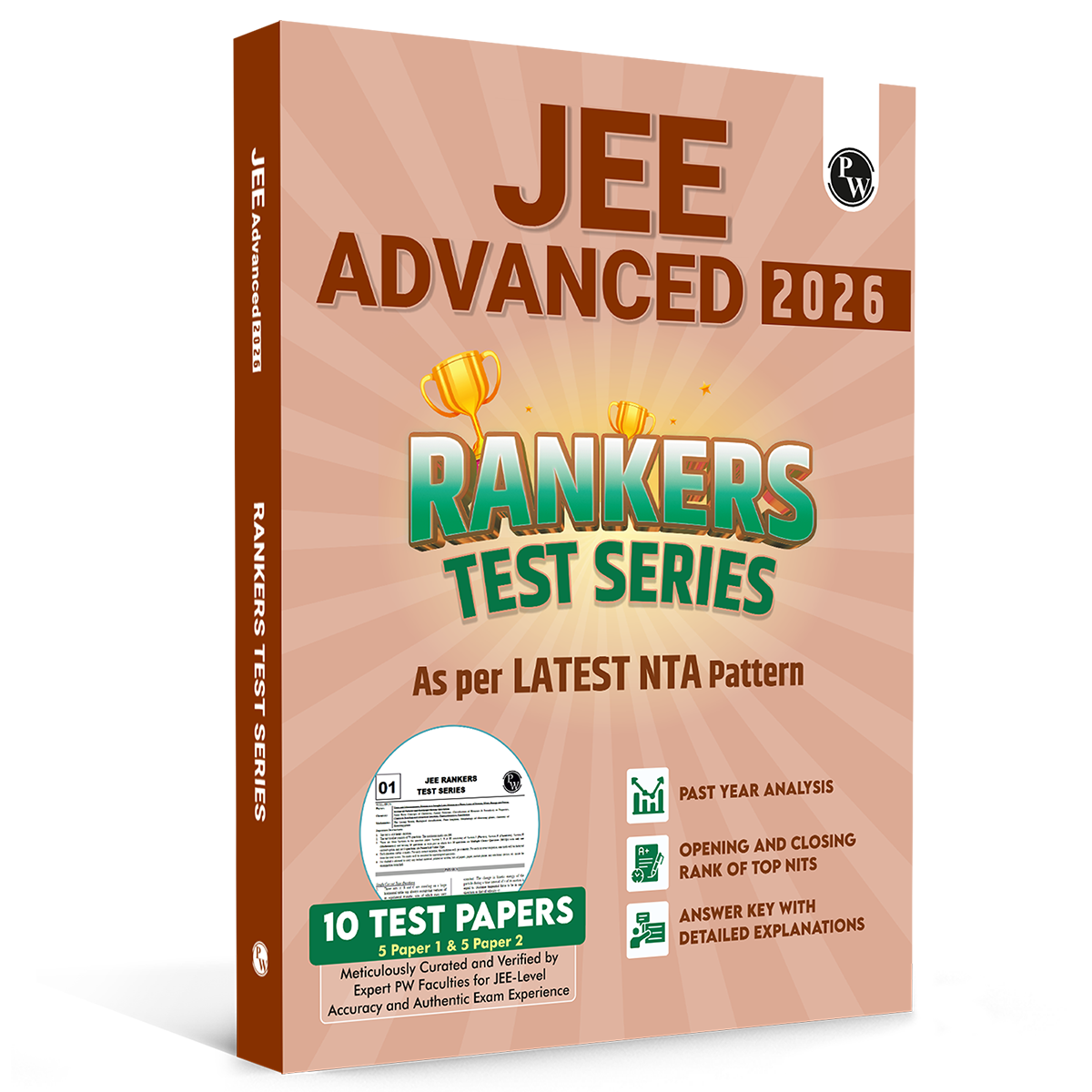
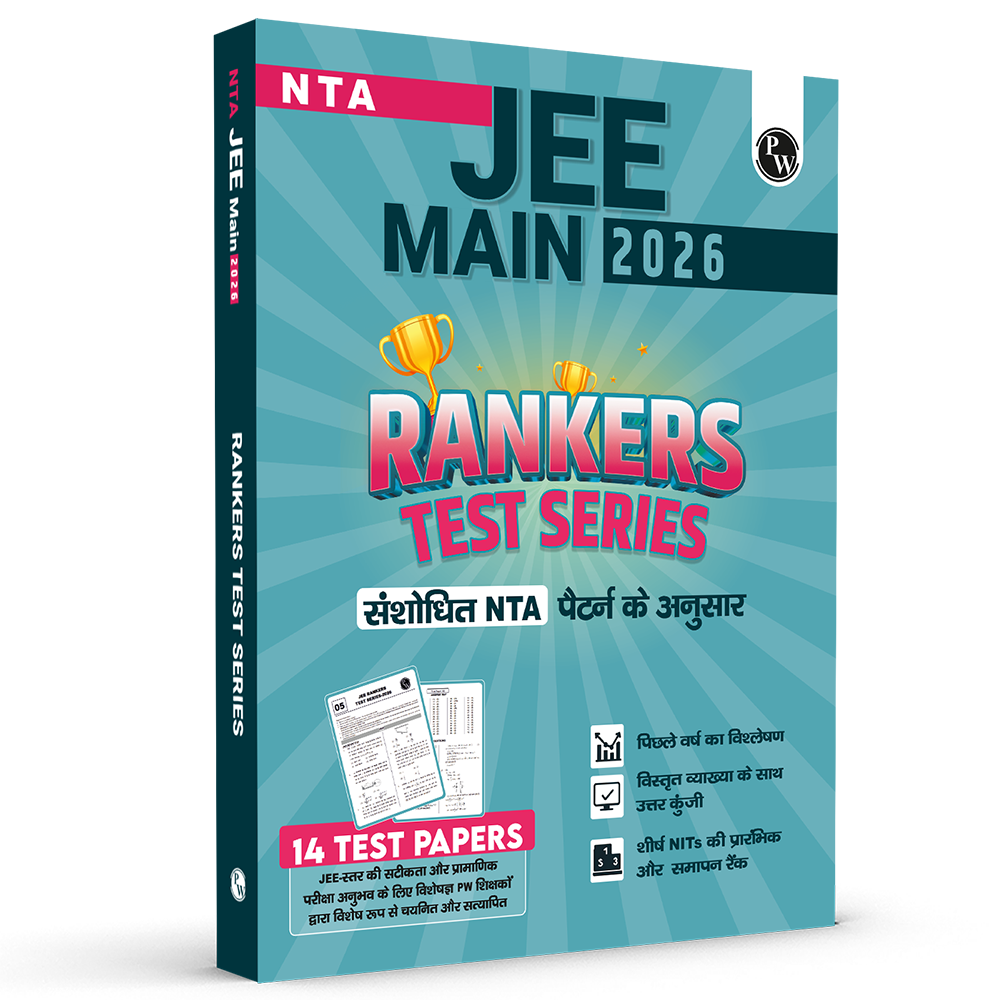
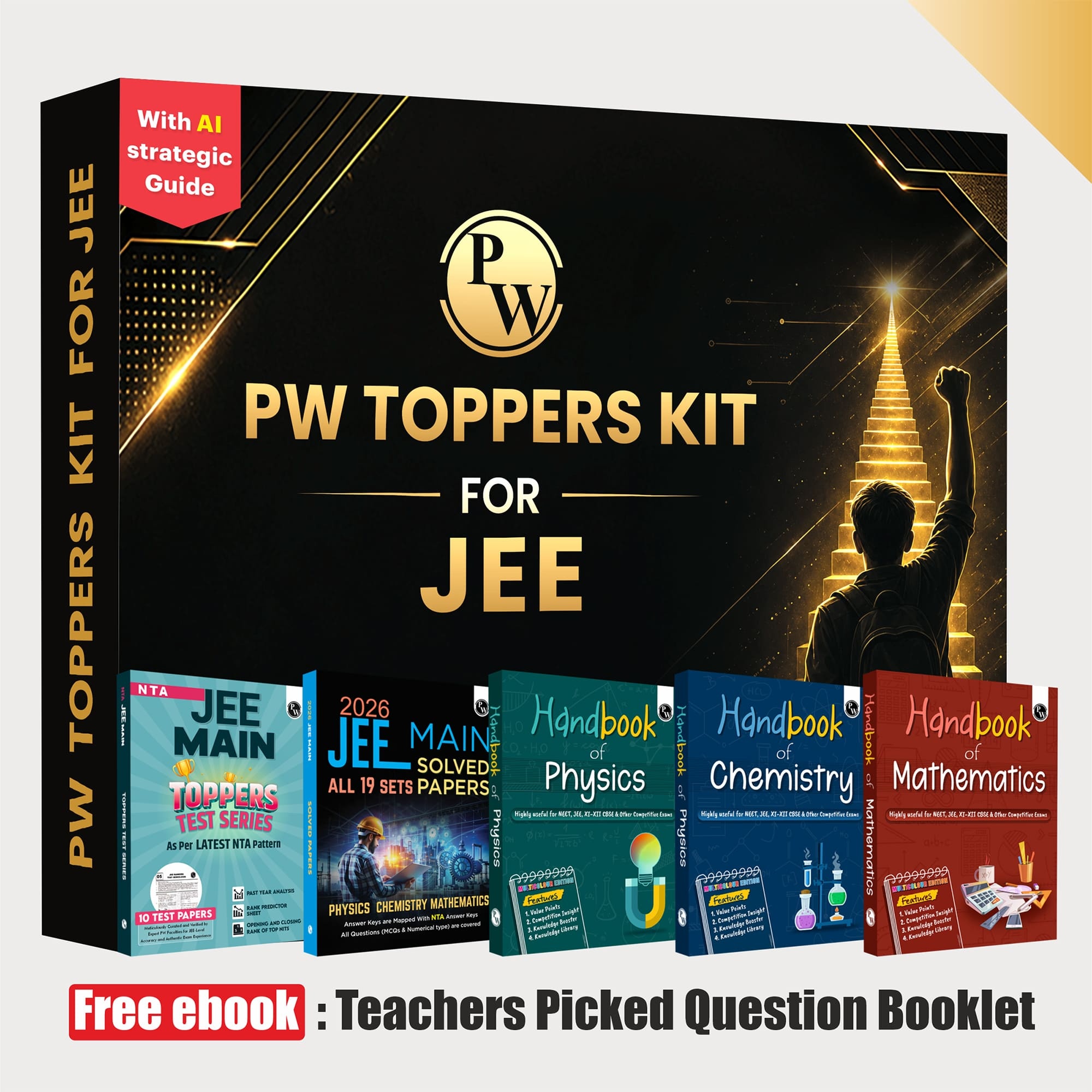
Which JEE Test Series Should You Attempt — Main Only, or Advanced as Well

The primary challenge lies in deciding whether to invest your valuable energy into a dedicated JEE test series that focuses strictly on the Main exam, or if you should also tackle the Advanced level papers simultaneously. Balancing complex physics problems, deep chemistry equations, and advanced mathematics questions requires a highly structured revision plan.
Choosing the wrong mock paper path can either leave you underprepared for the final day or completely damage your confidence. Understanding the exact structural differences between these two examination formats is the first step toward optimizing your final ranking.
Overview of JEE Test Series
The Joint Entrance Examination is a highly competitive, multi-stage technical gateway that demands distinct levels of academic preparation. A structured JEE test series is a foundational tool designed to replicate the actual pressure, duration, and question distribution of the real examination hall.
Using these organized sets ensures that you gain deep familiarity with the latest paper variations, overall topic weightage, and the specific marking schemes applied by the official testing agency.
Historically, the structural format of these evaluation papers contains specific segmentations that students must master to build proper examination stamina:
|
Paper Evaluation Component |
Historical Question Volume |
Core Question Formats Included |
|
JEE Main Paper Layout |
75 Questions total (25 questions per subject) |
20 Multiple-Choice Questions (MCQs) and 5 Integer-Based Questions |
|
Advanced Mock Layout |
Variable layout with added analytical complexity |
90 additional MCQs along with dedicated sections for highly complex integer solutions |
Practicing with these papers regularly helps you adjust to the recent modifications made to the official testing patterns.
Why Choosing the Right JEE Test Series Matters?
Entering the mid-term phase of your academic calendar brings a massive increase in your daily study workload. At this specific point in your journey, picking a high-quality JEE test series bridges the gap between passive textbook reading and active, high-speed problem-solving. The correct series acts as a diagnostic mirror, highlighting exactly where your application skills are failing under tight time constraints.
-
Minimising Exam Fear: Facing regular timed evaluation papers desensitizes your mind to the high-pressure environment of the actual test center, significantly reducing last-minute exam anxiety.
-
Accurate Diagnostics: Detailed post-test analytical data highlights your strong and weak chapters so you can spend your remaining time on topics that need extra work.
-
Time Allocation Practice: Working under rigid three-hour schedules trains your brain to allocate time effectively across complex conceptual questions in Physics, Chemistry, and Mathematics.
Choosing an unsuitable option can lead to a dangerous false sense of security or cause unnecessary panic if the question quality does not match real exam trends. Resources such as the JEE Main Ranker Test Series help students evaluate their preparation under exam-like conditions, improve time management, and build confidence through structured practice aligned with competitive exam patterns.
Which JEE Test Series Is Best for JEE Main and Advanced Aspirants?
Your ideal choice depends heavily on your current mid-term performance metrics, your conceptual clarity, and the specific engineering institutions you want to join.
1. The Case for Attempting a Combined Strategy
If your primary goal is to secure a seat in the premier Indian Institutes of Technology (IITs), integrating a dedicated JEE Advanced test series alongside your standard Mains test series is absolutely essential. The Advanced paper demands a much deeper level of conceptual understanding, multi-step problem-solving, and the physical stamina to handle two grueling papers on the same day.
-
Complementary Academic Growth: Practicing high-level Advanced questions automatically improves your speed and accuracy when solving standard Main-level questions.
-
Varied Question Exposure: Regular exposure to matrix matches, multiple correct options, and comprehension paragraphs builds excellent critical thinking skills.
2. The Case for Focusing on a Main-Only Path
If your mid-term diagnostic results show that you still have weak areas in your basic concepts, focusing your energy on a specific JEE Mains mock test is a much safer and practical path. This focused approach lets you build your core accuracy, step-by-step speed, and overall confidence so you can secure a top rank in the major National Institutes of Technology (NITs). Trying to solve complex Advanced papers before mastering your basics can destroy your motivation and disrupt your learning schedule.
Benefits of JEE Test Series
Using an authentic preparation program provides several distinct benefits that turn your standard study routine into a highly effective, results-driven process.
1. Real Exam Simulation
Mock tests perfectly mimic the real exam conditions, tracking your exact duration, question counts, and marking penalties. This continuous exposure teaches you to stay calm and focused when dealing with unpredictable question papers.
2. Enhanced Revision via Active Recall
Answering mixed question sets under time pressure forces your brain to retrieve formulas and concepts dynamically. This active recall technique builds much stronger long-term knowledge retention than simply reading through reference books or revision notes.
3. Quick Identification of Knowledge Gaps
Reviewing your incorrect choices or skipped questions exposes hidden weaknesses in your preparation. You can then quickly fix these weak spots by revisiting your theory papers or asking your teachers for help.
How to Choose a JEE Test Series?
Look for these essential features when selecting your mid-term study materials to ensure they support your engineering goals:
-
Sufficient Paper Volume: Make sure the package contains at least 20 to 30 full-length mock papers for both stages, combined with part-syllabus tests to help you track your progress steadily over time.
-
Topic-Specific Drilling: Choose a system that includes a high-quality JEE mock test chapter wise layout, which lets you test individual topics immediately after you finish studying them.
-
Past Paper Integration: The series must include authentic previous years' question papers with deep, step-by-step solutions to help you understand genuine examination trends.
-
Detailed Analytics: Ensure the platform gives you detailed score analyses, percentile metrics, and an All-India Ranking to help you see exactly where you stand compared to other applicants across the country.
Common Mistakes to Avoid While Using a JEE Test Series
Below are some of the common mistakes that aspirants should never make while using the test series:
-
Ignoring Solution Quality: Many candidates buy book bundles or online tests based only on how many questions they have, ignoring how clear the answer keys are. Clean, multi-method solutions are vital for learning from your mistakes.
-
Mismatched Difficulty Balances: Picking papers with poorly designed, overly complex questions can ruin your confidence, while using overly simple mock tests can give you a false sense of security.
-
Hoarding Excess Material: Buying too many test series during the mid-term phase causes panic and leaves you with a pile of unfinished books. It is much better to finish one high-quality test series completely than to skim through multiple bundles half-heartedly.
-
Skipping Post-Test Reviews: Moving on to a new test without analyzing your mistakes from the previous one defeats the whole purpose of taking a JEE mock test. Your real improvement happens when you study your errors after the timer stops.
Read More: JEE Advanced Previous Year Question Papers with Solutions
JEE Test Series FAQs
Q1: Why should I regularly enroll in a professional JEE test series?
Ans: Enrolling in a regular series replicates genuine exam conditions, which directly improves your problem-solving speed, time management skills, and overall exam day strategy. It is a crucial tool for checking your actual preparation levels and building your confidence.
Q2: Should a student with weak basics jump directly into a JEE Advanced test series?
Ans: No, you should avoid high-level advanced papers until your fundamentals are strong. Start by building your speed with a standard JEE Mains test series, and move on to tougher papers once your accuracy improves.
Q3: How many mock exams should a reliable JEE Mains mock test bundle offer?
Ans: A reliable mock bundle should offer at least 20 to 30 full-length practice tests along with several part-syllabus papers to ensure you get comprehensive coverage of all three subjects.
Q4: Is it beneficial to solve a JEE mock test chapter-wise during my daily routine?
Ans: Yes, using a JEE mock test chapter wise approach lets you find and fix specific weak spots immediately after finishing a topic, which keeps you from carrying conceptual errors over into your full-syllabus tests.
Q5: What is the most effective way to analyze a complete JEE mock test after finishing it?
Ans: You should go through every incorrect and unattempted question, check the step-by-step solutions to understand where your logic failed, write down any forgotten formulas, and test yourself on those specific topics again to make sure you fully understand them.