Who Benefits Most from JEE Crash Course Books — Droppers or First-timers

Preparing for engineering entrance exams requires a strategic approach, especially during the final months. Students often struggle to balance vast syllabi with effective revision, leading to stress and incomplete preparation.
A comprehensive JEE crash course book offers a structured approach to streamline revision and boost exam readiness.
Importance of JEE Crash Course
The final months before the engineering entrance exams are crucial for every aspirant. During this period, standard textbooks can become overwhelming due to their sheer volume and deep theoretical explanations. This is where a specialized revision guide plays a vital role in transforming an aspirant's preparation strategy from chaotic to highly systematic.
A well-structured revision book simplifies complex subjects into concise notes, formulas, and high-yield problem sets. Instead of spending days re-reading lengthy chapters, candidates can quickly review key principles in a fraction of the time.
Features of JEE Crash Course
An effective revision guide is distinguished by specific design features that separate it from standard classroom textbooks. These attributes are engineered to optimize learning speed, retention, and problem-solving capabilities within a constrained timeframe.
|
Core Feature |
Description & Educational Utility |
|
Focused Summary Notes |
Condensed, bulleted theory highlights that eliminate fluff and explain core principles directly. |
|
Two-Level Questioning |
Problems divided into Level 1 (basic application) and Level 2 (complex integration) to build gradual confidence. |
|
Recent Exam Trends |
Integration of problems from the past five years to familiarize students with current question framing. |
|
Time-Bound Mock Papers |
Full-length or chapter-wise tests designed to be solved within explicit time limits to build speed. |
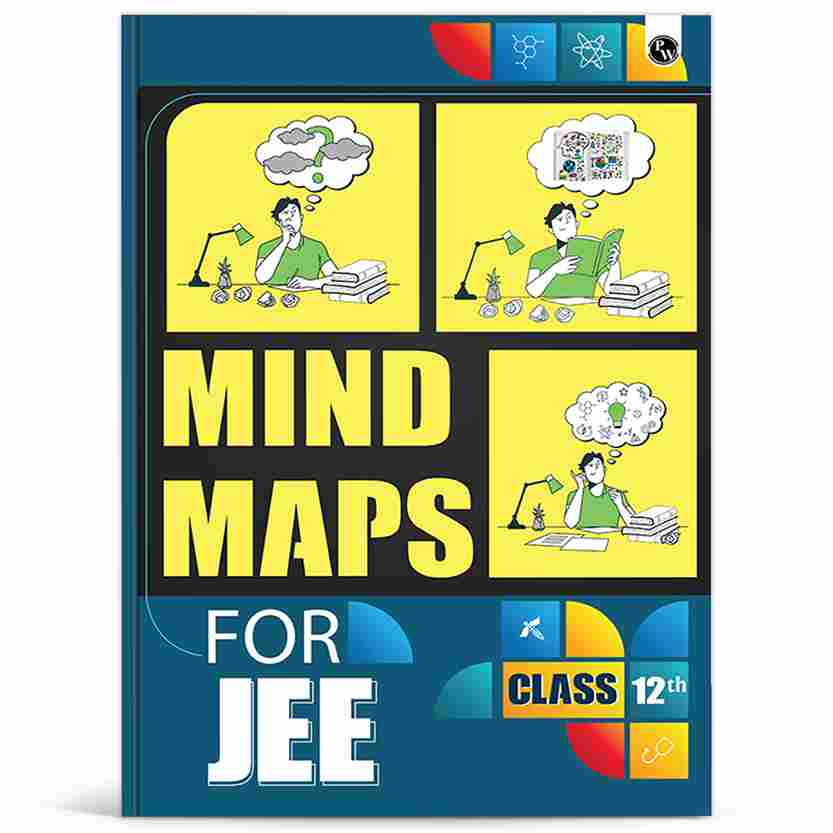
Beyond structured tables, these books prioritize visual learning aids such as detailed diagrammatic breakdowns, formula matrices, and conceptual flowcharts. These tools allow for rapid visual scanning, enabling a student to revise an entire complex chapter, such as rotational mechanics or organic synthesis pathways, in under fifteen minutes. Resources like the JEE Mind Map Class 12th are specifically designed to support this approach by presenting chapter-wise concepts in a visually connected format, helping students strengthen recall and revise key topics quickly before exams.
Who Needs a JEE Crash Course?
Determining whether you need an accelerated revision resource depends on your current academic standing and your target score. Not every student has the same preparation timeline, so it's important to determine exactly how an intensive revision module fits into your personal study schedule.
Students who have completed their initial syllabus but feel their retention fading are prime candidates for this resource. It is common to forget chapters studied at the beginning of the academic year. An accelerated guide helps bring those distant concepts back to the forefront of your mind quickly and systematically.
Candidates aiming to upgrade their ranks from an average percentage to an elite tier benefit immensely. These books contain curated problem sets that challenge your application skills, forcing you to think beyond basic formulas and develop the advanced problem-solving methodologies required to clear highly competitive rounds.
Is a JEE Crash Course Good for Droppers & First-Time Students?
The utility of an accelerated revision guide varies based on an individual's academic background. Both repeating candidates (droppers) and first-time aspirants (Class 12 students) approach this tool with entirely different objectives and requirements.
1. The Analytical Perspective for Droppers
For repeating candidates, the primary challenge is not learning the syllabus for the first time, but rather breaking old habits, fixing deep-rooted conceptual blind spots, and drastically improving problem-solving speed. Droppers already possess a fundamental understanding of the subjects, meaning standard theory books often lead to boredom and repetitive learning cycles.
An intensive revision manual is an ideal diagnostic tool for droppers. Instead of reading chapters line by line, they can dive directly into the Level 2 problem sets.
If they stumble on a specific question type, they can reference the concise summary section to fix that specific gap. This non-linear study method saves hundreds of hours over a multi-month preparation cycle.
2. The Structural Perspective for First-Timers
First-time candidates face a different challenge: managing their school board examinations alongside their competitive entrance preparations.
For these students, a compact guide acts as a bridge. It provides a highly organized framework that helps them revise their Class 11 topics while keeping pace with their ongoing Class 12 school curriculum. To strengthen preparation further, students can complement this revision process with JEE Previous Year Papers, allowing them to understand exam patterns, question trends, and apply concepts in an actual test-oriented format.
Ultimately, both groups find immense value, but in opposite ways: droppers use it from the top down (starting with problems and moving back to theory), while first-timers use it from the bottom up (starting with quick theory revision and moving forward to targeted practice problems supported by regular practice with JEE Previous Year Papers).
How to Use the JEE Crash Course?
Owning a high-quality book is only half the battle; knowing how to integrate it into your daily schedule determines your final outcome. A systematic, step-by-step execution plan prevents burnout and ensures maximum retention of information.
First, always begin your study session with the summary notes section. Spend no more than ten to fifteen minutes reviewing the definitions, basic formulas, and key experimental conditions. The goal here is active recall, not passive reading. Try to write down the vital formulas on a blank piece of paper from memory before looking at the text.
Second, move immediately into the Level 1 problem matrix. Solve these questions without looking at the answer key. This step validates whether you can apply the basic formulas accurately. Mark any questions where you made a calculation error or selected an incorrect option with a specific symbol for future review sessions.
Third, attempt the advanced Level 2 questions under strict exam-like conditions. Set a timer on your desk—give yourself approximately two minutes per question. This constraint forces you to identify high-priority problems and skip overly complex or time-consuming traps, which is a vital skill for clearing an IIT JEE crash course program successfully.
When Should You Start the JEE Crash Course?
Timing is everything when deploying an accelerated study module. Starting too early might leave you without a sufficient foundational base, while starting too late can limit your ability to complete the practice sets thoroughly.
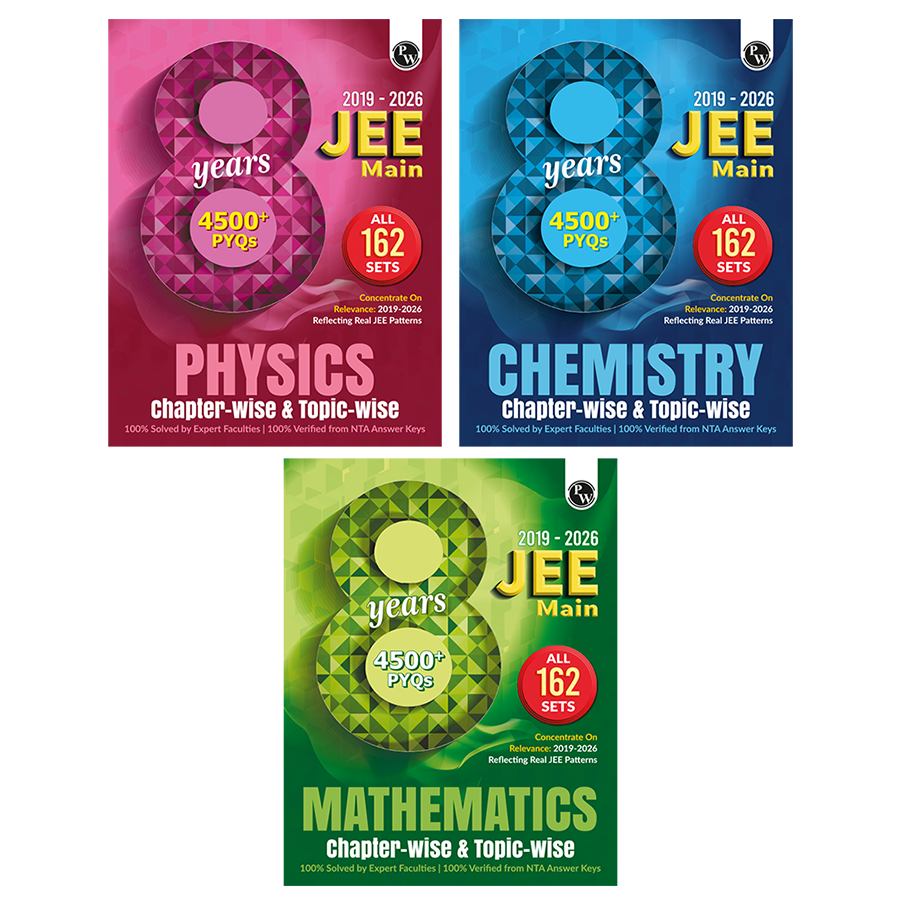
The ideal window to introduce a JEE Mains crash course routine is roughly three to four months before the first session of the exam. At this stage, most classroom coaching programs are winding down their primary syllabus delivery, leaving students with dedicated self-study blocks. This timing allows you to systematically allocate one week to every major unit. To make this revision phase more effective, students can integrate the 8 Years JEE PYQ Combo Books into their schedule, using previous year questions to identify recurring concepts, improve exam temperament, and strengthen chapter-wise problem-solving alongside crash course preparation.
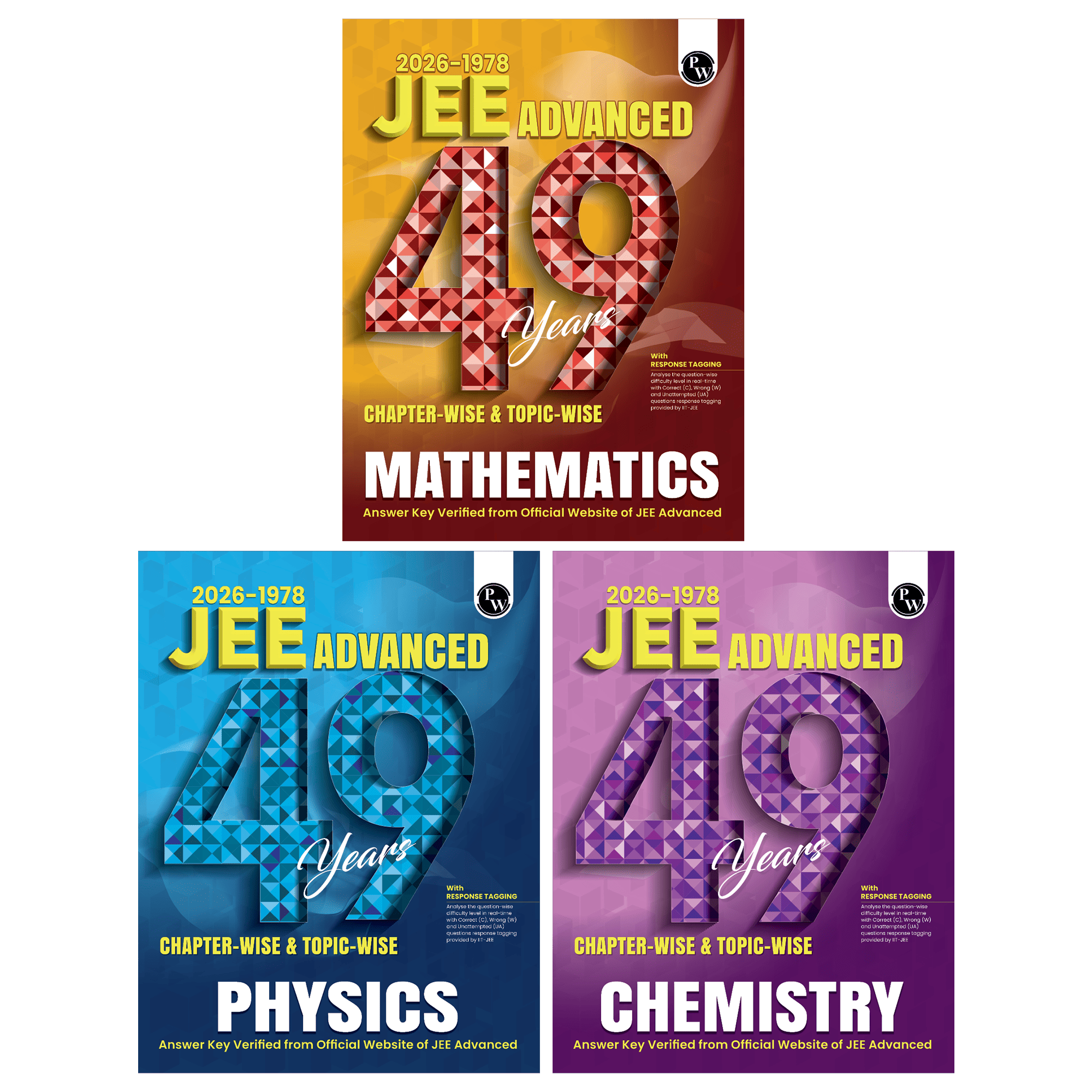
For candidates focusing heavily on advanced stages, utilizing a dedicated JEE Advanced crash course manual becomes essential immediately after the conclusion of the mains round. The gap between these two phases is short, demanding an immediate shift from speed-based objective questioning to deep, multi-concept subjective analyses. To support this transition, students can pair their preparation with the JEE Advanced PYQ Combo 2027 Books, which offers exposure to previous years’ advanced-level questions and helps build familiarity with complex problem structures, conceptual depth, and exam-oriented thinking.
Tips for Getting the Best Results from a JEE Crash Course
To truly maximize the returns from your study guide, you must go beyond simply reading through the pages. Implementing specific, proven study techniques will enhance your cognitive processing and ensure long-term retention on exam day.
-
Maintain a Dedicated Formula Ledger: While the book contains excellent summaries, copying down formulas in your own handwriting reinforces muscle memory and creates an ultra-compact review sheet for the final week.
-
Strictly Enforce Time Constraints: Never practice problems casually. Always utilize a stopwatch to train your brain to perform accurately under cognitive stress and time pressure.
-
Emphasize Weak Areas: It is natural to enjoy solving subjects we are already good at. Force yourself to spend sixty percent of your time on chapters you find challenging or tend to avoid.
-
Execute Cyclic Review Sessions: Do not just move forward continuously. Every Sunday, spend two hours re-solving the marked questions from the chapters completed earlier in the month to prevent memory decay.
-
Integrate Comprehensive Mock Tests: Supplement your book practice with full-length online mock papers. This ensures that your chapter-level competence translates smoothly into sitting for a continuous three-hour exam.
Read More: How Much Score Is Good in JEE Advanced?
JEE Crash Course Book FAQs
Can a beginner clear the exam using a JEE crash course book?
A beginner can use it to understand exam patterns and secure basic passing marks, but achieving a top rank usually requires a foundational understanding alongside intensive practice.
How many hours daily should I dedicate to a JEE crash course?
You should dedicate at least three to four hours of focused self-study daily, specifically to the crash course material, split evenly between quick concept summary reviews and active problem solving.
Are the problems in these revision guides sufficient for advanced levels?
Yes, the specialized Level 2 sets and integrated previous years' questions provide excellent preparation for the advanced problem-solving mindsets required by the exam organizers.
How do I manage my board exams alongside this revision book?
Allocate your morning hours to school descriptive topics and dedicate your evenings to the short, objective chapter formats inside the revision guide to keep both preparations balanced.